

 Vorschau anzeigen
 Versenden
 Teilen
 Details anzeigen

 Herunterladen
 Ähnliche Objekte
 Röntgenaufnahme
 Diashow
 Statistiken
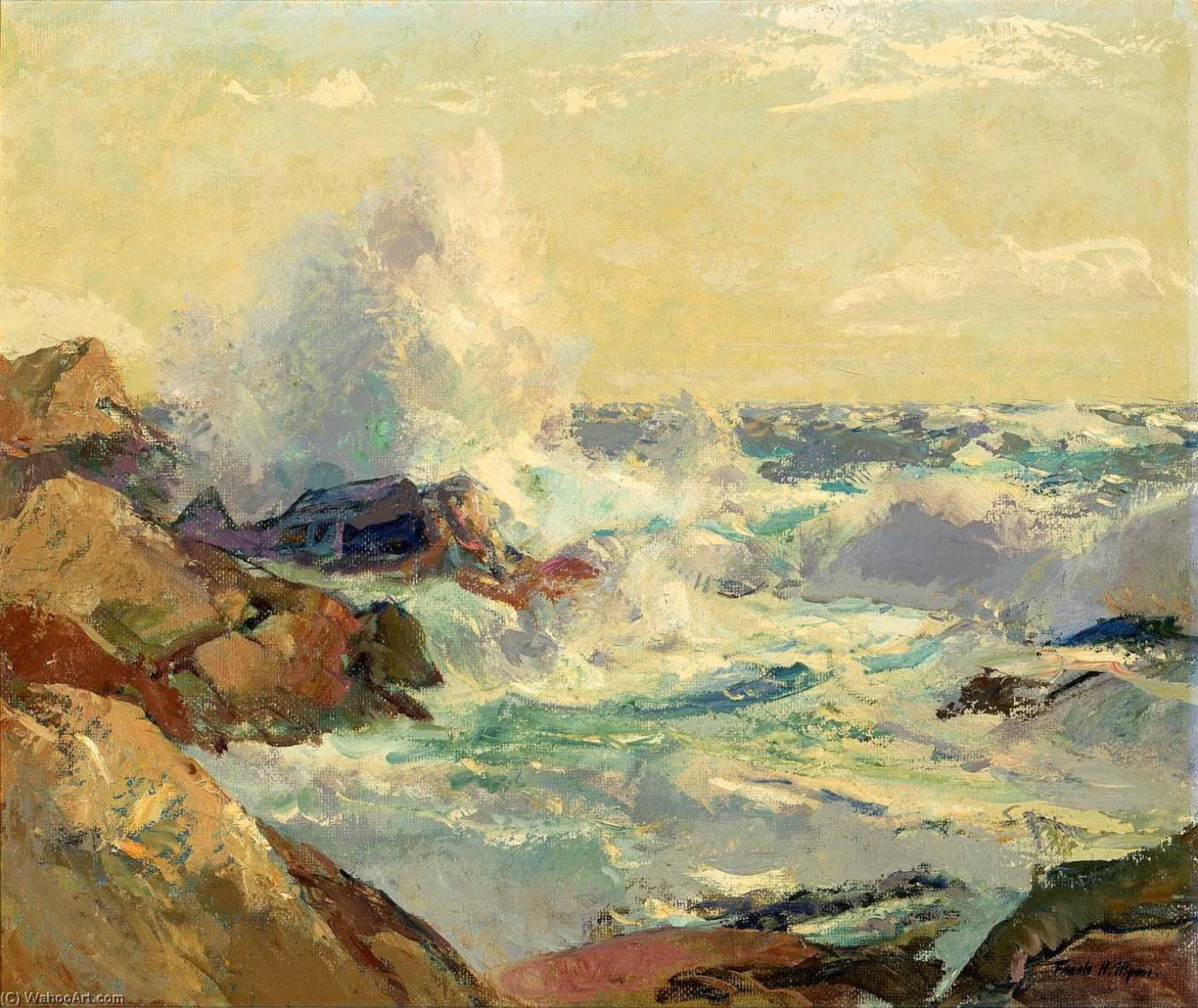
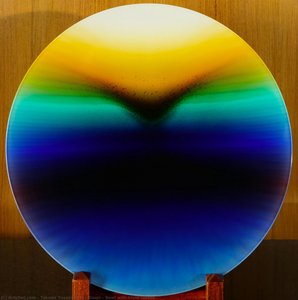
Light and Heavenly
 50.0 x 60.0 cm
 Weiterlesen
Erwerben Sie ein hochauflösendes, optimiertes digitales Bild, das der Online-Vorschau weit überlegen ist.
Jede Datei wird von unseren hauseigenen Spezialisten mit modernsten Werkzeugen und fachmännischer manueller Retusche sorgfältig vorbereitet. Wir stellen sicher, dass jedes Bild eine außergewöhnliche Klarheit, präzise Farbgenauigkeit und feinste Details aufweist.
Die endgültige Datei wird innerhalb von 72 Stunden per E-Mail zugestellt und ist für den sofortigen Einsatz in professionellen, redaktionellen und Druckumgebungen optimiert. Es handelt sich um dieselbe Qualität, der führende Designstudios, Verlage und Galerien vertrauen.
Digitales Bild
Laden Sie eine hochauflösende Datei für die persönliche Präsentation, den Druck und kreative Projekte herunter. ( Zu Druck wechseln Handgemalte Reproduktion bestellen)
In jeder Bestellung digitaler Bilder enthalten
Professionelle digitale Bereitstellung, garantiert
Wenn Sie sich für ArtsDot.com entscheiden, erhalten Sie nicht nur ein Bild – Sie erhalten ein professionell aufbereitetes digitales Kunstwerk, das mit höchster Präzision erstellt und durch eine Zufriedenheitsgarantie abgesichert wird. Hier ist alles, was automatisch mit Ihrer Bestellung geliefert wird:

Schnelle E-Mail-Zustellung
Ihre hochauflösende digitale Bilddatei wird Ihnen innerhalb von 72 Stunden nach der Bestellung per E-Mail zugestellt – bereit zur sofortigen Verwendung.

KI-optimierte digitale Datei
Ihre Kunstwerke werden professionell mithilfe fortschrittlicher KI-Tools und manueller Bearbeitung optimiert, um maximale Detailtreue, Klarheit und Farbgenauigkeit zu gewährleisten.

Lebenslanger kostenloser Neudruckservice
Datei versehentlich gelöscht oder verloren? Keine Sorge – wir senden sie Ihnen jederzeit kostenlos erneut zu.

Keine Einfuhrgebühren – jemals
Genießen Sie Ihr Kunstwerk sofort ohne Zollgebühren, Einfuhrabgaben oder Versandkosten – digitale Downloads sind immer steuerfrei.

Garantierte Farbtreue
Wir garantieren, dass Ihr digitales Bild mithilfe professioneller Werkzeuge und Farbmanagement die Originalfarben so präzise wie möglich wiedergibt.

100-Tage-Zufriedenheitsgarantie
Wenn Sie mit Ihrem digitalen Bild nicht zufrieden sind, werden wir es überarbeiten oder 100% innerhalb von 100 Tagen erstatten – ohne Wenn und Aber.

100% Geld-zurück-Garantie
Nicht zufrieden? Erhalten Sie innerhalb von 100 Tagen nach Erhalt Ihrer digitalen Datei eine vollständige Rückerstattung – ohne Wenn und Aber.

Rabatte bei Großbestellungen
3 Bilder kaufen, 10% sparen – 5 Bilder kaufen, 15% sparen – Ab 10 Bildern 20% sparen. Ideal für kreative Projekte, Galerien und Agenturen.
Ähnliche Kunstwerke


Biografie des Künstlers
Frank Harmon Myers: Weaver of Light and Memory
Frank Harmon Myers (1899 – 1956) wasn’t a name that immediately resonates within the halls of art history, yet his paintings—particularly those capturing the dramatic interplay of light on the Monterey Peninsula coastline—hold a quiet power. Born in Cleves, Ohio, and later establishing himself in Cincinnati and ultimately finding solace and inspiration in Pacific Grove, California, Myers was an artist deeply attuned to the shifting moods of nature and the evocative quality of memory. His work represents a fascinating confluence of influences – from the burgeoning Impressionism of his early training to the stark realism of the American West and, subtly, hints of the emerging Abstract Expressionist movement.
Myers’s artistic journey began with formal instruction at the Cincinnati Art Academy, where he studied under figures like Frank Duveneck and John Ellsworth Weis. These foundational years instilled in him a solid understanding of technique and composition, but it was his subsequent travels – including a formative sojourn to France in 1923 – that truly ignited his artistic vision. Immersed in the vibrant atmosphere of Parisian art studios, he absorbed the techniques of plein air painting championed by artists like Jean Despujols and Auguste Francoise-Marie Gorguet, learning to capture fleeting moments of light and color with remarkable immediacy. This experience profoundly shaped his approach to landscape painting, moving beyond mere representation towards a more subjective exploration of atmosphere and emotion.
Upon returning to the United States, Myers continued to refine his style, experimenting with bolder brushstrokes and increasingly expressive color palettes. His early works often depicted urban scenes and portraits, showcasing a burgeoning talent for capturing human character and detail. However, it was his relocation to California in 1940 that marked a pivotal shift in his artistic focus. Drawn by the dramatic coastline of Monterey, he began to dedicate himself almost exclusively to painting seascapes—a series of works that would ultimately define his legacy. These paintings aren’t simply depictions of the ocean; they are meditations on light, time, and the enduring power of memory. Myers masterfully employed a technique of layering thin washes of color, creating an ethereal quality that seemed to dissolve the boundaries between reality and dream.
Myers's artistic development can be understood through his engagement with various artistic communities. He was a member of the Carmel Art Association, collaborating with fellow artists like Armin Hansen and Donald Teague, contributing to the vibrant cultural landscape of the Monterey Peninsula. His work frequently appeared in group exhibitions, showcasing his talent to a wider audience. Notably, he spent time painting alongside Joseph Henry Sharp, a prominent figure in the Taos art colony, absorbing influences from Southwestern landscapes and Native American culture. This exposure broadened his artistic horizons, adding layers of complexity and symbolism to his paintings.
The Language of Light and Water
Myers’s most distinctive characteristic was his masterful manipulation of light. He wasn't interested in rendering a photographic likeness of the coastline; instead, he sought to capture the *feeling* of being there—the way sunlight dances on the water, the shifting hues of the sky, the subtle gradations of color that define the landscape. His brushwork is loose and expressive, conveying a sense of movement and spontaneity. He often employed a technique known as “broken color,” applying small dabs or strokes of paint side-by-side, allowing the viewer’s eye to blend them together optically. This created an illusion of depth and luminosity, mimicking the way light scatters in the atmosphere.
The influence of Impressionism is readily apparent in Myers's use of color and brushwork, but he transcends mere imitation. He developed a unique visual language—one that speaks to the emotional resonance of the natural world. His paintings are not simply beautiful; they are imbued with a sense of melancholy and nostalgia, as if recalling forgotten moments and lost connections. The recurring motif of the “white mantle” – a reference to the fog often rolling in off the Pacific – adds another layer of symbolic meaning, suggesting the ephemeral nature of beauty and the passage of time.
Key Works and Recognition
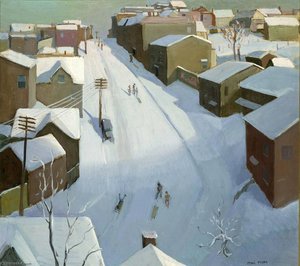
Several paintings stand out as particularly significant examples of Myers’s oeuvre. "The White Mantle" (circa 1940) is arguably his most iconic work—a breathtaking depiction of a foggy coastline, rendered in shimmering blues and grays. “Sunny Jim” (also circa 1940), named after the local landmark, captures the warmth and luminosity of a California sunrise. And "Self Portrait" offers a rare glimpse into the artist’s own introspection, revealing his thoughtful gaze and quiet demeanor.
Myers's work has been recognized by numerous institutions, including the National Museum of American Art, the University of Cincinnati, and the Monterey Peninsula Museum of Art. His paintings are held in private collections as well, testament to their enduring appeal. The Santa Paula Art Museum recently hosted a special exhibition dedicated to his life and work, further solidifying his place within the canon of California landscape painting.
A Legacy of Atmospheric Impressionism
Frank Harmon Myers’s legacy extends beyond the individual paintings that comprise his body of work. He represents a crucial link between the early years of American Impressionism and the subsequent development of Abstract Expressionism. His emphasis on subjective experience, emotional resonance, and the transformative power of light paved the way for future generations of artists to explore new ways of representing the world around them. Though often overlooked by mainstream art history, Myers’s paintings continue to captivate viewers with their ethereal beauty and profound sense of place—a testament to his enduring artistic vision.
frank harmon myers
1899 - 1956
Kurzinfos
- Artistic Movement Or Style: Impressionism
- Artists Or Movements Influenced By This Artist: ['Frederick Judd Waugh']
- Artists Who Influenced This Artist:
- Frank Duveneck
- John Ellsworth Weis
- Joseph Henry Sharp
- Date Of Birth: 1899
- Date Of Death: 1956
- Full Name: Frank Harmon Myers
- Nationality: American
- Notable Artworks:
- The White Mantle
- Sunny Jim
- Self Portrait
- Place Of Birth: Cleves, Ohio, USA