 Vorschau anzeigen
 Versenden
 Teilen
 Details anzeigen

 Herunterladen
 Ähnliche Objekte
 Röntgenaufnahme
 Diashow
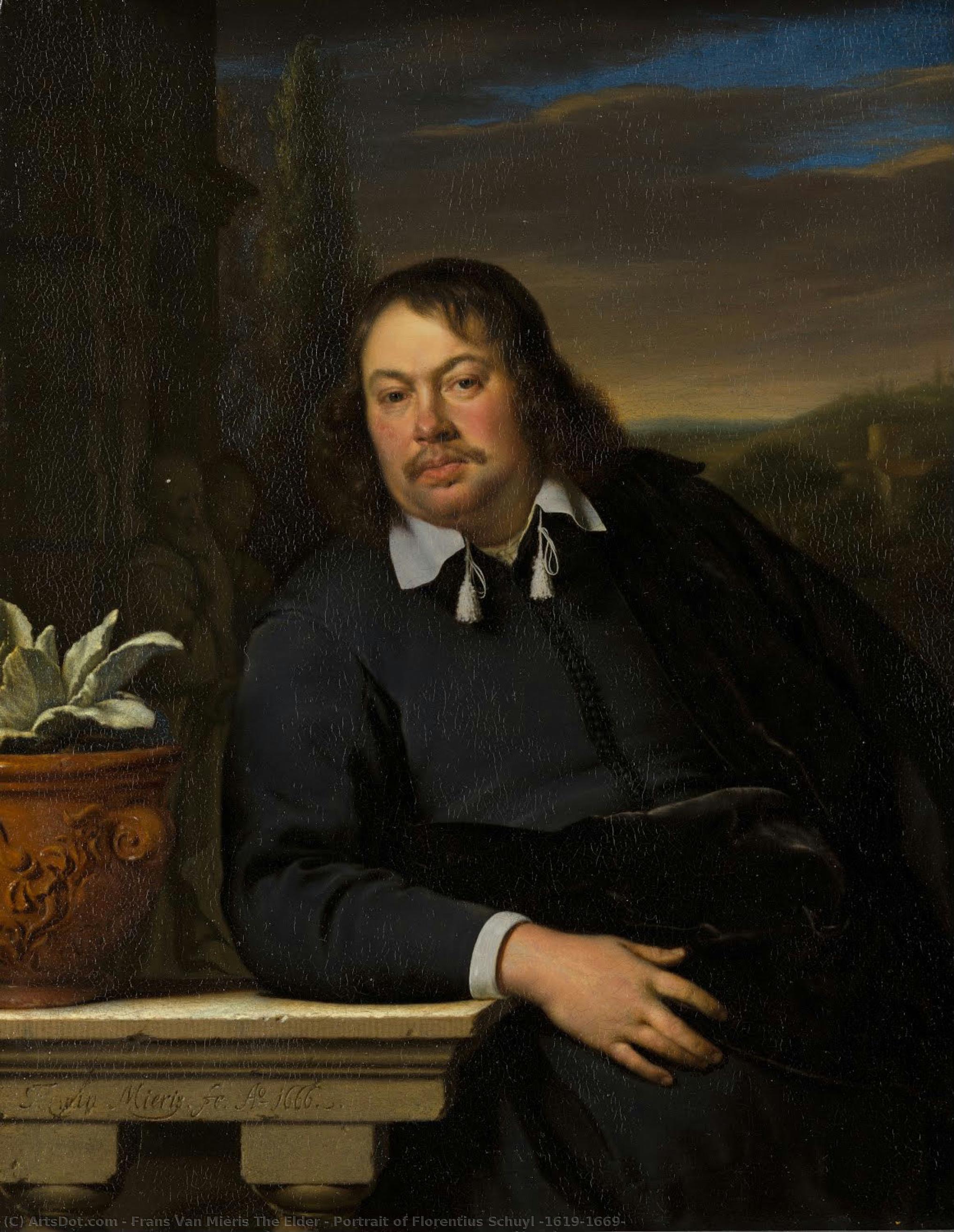
Portrait of Florentius Schuyl (1619-1669)
 Oil On Canvas
- WallArt
- Baroque
 1666
1666 21.0 x 16.0 cm
 Mauritshuis
 Weiterlesen
Giclée / Kunstdruck
Giclée- oder Leinwanddruck in Museumsqualität mit schneller Produktion und flexiblen Veredelungsoptionen. ( Handgemalte Reproduktion bestellen Bild kaufen)




P118B $10

P118H $10

P118W $10

P438Z $10

P508JH $12

P508YH $12

P805H $10

P805Z $10

P919BZ $10

P919G $10

P919XJ $10

P959ZH $10

P968JZ $12

W106C $8

W218G $10

W218JH $8

W218Y $10

W307PJ $10

W316G $10

W316PJ $8

W316Y $10

W398PJ $8

W4111J $10

W500HY $15

W500JH $15

W692G $12

W849H $8

W940BG $15

W953PJ $8




Wählen Sie aus unseren vordefinierten Formaten, die den ursprünglichen Proportionen des Kunstwerks entsprechen.

Sie können Ihre eigenen Maße eingeben, um ein bestimmtes Format oder einen speziellen Platz einzupassen. Wenn das von Ihnen gewählte Format nicht den Proportionen des Originalbildes entspricht, werden wir das Kunstwerk entweder beschneiden oder das Bild mit einem gespiegelten oder einfarbigen Rand erweitern. Ein digitaler Entwurf wird Ihnen zur Genehmigung zugesandt, bevor die Produktion beginnt.
Bitte beachten Sie, dass die Vorschau auf dem Bildschirm nicht den tatsächlichen Zuschnitt oder die Erweiterung widerspiegelt. Nur der Entwurf zeigt die endgültige Komposition präzise an.
Obwohl Sondermaße verfügbar sind, empfehlen wir die Auswahl eines Maßes aus der vordefinierten Liste, um die ursprünglichen Proportionen zu bewahren.
Weltweiter Versand () innerhalb von 2 Wochen statt der üblichen 4/5 Wochen. (27 August)

Kostenloser weltweiter Expressversand

Hochwertige Leinenleinwand

Umfassender Versicherungsschutz beim Versand

Zollgebühren-Rückerstattungsgarantie

Garantie für exakte Farbtreue

60 Tage Rückgaberecht (nur bei Mängeln)

100% Geld-zurück-Garantie

Mengenrabatt verfügbar
 Die Glasoption ist nur für Größen unter 110 cm verfügbar.

Portrait of Florentius Schuyl (1619-1669)
Giclée / Kunstdruck
Format der Reproduktion
-


Gesamtpreis
$ 62
Sammlerstück-Beschreibung
A Window into the Dutch Golden Age: The Portrait of Florentius Schuyl
Frans van Mieris the Elder’s “Portrait of Florentius Schuyl” is more than just a likeness; it's a meticulously crafted window into the world of 17th-century Holland, a society defined by wealth, refinement, and a profound appreciation for detail. Painted in 1666, this oil on copper panel captures not merely a man’s appearance but also his status, personality, and the prevailing aesthetic sensibilities of the era. The painting immediately draws the eye with its dramatic lighting – a chiaroscuro technique borrowed from Caravaggio – that sculpts the subject's form and imbues the scene with an air of solemn dignity. The dark background, punctuated by hints of landscape, serves to isolate Schuyl, elevating him as the central focus and emphasizing his importance within the composition.
Van Mieris’s mastery lies in his *fijnschilder* style, a hallmark of Dutch painting during this period. This approach prioritized subtle gradations of tone, painstaking detail, and an almost photographic realism. Notice the incredible rendering of fabric – the luxurious folds of the dark blue coat, the intricate lace trim, and the texture of the velvet beneath – all achieved through layers of carefully applied paint. The artist’s attention to the nuances of facial features is equally remarkable; the subtle lines around Schuyl's eyes and mouth convey a sense of wisdom and perhaps even melancholy. The composition itself is balanced and formal, reflecting the classical influences that were still present in Dutch art at this time.
Symbolism and Context: A Portrait of Status
The portrait’s symbolism speaks volumes about Schuyl's position within society. He holds a small pot containing greenery – a potent emblem of prosperity, fertility, and connection to nature. In the context of 17th-century Holland, where trade and agriculture were flourishing, such imagery would have been highly valued. The inclusion of the potted plant subtly suggests Schuyl’s wealth and social standing, hinting at his ability to cultivate both material success and a connection to the natural world.
Furthermore, the setting itself – a dark interior with a glimpse of an outdoor landscape – is significant. The darkened room creates a sense of intimacy and privacy, while the distant landscape provides depth and perspective. The architectural details, such as the window frame and table, are rendered with meticulous precision, reflecting the Dutch obsession with order and control. This painting wasn’t simply a depiction of a man; it was an assertion of his identity within a complex social hierarchy.
The Artist: Frans van Mieris – A Master of Detail
Frans van Mieris the Elder (1635-1681) was a pivotal figure in Dutch art, renowned for his ability to capture both the outward appearance and inner character of his subjects. Born in Leiden, he trained under Gerrit Dou and Abraham van den Tempel, absorbing their techniques and developing his own distinctive style – one characterized by an extraordinary level of detail and a masterful use of light and shadow. His work often depicted scenes from everyday life, portraits of wealthy merchants and nobles, and allegorical compositions. Van Mieris’s dedication to realism was unparalleled; he spent countless hours observing and studying his subjects, striving to create images that were both accurate and emotionally resonant.
The portrait of Florentius Schuyl exemplifies this commitment to detail. Van Mieris's meticulous brushwork, combined with his keen eye for color and form, results in a remarkably lifelike image – one that invites the viewer to linger and contemplate the subject’s personality and status. The painting stands as a testament to Van Mieris’s skill and artistry, offering a valuable glimpse into the world of 17th-century Holland.
A Reproduction for Your Collection
ArtsDot offers high-quality reproductions of this stunning masterpiece, capturing the nuances of Van Mieris's technique and the painting’s rich atmosphere. Whether you are an art collector, interior designer, or simply an admirer of Dutch Golden Age art, a ArtsDot reproduction of “Portrait of Florentius Schuyl” will bring a touch of elegance and historical significance to your space.
Ähnliche Kunstwerke


Über den Künstler
Frans van Mieris der Ältere: Ein Leben im Detail
- Geboren: Leiden, Niederlande (1635)
- Gestorben: 1681
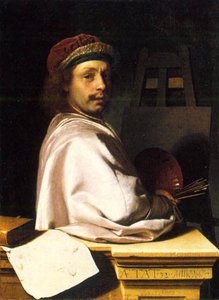
Frans van Mieris der Ältere war ein bedeutender niederländischer Genre-Maler des Goldenen Zeitalters, bekannt für seine akribische Detailgenauigkeit und seinen raffinierten Stil. Geboren in Leiden als Sohn von Jan Bastiaensz van Mieris, einem Goldschmied, zeigte Frans zunächst eine Begabung für das Zeichnen anstatt in den Fußstapfen seines Vaters zu treten. Die frühe Ausbildung unter Abraham Toorenvliet, gefolgt von der Unterweisung durch Gerrit Dou, formte seine künstlerische Grundlage.
Künstlerische Entwicklung und Stil
- Frühe Einflüsse: Gerrit Dou und Abraham van den Tempel beeinflussten Frans’ frühe Arbeiten maßgeblich.
- "Fijnschilder"-Technik: Van Mieris wurde ein Meister der "Fijnschilder"-Technik, die sich durch extrem feine Details, glatte Pinselstriche und einen Fokus auf kleinformatige Gemälde auszeichnete. Diese Technik betonte den Realismus und die detaillierten Darstellungen von Texturen wie Satin und Samt.
- Themenwahl: Er stellte häufig Szenen des wohlhabenden Bürgertums dar – aufwendige Innenräume, elegante Zusammenkünfte und Porträts – und illustrierte so die Gewohnheiten und Kleidung der Oberschicht. Wiederkehrende Motive waren Austernessen, Ärzte, die Patienten untersuchen, und Frauen, die sich häuslichen Tätigkeiten widmen.
- Entwicklung des Stils: Während er anfänglich den Stil Gerrit Dous nachahmte, entwickelte Van Mieris allmählich einen eigenen unverwechselbaren Ansatz und löste sich von übermäßiger Detailgenauigkeit hin zu einem größeren Fokus auf Charakterinteraktion und Erzählungen innerhalb seiner Szenen. Seine späteren Werke wiesen manchmal dunklere Töne im Vergleich zu seinen früheren, helleren Arbeiten auf.
Wichtige Errungenschaften und bemerkenswerte Werke
- Arztbesuch (1657): Gilt als eines seiner frühesten datierten und bedeutendsten Werke, das seine wachsende Unabhängigkeit von Dous Stil zeigt.
- Selbstporträt mit einer Cittern: Ein eindrucksvolles Selbstporträt, das sein Können in der Darstellung prunkvoller Kleidung und dem Einfangen eines Sinns für Persönlichkeit demonstriert.
- Porträt seiner Frau, Cunera van der Cock: Ein beeindruckendes Beispiel für Porträts, das Realismus und Chiaroscuro hervorhebt.
- Allegorische Gemälde: Van Mieris fertigte auch allegorische Werke an, wie z. B. eines, das Laster wie Trinken, Rauchen und Glücksspiel darstellt, was seine Vielseitigkeit demonstriert.
Vermächtnis und historische Bedeutung
- Familienvermögen: Frans van Mieris’ Einfluss erstreckte sich auf seine Familie; sein Sohn Willem van Mieris (1662–1747) und sein Enkel Frans van Mieris der Jüngere (1689–1763) wurden ebenfalls angesehene Genre-Maler und setzten die Familientradition fort.
- Imitationen: Die Popularität von Van Mieris’ Stil führte zu zahlreichen Imitationen, vor allem durch A. D. Snaphaan, der in Leipzig arbeitete und vom Hof von Anhalt-Dessau gefördert wurde.
- Beitrag zur niederländischen Malerei des Goldenen Zeitalters: Frans van Mieris spielte eine entscheidende Rolle bei der Gestaltung der "Fijnschilder"-Bewegung innerhalb der niederländischen Malerei des Goldenen Zeitalters und leistete damit einen bedeutenden Beitrag zum Fokus der Ära auf akribische Details und realistische Darstellungen des Alltagslebens und der Oberschicht. Seine Werke werden für sein technisches Können und seine aufschlussreiche Darstellung der Kultur des 17. Jahrhunderts geschätzt.
Spätere Jahre und Wiederentdeckung
- Förderung: Van Mieris genoss die Förderung bedeutender Persönlichkeiten, darunter Erzherzog Leopold und Cosimo III. de’ Medici.
- Gestohlenes Kunstwerk: Ein Selbstporträt wurde aus der Art Gallery of New South Wales in Sydney, Australien, gestohlen, was den bleibenden Wert und Reiz seiner Werke unterstreicht.
Frans van Mieris
1635 - 1681 , Niederlande
Kurzinfos
- Beeinflusste Künstler:
- Willem van Mieris
- Frans van Mieris der Jüngere
- Bemerkenswerte Werke:
- Porträt von Florentius Schuyl
- Selbstbildnis mit Zither
- Frau vor dem Spiegel
- Arztbesuch
- Geburtsdatum: 1635
- Geburtsort: Leiden, Niederlande
- Künstlerische Bewegung: Fijnschilder
- Künstlerische Einflüsse:
- Gerrit Dou
- Abraham van den Tempel
- Nationalität: Niederländisch
- Sterbedatum: 1681
- Vollständiger Name: Frans van Mieris der Ältere
Ähnliche Artikel

Die 10 Meisterwerke der niederländischen Barockmalerei – Kunst für Ihr Zuhause | ArtsDot
Entdecken Sie die 10 prägendsten Meisterwerke der niederländischen Barockmalerei! Von Rembrandt bis Vermeer – erleben Sie Kunstgeschichte, Techniken & Emotionen. Hochwertige Reproduktionen für Ihr Zuhause auf ArtsDot.com.

Die 10 Meisterwerke des Goldenen Zeitalters der niederländischen Malerei |
Entdecken Sie die 10 Meisterwerke des Niederländischen Goldenen Zeitalters! Von Rembrandt bis Vermeer – erleben Sie Kunstgeschichte, Techniken & Emotionen. Hochwertige Gemäldereproduktionen für Ihr Zuhause auf .

Golden Age Reflections: Dutch Baroque Painting & Cultural Innovation
Explore the Dutch Golden Age of painting! Discover key artists like Vermeer & ter Borch, their innovative techniques, and the rich cultural context behind these Baroque masterpieces. Learn about collecting & appreciating this iconic art period.

Rembrandts Meisterwerke: Die Top 25 Kunstwerke für Ihr Zuhause | ArtsDot
Entdecken Sie Rembrandts 25 berühmteste Kunstwerke! Tauchen Sie ein in die Welt des Barock, Licht und Schatten & historischer Porträts. Hochwertige Reproduktionen für Ihr Zuhause – jetzt auf ArtsDot.com!

Illuminating Innovation: Exploring the Dutch Golden Age of Painting
Explore the Dutch Golden Age of painting with ArtsDot. Discover Rembrandt, Vermeer & other Masters. Learn about key characteristics, iconic artworks, and lasting influence. Expert insights for collectors & enthusiasts.