 Vorschau anzeigen
 Versenden
 Teilen
 Details anzeigen

 Herunterladen
 Ähnliche Objekte
 Röntgenaufnahme
 Diashow
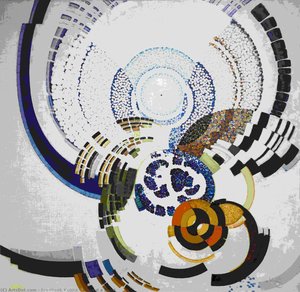
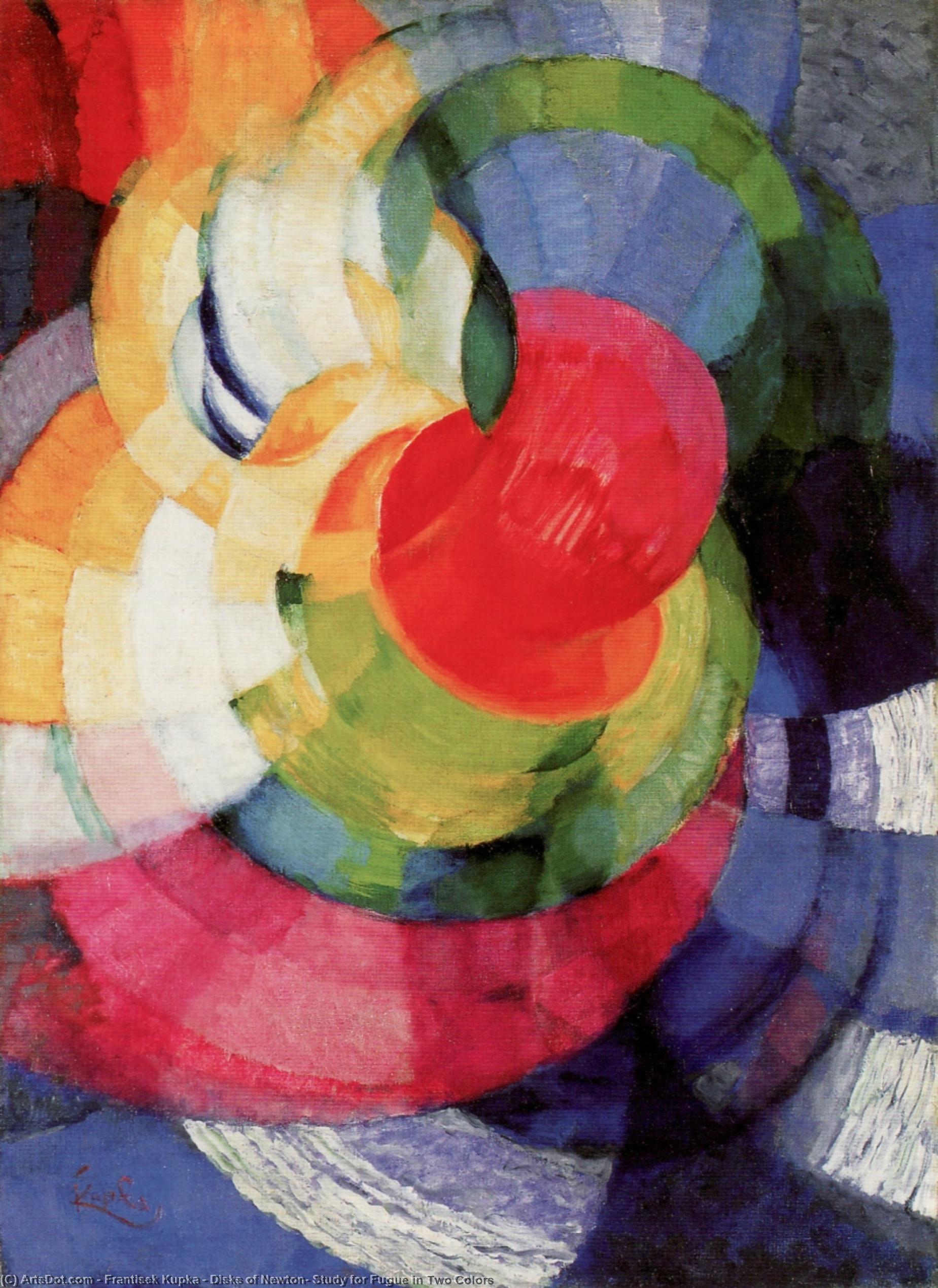
Disks of Newton, Study for Fugue in Two Colors
 Malerei
- Abstract Art
 1911
1911 77.0 x 73.0 cm
 Weiterlesen
Giclée / Kunstdruck
Giclée- oder Leinwanddruck in Museumsqualität mit schneller Produktion und flexiblen Veredelungsoptionen. ( Handgemalte Reproduktion bestellen Bild kaufen)




P118B $10

P118H $10

P118W $10

P438Z $10

P508JH $12

P508YH $12

P805H $10

P805Z $10

P919BZ $10

P919G $10

P919XJ $10

P959ZH $10

P968JZ $12

W106C $8

W218G $10

W218JH $8

W218Y $10

W307PJ $10

W316G $10

W316PJ $8

W316Y $10

W398PJ $8

W4111J $10

W500HY $15

W500JH $15

W692G $12

W849H $8

W940BG $15

W953PJ $8




Wählen Sie aus unseren vordefinierten Formaten, die den ursprünglichen Proportionen des Kunstwerks entsprechen.

Sie können Ihre eigenen Maße eingeben, um ein bestimmtes Format oder einen speziellen Platz einzupassen. Wenn das von Ihnen gewählte Format nicht den Proportionen des Originalbildes entspricht, werden wir das Kunstwerk entweder beschneiden oder das Bild mit einem gespiegelten oder einfarbigen Rand erweitern. Ein digitaler Entwurf wird Ihnen zur Genehmigung zugesandt, bevor die Produktion beginnt.
Bitte beachten Sie, dass die Vorschau auf dem Bildschirm nicht den tatsächlichen Zuschnitt oder die Erweiterung widerspiegelt. Nur der Entwurf zeigt die endgültige Komposition präzise an.
Obwohl Sondermaße verfügbar sind, empfehlen wir die Auswahl eines Maßes aus der vordefinierten Liste, um die ursprünglichen Proportionen zu bewahren.
Weltweiter Versand () innerhalb von 2 Wochen statt der üblichen 4/5 Wochen. (29 August)

Kostenloser weltweiter Expressversand

Hochwertige Leinenleinwand

Umfassender Versicherungsschutz beim Versand

Zollgebühren-Rückerstattungsgarantie

Garantie für exakte Farbtreue

60 Tage Rückgaberecht (nur bei Mängeln)

100% Geld-zurück-Garantie

Mengenrabatt verfügbar
 Die Glasoption ist nur für Größen unter 110 cm verfügbar.

Disks of Newton, Study for Fugue in Two Colors
Giclée / Kunstdruck
Format der Reproduktion
-


Gesamtpreis
$ 62
The Luminous Geometry of Modern Vision
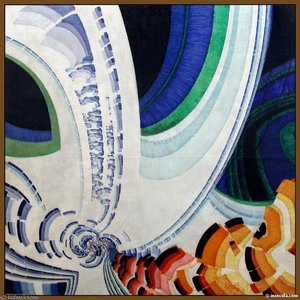
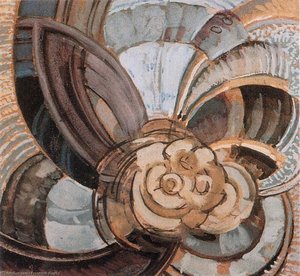
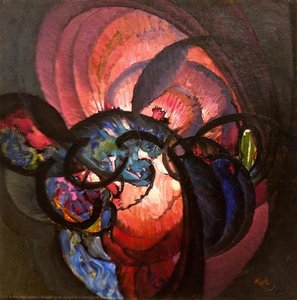
To stand before František Kupka's "Disks of Newton, Study for Fugue in Two Colors" is to step across the threshold into a realm where mathematics dissolves into pure, ecstatic color. This painting is not merely an arrangement of circles; it is a visual symphony, a meticulously orchestrated exploration of rhythm and light that speaks directly to the nascent spirit of abstraction. The composition immediately arrests the viewer with its vibrant energy. Dominating the space is this magnificent, colorful disk, a focal point that seems to pulse with internal life. Scattered around it are smaller, complementary circles, creating a sense of depth—as if we are looking down into an intricate, celestial mechanism.
A Dialogue Between Science and Spirit
The title itself hints at the tension Kupka masterfully navigates: the precision suggested by "Disks of Newton" juxtaposed with the fluidity implied by "Study for Fugue." This duality is central to understanding the work. While the nod to Newtonian principles suggests an underlying order, a predictable structure, the execution—the way the colors bleed into one another and seem to vibrate against each other—is anything but rigid. Kupka, ever the pioneer, uses these geometric forms not to illustrate science, but to *feel* it. The inclusion of the visible clock in the upper left corner serves as a poignant reminder of measured time, yet this measurement is immediately overwhelmed by the painting's timeless, chromatic resonance.
Technique and the Dawn of Abstraction
Kupka’s technique here showcases his mastery over color theory. The application appears rich and layered, suggesting an almost stained-glass quality to the painted surfaces. He moves beyond mere representation; he is painting with pure sensation. The interplay between the various hues—the blues meeting the yellows, the reds anchoring the composition—is handled with a sophisticated understanding of optical mixing. For those considering a reproduction for your space, note that this vibrancy translates beautifully, allowing the hand-painted quality to retain the original's luminous depth, making it an immediate conversation piece.
Emotional Resonance and Interior Harmony
Emotionally, the painting is exhilarating. It evokes the feeling of discovery—the moment a complex pattern resolves into perfect harmony. For collectors and designers alike, this piece offers more than mere decoration; it offers intellectual stimulation. Placing such a dynamic work in a room can elevate the atmosphere from static to vital. It suggests an appreciation for the underlying patterns that govern both nature and art itself. It is a celebration of visual music, inviting contemplation on how structure and freedom can coexist within a single, breathtaking plane.
Ähnliche Kunstwerke

Über den Künstler
Frühe Jahre und Ausbildung
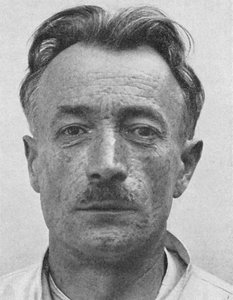
František Kupka, ein renommierter tschechischer Maler und Grafiker, wurde am 23. September 1871 in Opočno, Ostböhmen, Österreich-Ungarn, geboren. Von 1889 bis 1892 studierte er an der Akademie der Schönen Künste in Prag, wobei er sich auf historische und patriotische Themen konzentrierte. Später schrieb er sich an der Akademie der Bildenden Künste in Wien ein und widmete sich symbolischen und allegorischen Motiven.Künstlerische Entwicklung und Einflüsse
Kupkas künstlerischer Stil entwickelte sich von Realismus zur reinen abstrakten Kunst, beeinflusst durch seine Auseinandersetzung mit Theosophie und östlicher Philosophie. Im Jahr 1894 ließ er sich in Paris nieder, besuchte kurzzeitig die Académie Julian und studierte bei Jean-Pierre Laurens an der École des Beaux-Arts.Wichtige Werke und Beiträge
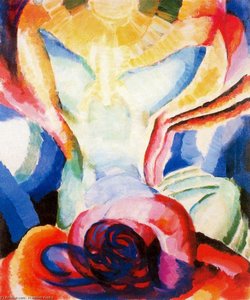
- Der Farbige (65 x 54 cm, Solomon R. Guggenheim Museum, New York, Vereinigte Staaten), eine abstrakte Darstellung eines weiblichen Aktes, die Kupkas kühne Form der figürlichen Darstellung zeigt.
- Um einen Punkt (Musée d'Art Moderne de Paris), ein Werk, das von Kupkas üblicher Verwischung von Grenzen abweicht und definierte Ränder aufweist und die Theorien über Licht und Farbe erforscht.
Expositionen und Vermächtnis
Kupka war 1931 Gründungsmitglied von Abstraction-Création. Seine Werke wurden 1936 in der Ausstellung „Kubismus und abstrakte Kunst“ im Museum of Modern Art in New York City gezeigt. Eine Retrospektive seiner Arbeit fand 1946 in der Galerie Mánes in Prag statt.- Betrachten Sie František Kupkas Werke auf ArtsDot
- Erkunden Sie Ms. Kupka zwischen Vertikalen (abstrakter Expressionismus)
- Entdecken Sie mehr über František Kupkas Leben und Werk auf Wikipedia: Wikipedia
Museen mit Werken von František Kupka
- Solomon R. Guggenheim Museum (New York, Vereinigte Staaten)
- Das Musée d'Art Moderne de Paris (Paris, Frankreich)
- Galerie Mánes (Prag, Tschechische Republik)
František Kupka
1871 - 1957 , Tschechische Republik
Kurzinfos
- Beeinflusste Künstler: ['Abstraction-Création']
- Bemerkenswerte Werke:
- Der Farbige
- Um einen Punkt
- Vertikale Ebenen
- Einflüsse:
- Theosophie
- Östliche Philosophie
- Geburtsdatum: 23. September 1871
- Geburtsort: Opava, Tschechien
- Künstlerische Bewegung: Orphismus, Abstraktion
- Nationalität: Tschechisch
- Todatum: 24. Juni 1957
- Vollständiger Name: František Kupka
Ähnliche Artikel

Geometrische Abstraktion: Die 10 Meisterwerke, die Kunstgeschichte prägten | ArtsDot.com
Entdecken Sie die 10 Meisterwerke der geometrischen Abstraktion! Von Kandinsky bis Mondrian – erleben Sie die Geschichte, Farben & Formen dieser revolutionären Kunstrichtung. Hochwertige Kunstreproduktionen auf ArtsDot.com
Fernand Léger: Die 25 Meisterwerke des Kubismus für Ihr Zuhause | ArtsDot
Entdecken Sie die 25 Meisterwerke von Fernand Léger! Tauchen Sie ein in die Welt des Kubismus, Tubismus & der Avantgarde. Hochwertige Kunstreproduktionen für Ihr Zuhause – jetzt auf ArtsDot.com!
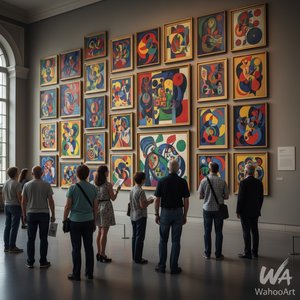
Kandinsky: Die 25 Meisterwerke des Abstrakten – Kunst für Ihr Zuhause | ArtsDot
Entdecken Sie die 25 bedeutendsten Gemälde von Wassily Kandinsky! Tauchen Sie ein in die Welt der abstrakten Kunst, des Expressionismus und der Farbkomposition. Hochwertige Kunstdrucke & Inspiration für Ihr Zuhause auf ArtsDot.com.
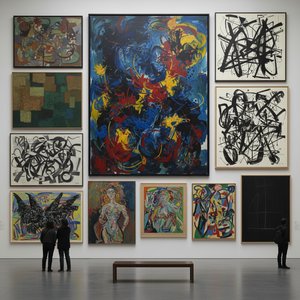
Abstrakter Expressionismus: Die 10 Meisterwerke, die eine Kunstbewegung prägten |
Entdecken Sie die 10 Meisterwerke des Abstrakten Expressionismus! Von Jackson Pollock bis Mark Rothko – erfahren Sie die Geschichten hinter ikonischen Gemälde und finden Sie hochwertige Reproduktionen für Ihr Zuhause. Jetzt bei entdecken!
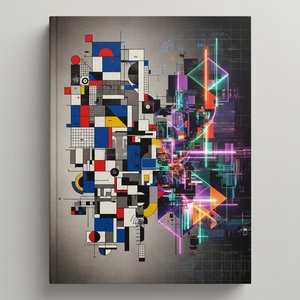
Beyond Form & Color: Geometric Abstraction's Evolution in 20th/21st Century Art
Explore the evolution of geometric abstraction from Cubism to contemporary art. Discover key artists like Malevich & Mondrian, investment insights, and expert collecting advice at ArtsDot.