 Vorschau anzeigen
 Versenden
 Teilen
 Details anzeigen

 Herunterladen
 Ähnliche Objekte
 Röntgenaufnahme
 Diashow
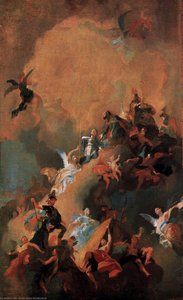
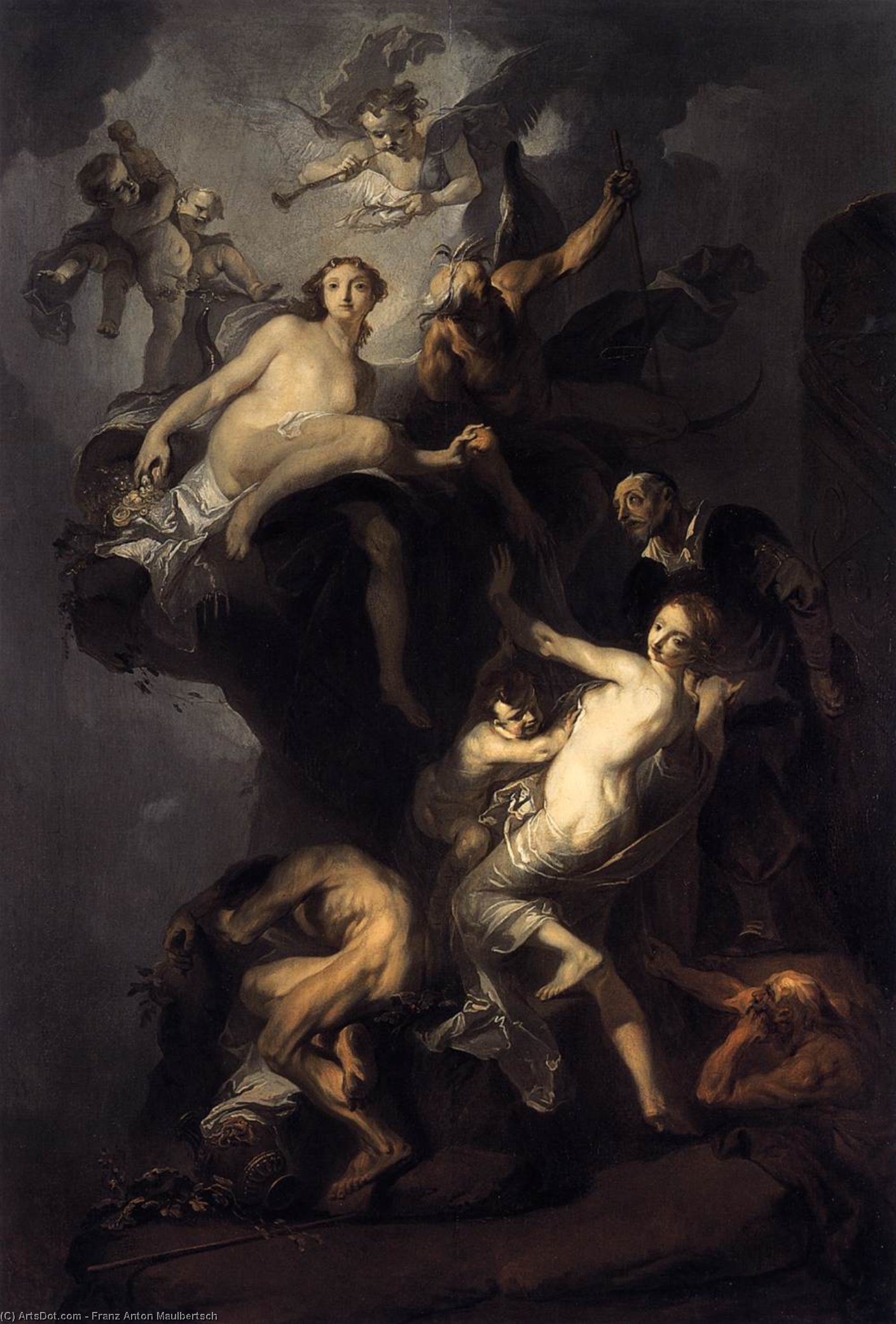
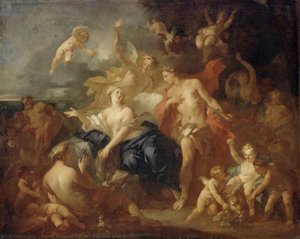
Allegory on the Fate of Art
 Oil On Canvas
- WallArt
- Rococo Art
 1770
1770- 19th Century
 105.0 x 72.0 cm
 Akademie der bildenden Künste Wien
 Weiterlesen
Handgefertigte Ölreproduktion
Handgemaltes Ölgemälde auf Leinwand in Ihrer Wunschgröße und mit Rahmen, auf Bestellung von unseren Künstlern angefertigt. ( Druck bestellen Bild kaufen)




P118B $10

P118H $10

P118W $10

P438Z $10

P508JH $12

P508YH $12

P805H $10

P805Z $10

P919BZ $10

P919G $10

P919XJ $10

P959ZH $10

P968JZ $12

W106C $8

W218G $10

W218JH $8

W218Y $10

W307PJ $10

W316G $10

W316PJ $8

W316Y $10

W398PJ $8

W4111J $10

W500HY $15

W500JH $15

W692G $12

W849H $8

W940BG $15

W953PJ $8




Wählen Sie aus unseren vordefinierten Formaten, die den ursprünglichen Proportionen des Kunstwerks entsprechen.

Sie können Ihre eigenen Maße eingeben, um einen bestimmten Rahmen oder Platz auszufüllen. Wenn die gewählte Größe nicht den Proportionen des Originalbildes entspricht, werden wir das Kunstwerk entweder beschneiden oder das Gemälde durch zusätzliche, handgemalte Elemente erweitern. Ein digitales Mockup wird Ihnen zur Genehmigung zugesandt, bevor die Produktion beginnt.
Bitte beachten Sie, dass die Bildschirmvorschau nicht die tatsächliche Beschneidung oder Erweiterung widerspiegelt. Nur das Mockup zeigt die endgültige Komposition exakt an.
Obwohl Sondermaße verfügbar sind, empfehlen wir, eine Größe aus der vordefinierten Liste zu wählen, um die ursprünglichen Proportionen beizubehalten.
Nach der Bestellung wird das ArtsDot.com-Team dem Kunden Anweisungen per E-Mail zusenden und eine Mockup-Vorschau bereitstellen.
Weltweiter Versand () in nur 3 bis 4 Wochen statt der üblichen 5 Wochen. (29 August). Keine Kompromisse bei der Qualität.

Kostenloser weltweiter Expressversand

Hochwertige Leinenleinwand

Umfassender Versicherungsschutz beim Versand

Zollgebühren-Rückerstattungsgarantie

Garantie für exakte Farbtreue

60 Tage Rückgaberecht (nur bei Mängeln)

100% Geld-zurück-Garantie

Mengenrabatt verfügbar
 Die Glasoption ist nur für Größen unter 110 cm verfügbar.

Allegory on the Fate of Art
Art der Reproduktion
Format der Reproduktion
-


Gesamtpreis
$ 263
The Agony of Creation: Unveiling Franz Anton Maulbertsch’s *Allegory on the Fate of Art*
Franz Anton Maulbertsch's 1770 painting, *Allegory on the Fate of Art*, is not merely a depiction of a scene; it’s an intensely felt meditation on the precariousness of artistic endeavor. Executed in oil on canvas and measuring 105 x 72 cm, this work immediately arrests the viewer with its dramatic chiaroscuro – a masterful manipulation of light and shadow that plunges the composition into a palpable sense of unease and profound contemplation. The painting’s dark palette, dominated by deep browns and blacks, serves to heighten the emotional impact, contrasting sharply with the luminous skin of the central figure, a nude woman caught in what appears to be an agonizing state. This immediate visual tension – light against darkness, beauty against suffering – is characteristic of Maulbertsch's style and speaks directly to the painting’s core theme: the vulnerability of artistic expression.
- Rococo Drama: Rooted firmly in the Rococo period, *Allegory on the Fate of Art* transcends the typical frivolousness often associated with the style. While retaining the elegance and decorative flourishes of the era, Maulbertsch imbues his work with a deeply serious and almost operatic quality.
- Technical Brilliance: The artist’s command of technique is evident in every brushstroke. The meticulous rendering of textures – from the flowing drapery to the delicate musculature of the figures – demonstrates a profound understanding of anatomy and material properties.
- A Symphony of Contrasts: Maulbertsch expertly employs chiaroscuro not just for dramatic effect, but also to guide the viewer’s eye through the complex composition, drawing attention to the central figure while simultaneously creating a sense of depth and movement within the scene.
Decoding the Symbolism: Figures in Flux
The painting's power lies not just in its technical execution but also in its rich symbolism. The nude woman at the heart of the composition is often interpreted as representing Art itself – beautiful, vulnerable, and susceptible to forces beyond her control. Surrounding her are a cast of figures engaged in a dynamic interplay: angels or cherubs reaching out with both offering hands and grasping claws; mythological beings seemingly attempting to either uplift or drag her down. This chaotic arrangement suggests the multifaceted nature of artistic influence – the patronage of powerful individuals, the critical judgment of audiences, and the ever-present threat of oblivion.
- The Angels & Demons: The presence of both benevolent and malevolent figures underscores the dual nature of inspiration and criticism. Are they guiding forces or destructive influences?
- Mythological Echoes: The inclusion of mythological elements – a clear nod to classical allegories – adds layers of meaning, suggesting that art has always been intertwined with timeless themes of creation, destruction, and redemption.
- A Dialogue with the Viewer: Maulbertsch deliberately leaves the interpretation open-ended, inviting viewers to contemplate their own relationship with art and its role in society.
Historical Context & Artistic Legacy
Created in 1770, *Allegory on the Fate of Art* reflects a period of significant artistic transition. Maulbertsch was working at the cusp of the late Baroque and Rococo styles, inheriting the dramatic intensity of the former while embracing the elegance and decorative sensibilities of the latter. His work is considered a key example of Viennese Rococo painting, showcasing his unique ability to blend emotional depth with refined aesthetic qualities. Maulbertsch’s influence extended beyond Vienna; his works were exhibited throughout Central Europe, contributing to the spread of the Rococo style.
Franz Anton Maulbertsch (1724-1796): A master of allegory and chiaroscuro, Maulbertsch's career spanned several decades, during which he produced a remarkable body of work characterized by its dramatic intensity, technical virtuosity, and profound philosophical underpinnings. His legacy continues to inspire artists and art lovers alike, solidifying his place as one of the most important figures in the history of Rococo painting.A Hand-Painted Reproduction: Capturing the Essence
ArtsDot.com is proud to offer a meticulously crafted hand-painted reproduction of *Allegory on the Fate of Art*. Our team of skilled artists, drawing upon Maulbertsch’s original techniques and artistic vision, painstakingly recreate every detail of this iconic masterpiece. Each reproduction is created using archival quality materials, ensuring that it will retain its beauty and vibrancy for generations to come. This isn't simply a print; it's an authentic work of art, imbued with the same emotional power and technical brilliance as the original.
Ähnliche Kunstwerke


Über den Künstler
Franz Anton Maulbertsch: Leben und Werk
Frühes Leben und Ausbildung
Franz Anton Maulbertsch wurde 1724 in Langenargen, Deutschland, geboren. Schon in jungen Jahren zeigte er künstlerisches Talent, das ihn dazu veranlasste, eine formale Ausbildung an der Akademie in Wien anzutreten. Diese grundlegende Bildung erwies sich als entscheidend für die Gestaltung seines späteren Stils und seiner Karriere.
Einflüsse und künstlerische Entwicklung
Maulbertsch’s künstlerische Entwicklung wurde maßgeblich von mehreren Schlüsselpersonen beeinflusst. Er studierte unter Paul Troger, einem führenden österreichischen Barockmaler, und übernahm den dramatischen Stil dieser Epoche. Weiterhin fand er Inspiration bei venezianischen Meistern wie Giovanni Battista Pittoni und Piazzetta, deren Verwendung von Licht und Farbe seinen Werken tiefgreifend beeinflusste. Er untersuchte auch detailliert die Fresken von Sebastiano Ricci am Schloss Schönbrunn in Wien. Ein prägendes Erlebnis war der Kontakt zu Giambattista Tiepolo, als dieser um 1750 in Würzburg tätig war; diese Begegnung erweiterte Maulbertsch’s künstlerische Horizonte.
Künstlerischer Stil und bedeutende Werke
Maulbertsch wurde zu einem der renommiertesten Vertreter des Rokoko-Malstils in der deutschsprachigen Region. Sein Stil ist durch lebendige Farben, dynamische Kompositionen und ein Gefühl von Theatralik geprägt. Er zeichnete sich als Freskmaler aus und erhielt zahlreiche Aufträge für sowohl religiöse als auch weltliche Werke.
- Kirchenaufträge: Maulbertsch schmückte Kirchen in Bicske, Kalocsa, der Michaelerkirche und Piaristenkirche Maria Treu sowie Porta Coeli in Moravia, Schloss Kroměříž des Erzbischofs und die Villa Halbturn.
- Bedeutende Gemälde: Er schuf auch Gemälde wie “Jupiter und Antiope”, “Philipp der Apostel tauft einen Eunuchen”, “Ein Barberchirurg bei der Arbeit” und “Pastoral Serenade”.
Leistungen und Anerkennung
Maulbertsch’s Können als Freskmaler führte zu weitverbreiteter Anerkennung und zahlreichen prestigeträchtigen Aufträgen. Seine Fähigkeit, visuell beeindruckende und emotional ansprechende Werke zu schaffen, festigte seinen Ruf als führender Maler seiner Zeit. Er verband erfolgreich Barockdrama mit der Eleganz und Leichtigkeit des Rokoko und schuf eine einzigartige künstlerische Stimme.
Historische Bedeutung
Franz Anton Maulbertsch spielte eine wichtige Rolle bei der Brücke zwischen dem späten Barock und der frühen Klassik. Sein Werk spiegelt die sich ändernden Geschmäcker des 18. Jahrhunderts wider, während er gleichzeitig eine starke Verbindung zu traditionellen Techniken bewahrte. Er trug zur Etablierung eines eigenständigen österreichischen Rokokostils bei, der nachfolgende Generationen von Künstlern beeinflusste. Seine Fresken sind wichtige Beispiele für religiöse Kunst und dekorative Malerei dieser Epoche.
Spätes Leben und Tod
Maulbertsch arbeitete weiterhin produktiv während seiner gesamten Karriere und bewahrte bis zu seinem Tod im Jahr 1796 in Wien ein hohes künstlerisches Niveau. Sein Vermächtnis wird durch die Bewahrung und das Studium seiner bemerkenswerten Werke gefeiert.
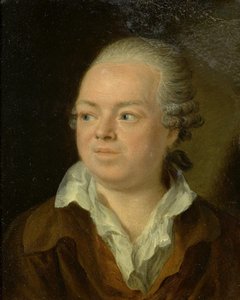
Franz Anton Maulbertsch
1724 - 1796 , Deutschland
Kurzinfos
- Artistic Movement Or Style: Rokoko, Barock
- Artists Who Influenced This Artist:
- Paul Troger
- Giovanni Battista Pittoni
- Giambattista Tiepolo
- Date Of Birth: 1724
- Date Of Death: 1796
- Full Name: Franz Anton Maulbertsch
- Nationality: Deutsch/Österreichisch
- Notable Artworks:
- Jupiter und Antiope
- Philipp der Apostel tauft einen Eunuchen
- Ein Barberchirurg bei der Arbeit
- Place Of Birth: Langenargen, Deutschland
Ähnliche Artikel

Giclée Prints: Archival Quality & Aesthetic Nuances for the Discerning Collector
Explore the world of giclée prints with ArtsDot. Learn about archival quality, aesthetic nuances & investment potential. Expert guidance for discerning art collectors seeking museum-quality reproductions and lasting value.

Rococo Meisterwerke: Die Top 10, die eine Epoche prägten |
Entdecken Sie die Top 10 Rokoko Meisterwerke von Watteau, Boucher & Fragonard! Erfahren Sie die Geschichten hinter diesen ikonischen Gemälden und lassen Sie sich für Ihre Inneneinrichtung inspirieren. Hochwertige Kunstdrucke auf .

Harmonie der Epochen: Eine umfassende Anleitung zur Abstimmung von Kunst-Reproduktionen auf verschiedene Einrichtungsstile
Entdecken Sie hochwertige Kunst-Reproduktionen für Ihr Zuhause! Expertenberatung, individuelle Gestaltung & Museumsqualiät bei ArtsDot.com. Finden Sie das perfekte Bild!
Paul Klee: Die 25 Meisterwerke des Abstrakten – Kunst für Ihr Zuhause | ArtsDot
Entdecken Sie die 25 Meisterwerke von Paul Klee! Tauchen Sie ein in seine abstrakte Welt, voller Expressionismus und Bauhaus-Einflüsse. Hochwertige Kunst für Ihr Zuhause – jetzt bei ArtsDot entdecken!

Echoes of Time: Exploring the Enduring Appeal & Historical Context of Vintage Art Prints
Explore the captivating world of vintage art prints! Discover their history, collecting tips & enduring appeal. Expert insights on chromolithography and building a legacy collection with ArtsDot.