

 Vorschau anzeigen
 Versenden
 Teilen
 Details anzeigen

 Herunterladen
 Ähnliche Objekte
 Röntgenaufnahme
 Diashow
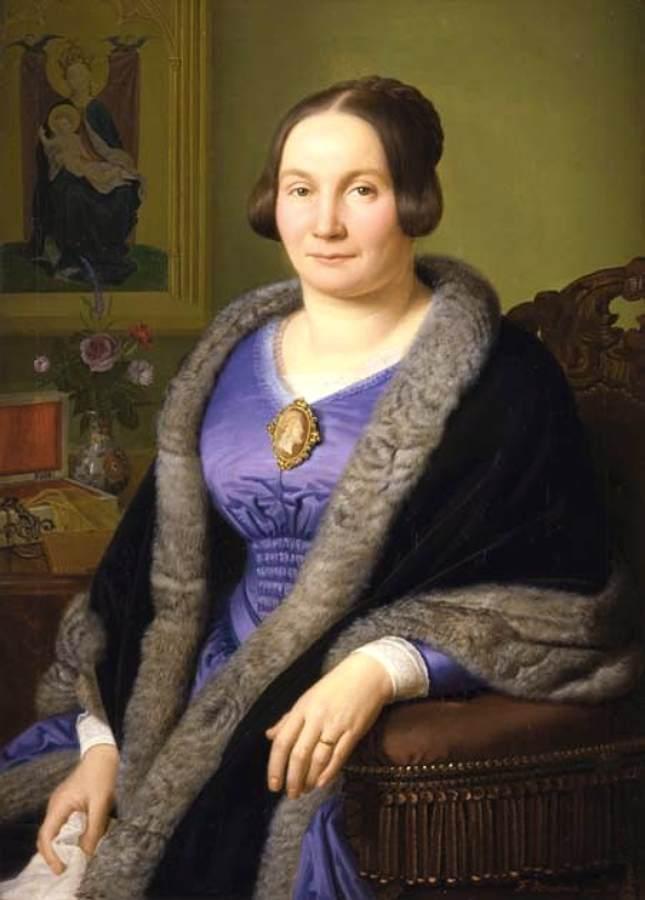
Portrait of Margarete von Soist
 1849
1849 76.0 x 66.0 cm
 Weiterlesen
Giclée / Kunstdruck
Giclée- oder Leinwanddruck in Museumsqualität mit schneller Produktion und flexiblen Veredelungsoptionen. ( Handgemalte Reproduktion bestellen Bild kaufen)




































Wählen Sie aus unseren vordefinierten Formaten, die den ursprünglichen Proportionen des Kunstwerks entsprechen.

Sie können Ihre eigenen Maße eingeben, um ein bestimmtes Format oder einen speziellen Platz einzupassen. Wenn das von Ihnen gewählte Format nicht den Proportionen des Originalbildes entspricht, werden wir das Kunstwerk entweder beschneiden oder das Bild mit einem gespiegelten oder einfarbigen Rand erweitern. Ein digitaler Entwurf wird Ihnen zur Genehmigung zugesandt, bevor die Produktion beginnt.
Bitte beachten Sie, dass die Vorschau auf dem Bildschirm nicht den tatsächlichen Zuschnitt oder die Erweiterung widerspiegelt. Nur der Entwurf zeigt die endgültige Komposition präzise an.
Obwohl Sondermaße verfügbar sind, empfehlen wir die Auswahl eines Maßes aus der vordefinierten Liste, um die ursprünglichen Proportionen zu bewahren.
Weltweiter Versand () innerhalb von 2 Wochen statt der üblichen 4/5 Wochen. (25 August)

Kostenloser weltweiter Expressversand

Hochwertige Leinenleinwand

Umfassender Versicherungsschutz beim Versand

Zollgebühren-Rückerstattungsgarantie

Garantie für exakte Farbtreue

60 Tage Rückgaberecht (nur bei Mängeln)

100% Geld-zurück-Garantie

Mengenrabatt verfügbar
 Die Glasoption ist nur für Größen unter 110 cm verfügbar.

Portrait of Margarete von Soist
Giclée / Kunstdruck
Format der Reproduktion
-


Gesamtpreis
$ 62
Ähnliche Kunstwerke










Über den Künstler
Franz Ittenbach (18 April 1813, Königswinter – 1 December 1879, Düsseldorf)
Franz Ittenbach was a German religious painter, in the Nazarene style, associated with the Düsseldorf school of painting. He is considered one of the most important figures of the Nazarene movement and his work continues to inspire artists today.
Early Life and Artistic Education
Born in Königswinter, at the foot of the Drachenfels mountain range, Franz Ittenbach’s upbringing instilled a deep reverence for faith. His father ran a modest wine shop, fostering an appreciation for craftsmanship alongside his religious convictions. Recognizing his talent early on, he pursued formal artistic training under Kaufmann and subsequently studied under Franz Katz in Cologne, gaining foundational skills in draughtsmanship and painting technique.
The Düsseldorf Academy and the Nazarene Movement
A pivotal moment arrived when Ittenbach enrolled at the Düsseldorf Academy in 1832, mentored by Schadow—a figure who would profoundly influence his artistic vision. This institution cemented his connection to the Düsseldorf school of painting, a movement characterized by its meticulous observation of nature and its commitment to spiritual contemplation. Joining forces with Karl Müller, Andreas Müller, and Ernst Deger, Ittenbach formed a quartet that embarked on extensive travels throughout Germany, diligently studying and replicating masterpieces from the Late Medieval and Early Renaissance.
Italian Influence and Artistic Style
Inspired by the artistic fervor of Italy during his formative years, Ittenbach spent 1839-1842 immersing himself in Roman art. This experience solidified his stylistic preferences—a deliberate rejection of prevailing trends—and fueled his dedication to portraying biblical narratives with unwavering sincerity and emotional depth. He favored a restrained palette, prioritizing tonal harmonies that conveyed the essence of divine beauty.
Notable Works and Legacy
Ittenbach’s artistic output culminated in numerous altar-pieces—particularly those adorning churches at Bonn and Breslau—which stand as testament to his mastery of technique and his profound spiritual conviction. Among his most celebrated paintings is “Holy Family,” executed in 1861 for Prince Liechtenstein’s chapel near Vienna, capturing the tenderness and serenity emblematic of Nazarene art.
Franz Ittenbach's influence extended beyond his own creations; he served as a teacher at Düsseldorf Academy and was recognized by European academies with numerous awards. His unwavering devotion to religious themes—expressed through meticulous observation of nature and masterful execution—established him as an enduring icon of the Nazarene movement and a cornerstone of German Romanticism.
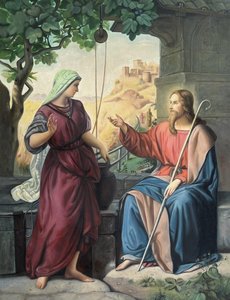
franz ittenbach
1813 - 1879
Kurzinfos
- Artistic Movement Or Style: Nazarene Painting
- Artists Or Movements Influenced By This Artist: ['Expressionism']
- Artists Who Influenced This Artist:
- Schadow
- Kaufmann
- Date Of Birth: April 18, 1813
- Date Of Death: December 1, 1879
- Full Name: Franz Ittenbach
- Nationality: German
- Notable Artworks:
- Holy Family
- St. Remigius
- Place Of Birth: Königswinter, Germany

