 Vorschau anzeigen
 Versenden
 Teilen
 Details anzeigen

 Herunterladen
 Ähnliche Objekte
 Röntgenaufnahme
 Diashow
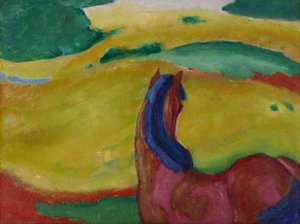
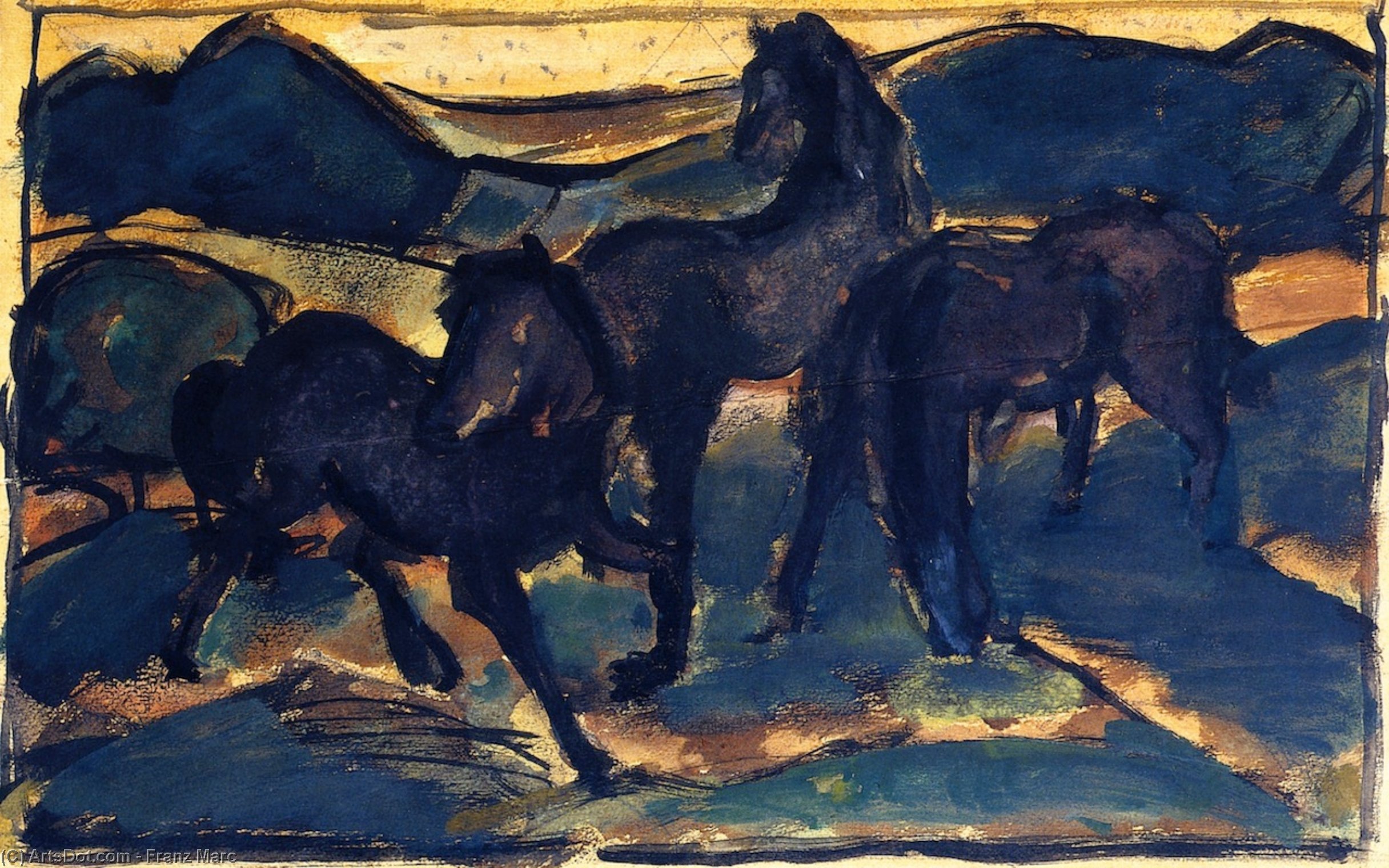
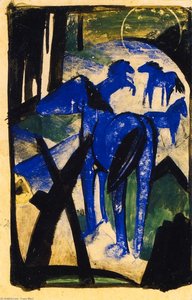
Horses at Pasture I


 Weiterlesen
Handgefertigte Ölreproduktion
Handgemaltes Ölgemälde auf Leinwand in Ihrer Wunschgröße und mit Rahmen, auf Bestellung von unseren Künstlern angefertigt. ( Druck bestellen Bild kaufen)




P118B $10

P118H $10

P118W $10

P438Z $10

P508JH $12

P508YH $12

P805H $10

P805Z $10

P919BZ $10

P919G $10

P919XJ $10

P959ZH $10

P968JZ $12

W106C $8

W218G $10

W218JH $8

W218Y $10

W307PJ $10

W316G $10

W316PJ $8

W316Y $10

W398PJ $8

W4111J $10

W500HY $15

W500JH $15

W692G $12

W849H $8

W940BG $15

W953PJ $8




Wählen Sie aus unseren vordefinierten Formaten, die den ursprünglichen Proportionen des Kunstwerks entsprechen.

Sie können Ihre eigenen Maße eingeben, um einen bestimmten Rahmen oder Platz auszufüllen. Wenn die gewählte Größe nicht den Proportionen des Originalbildes entspricht, werden wir das Kunstwerk entweder beschneiden oder das Gemälde durch zusätzliche, handgemalte Elemente erweitern. Ein digitales Mockup wird Ihnen zur Genehmigung zugesandt, bevor die Produktion beginnt.
Bitte beachten Sie, dass die Bildschirmvorschau nicht die tatsächliche Beschneidung oder Erweiterung widerspiegelt. Nur das Mockup zeigt die endgültige Komposition exakt an.
Obwohl Sondermaße verfügbar sind, empfehlen wir, eine Größe aus der vordefinierten Liste zu wählen, um die ursprünglichen Proportionen beizubehalten.
Nach der Bestellung wird das ArtsDot.com-Team dem Kunden Anweisungen per E-Mail zusenden und eine Mockup-Vorschau bereitstellen.
Weltweiter Versand () in nur 3 bis 4 Wochen statt der üblichen 5 Wochen. (20 August). Keine Kompromisse bei der Qualität.

Kostenloser weltweiter Expressversand

Hochwertige Leinenleinwand

Umfassender Versicherungsschutz beim Versand

Zollgebühren-Rückerstattungsgarantie

Garantie für exakte Farbtreue

60 Tage Rückgaberecht (nur bei Mängeln)

100% Geld-zurück-Garantie

Mengenrabatt verfügbar
 Die Glasoption ist nur für Größen unter 110 cm verfügbar.

Horses at Pasture I
Art der Reproduktion
Format der Reproduktion
-


Gesamtpreis
$ 263
Beschreibung des Kunstwerks
A Vision of the Wild: Franz Marc's ‘Horses at Pasture’
Franz Marc’s “Horses at Pasture” isn’t merely a depiction of animals in a field; it’s an immersion into a deeply felt spiritual landscape. Painted in 1910, during his most intensely expressive period, this large fresco embodies the core tenets of German Expressionism – a movement driven by the desire to convey subjective emotions and inner experiences rather than objective reality. Marc, profoundly influenced by Vincent van Gogh's passionate brushwork and the evocative color palettes of Paul Gauguin, sought to capture not just the appearance of these magnificent creatures but also their essence, their wildness, and their connection to a primal world.
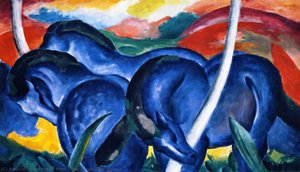
The scene unfolds with an almost palpable energy. Four horses dominate the composition, rendered in bold strokes of cerulean blue, vibrant yellow, and earthy ochre. One horse, positioned prominently on the left, appears to be actively moving, its form imbued with a sense of restless vitality. Another stands more centrally, radiating a quiet strength, while the pair further to the right suggest a harmonious group engaged in their shared existence. The background is a simplified landscape—a hazy expanse of green and blue—that serves primarily to amplify the horses’ presence and emphasize their connection to nature. Marc deliberately eschewed meticulous detail, prioritizing instead the conveyance of feeling through color and form.
The Language of Color: Symbolism in Marc's Palette
Marc’s masterful use of color is central to understanding this work. The dominant blues aren’t simply representative of the sky; they evoke a sense of spirituality, mystery, and perhaps even melancholy – reflecting the artist’s own introspective nature. Yellow, frequently associated with sunlight and vitality, injects an energetic counterpoint, symbolizing life force and the horses' inherent power. The strategic placement of these colors creates a dynamic tension within the composition, mirroring the complex interplay between instinct and spirit that Marc sought to portray.
Furthermore, Marc’s color choices were deeply rooted in his belief that animals possessed an innate purity and connection to the natural world. He saw them as embodiments of spiritual truth, free from the complexities and anxieties of human existence. The horses, therefore, become symbols of a simpler, more authentic way of being – a vision he desperately sought to capture on canvas.
A Bridge Between Worlds: Marc’s Artistic Context
“Horses at Pasture” emerged during a pivotal moment in art history—the rise of German Expressionism and the formation of the Der Blaue Reiter (The Blue Rider) group, which Marc co-founded with Wassily Kandinsky. This collective aimed to break away from traditional artistic conventions and explore new modes of expression rooted in spirituality and emotional intensity. The “Blue Rider” movement embraced symbolism, abstraction, and a profound interest in mythology and folklore, often drawing inspiration from medieval religious art.
Marc’s personal journey profoundly shaped his artistic vision. Initially considering a career in theology, he ultimately found solace and purpose in painting, believing that art could serve as a conduit for spiritual experience. His early exposure to Vincent van Gogh's expressive brushwork and the emotional depth of his paintings undoubtedly influenced Marc’s own approach to color and composition. “Horses at Pasture” stands as a testament to this transformative journey – a vibrant expression of an artist seeking to connect with something larger than himself.
Bringing ‘Horses at Pasture’ Home: A Reproduction for Your Space
ArtsDot offers meticulously crafted, hand-painted reproductions of Franz Marc's “Horses at Pasture,” allowing you to bring this iconic masterpiece into your home or office. Our skilled artisans replicate the artist’s distinctive brushwork and vibrant color palette with exceptional accuracy, ensuring that your reproduction captures the essence of the original painting. Whether you are an art enthusiast, a collector, or simply seeking a stunning piece of décor, our reproductions provide a beautiful and authentic representation of this profound work.
Explore our selection of “Horses at Pasture” reproductions today and discover how this timeless image can enrich your space with its beauty, symbolism, and emotional resonance. Learn more about the artwork here.
Ähnliche Kunstwerke
Über den Künstler
Franz Marc: Ein Pionier des Deutschen Expressionismus
Frühes Leben und Ausbildung
- Franz Moritz Wilhelm Marc wurde am 8. Februar 1880 in München, Deutschland, geboren.
- Sein Vater, Wilhelm Marc, war Landschaftsmaler und beeinflusste seinen Sohn zunächst durch seine künstlerischen Neigungen.
- Marc erwog kurz Theologie, bevor er sich der Kunst widmete und nach dem Besuch der Universität München an der Akademie der Bildenden Künste in München studierte.
- Zu den frühen Studien gehörten das Kopieren von Meistern und die Erforschung verschiedener künstlerischer Techniken.
Künstlerische Entwicklung und Einflüsse
- Anfangs wurden Marcs Werke von Impressionismus und akademischen Malstilen beeinflusst.
- Ein entscheidender Moment war seine Besuche in Paris, wo er die Werke von Vincent van Gogh entdeckte und seine Verwendung von Farbe und emotionaler Ausdruck maßgeblich prägte.
- Er experimentierte mit verschiedenen künstlerischen Gruppen wie der Neuen Künstlervereinigung München, bevor er Der Blaue Reiter gemeinsam gründete.
- Auch Robert Delaunays Werk beeinflusste Marcs Erkundung abstrakter Formen und lebendiger Farben.
Der Blaue Reiter und Schlüsselwerke
- Im Jahr 1911 gründete Marc gemeinsam mit Wassily Kandinsky Der Blaue Reiter (Der Blaue Reiter), eine Zeitschrift und Künstlergruppe, die für den deutschen Expressionismus von zentraler Bedeutung wurde.
- Diese Gruppe suchte nach spiritueller Bedeutung in der Kunst und lehnte traditionelle künstlerische Konventionen ab.
- Bekannte Werke aus dieser Zeit sind:
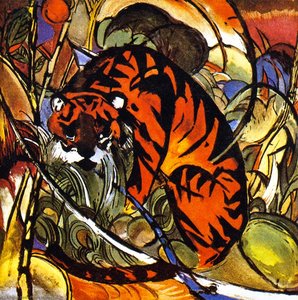
- Der Tiger (1912) – zeigend seinen sich entwickelnden Stil und seine symbolische Verwendung von Tieren.
- Rehdamee (1912) - demonstrierend eine wachsende Konzentration auf Tierdarstellungen.
- Der Turm der blauen Pferde, Die Füchse und das Schicksal der Tiere (1913) – repräsentierend die Culmination seiner künstlerischen Vision.
Themen und Künstlerischer Stil
- Marcs Kunst ist durch ihre lebendigen Farben, vereinfachte Formen und symbolische Darstellung von Tieren gekennzeichnet.
- Er glaubte, dass Tiere eine Reinheit und eine spirituelle Verbindung zur Natur besaßen, die der Mensch verloren hatte.
- Seine Verwendung von Farbe diente nicht nur der Beschreibung, sondern auch dem Ausdruck, Emotionen und innere Zustände zu vermitteln.
- Er versuchte, die Essenz seiner Motive darzustellen, anstatt realistische Darstellungen.
Erster Weltkrieg und tragisches Ende
- Mit dem Ausbruch des Ersten Weltkriegs im Jahr 1914 wurde Marc in die deutsche Armee eingezogen.
- Trotz seines Versuchs, aufgrund seiner künstlerischen Tätigkeit von der Dienstpflicht freigestellt zu werden, diente er als Kavallerieoffizier.
- Er starb am 4. März 1916 im Verlauf der Schlacht an der Verdun tragisch.
- Sein Tod beendete eine vielversprechende Karriere, festigte aber gleichzeitig seinen Platz in der Kunstgeschichte.
Vermächtnis und historische Bedeutung
- Marcs Werk bleibt hoch einflussreich für seine expressive Verwendung von Farbe, symbolische Bilder und spirituelle Tiefe.
- Er gilt als eine Schlüsselgestalt bei der Entwicklung des Deutschen Expressionismus und als Vorläufer der abstrakten Kunst.
- Seine Gemälde werden in großen Museen auf der ganzen Welt ausgestellt, darunter das Lenbachhaus in München, das eine umfangreiche Sammlung seiner Werke beherbergt.
- Marcs künstlerische Vision inspiriert weiterhin Künstler und fesselt das Publikum bis heute.
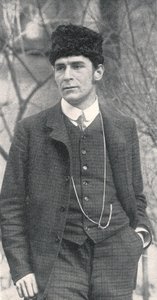
Franz Marc
1880 - 1916 , Deutschland
Kurzinfos
- Beeinflusste Kunstrichtungen: ['Abstrakte Kunst']
- Beeinflusste Künstler: ['Vincent van Gogh']
- Bekannte Werke:
- Der Tiger (1912)
- Rehdamee (1912)
- Turm der blauen Pferde (1913)
- Die Füchse und das Schicksal
- Geburtsdatum: 08. Februar 1880
- Geburtsort: München, Deutschland
- Künstlerische Richtung: Deutscher Expressionismus
- Nationalität: Deutsch
- Todatum: 4. März 1916
- Vollständiger Name: Franz Marc
Ähnliche Artikel

Deutsche Expressionismus Meisterwerke: Die 10 wichtigsten Kunstwerke für Ihr Zuhause
Entdecken Sie die 10 bedeutendsten Werke des Deutschen Expressionismus! Kirchner, Nolde & Co. – ihre Geschichten, Techniken und zeitlose Schönheit. Hochwertige Kunstdrucke auf ArtsDot.com kaufen und Ihr Zuhause mit emotionaler Kunst bereichern. Jetzt entdecken!
Marc Chagalls Meisterwerke: Die Top 25 Kunstwerke für Ihr Zuhause | ArtsDot
Entdecken Sie die Top 25 Kunstwerke von Marc Chagall! Tauchen Sie ein in seine traumhaften Welten, jüdische Motive & expressiven Farben. Hochwertige Kunstreproduktionen auf ArtsDot.com – für Ihr Zuhause.
Die Top 10 Gemälde in Schattierungen von 'Slate Blue': Kunst für Ihr Zuhause
Entdecken Sie die Top 10 Gemälde in faszinierenden 'Slate Blue' Tönen! Von Monet bis Manet – erleben Sie Kunstgeschichte und lassen Sie sich von Meisterwerken inspirieren. Hochwertige Kunstdrucke auf
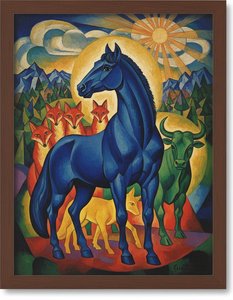
Franz Marc: Expressionismus, Spiritualität und die Tier-Symbolik eines modernen Meisters
Entdecken Sie das faszinierende Werk von Franz Marc! Erfahren Sie mehr über seine spirituelle Kunst, die Tierdarstellungen und seinen Einfluss auf den Expressionismus. Expertenanalyse & Hintergrundinformationen.
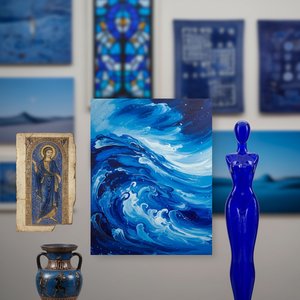
The Allure of Azure: Exploring the Symbolic & Aesthetic Depths of Blue in Art History
Explore the rich history of blue in art! Discover its symbolism, from ancient pigments to modern masterpieces by Kandinsky & Seurat. Uncover the psychological impact and cultural meanings behind this captivating hue.