

 Vorschau anzeigen
 Versenden
 Teilen
 Details anzeigen

 Herunterladen
 Ähnliche Objekte
 Röntgenaufnahme
 Diashow

In a Village, El Biar, Algeria


 Weiterlesen
Handgefertigte Ölreproduktion
Handgemaltes Ölgemälde auf Leinwand in Ihrer Wunschgröße und mit Rahmen, auf Bestellung von unseren Künstlern angefertigt. ( Druck bestellen Bild kaufen)




P118B $10

P118H $10

P118W $10

P438Z $10

P508JH $12

P508YH $12

P805H $10

P805Z $10

P919BZ $10

P919G $10

P919XJ $10

P959ZH $10

P968JZ $12

W106C $8

W218G $10

W218JH $8

W218Y $10

W307PJ $10

W316G $10

W316PJ $8

W316Y $10

W398PJ $8

W4111J $10

W500HY $15

W500JH $15

W692G $12

W849H $8

W940BG $15

W953PJ $8




Wählen Sie aus unseren vordefinierten Formaten, die den ursprünglichen Proportionen des Kunstwerks entsprechen.

Sie können Ihre eigenen Maße eingeben, um einen bestimmten Rahmen oder Platz auszufüllen. Wenn die gewählte Größe nicht den Proportionen des Originalbildes entspricht, werden wir das Kunstwerk entweder beschneiden oder das Gemälde durch zusätzliche, handgemalte Elemente erweitern. Ein digitales Mockup wird Ihnen zur Genehmigung zugesandt, bevor die Produktion beginnt.
Bitte beachten Sie, dass die Bildschirmvorschau nicht die tatsächliche Beschneidung oder Erweiterung widerspiegelt. Nur das Mockup zeigt die endgültige Komposition exakt an.
Obwohl Sondermaße verfügbar sind, empfehlen wir, eine Größe aus der vordefinierten Liste zu wählen, um die ursprünglichen Proportionen beizubehalten.
Nach der Bestellung wird das ArtsDot.com-Team dem Kunden Anweisungen per E-Mail zusenden und eine Mockup-Vorschau bereitstellen.
Weltweiter Versand () in nur 3 bis 4 Wochen statt der üblichen 5 Wochen. (24 August). Keine Kompromisse bei der Qualität.

Kostenloser weltweiter Expressversand

Hochwertige Leinenleinwand

Umfassender Versicherungsschutz beim Versand

Zollgebühren-Rückerstattungsgarantie

Garantie für exakte Farbtreue

60 Tage Rückgaberecht (nur bei Mängeln)

100% Geld-zurück-Garantie

Mengenrabatt verfügbar
 Die Glasoption ist nur für Größen unter 110 cm verfügbar.

In a Village, El Biar, Algeria
Art der Reproduktion
Format der Reproduktion
-


Gesamtpreis
$ 263
Beschreibung des Kunstwerks
A Window into the Serenity of El Biar
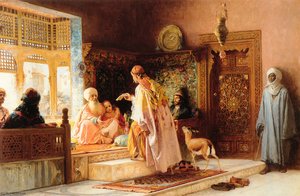
In his 1889 masterpiece, In a Village, El Biar, Algeria, Frederick Arthur Bridgman invites the viewer to step through a portal of time and geography. The canvas unfolds upon a sun-drenched stone patio, where the heat of the North African day seems to soften into a gentle, rhythmic stillness. At the heart of this composition, three women are gathered in an intimate moment of shared connection, their presence anchoring the scene with a profound sense of tranquility. One woman, draped in a vibrant yellow dress that catches the light like a burst of citrus, gazues thoughtfully toward the periphery, while her companions—clad in soft whites and delicate pinks—engage in a quiet, melodic conversation. The arrangement of these figures around a table adorned with a floral vase creates a domestic tableau that feels both deeply personal and universally relatable, capturing the quiet dignity of everyday life.
Bridgman’s technical mastery is on full display through his sophisticated use of oil on canvas, a medium he utilized to weave rich textures and luminous colors into a cohesive narrative. The artist employs a brilliant interplay of light and shadow to define the architectural elements of the Algerian village; the cool shade of an inviting archway provides a striking contrast to the sun-lit patio, drawing the eye deeper into the courtyard where other figures linger in the distance. His brushwork is meticulous, particularly in the intricate patterns of the women's garments and the weathered grain of the stone architecture, yet there remains a painterly fluidity that prevents the detail from feeling static. This balance between academic precision and atmospheric softness allows the viewer to feel the warmth of the sun and the gentle breeze moving through the lush greenery of the potted plants.
The Orientalist Vision and Lasting Legacy
As a prominent figure in the Orientalist movement, Bridgman brought an American sensibility to the academic traditions he refined in Paris under the legendary Jean-Léon Gérôme. This painting serves as more than just a scenic depiction; it is a cultural window into the late 19th-century Maghreb, reflecting the artist's fascination with the exoticism and structural beauty of foreign lands. Through his lens, Algeria is not merely a subject of study but a living, breathing landscape of social harmony and aesthetic splendor. The symbolism of the blooming flowers and the communal gathering suggests themes of fertility, peace, and the enduring strength of community traditions.
For the discerning collector or interior designer, In a Village, El Biar, Algeria offers an unparalleled opportunity to introduce a sense of historical depth and worldly elegance into a living space. The painting’s warm palette and tranquil subject matter make it a versatile centerpiece, capable of anchoring a room with its sophisticated charm. Whether displayed in a sunlit gallery or a quiet study, a high-quality reproduction of this work serves as a continuous conversation piece—a testament to the beauty of human connection and the timeless allure of the Mediterranean spirit. Owning such a piece is not merely about decorating a wall; it is about preserving a fragment of art history that continues to inspire wonder and repose.
Ähnliche Kunstwerke


Über den Künstler
Frühes Leben und Ausbildung
Frederick Arthur Bridgman, ein amerikanischer Künstler, wurde am 10. November 1847 in Tuskegee, Alabama, geboren. Als Sohn eines Arztes war sein frühes Leben von einem starken Fokus auf Bildung geprägt. Er begann seine künstlerische Laufbahn als Zeichner für die American Bank Note Company in New York City (1864-65). Diese Zeit wurde gefolgt von Studien an der Brooklyn Art Association und der National Academy of Design.Pariser Einflüsse
Im Jahr 1866 reiste Bridgman nach Paris, wo er das Atelier von Jean-Léon Gérôme betrat, einem bekannten akademischen Maler. Gérômes Einfluss auf Bridgman war tiefgreifend und prägte seine graphische Darstellung, seinen Detailreichtum und sein Interesse an orientalischen Themen. Diese Zeit markierte den Beginn von Bridgmans Verbindung zu Paris, die sein Hauptquartier werden sollte.Künstlerische Höhepunkte
- The Funeral Procession of a Mummy on the Nile (1877), das im Pariser Salon ausgestellt wurde, brachte Bridgman das Kreuz der Legion d'Honneur ein. Dieses Werk wurde später von James Gordon Bennett Jr. gekauft und schließlich dem Speed Museum in Louisville, Kentucky, gespendet.
- Ein produktiver Künstler umfasst A Street Scene in Algeria, bemerkenswert für seine biographische und historische Bedeutung, mit zwei sitzenden männlichen Figuren in einer intimen häuslichen Umgebung.
Vermächtnis und spätere Jahre
Bridgman pflegte eine lebenslange Verbindung zu Frankreich und genoss gleichzeitig große Beliebtheit in Amerika. Eine Einzelausstellung mit über 400 Bildern in den Galerien der 5th Avenue in New York (1890) und später im Art Institute of Chicago, mit 300 Werken, unterstrich seinen Erfolg.- Betrachten Sie Frederick Arthurs Werke von Bridgman auf ArtsDot
- Erforschen Sie die orientalistische Kunstbewegung und ihren Einfluss auf Künstler des 19. Jahrhunderts.
- Entdecken Sie mehr über Jean-Léon Gérômes Atelier und dessen Einfluss auf die Entwicklung der orientalistischen Kunst.
Bemerkenswerte Werke und Sammlungen
- An American Circus in Normandy
- Procession of the Bull Apis (jetzt in der Corcoran Gallery of Art, Washington, D.C.)
- A Rumanian Lady (in der Temple Collection, Philadelphia, Pennsylvania)
Referenzen
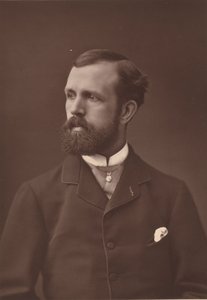
Frederick Arthur Bridgman
1847 - 1928 , Vereinigte Staaten von Amerika
Kurzinfos
- Bemerkenswerte Werke:
- The Funeral Procession of a Mummy
- A Street Scene in Algeria
- An American Circus in Normandy
- Einflussreiche Künstler: ['Jean-Léon Gérôme']
- Geburtsdatum: 10. November 1847
- Geburtsort: Tuskegee, USA
- Künstlerische Richtung: Orientalismus, Akademismus
- Nationalität: Amerikanisch
- Sterbedatum: 1928
- Vollständiger Name: Frederick Arthur Bridgman
Ähnliche Artikel

The Enduring Legacy of Oil on Canvas: Technique, History & Aesthetic Impact
Explore the rich history & techniques of oil painting – from Renaissance masters to Impressionism. Discover pigments, layering methods, and why this timeless medium endures. Expert insights for artists & art enthusiasts.

The Enduring Power of Painting: A Historical & Contemporary Exploration of Form and Emotion
Explore the rich history & enduring techniques of oil painting with ArtsDot. Discover masterpieces, learn about art collecting, and find authentic handmade reproductions crafted by skilled artists.

Öl auf Leinwand: Eine historische und technische Erkundung eines zeitlosen künstlerischen Mediums
Entdecken Sie die faszinierende Welt der Ölmalerei! Von historischen Techniken bis zur modernen Anwendung – wir bieten Expertenwissen, Restaurierungstipps und hochwertige Reproduktionen. Jetzt informieren!
The Enduring Muse: Women as Subject & Symbol in Art History
Explore the rich history of women in art – from iconic muses to groundbreaking artists. Discover feminist movements, global perspectives & reclaim female narratives with ArtsDot.
Portrayals of Power & Perception: A Historical Survey of Women in Art
Explore the rich history of women in art – from iconic muses to groundbreaking artists. Discover feminist movements & reclaim female narratives with ArtsDot. Expert insights for discerning collectors.

