

 Vorschau anzeigen
 Versenden
 Teilen
 Details anzeigen

 Herunterladen
 Ähnliche Objekte
 Röntgenaufnahme
 Diashow
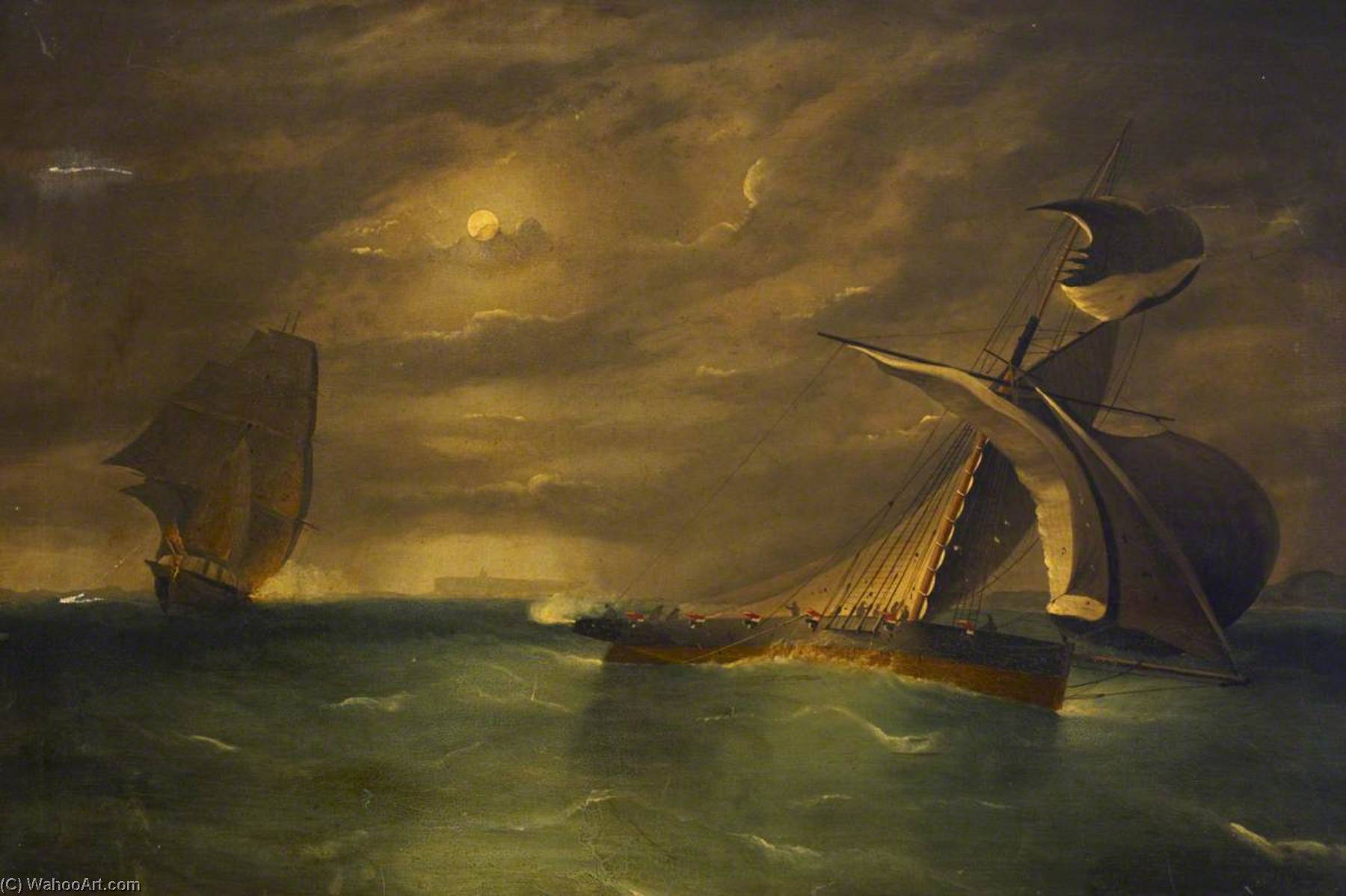
A Frigate Chasing a Smuggling Cutter
 1875
1875 46.0 x 91.0 cm
 Weiterlesen
Giclée / Kunstdruck
Giclée- oder Leinwanddruck in Museumsqualität mit schneller Produktion und flexiblen Veredelungsoptionen. ( Handgemalte Reproduktion bestellen Bild kaufen)




































Wählen Sie aus unseren vordefinierten Formaten, die den ursprünglichen Proportionen des Kunstwerks entsprechen.

Sie können Ihre eigenen Maße eingeben, um ein bestimmtes Format oder einen speziellen Platz einzupassen. Wenn das von Ihnen gewählte Format nicht den Proportionen des Originalbildes entspricht, werden wir das Kunstwerk entweder beschneiden oder das Bild mit einem gespiegelten oder einfarbigen Rand erweitern. Ein digitaler Entwurf wird Ihnen zur Genehmigung zugesandt, bevor die Produktion beginnt.
Bitte beachten Sie, dass die Vorschau auf dem Bildschirm nicht den tatsächlichen Zuschnitt oder die Erweiterung widerspiegelt. Nur der Entwurf zeigt die endgültige Komposition präzise an.
Obwohl Sondermaße verfügbar sind, empfehlen wir die Auswahl eines Maßes aus der vordefinierten Liste, um die ursprünglichen Proportionen zu bewahren.
Weltweiter Versand () innerhalb von 2 Wochen statt der üblichen 4/5 Wochen. (24 August)

Kostenloser weltweiter Expressversand

Hochwertige Leinenleinwand

Umfassender Versicherungsschutz beim Versand

Zollgebühren-Rückerstattungsgarantie

Garantie für exakte Farbtreue

60 Tage Rückgaberecht (nur bei Mängeln)

100% Geld-zurück-Garantie

Mengenrabatt verfügbar
 Die Glasoption ist nur für Größen unter 110 cm verfügbar.

A Frigate Chasing a Smuggling Cutter
Giclée / Kunstdruck
Format der Reproduktion
-


Gesamtpreis
$ 62
Ähnliche Kunstwerke










Über den Künstler
Frederick J. Tudgay: A Chronicle of the Seas
The maritime world of 19th-century Britain was a dynamic and vital one, fueled by trade, exploration, and a deep-seated fascination with the sea. Within this vibrant landscape emerged Frederick J. Tudgay (1841–1921), an artist whose meticulous depictions of Blackwall frigates, naval life, and historical shipping events have secured his place as a significant figure in British marine painting. More than simply recorders of vessels, Tudgays’ works offer intimate glimpses into a bygone era – a time of billowing sails, intricate rigging, and the ever-present drama of ocean voyages.
Tudgay's artistic journey began within a family steeped in seafaring tradition. Born in Limehouse, London—a bustling port district—he was immersed from an early age in the sights, sounds, and smells of maritime activity. His father, John Lashbrook Tudgay, was already established as a respected marine artist, and young Frederick’s training likely commenced within the family studio, a common practice for artists specializing in ship portraits. This familial apprenticeship wasn't merely about mastering brushstrokes; it encompassed an understanding of shipbuilding techniques, naval terminology, and the practical realities of life aboard a sailing vessel. The Tudgays’ workshop, situated near the docks, provided unparalleled access to a constant stream of ships – from grand East Indiamen to swift tea clippers – each offering a potential subject for their artistic endeavors.
The collaboration between Frederick and his father is a defining characteristic of their work. Many paintings bear the signature “J & F Tudgay,” indicating a shared creative process, particularly during the period following John’s death around 1865. Their most celebrated collaborative piece, "The Collision of the Palestine and the Progress" (1861), exemplifies their combined skill in capturing dramatic maritime events. The painting vividly portrays the chaos and intensity of a collision between two ships off the coast of Kent, meticulously detailing the damage to both vessels, the frantic efforts of rescue crews, and the turbulent sea conditions. Such works weren’t simply artistic representations; they often served as historical records commissioned by those involved or insurers, providing accurate depictions for insurance claims and serving as poignant reminders of the perils inherent in seafaring life.
The Tudgay Style: Precision and Detail
Frederick Tudgay's artistic style is immediately recognizable for its remarkable precision and attention to detail. Unlike looser, more impressionistic approaches prevalent at the time, Tudgays’ paintings are characterized by a rigorously observed realism. He meticulously rendered every element – from the intricate patterns of rigging to the subtle nuances of light reflecting off the water – creating images that feel remarkably authentic and immersive. This commitment to accuracy wasn't merely aesthetic; it reflected a deep understanding of maritime practices and a desire to faithfully document the ships and sailors of his era.
His paintings frequently adopt the “ship portrait” format, presenting vessels side-on—a technique that allowed him to showcase their full grandeur and complexity. However, Tudgays also produced dynamic scenes depicting ships battling storms or navigating busy waterways, demonstrating a versatility in composition and subject matter. A key element of his style is his masterful use of color – he employed subtle gradations of tone and hue to create a sense of depth and atmosphere, capturing the shifting light and shadows on the water’s surface with remarkable skill.
A Legacy of Maritime Portraits
Throughout the latter half of the 19th century, Tudgay continued to work as an independent artist, refining his technique and establishing himself as a leading figure in the field of maritime painting. His output spanned several decades, witnessing the gradual transition from sail to steam and the evolving design of naval vessels. His paintings are often signed “F. Tudgay,” reflecting his growing independence while retaining the hallmarks of his family’s established style.
Frederick J. Tudgay's legacy extends beyond his individual works; he represents a crucial link in the chain of British marine artists who documented the era of sail and shaped our understanding of maritime history. His meticulous depictions provide invaluable insights into shipbuilding, naval life, and the cultural significance of the sea – offering a tangible connection to a time when ships were not merely vessels but symbols of power, trade, and exploration.
Connections to Jock Willis Shipping Line
Tudgay’s artistic career was inextricably linked with the prominent Jock Willis Shipping Line, one of the most successful nineteenth-century London-based shipowning firms. The company commissioned numerous portraits of its vessels, providing Tudgay and his father with a steady stream of work and invaluable experience. The Tudgays' detailed renderings were highly valued by shipowners who sought accurate representations of their prized ships – a testament to their skill and reputation within the maritime community.
Specifically, the collaboration on “The Collision of the Palestine and the Progress” highlights this connection. The painting itself served as a record of a significant event involving one of Willis’ vessels, demonstrating the practical value of Tudgay's work for the company. Furthermore, the Tudgays’ involvement with the Jock Willis Shipping Line offered them access to a wealth of information about ship design, construction, and maritime practices – knowledge that undoubtedly informed their artistic output.
Historical Context and Significance
Frederick J. Tudgay's work is firmly rooted in the historical context of 19th-century Britain—an era defined by its dominance at sea. The rise of the British Empire was inextricably linked to maritime power, and ships played a central role in facilitating trade, projecting influence, and expanding knowledge. Tudgays’ paintings capture this dynamic period with remarkable fidelity, offering a visual record of a time when the seas were the arteries of global commerce and exploration.
His art reflects not only the technological advancements of the era—such as the increasing size and sophistication of sailing vessels—but also the evolving social attitudes towards the sea. The depiction of sailors in his paintings reveals both the hardships and the camaraderie inherent in seafaring life, while the grandeur of the ships themselves symbolizes the wealth and power of the British Empire. Tudgay’s work remains a valuable historical resource, providing insights into a pivotal period in British history and offering a lasting tribute to the men and vessels that shaped its maritime destiny.
frederick j tudgay
1841 - 1921
Kurzinfos
- Artistic Movement Or Style: Maritime painting
- Artists Or Movements Influenced By This Artist: ['British marine painting']
- Artists Who Influenced This Artist: ['John Tudgay (father)']
- Date Of Birth: 1841
- Date Of Death: 1921
- Full Name: Frederick J Tudgay
- Nationality: British
- Notable Artworks:
- The Collision of the Palestine
- Blackwall Frigates
- Naval Life Scenes
- Place Of Birth: Limehouse, London

