

 Vorschau anzeigen
 Versenden
 Teilen
 Details anzeigen

 Herunterladen
 Ähnliche Objekte
 Röntgenaufnahme
 Diashow
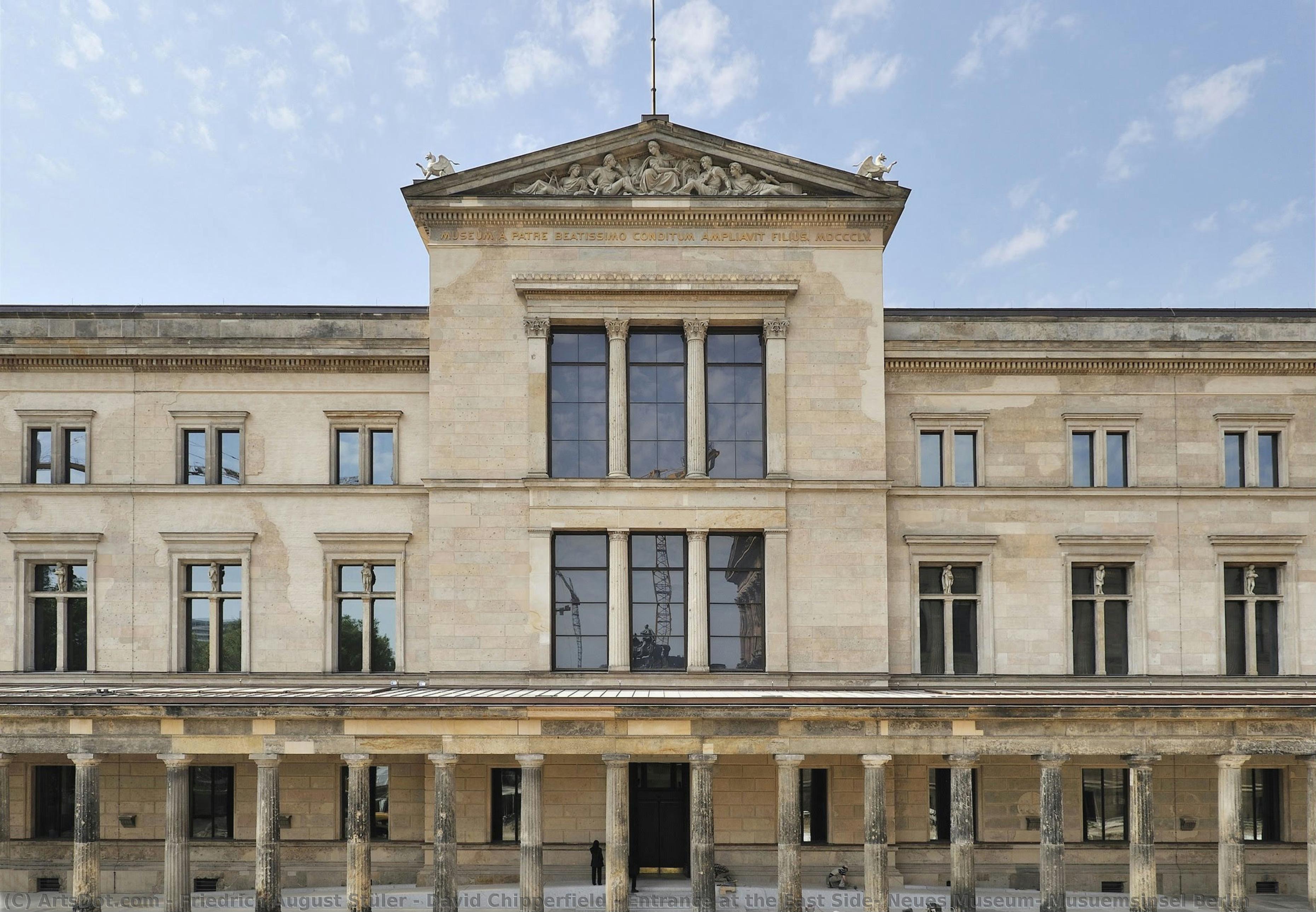
Entrance at the East Side, Neues Museum, Musuemsinsel Berlin


 Weiterlesen
Giclée / Kunstdruck
Giclée- oder Leinwanddruck in Museumsqualität mit schneller Produktion und flexiblen Veredelungsoptionen. ( Handgemalte Reproduktion bestellen Bild kaufen)




P118B $10

P118H $10

P118W $10

P438Z $10

P508JH $12

P508YH $12

P805H $10

P805Z $10

P919BZ $10

P919G $10

P919XJ $10

P959ZH $10

P968JZ $12

W106C $8

W218G $10

W218JH $8

W218Y $10

W307PJ $10

W316G $10

W316PJ $8

W316Y $10

W398PJ $8

W4111J $10

W500HY $15

W500JH $15

W692G $12

W849H $8

W940BG $15

W953PJ $8




Wählen Sie aus unseren vordefinierten Formaten, die den ursprünglichen Proportionen des Kunstwerks entsprechen.

Sie können Ihre eigenen Maße eingeben, um ein bestimmtes Format oder einen speziellen Platz einzupassen. Wenn das von Ihnen gewählte Format nicht den Proportionen des Originalbildes entspricht, werden wir das Kunstwerk entweder beschneiden oder das Bild mit einem gespiegelten oder einfarbigen Rand erweitern. Ein digitaler Entwurf wird Ihnen zur Genehmigung zugesandt, bevor die Produktion beginnt.
Bitte beachten Sie, dass die Vorschau auf dem Bildschirm nicht den tatsächlichen Zuschnitt oder die Erweiterung widerspiegelt. Nur der Entwurf zeigt die endgültige Komposition präzise an.
Obwohl Sondermaße verfügbar sind, empfehlen wir die Auswahl eines Maßes aus der vordefinierten Liste, um die ursprünglichen Proportionen zu bewahren.
Weltweiter Versand () innerhalb von 2 Wochen statt der üblichen 4/5 Wochen. (4 September)

Kostenloser weltweiter Expressversand

Hochwertige Leinenleinwand

Umfassender Versicherungsschutz beim Versand

Zollgebühren-Rückerstattungsgarantie

Garantie für exakte Farbtreue

60 Tage Rückgaberecht (nur bei Mängeln)

100% Geld-zurück-Garantie

Mengenrabatt verfügbar
 Die Glasoption ist nur für Größen unter 110 cm verfügbar.

Entrance at the East Side, Neues Museum, Musuemsinsel Berlin
Giclée / Kunstdruck
Format der Reproduktion
-


Gesamtpreis
$ 62
A Dialogue of Eras: The Architectural Majesty of the Neues Museum
In the heart of Berlin’s Museum Island, where history breathes through stone and mortar, stands a structure that serves as a profound testament to resilience and architectural evolution. The painting Entrance at the East Side, Neues Museum, Museumsinsel Berlin captures more than just a facade; it captures a dialogue between two centuries. Through a masterful depiction of light and form, the artwork invites the viewer to witness the intersection of Friedrich August Stüler’s nineteenth-century Neoclassical grandeur and David Chipperfield’s contemporary, minimalist restoration. The composition centers on the imposing presence of the building's exterior, where the rhythmic placement of windows and the stately columns create a sense of permanence and monumental grace.
The visual narrative is anchored by the striking verticality of the clock tower, which pierces the skyline like a sentinel of time itself. As the eye wanders across the painted surface, one notices the intricate interplay of shadows dancing upon the classical columns, suggesting a late afternoon sun that bathes the stone in a warm, nostalgic glow. This technique does not merely replicate a photograph; it elevates the architecture into a romanticized vision of Berlin’s cultural soul. The presence of smaller structures in the background provides a necessary depth, creating a layered perspective that guides the viewer from the immediate, tactile details of the entrance toward the broader, atmospheric expanse of the city's historic landscape.
The Art of Restoration and Symbolic Continuity
To contemplate this piece is to engage with the very concept of architectural rebirth. The subject matter carries a heavy symbolic weight, representing the triumph of preservation over destruction. Having survived the devastating scars of World War II, the Neues Museum underwent a meticulous transformation led by David Chipperfield, whose work seamlessly integrated the wounded, historic fabric of Stüler’s original design with modern, clean-lined interventions. The painting captures this delicate balance—the way the old world's ornate Renaissance Revival flourishes coexist with the quiet, understated strength of modernism. It is a celebration of continuity, suggesting that while structures may be broken, their essence can be reclaimed and reimagined.
For the discerning collector or interior designer, this artwork offers a sophisticated focal point that transcends mere decoration. The piece possesses an inherent dignity, making it an ideal addition to spaces that value intellectual depth and historical resonance. Whether placed in a grand library, a contemporary gallery, or a refined residential salon, the painting brings with it an aura of cultured stability. It serves as a conversation starter about the endurance of beauty and the profound impact of human craftsmanship. Owning a high-quality reproduction of this scene is not simply about acquiring an image of a building; it is about inviting the timeless spirit of Berlin’s architectural heritage into one's personal environment.
Ähnliche Kunstwerke
Ähnliche Artikel
Meisterwerke Berlins: Die Top 25 Kunstwerke der Staatlichen Museen | ArtsDot
Entdecken Sie die 25 bedeutendsten Kunstwerke der Staatlichen Museen Berlin! Von Nefertiti bis zur Romantik – erfahren Sie faszinierende Geschichten über Künstler, Stile & Techniken. Kunstreproduktionen in Museumsqualiät auf ArtsDot.com.
Neoklassizismus: Die 10 Meisterwerke, die eine Epoche prägten – Kunst für Ihr Zuhause
Entdecken Sie die 10 prägendsten Meisterwerke des Neoklassizismus! Von David bis Canova – erfahren Sie die Geschichten hinter ikonischen Gemälden & Skulpturen. Finden Sie hochwertige Reproduktionen für Ihr Zuhause auf

The Revival of Antiquity: Exploring Neoclassical Art's Ideals & Enduring Legacy
Explore the revival of classical ideals in Neoclassical art! Discover Jacques-Louis David & the movement's impact on painting, sculpture & architecture. Expert insights & high-quality reproductions at ArtsDot.
The Revival of Antiquity: Exploring the Neoclassical Movement & its Enduring Legacy
Explore the revival of classical art with our deep dive into Neoclassicism! Discover key artists like Jacques-Louis David, Enlightenment influences & lasting impact on art history. High-quality reproductions at ArtsDot.
The Enduring Legacy of Neoclassical Art: Order, Reason & Antiquity's Revival
Explore the enduring legacy of Neoclassical art! Discover masterpieces by David, Girodet & Garnier. Expert analysis, custom reproductions & art appraisal at ArtsDot.

