

 Vorschau anzeigen
 Versenden
 Teilen
 Details anzeigen

 Herunterladen
 Ähnliche Objekte
 Röntgenaufnahme
 Diashow
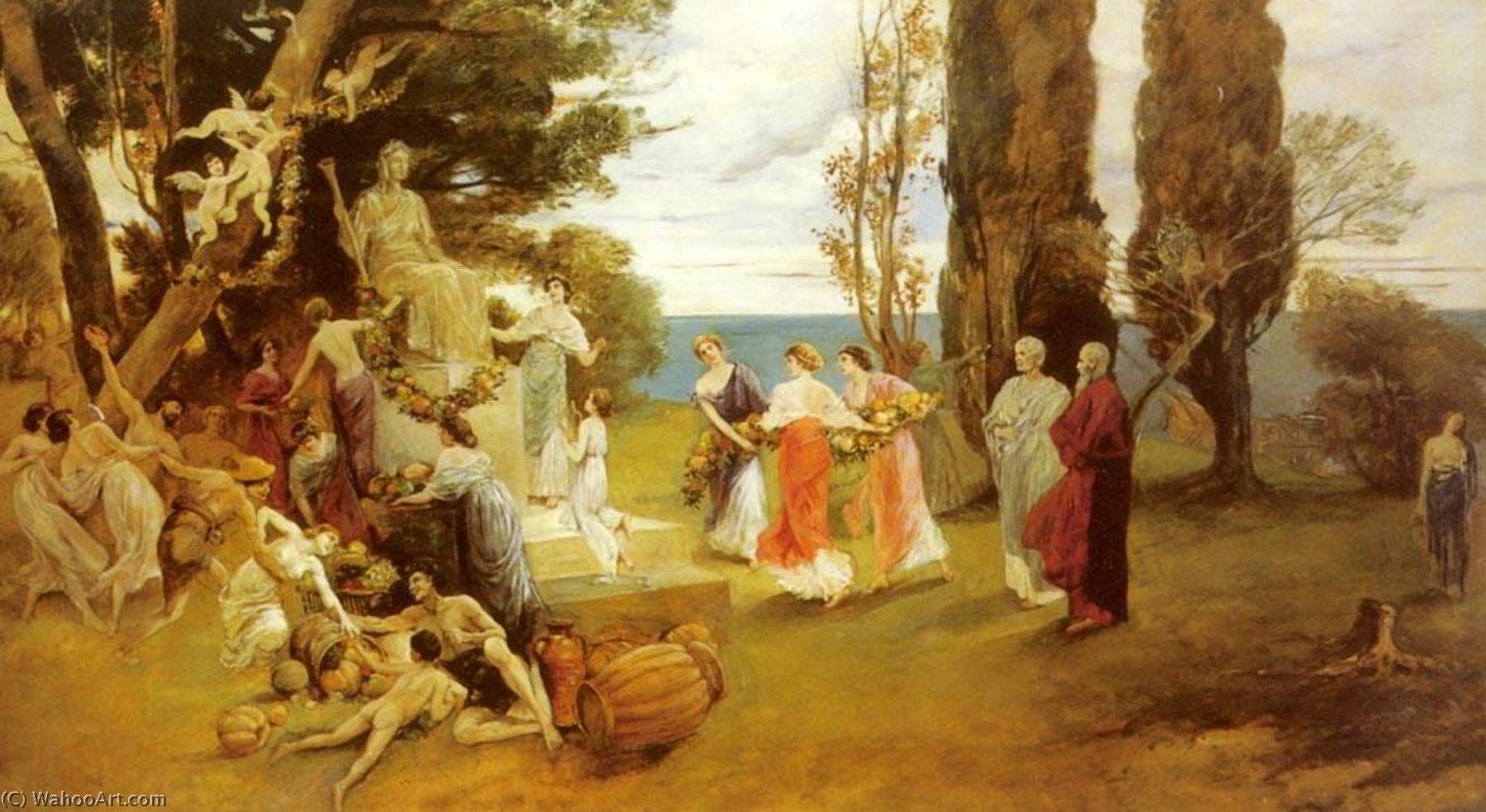
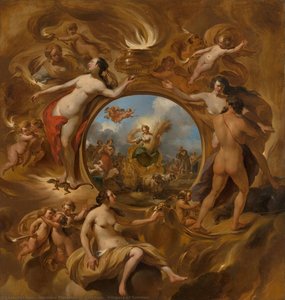
In Arcadia

 Weiterlesen
Handgefertigte Ölreproduktion
Handgemaltes Ölgemälde auf Leinwand in Ihrer Wunschgröße und mit Rahmen, auf Bestellung von unseren Künstlern angefertigt. ( Druck bestellen Bild kaufen)




































Wählen Sie aus unseren vordefinierten Formaten, die den ursprünglichen Proportionen des Kunstwerks entsprechen.

Sie können Ihre eigenen Maße eingeben, um einen bestimmten Rahmen oder Platz auszufüllen. Wenn die gewählte Größe nicht den Proportionen des Originalbildes entspricht, werden wir das Kunstwerk entweder beschneiden oder das Gemälde durch zusätzliche, handgemalte Elemente erweitern. Ein digitales Mockup wird Ihnen zur Genehmigung zugesandt, bevor die Produktion beginnt.
Bitte beachten Sie, dass die Bildschirmvorschau nicht die tatsächliche Beschneidung oder Erweiterung widerspiegelt. Nur das Mockup zeigt die endgültige Komposition exakt an.
Obwohl Sondermaße verfügbar sind, empfehlen wir, eine Größe aus der vordefinierten Liste zu wählen, um die ursprünglichen Proportionen beizubehalten.
Nach der Bestellung wird das ArtsDot.com-Team dem Kunden Anweisungen per E-Mail zusenden und eine Mockup-Vorschau bereitstellen.
Weltweiter Versand () in nur 3 bis 4 Wochen statt der üblichen 5 Wochen. (3 September). Keine Kompromisse bei der Qualität.

Kostenloser weltweiter Expressversand

Hochwertige Leinenleinwand

Umfassender Versicherungsschutz beim Versand

Zollgebühren-Rückerstattungsgarantie

Garantie für exakte Farbtreue

60 Tage Rückgaberecht (nur bei Mängeln)

100% Geld-zurück-Garantie

Mengenrabatt verfügbar
 Die Glasoption ist nur für Größen unter 110 cm verfügbar.

In Arcadia
Art der Reproduktion
Format der Reproduktion
-


Gesamtpreis
$ 388
Ähnliche Kunstwerke

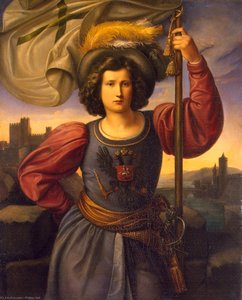
Über den Künstler
Friedrich August von Kaulbach: The Painter Prince of Viennese Elegance
Friedrich August von Kaulbach (1850-1920) stands as one of the most celebrated figures within the “Painter Princes,” a group of German artists who achieved international renown during the Austro-Hungarian Empire’s golden age. His canvases, particularly his portraits of aristocratic families and society luminaries, continue to captivate audiences with their meticulous detail and profound psychological insight—a testament to his unwavering dedication to mastering the techniques of Old Masters like Hans Holbein the Younger. Born in Hannover, Germany, Kaulbach's artistic journey began under the tutelage of his father, Theodor Friedrich Wilhelm Christian Kaulbach, a court painter who instilled in him a deep appreciation for classical aesthetics and compositional rigor. This formative influence would shape Kaulbach’s entire oeuvre.Early Training and Artistic Influences
Kaulbach's formal artistic education commenced at the Kunstgewerbeschule Nürnberg (Nuremberg School of Arts and Crafts), a precursor institution to the Academy of Fine Arts, Nuremberg—a breeding ground for talent and innovation during its time. Recognizing Holbein’s masterful command of chiaroscuro and anatomical accuracy, Kaulbach deliberately sought to emulate his style, striving to achieve similar levels of realism and expressive power. This ambition fueled his relentless pursuit of artistic excellence and cemented his commitment to upholding the highest standards of craftsmanship. He meticulously studied Holbein's compositions and lighting effects, absorbing the lessons of a master who prioritized both visual fidelity and emotional resonance.A Portraitist’s Vision: Capturing Character and Dignity
Kaulbach’s artistic reputation rests primarily on his prolific output of portraits—a genre he approached with unwavering seriousness and sensitivity. Unlike many contemporaries who prioritized decorative embellishment, Kaulbach focused intently on conveying the inner life of his subjects, capturing their personalities and embodying their dignity. His canvases are characterized by a remarkable ability to portray not merely physical likeness but also psychological nuance—revealing subtle expressions of emotion and conveying an awareness of social context. This meticulous attention to detail distinguishes him from lesser artists and elevates his portraits to enduring monuments of human experience. He believed that true artistry lay in capturing the essence of a person’s character, striving to convey their inner thoughts and feelings with unwavering honesty.Notable Works and Recognition
Among Kaulbach’s most iconic paintings are “Italian Garden” and “Untitled,” both masterpieces that exemplify his stylistic prowess and technical mastery. These works showcase his exceptional skill in rendering light, texture, and color—elements he skillfully manipulated to create atmospheric landscapes and portraits alike. His artistic achievements garnered considerable acclaim during his lifetime, securing him a place among the leading artists of his era and establishing him as an enduring figure within German art history. He was recognized for his ability to transform ordinary subjects into extraordinary representations of human emotion and intellect.Legacy and Historical Significance
Friedrich August von Kaulbach’s influence extends far beyond his own time. He served as Director of the Kunstakademie Düsseldorf from 1908 until his death in 1920, shaping the artistic sensibilities of a generation of aspiring painters. His unwavering dedication to classical principles and his profound understanding of human psychology continue to inspire artists today—a testament to the enduring power of his vision and the timeless beauty of his art. He remains an exemplar of German portraiture and a symbol of Viennese aristocratic culture during the Belle Époque, demonstrating that artistic excellence transcends temporal boundaries.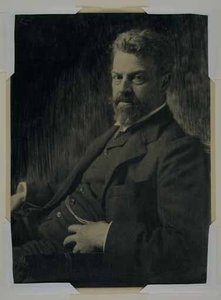
Friedrich August von Kaulbach
1850 - 1920 , Deutschland
Kurzinfos
- Artistic Movement Or Style: Painter Princes
- Artists Who Influenced This Artist: ['Hans Holbein']
- Date Of Birth: 2. Juni 1850
- Date Of Death: 26. Juli 1920
- Full Name: Friedrich August von Kaulbach
- Nationality: Deutsch
- Notable Artworks:
- Italian Garden
- Untitled (AQR7M2)
- Place Of Birth: Hannover, Deutschland
Ähnliche Artikel
The Enduring Legacy of Classicism: Principles, Evolution & Influence in Western Art
Explore the enduring legacy of Classicism in Western art! Discover its historical context, key principles, iconic masterpieces & lasting influence. Learn about Renaissance and Neoclassical movements with ArtsDot.

The Enduring Legacy of Oil on Canvas: Technique, History & Aesthetic Impact
Explore the rich history & techniques of oil painting – from Renaissance masters to Impressionism. Discover pigments, layering methods, and why this timeless medium endures. Expert insights for artists & art enthusiasts.

Öl auf Leinwand: Eine historische und technische Erkundung eines zeitlosen künstlerischen Mediums
Entdecken Sie die faszinierende Welt der Ölmalerei! Von historischen Techniken bis zur modernen Anwendung – wir bieten Expertenwissen, Restaurierungstipps und hochwertige Reproduktionen. Jetzt informieren!
Romantic Realism's Finest: 10 Masterpieces for Your Home | ArtsDot
Explore 10 defining masterpieces of Romantic Realism! Discover Courbet, Millet & Daumier's powerful paintings—capturing emotion and social realities. Find museum-quality reproductions for your home at ArtsDot.com.
Timeless Elegance: The Ultimate Buyer's Guide to Choosing Classical Portraits for Sophisticated Interiors
Discover how to select the perfect classical portrait for your home. Our expert guide explores matching art styles to interiors, choosing between hand-painted oils and Giclée prints, and transforming personal photos into timeless masterpieces with professional artistry.

