

 Vorschau anzeigen
 Versenden
 Teilen
 Details anzeigen

 Herunterladen
 Ähnliche Objekte
 Röntgenaufnahme
 Diashow
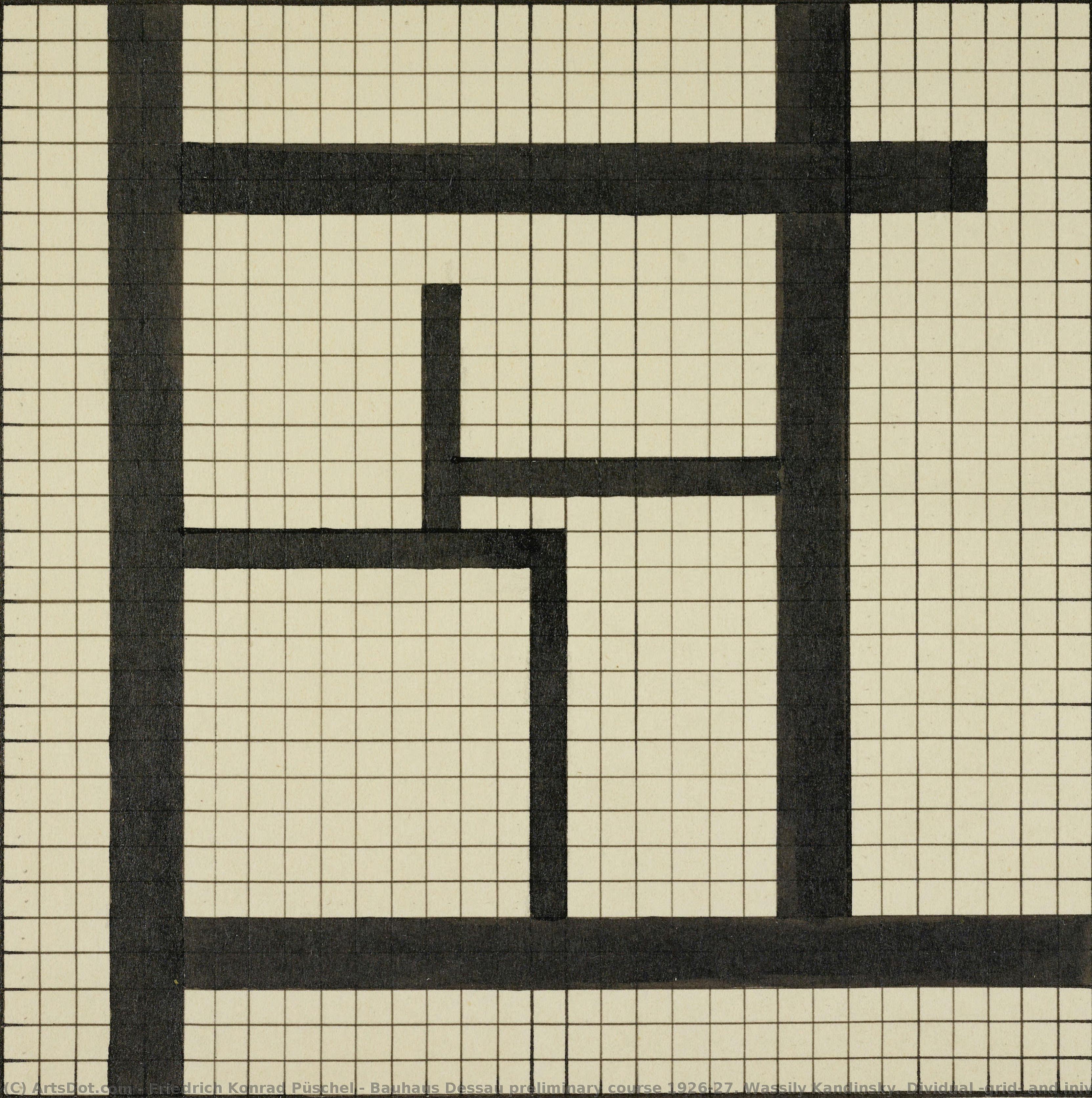
Bauhaus Dessau preliminary course 1926/27. Wassily Kandinsky. Dividual (grid) and inividual (black) design of the square
 Acrylic On Canvas
- WallArt
- Bauhaus Modernism
 1926
1926 21.0 x 29.0 cm
 Bauhaus Dessau Foundation
 Weiterlesen
Handgefertigte Ölreproduktion
Handgemaltes Ölgemälde auf Leinwand in Ihrer Wunschgröße und mit Rahmen, auf Bestellung von unseren Künstlern angefertigt. ( Druck bestellen Bild kaufen)




P118B $10

P118H $10

P118W $10

P438Z $10

P508JH $12

P508YH $12

P805H $10

P805Z $10

P919BZ $10

P919G $10

P919XJ $10

P959ZH $10

P968JZ $12

W106C $8

W218G $10

W218JH $8

W218Y $10

W307PJ $10

W316G $10

W316PJ $8

W316Y $10

W398PJ $8

W4111J $10

W500HY $15

W500JH $15

W692G $12

W849H $8

W940BG $15

W953PJ $8




Wählen Sie aus unseren vordefinierten Formaten, die den ursprünglichen Proportionen des Kunstwerks entsprechen.

Sie können Ihre eigenen Maße eingeben, um einen bestimmten Rahmen oder Platz auszufüllen. Wenn die gewählte Größe nicht den Proportionen des Originalbildes entspricht, werden wir das Kunstwerk entweder beschneiden oder das Gemälde durch zusätzliche, handgemalte Elemente erweitern. Ein digitales Mockup wird Ihnen zur Genehmigung zugesandt, bevor die Produktion beginnt.
Bitte beachten Sie, dass die Bildschirmvorschau nicht die tatsächliche Beschneidung oder Erweiterung widerspiegelt. Nur das Mockup zeigt die endgültige Komposition exakt an.
Obwohl Sondermaße verfügbar sind, empfehlen wir, eine Größe aus der vordefinierten Liste zu wählen, um die ursprünglichen Proportionen beizubehalten.
Nach der Bestellung wird das ArtsDot.com-Team dem Kunden Anweisungen per E-Mail zusenden und eine Mockup-Vorschau bereitstellen.
Weltweiter Versand () in nur 3 bis 4 Wochen statt der üblichen 5 Wochen. (23 August). Keine Kompromisse bei der Qualität.

Kostenloser weltweiter Expressversand

Hochwertige Leinenleinwand

Umfassender Versicherungsschutz beim Versand

Zollgebühren-Rückerstattungsgarantie

Garantie für exakte Farbtreue

60 Tage Rückgaberecht (nur bei Mängeln)

100% Geld-zurück-Garantie

Mengenrabatt verfügbar
 Die Glasoption ist nur für Größen unter 110 cm verfügbar.

Bauhaus Dessau preliminary course 1926/27. Wassily Kandinsky. Dividual (grid) and inividual (black) design of the square
Art der Reproduktion
Format der Reproduktion
-


Gesamtpreis
$ 263
Beschreibung des Kunstwerks
Bauhaus Dessau Preliminary Course 1926/27: A Grid of Ideas – Exploring Konrad Püschel’s Vision
The artwork "Bauhaus Dessau preliminary course 1926/27. Wassily Kandinsky" by Friedrich Konrad Püschel stands as a testament to the formative years of Bauhaus, Germany's revolutionary design school founded in 1919. Created in 1926 and housed at the Bauhaus Dessau Foundation in Dessau-Roßlau, this painting transcends mere visual representation; it embodies the core principles of the movement – simplification, functionality, and the exploration of abstract forms inspired by Kandinsky’s pioneering theories of color and spirituality. Measuring 21 x 29 cm, executed with ink on paper, Püschel's piece isn’t simply a depiction of a classroom setting; it’s an articulation of Bauhaus’s intellectual ambition.The Grid as Symbol: Structure and Harmony
At first glance, the painting presents a deceptively simple composition – a grid pattern overlaid upon a predominantly white background punctuated by strategically placed black squares. However, this seemingly straightforward arrangement holds profound symbolic significance. The grid itself represents order, rationality, and the Bauhaus ethos of disciplined design. It mirrors the architectural plans of Dessau’s iconic building designed by Walter Gropius, reflecting the school's commitment to constructing a new visual language rooted in geometric precision. As Kandinsky himself championed, grids can facilitate harmonious relationships between elements, guiding the eye towards balance and clarity – mirroring the Bauhaus aspiration for creating spaces that foster creativity and intellectual engagement.Technique and Materiality: Ink on Paper - A Delicate Balance
Püschel’s masterful technique utilizes ink on paper to achieve remarkable tonal subtlety. The artist skillfully employs varying shades of black, meticulously crafted to create a textured surface that captures the nuances of light and shadow. This deliberate choice contributes to the painting's contemplative mood and underscores the importance of tactile experience within Bauhaus aesthetics. Unlike more flamboyant artistic expressions of the era, Püschel’s approach prioritizes understated elegance, reflecting Bauhaus’s belief in functionality informing form—a core tenet that extends beyond architectural considerations into visual art. The paper substrate itself is chosen with care, providing a neutral backdrop against which the black squares can powerfully communicate their geometric essence.Historical Context: Kandinsky's Influence and Bauhaus Ideals
The painting’s genesis lies firmly within the intellectual ferment of the Weimar Republic and the burgeoning influence of Wassily Kandinsky’s groundbreaking explorations into synesthesia – the blending of senses, particularly sight and sound. Kandinsky’s theories argued that colors possessed inherent vibrational qualities capable of evoking emotional responses akin to musical notes. Püschel sought to translate this concept visually, demonstrating how geometric forms could convey spiritual ideas through color relationships. This reflects Bauhaus's broader ambition to liberate art from traditional representational constraints and embrace abstraction as a vehicle for expressing universal truths—a bold stance that positioned Bauhaus at the forefront of European artistic innovation during its formative years.Emotional Resonance: Quiet Contemplation and Intellectual Stimulation
Ultimately, “Bauhaus Dessau preliminary course 1926/27” invites viewers into a state of quiet contemplation. The stark contrast between black and white encourages introspection, prompting consideration of the grid’s symbolic power and Kandinsky's conceptual framework. More than just an aesthetic exercise, it represents Bauhaus’s conviction that art could inspire intellectual curiosity and contribute to shaping human consciousness—a legacy that continues to resonate within contemporary design discourse. It serves as a poignant reminder of the movement’s enduring commitment to exploring the intersection between form, function, and profound artistic expression.Ähnliche Kunstwerke
Über den Künstler
Frühes Leben und Ausbildung
Friedrich Konrad Püschel, ein deutscher Architekt, Stadtplaner und Universitätsprofessor, wurde 1907 in Dessau, Deutschland, geboren. Er besuchte die renommierte Bauhaus-Designschule, wo er seine Fähigkeiten in Architektur und Design meisterhaft verfeinerte.Höhepunkte seiner Karriere
Püschels glanzvolle Karriere erstreckte sich über Ostdeutschland, die Sowjetunion und Nordkorea. Als Universitätsprofessor gab er sein Fachwissen an zahlreiche Studenten weiter und prägte so die Köpfe zukünftiger Architekten und Designer. Seine Arbeit in der Stadtplanung und Architektur hinterließ einen unvergesslichen Eindruck in den Ländern, in denen er tätig war.Bemerkenswerte Beiträge
- Das Museum, ehemals Sammlung Bernhard Koehler (Berlin, Deutschland): Püschels Werk wurde von verschiedenen Kunstsammlungen beeinflusst, darunter dieses renommierte Museum. Obwohl viele seiner Kunstwerke während des Zweiten Weltkriegs verloren gingen oder zerstört wurden, können einige der überlebenden Stücke in Museen weltweit gefunden werden.
- Kunsthaus Buhler Stuttgart, Deutschland: Als prominente Figur in der Welt der Architektur wurde Püschels Arbeit höchstwahrscheinlich von diesem geschätzten Kunstmuseum beeinflusst. Das Kunsthaus Buhler besticht durch eine beeindruckende Sammlung deutscher und französischer Kunst vom 19. Jahrhundert bis zur Gegenwart.
- Unter den Linden, Berlin, Deutschland: Als bedeutender Architekt könnte Püschel an Projekten an diesem historischen Boulevard gearbeitet haben, der Heimat mehrerer weltberühmter Museen ist. Seine Beiträge zur Architektur der Stadt sind ein Zeugnis seines Könnens und seiner Hingabe.
Vermächtnis
Friedrich Konrad Püschel verstarb 1997 und hinterließ ein Erbe aus innovativen architektonischen Entwürfen sowie einen bleibenden Einfluss auf die Welt der Kunst und des Designs. Sein Werk inspiriert weiterhin neue Generationen von Architekten, Stadtplanern und Universitätsprofessoren. Weitere Kunstwerke von Friedrich Konrad Püschel finden Sie unter https://ArtsDot.com/@/friedrich-konrad-puschel- Entdecken Sie das Museum, ehemals Sammlung Bernhard Koehler (Berlin, Deutschland) und seine Bedeutung in der Kunstwelt: /de/art/show/art-d3bmnh-de/
- Erkunden Sie das Kunsthaus Buhler Stuttgart, Deutschland und seine beeindruckende Sammlung: /de/art/show/art-d3b469-de/
- Erfahren Sie mehr über Unter den Linden, Berlin, Deutschland und seine kulturelle Bedeutung: https://ArtsDot.com/@@/a@d3c97p-the-museum-unter-den-linden-berlin-germany
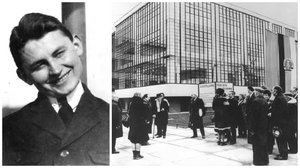
Friedrich Konrad Püschel
1907 - 1997 , Deutschland
Kurzinfos
- Artistic Movement Or Style: Surrealismus, mexikanische Volkskunst
- Artists Or Movements Influenced By This Artist: ['Mexikanischer Muralismus']
- Artists Who Influenced This Artist: ['Diego Rivera']
- Date Of Birth: 6. Juli 1907
- Date Of Death: 13. Juli 1954
- Full Name: Magdalena Carmen Frida Kahlo y Calderón
- Nationality: Mexikanisch
- Notable Artworks:
- Die zwei Fridas
- Henry Ford Hospital
- Selbstporträt mit Dornenhalskette und Kolibri
- Place Of Birth: Coyoacán, Mexiko-Stadt
Ähnliche Artikel

Kandinsky: Die 25 Meisterwerke des Abstrakten – Kunst für Ihr Zuhause | ArtsDot
Entdecken Sie die 25 bedeutendsten Gemälde von Wassily Kandinsky! Tauchen Sie ein in die Welt der abstrakten Kunst, des Expressionismus und der Farbkomposition. Hochwertige Kunstdrucke & Inspiration für Ihr Zuhause auf ArtsDot.com.
Abstrakter Expressionismus: Die 10 Meisterwerke, die eine Kunstbewegung prägten |
Entdecken Sie die 10 Meisterwerke des Abstrakten Expressionismus! Von Jackson Pollock bis Mark Rothko – erfahren Sie die Geschichten hinter ikonischen Gemälde und finden Sie hochwertige Reproduktionen für Ihr Zuhause. Jetzt bei entdecken!

Geometrische Abstraktion: Die 10 Meisterwerke, die Kunstgeschichte prägten | ArtsDot.com
Entdecken Sie die 10 Meisterwerke der geometrischen Abstraktion! Von Kandinsky bis Mondrian – erleben Sie die Geschichte, Farben & Formen dieser revolutionären Kunstrichtung. Hochwertige Kunstreproduktionen auf ArtsDot.com

Die Top 10 berühmter Gemälde im Reich der dunklen Töne |
Entdecken Sie die Top 10 berühmter Gemälde, beherrscht von dunklen Tönen! Von Caravaggio bis Manet – erfahren Sie die Geschichten hinter Meisterwerken der Kunstgeschichte. Finden Sie Ihre perfekte Reproduktion auf .
Deconstructing Form & Feeling: A Guide to Contemporary Abstract Art for Collectors
Explore the world of contemporary abstract art with ArtsDot. Discover key movements, influential artists & expert collecting advice. Invest in museum-quality paintings today.

