

 Vorschau anzeigen
 Versenden
 Teilen
 Details anzeigen

 Herunterladen
 Ähnliche Objekte
 Röntgenaufnahme
 Diashow
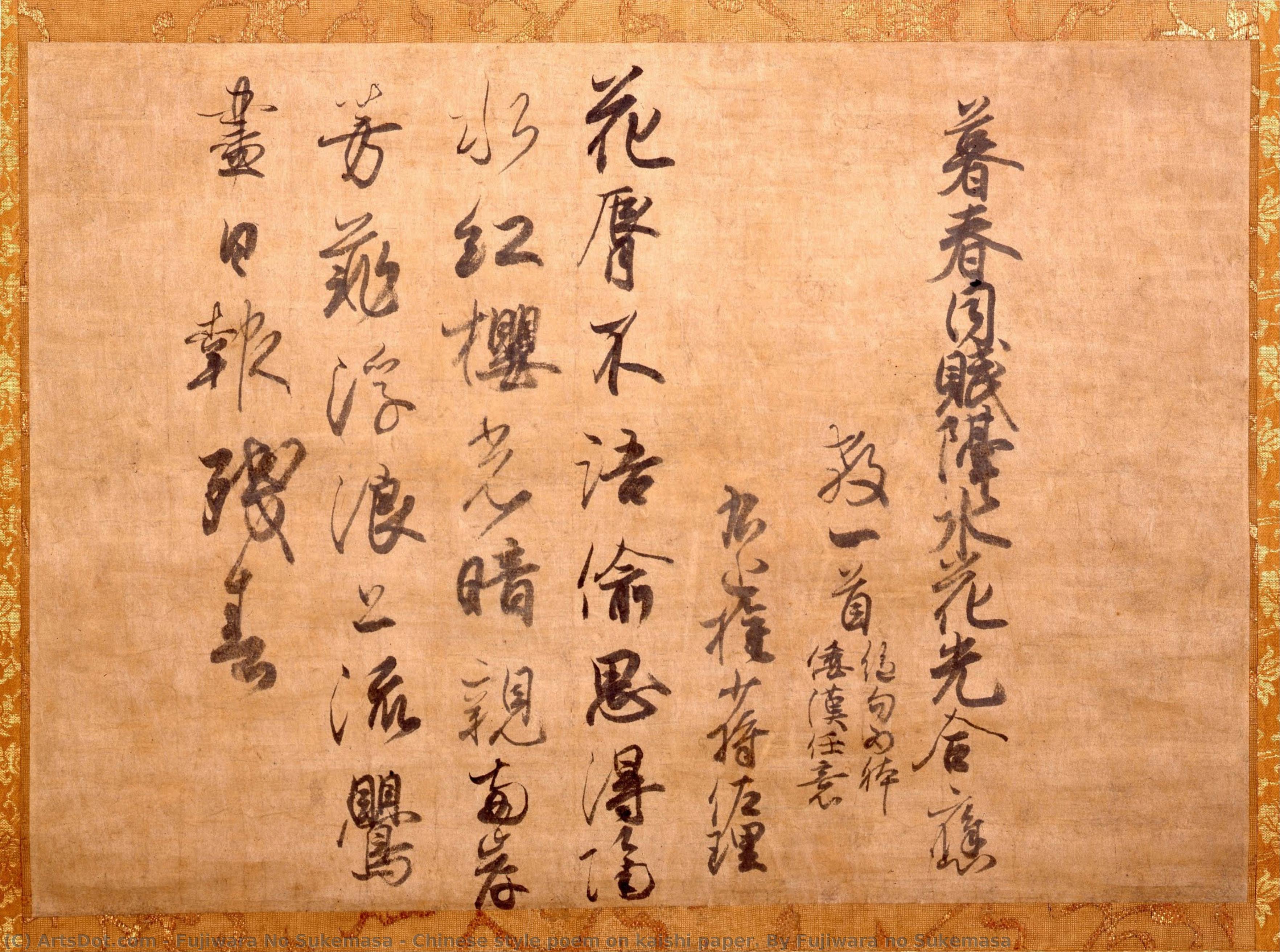
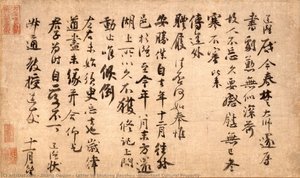
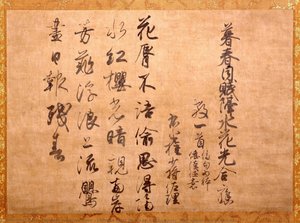
Chinese style poem on kaishi paper. By Fujiwara no Sukemasa

 Weiterlesen
Erwerben Sie ein hochauflösendes, optimiertes digitales Bild, das der Online-Vorschau weit überlegen ist.
Jede Datei wird von unseren hauseigenen Spezialisten mit modernsten Werkzeugen und fachmännischer manueller Retusche sorgfältig vorbereitet. Wir stellen sicher, dass jedes Bild eine außergewöhnliche Klarheit, präzise Farbgenauigkeit und feinste Details aufweist.
Die endgültige Datei wird innerhalb von 72 Stunden per E-Mail zugestellt und ist für den sofortigen Einsatz in professionellen, redaktionellen und Druckumgebungen optimiert. Es handelt sich um dieselbe Qualität, der führende Designstudios, Verlage und Galerien vertrauen.
Digitales Bild
Laden Sie eine hochauflösende Datei für die persönliche Präsentation, den Druck und kreative Projekte herunter. ( Druck bestellen Handgemalte Reproduktion bestellen)
In jeder Bestellung digitaler Bilder enthalten
Professionelle digitale Bereitstellung, garantiert
Wenn Sie sich für ArtsDot.com entscheiden, erhalten Sie nicht nur ein Bild – Sie erhalten ein professionell aufbereitetes digitales Kunstwerk, das mit höchster Präzision erstellt und durch eine Zufriedenheitsgarantie abgesichert wird. Hier ist alles, was automatisch mit Ihrer Bestellung geliefert wird:

Schnelle E-Mail-Zustellung
Ihre hochauflösende digitale Bilddatei wird Ihnen innerhalb von 72 Stunden nach der Bestellung per E-Mail zugestellt – bereit zur sofortigen Verwendung.

KI-optimierte digitale Datei
Ihre Kunstwerke werden professionell mithilfe fortschrittlicher KI-Tools und manueller Bearbeitung optimiert, um maximale Detailtreue, Klarheit und Farbgenauigkeit zu gewährleisten.

Lebenslanger kostenloser Neudruckservice
Datei versehentlich gelöscht oder verloren? Keine Sorge – wir senden sie Ihnen jederzeit kostenlos erneut zu.

Keine Einfuhrgebühren – jemals
Genießen Sie Ihr Kunstwerk sofort ohne Zollgebühren, Einfuhrabgaben oder Versandkosten – digitale Downloads sind immer steuerfrei.

Garantierte Farbtreue
Wir garantieren, dass Ihr digitales Bild mithilfe professioneller Werkzeuge und Farbmanagement die Originalfarben so präzise wie möglich wiedergibt.

60-Tage-Zufriedenheitsgarantie
Sollten Sie mit Ihrem digitalen Bild nicht zufrieden sein, werden wir es überarbeiten oder Ihnen innerhalb von 60 Tagen 100% erstatten – ohne Wenn und Aber.

100% Geld-zurück-Garantie
Nicht zufrieden? Erhalten Sie innerhalb von 60 Tagen nach Erhalt Ihrer digitalen Datei eine vollständige Rückerstattung – ohne Angabe von Gründen.

Rabatte bei Großbestellungen
3 Bilder kaufen, 10% sparen – 5 Bilder kaufen, 15% sparen – Ab 10 Bildern 20% sparen. Ideal für kreative Projekte, Galerien und Agenturen.
Ähnliche Kunstwerke



Biografie des Künstlers
The Poet of Elegance: The Life and Legacy of Fujiwara no Sukemasa
In the golden twilight of the Heian period, an era defined by unparalleled aesthetic refinement and the delicate whispers of the imperial court, one name emerged as a beacon of calligraphic mastery: Fujiwara no Sukemasa. Known also by the evocative name Sari, he was far more than a mere statesman; he was a virtuoso of the brush, a man whose ink flowed with the grace of the natural world and the structured elegance of Japanese tradition. As one of the legendary Sanseki, or "Three Brush Traces," alongside Ono no Michikaze and Fujiwara Yukinari, Sukemasa helped forge a distinct national identity in art, moving away from heavy Chinese influences toward a uniquely Japanese fluidity known as wayōshodō.
Born in 944 into the illustrious Fujiwara clan, Sukemasa’s very existence was steeped in the politics and prestige of the imperial court. His lineage provided him with an education that blended military discipline—inherited from his father, the major general Fujiwara no Atsutoshi—with the profound scholarly pursuits required of a high-ranking noble. This duality of character, a blend of strength and sensitivity, would later manifest in his calligraphy. Following the death of his biological father, he was adopted by the powerful Fujiwara no Saneyori, a move that catapulted him into the inner sanctums of power. By his early twenties, Sukemasa had already ascended to the rank of chamberlain, placing him at the heart of imperial life where every brushstroke and poetic verse carried immense social weight.
A Master of Flow and Form
The true genius of Sukemasa lay in his ability to command the kana script, a phonetic Japanese writing system that demanded a delicate touch and an intuitive sense of rhythm. Unlike the more rigid, structural styles of earlier eras, Sukemasa’s work embraced a lyrical movement. His calligraphy was characterized by a seamless transition between characters, where the energy of one stroke seemed to bleed poetically into the next, creating a visual melody on the paper. This technique allowed him to capture not just words, but the very essence of the emotions expressed within them—a quality that earned him his reputation as a "poet of elegance."
His artistic development was deeply intertwined with the shifting political tides of the reigns of Emperors Kazan and Ichijō. While his career in the bureaucracy saw periods of both rapid ascent and frustrating stagnation, his artistic output remained a constant source of brilliance. He navigated a court where influence was often dictated by familial ties, and though he occasionally found himself overshadowed by ambitious relatives of the throne, his mastery of the brush remained unassailable. To witness a piece of Sukemasa’s calligraphy is to experience the jōdai-yō style—an ancient, refined way of writing that prioritized harmony, balance, and a profound connection to the ephemeral beauty of the moment.
Historical Significance and Enduring Spirit
The historical importance of Fujiwara no Sukemasa cannot be overstated. He was a pivotal figure in the transition of Japanese calligraphy from an imitation of continental styles to a self-assured, indigenous art form. Through his work, the brush became a tool for expressing the uniquely Japanese sensibilities of mono no aware—the pathos of things and the bittersweet realization of impermanence. His legacy is preserved not only in the physical remnants of his ink on paper but in the very DNA of Japanese aesthetic tradition.
Even as the political structures of the Heian period eventually gave way to new eras, the "Three Brush Traces" remained the standard against which all subsequent calligraphers were measured. Sukemasa’s life, marked by both the heights of imperial prestige and the quiet struggles of a dedicated artist, serves as a testament to the power of creative devotion. He remains an eternal figure in the annals of art history, reminding us that true elegance is found in the perfect balance between disciplined technique and the free, uninhibited spirit of the soul.
fujiwara no sukemasa
Japan
Kurzinfos
- Artistic Movement Or Style: Kana Script
- Artists Or Movements Influenced By This Artist: ['Shodoka Artist']
- Artists Who Influenced This Artist:
- Ono no Michikaze
- Fujiwara Yukinari
- Date Of Death: August 19, 998
- Full Name: Fujiwara no Sukemasa
- Nationality: Japanese
- Notable Artworks: ['Rirakujō']
- Place Of Birth: Japan

