

 Vorschau anzeigen
 Versenden
 Teilen
 Details anzeigen

 Herunterladen
 Ähnliche Objekte
 Röntgenaufnahme
 Diashow
 Statistiken
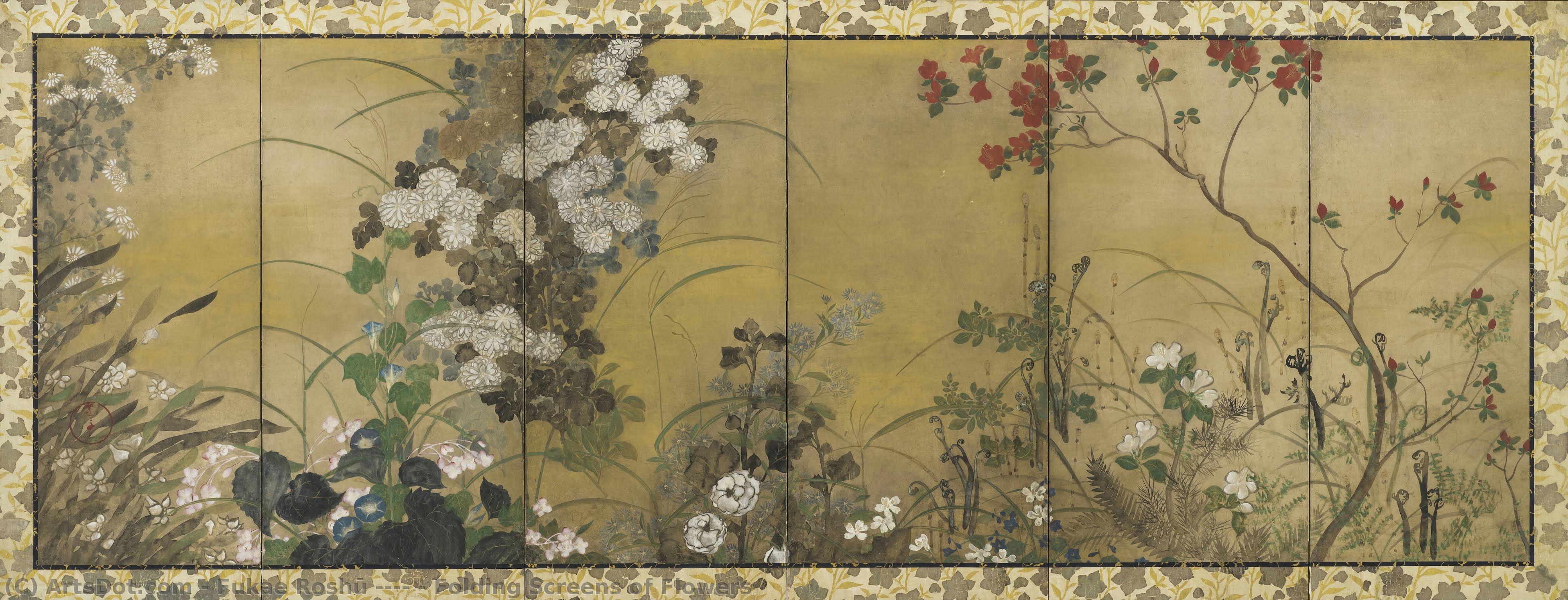
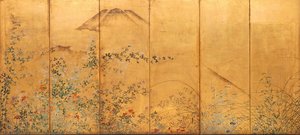
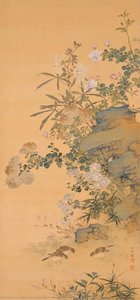
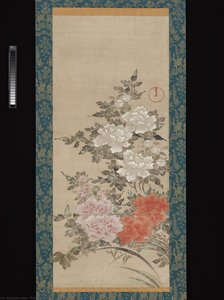
Folding Screens of Flowers

 Weiterlesen
Erwerben Sie ein hochauflösendes, optimiertes digitales Bild, das der Online-Vorschau weit überlegen ist.
Jede Datei wird von unseren hauseigenen Spezialisten mit modernsten Werkzeugen und fachmännischer manueller Retusche sorgfältig vorbereitet. Wir stellen sicher, dass jedes Bild eine außergewöhnliche Klarheit, präzise Farbgenauigkeit und feinste Details aufweist.
Die endgültige Datei wird innerhalb von 72 Stunden per E-Mail zugestellt und ist für den sofortigen Einsatz in professionellen, redaktionellen und Druckumgebungen optimiert. Es handelt sich um dieselbe Qualität, der führende Designstudios, Verlage und Galerien vertrauen.
Digitales Bild
Laden Sie eine hochauflösende Datei für die persönliche Präsentation, den Druck und kreative Projekte herunter. ( Zu Druck wechseln Handgemalte Reproduktion bestellen)
In jeder Bestellung digitaler Bilder enthalten
Professionelle digitale Bereitstellung, garantiert
Wenn Sie sich für ArtsDot.com entscheiden, erhalten Sie nicht nur ein Bild – Sie erhalten ein professionell aufbereitetes digitales Kunstwerk, das mit höchster Präzision erstellt und durch eine Zufriedenheitsgarantie abgesichert wird. Hier ist alles, was automatisch mit Ihrer Bestellung geliefert wird:

Schnelle E-Mail-Zustellung
Ihre hochauflösende digitale Bilddatei wird Ihnen innerhalb von 72 Stunden nach der Bestellung per E-Mail zugestellt – bereit zur sofortigen Verwendung.

KI-optimierte digitale Datei
Ihre Kunstwerke werden professionell mithilfe fortschrittlicher KI-Tools und manueller Bearbeitung optimiert, um maximale Detailtreue, Klarheit und Farbgenauigkeit zu gewährleisten.

Lebenslanger kostenloser Neudruckservice
Datei versehentlich gelöscht oder verloren? Keine Sorge – wir senden sie Ihnen jederzeit kostenlos erneut zu.

Keine Einfuhrgebühren – jemals
Genießen Sie Ihr Kunstwerk sofort ohne Zollgebühren, Einfuhrabgaben oder Versandkosten – digitale Downloads sind immer steuerfrei.

Garantierte Farbtreue
Wir garantieren, dass Ihr digitales Bild mithilfe professioneller Werkzeuge und Farbmanagement die Originalfarben so präzise wie möglich wiedergibt.

100-Tage-Zufriedenheitsgarantie
Wenn Sie mit Ihrem digitalen Bild nicht zufrieden sind, werden wir es überarbeiten oder 100% innerhalb von 100 Tagen erstatten – ohne Wenn und Aber.

100% Geld-zurück-Garantie
Nicht zufrieden? Erhalten Sie innerhalb von 100 Tagen nach Erhalt Ihrer digitalen Datei eine vollständige Rückerstattung – ohne Wenn und Aber.

Rabatte bei Großbestellungen
3 Bilder kaufen, 10% sparen – 5 Bilder kaufen, 15% sparen – Ab 10 Bildern 20% sparen. Ideal für kreative Projekte, Galerien und Agenturen.
Ähnliche Kunstwerke

Biografie des Künstlers
A Life Immersed in Nature: The World of Fukae Roshū
Fukae Roshū, born in Japan in 1699 and passing away in 1757, stands as a compelling figure within the vibrant Rinpa school of painting. While biographical details remain somewhat sparse, his artistic legacy speaks volumes about a life deeply attuned to the rhythms and beauty of the natural world. He wasn’t merely a painter; he was an interpreter of fleeting moments, capturing the essence of blossoms, birdsong, and tranquil landscapes with remarkable sensitivity. Roshū's work emerged during a period when Rinpa art was experiencing a resurgence, building upon the foundations laid by earlier masters like Hon’ami Kōetsu and Tawaraya Sōtatsu, yet he carved his own distinct path within this celebrated tradition. He is particularly known for his *flower screens*, delicate compositions that evoke a sense of serene contemplation.The Rinpa Legacy and Roshū's Early Development
Rinpa painting, characterized by its bold designs, vibrant colors, and decorative flair, had roots in the earlier Kanō school but diverged significantly through its embrace of Heian-period aesthetics and a focus on elegant ornamentation. Fukae Roshū’s artistic journey was undoubtedly shaped by this rich heritage. Though specific teachers are not definitively documented, it is believed he studied under Shen Zhou (a Chinese painter), absorbing principles of classical Chinese landscape painting which would later subtly inform his own style. The influence of Sōtatsu's dynamic compositions and Kōetsu’s refined calligraphy can also be detected in Roshū’s early works. However, he wasn’t simply a follower; he possessed an innate ability to synthesize these influences into something uniquely his own – a delicate balance between boldness and restraint, tradition and innovation. His initial explorations likely involved mastering the techniques of *yamato-e* (Japanese-style painting), focusing on meticulous detail and expressive brushwork.Mastering the Art of Flower Painting
Fukae Roshū’s reputation rests primarily upon his exceptional flower paintings. These weren't botanical studies aiming for scientific accuracy, but rather poetic interpretations of floral beauty. He frequently depicted plum blossoms, orchids, chrysanthemums, and bamboo – each carrying symbolic weight within Japanese culture. Plum blossoms, for example, represent perseverance and hope, blooming even in the depths of winter; orchids symbolize refinement and integrity. Roshū’s skill lay not only in his precise rendering of petals and leaves but also in his masterful use of color and composition to convey mood and meaning. He often employed a restrained palette, allowing the natural hues of the flowers to shine through, accented by subtle gold leaf detailing – a hallmark of Rinpa art. His screens were designed to be experienced as immersive environments, inviting viewers into a world of tranquil beauty.Techniques and Materials: A Symphony of Precision
The creation of Roshū’s flower screens was a painstaking process demanding exceptional skill and patience. He worked primarily on paper or silk, utilizing traditional Japanese pigments derived from natural sources – minerals, plants, and even insects. The application of gold leaf, often used to highlight details and create a sense of luminosity, required meticulous precision. He employed a variety of brush techniques, ranging from delicate washes for subtle gradations of color to bold strokes for defining outlines and textures. The layering of colors and the careful control of ink were crucial to achieving the desired effect. Furthermore, his compositions weren’t simply painted; they were often calligraphed with poems or inscriptions that complemented the imagery, adding another layer of meaning and depth. This integration of painting and calligraphy was a defining characteristic of Rinpa art, and Roshū excelled in this aspect of the tradition.Historical Significance and Enduring Appeal
Fukae Roshū’s work represents a high point within the Rinpa school, bridging the gap between earlier masters and later generations of artists. His paintings were highly sought after during his lifetime, patronized by discerning collectors who appreciated their refined beauty and symbolic depth. While not as widely recognized in the West as some other Japanese painters, Roshū’s influence on subsequent artists is undeniable.- His emphasis on naturalism and poetic expression resonated with later generations of Rinpa painters.
- The delicate balance he achieved between tradition and innovation continues to inspire contemporary artists.
- His flower screens remain powerful symbols of Japanese aesthetic sensibility, embodying a reverence for nature and a pursuit of serene beauty.
fukae roshū 深江蘆舟
1699 - 1757 , Japan
Kurzinfos
- Artistic Movement Or Style: Rinpa School
- Artists Or Movements Influenced By This Artist: ['Sōtatsu']
- Artists Who Influenced This Artist: ['Ōgata Kōrin']
- Date Of Death: 1757
- Full Name: Fukae Roshū 深江蘆舟
- Nationality: Japanese
- Notable Artworks: ['Peonies']
- Place Of Birth: Japan