

 Vorschau anzeigen
 Versenden
 Teilen
 Details anzeigen

 Herunterladen
 Ähnliche Objekte
 Röntgenaufnahme
 Diashow
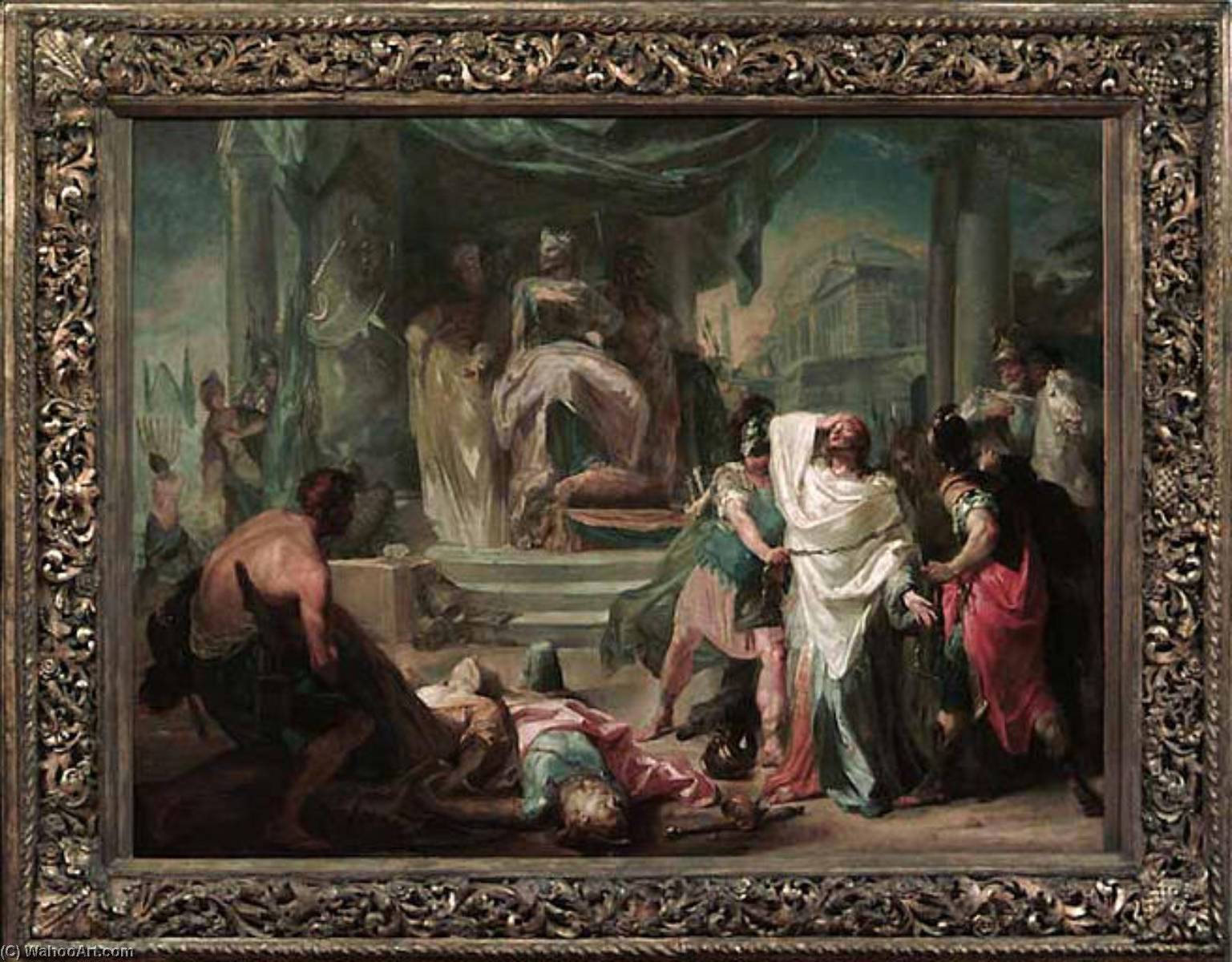
Nabuchodonosor et Sedecias


 Weiterlesen
Handgefertigte Ölreproduktion
Handgemaltes Ölgemälde auf Leinwand in Ihrer Wunschgröße und mit Rahmen, auf Bestellung von unseren Künstlern angefertigt. ( Druck bestellen Bild kaufen)




P118B $10

P118H $10

P118W $10

P438Z $10

P508JH $12

P508YH $12

P805H $10

P805Z $10

P919BZ $10

P919G $10

P919XJ $10

P959ZH $10

P968JZ $12

W106C $8

W218G $10

W218JH $8

W218Y $10

W307PJ $10

W316G $10

W316PJ $8

W316Y $10

W398PJ $8

W4111J $10

W500HY $15

W500JH $15

W692G $12

W849H $8

W940BG $15

W953PJ $8




Wählen Sie aus unseren vordefinierten Formaten, die den ursprünglichen Proportionen des Kunstwerks entsprechen.

Sie können Ihre eigenen Maße eingeben, um einen bestimmten Rahmen oder Platz auszufüllen. Wenn die gewählte Größe nicht den Proportionen des Originalbildes entspricht, werden wir das Kunstwerk entweder beschneiden oder das Gemälde durch zusätzliche, handgemalte Elemente erweitern. Ein digitales Mockup wird Ihnen zur Genehmigung zugesandt, bevor die Produktion beginnt.
Bitte beachten Sie, dass die Bildschirmvorschau nicht die tatsächliche Beschneidung oder Erweiterung widerspiegelt. Nur das Mockup zeigt die endgültige Komposition exakt an.
Obwohl Sondermaße verfügbar sind, empfehlen wir, eine Größe aus der vordefinierten Liste zu wählen, um die ursprünglichen Proportionen beizubehalten.
Nach der Bestellung wird das ArtsDot.com-Team dem Kunden Anweisungen per E-Mail zusenden und eine Mockup-Vorschau bereitstellen.
Weltweiter Versand () in nur 3 bis 4 Wochen statt der üblichen 5 Wochen. (21 August). Keine Kompromisse bei der Qualität.

Kostenloser weltweiter Expressversand

Hochwertige Leinenleinwand

Umfassender Versicherungsschutz beim Versand

Zollgebühren-Rückerstattungsgarantie

Garantie für exakte Farbtreue

60 Tage Rückgaberecht (nur bei Mängeln)

100% Geld-zurück-Garantie

Mengenrabatt verfügbar
 Die Glasoption ist nur für Größen unter 110 cm verfügbar.

Nabuchodonosor et Sedecias
Art der Reproduktion
Format der Reproduktion
-


Gesamtpreis
$ 438
Beschreibung des Kunstwerks
A Drama Etched in Gold and Shadow: Exploring Nabuchodonosor et Sedecias
To stand before "Nabuchodonosor et Sedecias" is to be instantly transported into the throes of ancient power, betrayal, and monumental human drama. This magnificent work by Gabriel Jacques de Saint-Aubin does not merely depict a scene; it captures a volatile moment suspended in time—a tableau vivant of political intrigue worthy of the grandest opera stage. The air itself seems thick with unspoken accusations and the weight of royal decree. The composition is breathtakingly complex, drawing the eye through a swirling mass of richly robed figures gathered around a central authority figure. Saint-Aubin masterfully orchestrates this crowd, ensuring that every gesture, every fold of drapery, contributes to an overwhelming sense of narrative urgency.
The Grandeur of Baroque Theatrics
Stylistically, the painting resonates deeply with the dramatic fervor of the late Baroque and Rococo periods. Saint-Aubin employs a technique characterized by opulent richness and theatrical lighting—the masterful use of chiaroscuro. Deep, velvety shadows cling to the corners, contrasting violently with brilliant shafts of light that illuminate key faces and crucial moments of action. This contrast is not merely decorative; it is narrative. The warm palette—a sumptuous blend of deep reds, burnished golds, earthy browns, and ochres—bathes the entire scene in an atmosphere of decadent grandeur. One can almost feel the texture of the heavy velvet robes and the cool gleam of unseen metalwork.
Symbolism and the Weight of History
The subject matter itself invites deep contemplation. Centered around King Nebuchadnezzar II and Sedecias, the painting speaks to timeless themes: the corrupting nature of absolute power, the inevitable fallout of ambition, and the stark reality of betrayal. The inclusion of a fallen figure serves as a potent visual memento mori, a silent testament to defeat or death lurking just beneath the surface of courtly splendor. These symbolic elements transform the historical narrative into a universal meditation on human frailty. It is a powerful reminder that even thrones built on perceived permanence are susceptible to the currents of human emotion and deceit.
Craftsmanship for the Modern Collector
For those who appreciate the confluence of history, art, and interior design, this piece offers unparalleled depth. The meticulous rendering visible in Saint-Aubin's technique—the smooth transitions between color fields juxtaposed with sharp, defining lines—speaks to an extraordinary level of skill. Whether considering a reproduction for a formal study, a grand hall, or a collector’s gallery, the visual impact is undeniable. Owning this work means acquiring not just a painting, but a piece of dramatic history, allowing you to infuse your space with the charged energy and sophisticated drama of 18th-century Parisian artistic mastery.
Ähnliche Kunstwerke




Über den Künstler
Gabriel de Saint-Aubin: Ein Pariser Beobachter und Meister des Kupferstichs
Gabriel de Saint-Aubin (1724–1780) nimmt eine zentrale Stellung in der künstlerischen Landschaft des Spätbarock und des Rokoko in Frankreich ein. Er ist nicht nur für sein enormes Schaffen bekannt, sondern vor allem für seine einzigartige Art, das pulsierende kulturelle Leben von Paris während seines goldenen Zeitalters zu dokumentieren. Im Gegensatz zu vielen Zeitgenossen, die sich mit großen Erzählungen oder idealisierten Porträts beschäftigten, besaß Saint-Aubin eine unerschütterliche Faszination für das Einfangen alltäglicher Szenen – die belebten Marktplätze, Theateraufführungen und gesellschaftlichen Zusammenkünfte, die die Pariser Gesellschaft prägten. Er verwandelte diese Beobachtungen in exquisit detaillierte Kupferstiche, die das Publikum bis heute in ihren Bann ziehen.- Frühes Leben und künstlerische Ausbildung:
- Die Versuche um den Prix de Rome und der Bruch mit der Académie des Beaux-Arts:
- Ein unverwechselbarer Stil: Die Beobachtung der Pariser Gesellschaft:
- Bedeutende Kupferstiche und künstlerische Errungenschaften:
- Vermächtnis und Einfluss auf nachfolgende Künstler:
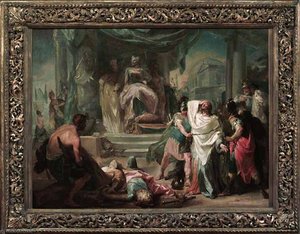
Gabriel De Saint-Aubin
1724 - 1780 , Frankreich
Kurzinfos
- Artistic Movement Or Style: Rokoko
- Artists Or Movements Influenced By This Artist: ['Charles Germain de Saint Aubin']
- Artists Who Influenced This Artist:
- Étienne Jeaurat
- Hyacinthe Collin de Vermont
- Date Of Birth: 14. April 1724
- Date Of Death: 14. Februar 1780
- Full Name: Gabriel de Saint-Aubin
- Nationality: Französisch
- Notable Artworks:
- Le rêve ou Voltaire composant la pucelle
- Laban Cherchant Ses Idoles
- Place Of Birth: Paris, Frankreich
Ähnliche Artikel

Öl auf Leinwand: Eine historische und technische Erkundung eines zeitlosen künstlerischen Mediums
Entdecken Sie die faszinierende Welt der Ölmalerei! Von historischen Techniken bis zur modernen Anwendung – wir bieten Expertenwissen, Restaurierungstipps und hochwertige Reproduktionen. Jetzt informieren!
Decoding Baroque Grandeur: A Guide to the Drama and Emotion of 17th-Century Art
Explore the breathtaking drama of 17th-century Baroque art. Our expert guide decodes the use of chiaroscuro, emotional intensity, and historical grandeur to help you appreciate and curate timeless masterpieces for your collection.
Öl auf Leinwand: Die 10 Meisterwerke, die Kunst für immer veränderten |
Entdecken Sie die 10 legendärsten Öl auf Leinwand Meisterwerke! Von Van Gogh bis Monet – erfahren Sie die Geschichten hinter ikonischen Gemälden und lassen Sie sich von Kunstgeschichte inspirieren. Hochwertige Reproduktionen für Ihr Zuhause finden Sie auf .
From Grandeur to Grace: Exploring the Evolution of Baroque & Rococo Art
Explore the captivating evolution from Baroque's drama to Rococo's grace! Discover key artists, characteristics & lasting influence of these art movements with expert insights at ArtsDot.

Giclée Prints: Archival Quality & Aesthetic Nuances for the Discerning Collector
Explore the world of giclée prints with ArtsDot. Learn about archival quality, aesthetic nuances & investment potential. Expert guidance for discerning art collectors seeking museum-quality reproductions and lasting value.

