

 Versenden
 Teilen
 Details anzeigen

 Herunterladen
 Ähnliche Objekte
 Diashow
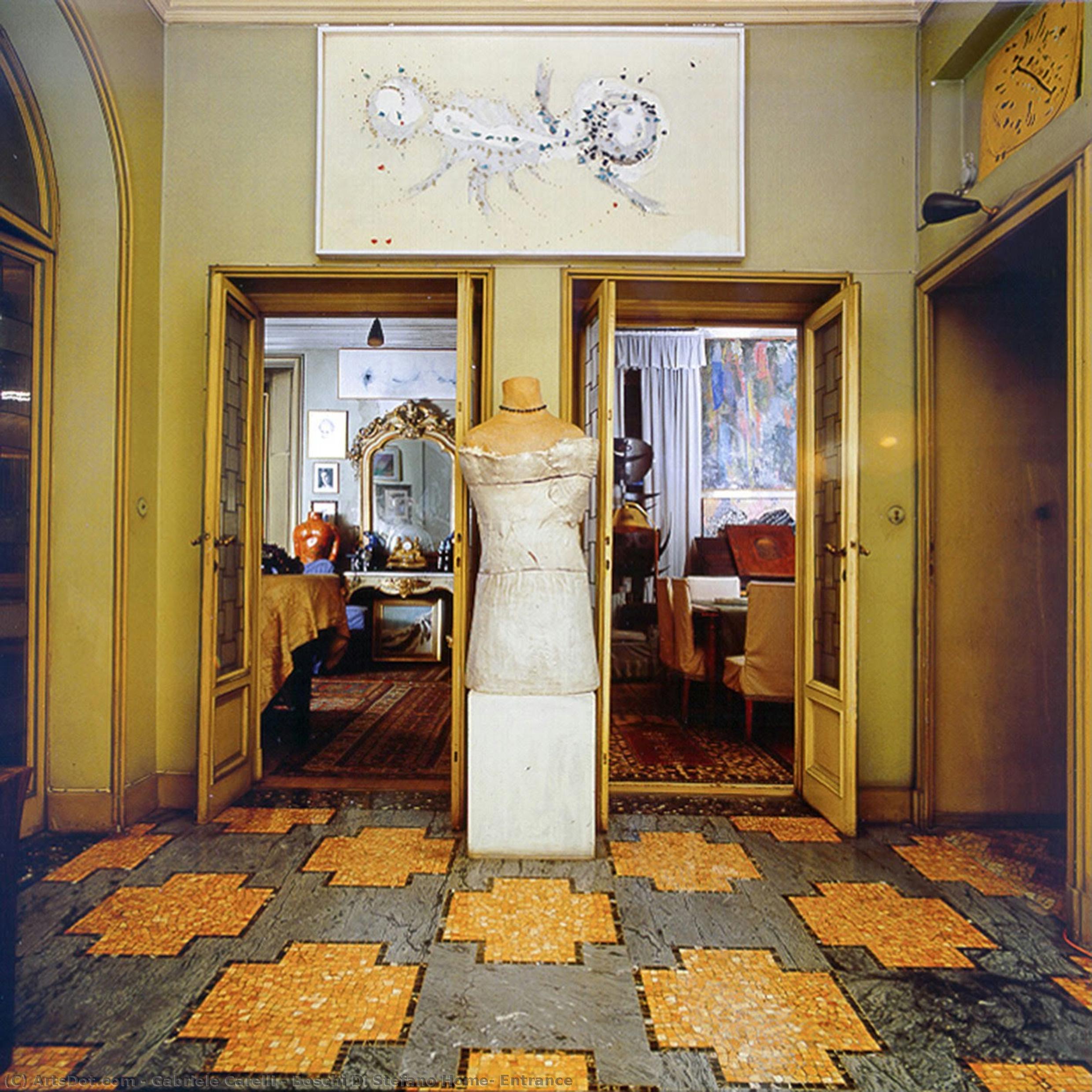
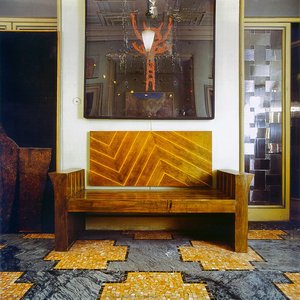
Boschi Di Stefano Home: Entrance


 Weiterlesen
Handgefertigte Ölreproduktion
Handgemaltes Ölgemälde auf Leinwand in Ihrer Wunschgröße und mit Rahmen, auf Bestellung von unseren Künstlern angefertigt. ( Druck bestellen Bild kaufen)




































Wählen Sie aus unseren vordefinierten Formaten, die den ursprünglichen Proportionen des Kunstwerks entsprechen.

Sie können Ihre eigenen Maße eingeben, um einen bestimmten Rahmen oder Platz auszufüllen. Wenn die gewählte Größe nicht den Proportionen des Originalbildes entspricht, werden wir das Kunstwerk entweder beschneiden oder das Gemälde durch zusätzliche, handgemalte Elemente erweitern. Ein digitales Mockup wird Ihnen zur Genehmigung zugesandt, bevor die Produktion beginnt.
Bitte beachten Sie, dass die Bildschirmvorschau nicht die tatsächliche Beschneidung oder Erweiterung widerspiegelt. Nur das Mockup zeigt die endgültige Komposition exakt an.
Obwohl Sondermaße verfügbar sind, empfehlen wir, eine Größe aus der vordefinierten Liste zu wählen, um die ursprünglichen Proportionen beizubehalten.
Nach der Bestellung wird das ArtsDot.com-Team dem Kunden Anweisungen per E-Mail zusenden und eine Mockup-Vorschau bereitstellen.
Weltweiter Versand () in nur 3 bis 4 Wochen statt der üblichen 5 Wochen. (21 August). Keine Kompromisse bei der Qualität.

Kostenloser weltweiter Expressversand

Hochwertige Leinenleinwand

Umfassender Versicherungsschutz beim Versand

Zollgebühren-Rückerstattungsgarantie

Garantie für exakte Farbtreue

60 Tage Rückgaberecht (nur bei Mängeln)

100% Geld-zurück-Garantie

Mengenrabatt verfügbar
 Die Glasoption ist nur für Größen unter 110 cm verfügbar.

Boschi Di Stefano Home: Entrance
Art der Reproduktion
Format der Reproduktion
-


Gesamtpreis
$ 263
Beschreibung des Kunstwerks
Gabriele Carelli’s “Boschi Di Stefano Home: Entrance” – A Window into Naples’ Aristocratic Soul
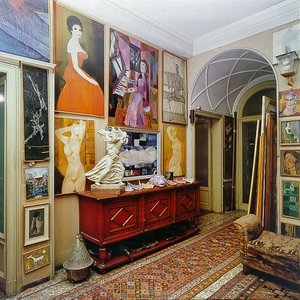
The photograph presented here, "Boschi Di Stefano Home: Entrance," offers a captivating glimpse into the meticulously crafted world of Gabriele Carelli, a pivotal figure in 19th-century Neapolitan landscape painting. Executed in 1982, this image, likely derived from one of Carelli’s numerous sketches and watercolors, transcends a simple architectural depiction; it's a carefully constructed tableau brimming with historical resonance and subtle symbolism. The scene unfolds within the entrance hall of the Boschi Di Stefano home, a residence that speaks volumes about the tastes and aspirations of Naples’ elite during Carelli’s lifetime – a period defined by opulent patronage and a deep connection to the region’s artistic heritage.
- The Artist's Context: Gabriele Carelli (1821-1900), born in Naples, was steeped in the traditions of the Posillipo school, renowned for its romanticized depictions of the Bay of Naples. His father, Raffaele Carelli, further solidified this lineage, shaping young Gabriele’s artistic sensibilities from an early age.
- A Traveler's Eye: Carelli’s travels, particularly his extended tours with the 6th Duke of Devonshire across Sicily, Greece, Asia Minor, and Constantinople, profoundly influenced his work. These expeditions broadened his palette, exposing him to diverse landscapes and architectural styles that he skillfully integrated into his paintings.
Composition and Technique – A Study in Controlled Detail
Carelli’s technique is immediately apparent: a meticulous attention to detail combined with a restrained color palette characteristic of the watercolor medium. The black-and-white photograph emphasizes the textures—the smooth surface of the mannequin, the worn fabric of the chairs, the aged wood of the dining table. The composition itself is deliberately formal, reflecting the aristocratic sensibilities of the era. The central placement of the mannequin, a recurring motif in Carelli’s work, suggests an interest in classical ideals of beauty and proportion. Notice how he uses light to create depth, highlighting specific objects while subtly obscuring others – a technique frequently employed by artists seeking to evoke a sense of mystery and contemplation.
- Watercolor Mastery: Carelli’s use of watercolor is particularly noteworthy. He skillfully layered washes to achieve subtle gradations in tone, creating a luminous effect that was highly valued during his time.
- Genre Blending: Like many artists of the period, Carelli seamlessly blended landscape elements with genre scenes – capturing not just the beauty of the surroundings but also the human activities within them.
Symbolism and Emotional Resonance
"Boschi Di Stefano Home: Entrance" is more than just a snapshot; it’s a carefully curated narrative. The mannequin, often interpreted as representing classical ideals or even a silent observer of domestic life, adds an element of timelessness to the scene. The presence of objects – the clock, the book, the vase – further enriches the composition, hinting at themes of time, knowledge, and refinement. The overall atmosphere evokes a sense of quiet contemplation, inviting the viewer to consider the lives lived within these walls. It’s a poignant reminder of a bygone era, when art played a central role in shaping domestic spaces and reflecting social status.
- Historical Significance: The image offers a valuable window into the interior design trends of 19th-century Naples – a period marked by a revival of classical motifs and an emphasis on luxurious materials.
- Emotional Impact: Despite its formal composition, the photograph possesses a subtle emotional resonance, inviting viewers to imagine the stories behind the objects and the people who once inhabited this space.
Perfect for Reproduction – Bringing Carelli’s Vision Home
ArtsDot offers a meticulously crafted hand-painted reproduction of “Boschi Di Stefano Home: Entrance,” allowing you to bring Carelli's masterful artistry into your own home or office. Our skilled artisans employ traditional techniques and archival quality materials to faithfully recreate the original image, ensuring that every detail – from the subtle nuances of light and shadow to the delicate textures – is preserved with exceptional accuracy. This reproduction isn’t merely a print; it’s a timeless work of art that will enrich your space for generations to come.
Ähnliche Kunstwerke

Über den Künstler
Frühleben und Ausbildung
Gabriele Carelli, ein italienischer Maler, wurde im Jahr 1821 in Neapel geboren. Er war der Sohn von Raffaele Carelli, ebenfalls ein Maler der Schule von Posillipo. Gabriele’s frühes Leben und seine Ausbildung waren von dem Einfluss seines Vaters geprägt, und er entwickelte sich zu einem renommierten Landschaftsmaler auf eigene Faust. Seine künstlerische Entwicklung begann in Neapel, wo er die Grundlagen des Malens erlernte, wobei sein Vater als Mentor fungierte. Die Schule von Posillipo, einer Gruppe von Künstlern, die für ihre Darstellung der Schönheit der italienischen Landschaft bekannt waren, spielte eine entscheidende Rolle bei seiner Ausbildung und beeinflusste seinen Stil nachhaltig.Künstlerischer Stil und Beiträge
Gabriele Carelli ist vor allem für seine Landschaftsbilder bekannt, die oft Genre-Szenen mit seinen Werken verbanden. Er begleitete den 6. Herzog von Devonshire auf Reisen durch Sizilien, Griechenland, Kleinasien und Konstantinopel und schuf Aquarelle verschiedener Sehenswürdigkeiten. Diese Erfahrungen erweiterten seinen künstlerischen Horizont und ermöglichten ihm, die Vielfalt der Landschaften zu erkunden. Seine Malweise zeichnete sich durch eine ruhige Beobachtungsgabe und eine meisterhafte Farbwahl aus, die den Eindruck von Licht und Atmosphäre erzeugte. Er war besonders daran interessiert, die Schönheit der italienischen Landschaft einzufangen, wobei er oft Elemente des Alltags in seine Werke einbaute.Bedeutende Werke und Ausstellungen
Zu seinen bemerkenswertesten Werken gehören:- „Das Innere des Sakristei der Kirche S. Maria del Parto mit einem Denkmal für Jacopo Sannazzaro“ (Palast von Capodimonte, Neapel, Italien)
- „Ruinen von Paestum“ (Aquarell, Palast von Capodimonte, Neapel, Italien)
Erbe und königliche Patenschaft
Gabriele Carellis Werk erregte die Aufmerksamkeit Königin Victoria, die ihn zu ihrer Patonin ernannte. Seine Aquarellansichten Englands, Italiens und Frankreichs sind heute Teil der königlichen Sammlung im Osborne House und Schloss Windsor. Sein Einfluss auf die Kunst des 19. Jahrhunderts ist unbestreitbar, und seine Werke werden weiterhin von Sammlern und Kunstliebhabern geschätzt.Zugehörigkeit zur Schule von Posillipo
Als Mitglied der Schule von Posillipo trug Gabriele Carelli zur Entwicklung der Landschaftsmalerei in Italien bei. Diese lose Gruppe von Künstlern, die sich in Neapel befand, konzentrierte sich auf die Darstellung der Schönheit der italienischen Landschaft und schuf Werke, die sowohl die natürliche Schönheit als auch den menschlichen Einfluss widerspiegelten.Spätere Jahre und Tod
Gabriele Carelli starb im Jahr 1900 und hinterließ ein Vermächtnis an wunderschöne Landschaftsbilder, die Kunstliebhaber bis heute inspirieren. Sein Werk ist ein Zeugnis für die künstlerische Tradition Neapels und die Bedeutung der italienischen Landschaft in der europäischen Kunst des 19. Jahrhunderts.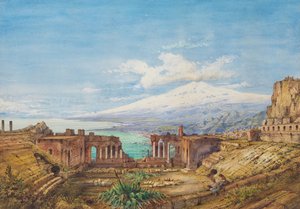
Gabriele Carelli
1821 - 1900 , Italien
Kurzinfos
- Artistic Movement Or Style: Schule von Posillipo
- Artists Or Movements Influenced By This Artist: ['Schule von Posillipo']
- Artists Who Influenced This Artist: ['Raffaele Carelli']
- Date Of Birth: 1821 Naples, Italien
- Date Of Death: 1900
- Full Name: Gabriele Carelli
- Nationality: Italiener
- Notable Artworks:
- Innenhof der Kirche S. Maria del Parto
- Ruinen von Paestum
- Place Of Birth: Neapel, Italien
Ähnliche Artikel

Monochrome Visions: Exploring the Aesthetic & Historical Significance of Black & White Photography
Explore the rich history & artistic power of black and white photography. From early techniques to iconic masters like Ansel Adams, discover why monochrome continues to captivate art lovers today. Expert insights for collectors.

Dante Gabriel Rossetti: Die 25 Meisterwerke des Präraffelitismus | ArtsDot
Entdecken Sie die 25 schönsten Gemälde von Dante Gabriel Rossetti! Tauchen Sie ein in die Welt der Präraffeliten, symbolistischer Kunst & viktorianischer Romantik. Hochwertige Reproduktionen für Ihr Zuhause – jetzt bei ArtsDot.com!

Weiße Meisterwerke: Die Top 10 berühmtesten Gemälde und ihre zeitlose Eleganz
Entdecken Sie die Top 10 berühmter Gemälde, dominiert von Weiß! Von Malewitsch bis Rothko – erfahren Sie Geschichten hinter ikonischen Kunstwerke und lassen Sie sich für Ihre Wohnraumgestaltung inspirieren. Kunstreproduktionen in Museumsqualiät auf

Beyond the Lens: Photography's Enduring Influence on Modern & Contemporary Art
Explore photography's pivotal role in shaping modern & contemporary art. Discover key movements, influential artists like Stieglitz, and expert collecting advice from ArtsDot.

Die Top 10 berühmter Gemälde im Reich der dunklen Töne |
Entdecken Sie die Top 10 berühmter Gemälde, beherrscht von dunklen Tönen! Von Caravaggio bis Manet – erfahren Sie die Geschichten hinter Meisterwerken der Kunstgeschichte. Finden Sie Ihre perfekte Reproduktion auf .

