

 Vorschau anzeigen
 Versenden
 Teilen
 Details anzeigen

 Herunterladen
 Ähnliche Objekte
 Röntgenaufnahme
 Diashow
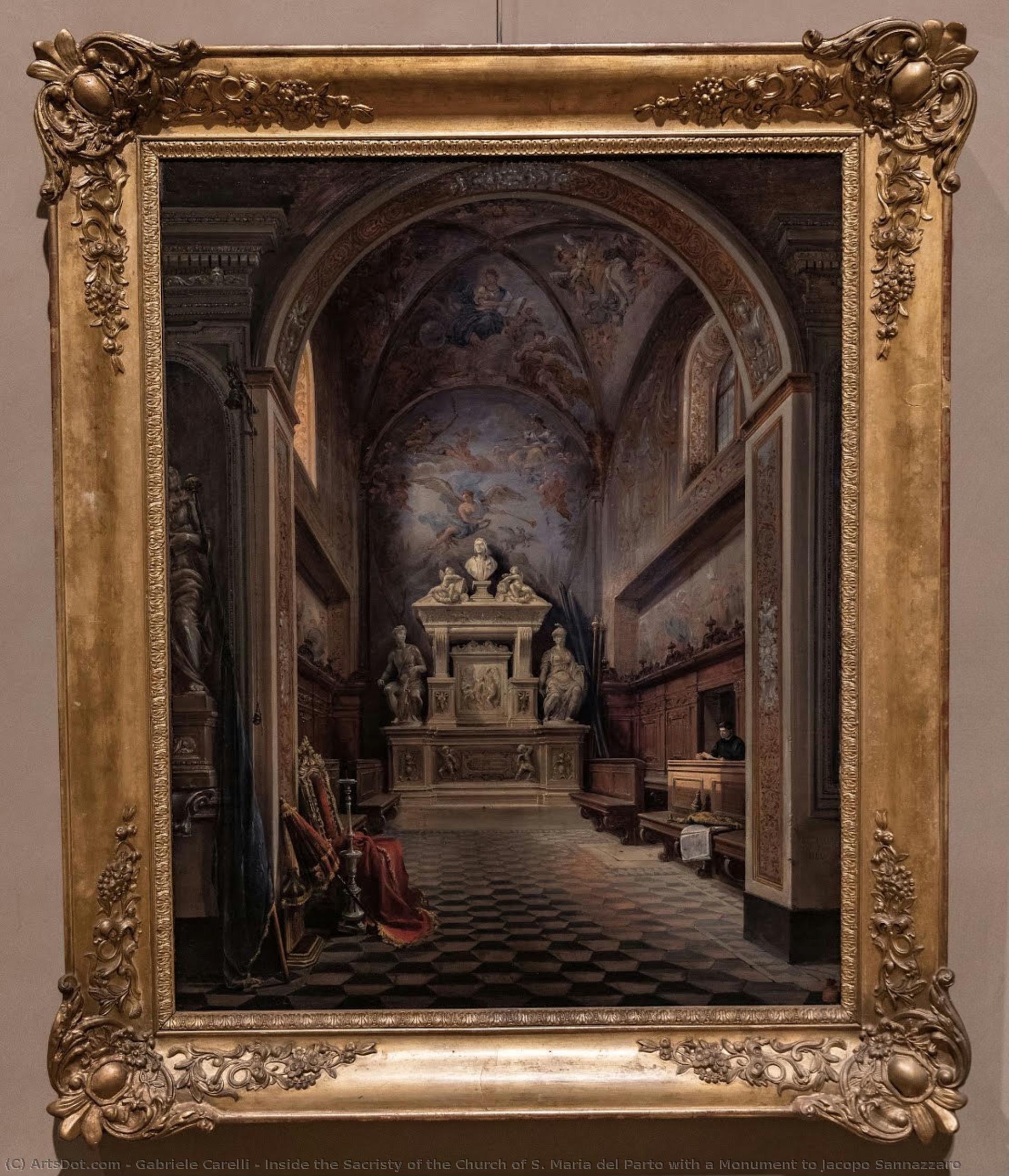
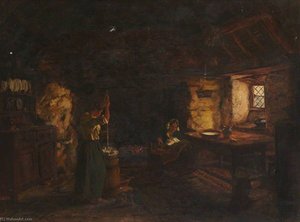
Inside the Sacristy of the Church of S. Maria del Parto with a Monument to Jacopo Sannazzaro


 Weiterlesen
Giclée / Kunstdruck
Giclée- oder Leinwanddruck in Museumsqualität mit schneller Produktion und flexiblen Veredelungsoptionen. ( Handgemalte Reproduktion bestellen Bild kaufen)




P118B $10

P118H $10

P118W $10

P438Z $10

P508JH $12

P508YH $12

P805H $10

P805Z $10

P919BZ $10

P919G $10

P919XJ $10

P959ZH $10

P968JZ $12

W106C $8

W218G $10

W218JH $8

W218Y $10

W307PJ $10

W316G $10

W316PJ $8

W316Y $10

W398PJ $8

W4111J $10

W500HY $15

W500JH $15

W692G $12

W849H $8

W940BG $15

W953PJ $8




Wählen Sie aus unseren vordefinierten Formaten, die den ursprünglichen Proportionen des Kunstwerks entsprechen.

Sie können Ihre eigenen Maße eingeben, um ein bestimmtes Format oder einen speziellen Platz einzupassen. Wenn das von Ihnen gewählte Format nicht den Proportionen des Originalbildes entspricht, werden wir das Kunstwerk entweder beschneiden oder das Bild mit einem gespiegelten oder einfarbigen Rand erweitern. Ein digitaler Entwurf wird Ihnen zur Genehmigung zugesandt, bevor die Produktion beginnt.
Bitte beachten Sie, dass die Vorschau auf dem Bildschirm nicht den tatsächlichen Zuschnitt oder die Erweiterung widerspiegelt. Nur der Entwurf zeigt die endgültige Komposition präzise an.
Obwohl Sondermaße verfügbar sind, empfehlen wir die Auswahl eines Maßes aus der vordefinierten Liste, um die ursprünglichen Proportionen zu bewahren.
Weltweiter Versand () innerhalb von 2 Wochen statt der üblichen 4/5 Wochen. (6 September)

Kostenloser weltweiter Expressversand

Hochwertige Leinenleinwand

Umfassender Versicherungsschutz beim Versand

Zollgebühren-Rückerstattungsgarantie

Garantie für exakte Farbtreue

100 Tage Rückgaberecht (nur bei Mängeln)

100% Geld-zurück-Garantie

Mengenrabatt verfügbar
 Die Glasoption ist nur für Größen unter 110 cm verfügbar.

Inside the Sacristy of the Church of S. Maria del Parto with a Monument to Jacopo Sannazzaro
Giclée / Kunstdruck
Format der Reproduktion
-


Gesamtpreis
$ 62
A Sanctuary of Stone and Spirit
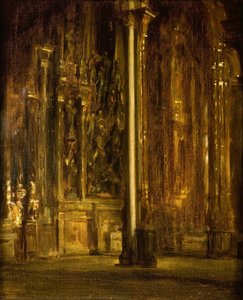
In the quiet, hallowed depths of the sacristy within the Church of S. Maria del Parto, Gabriele Carelli captures a moment of profound architectural and spiritual stillness. This 1844 oil on canvas is far more than a mere depiction of an interior; it is a masterful exploration of light, shadow, and the enduring weight of history. As the eye wanders through the composition, it is immediately drawn to the central monument dedicated to Jacopo Sannazzaro, which stands as a silent sentinel amidst the grandeur of the vaulted chamber. The painting invites the viewer to step out of the temporal world and into a space where time seems to have suspended its flight, offering a meditative glimpse into the heart of Neapolitan religious heritage.
Carelli, a descendant of the prestigious School of Posillipo, brings a unique sensitivity to this architectural study. While he was celebrated for his sweeping landscapes of Sicily and Greece, here he applies that same mastery of atmosphere to an enclosed, sacred space. The technique is characterized by a delicate handling of light that filters through the high vaults, illuminating the textures of stone, wood, and marble. The artist uses subtle gradations of tone to create a sense of immense volume, making the heavy masonry feel both solid and ethereal. Through his brushwork, the benches along the walls and the solitary chair on the periphery are not merely furniture, but elements that ground the scene in a human, lived reality.
The Intersection of Art and Devotion
Beyond its technical brilliance, the painting serves as a poignant dialogue between the secular and the divine. The presence of the monument to Sannazzaro—a figure of immense literary and cultural importance—within the sacred confines of the sacristy symbolizes the deep-rooted connection between Italian intellectual life and religious tradition. Carelli masterfully balances the monumental scale of the statues with the small, human figures positioned within the room. These figures, though quiet and unassuming, provide a vital sense of scale and narrative tension, suggesting the presence of those who tend to this sacred space or seek solace within its walls.
For the discerning collector or interior designer, this artwork offers an unparalleled opportunity to introduce a sense of classical elegance and historical depth into a contemporary setting. The painting’s muted palette and rich textures evoke a feeling of timelessness, making it a sophisticated centerpiece for a library, a formal study, or a grand hallway. It is a piece that does not merely decorate a wall but transforms an environment, imparting a mood of reverence and intellectual curiosity. To possess a reproduction of this work is to hold a fragment of 19th-century Italian soul, bringing the quiet majesty of Naples' sacred architecture into the modern home.
Ähnliche Kunstwerke


Über den Künstler
Frühleben und Ausbildung
Gabriele Carelli, ein italienischer Maler, wurde im Jahr 1821 in Neapel geboren. Er war der Sohn von Raffaele Carelli, ebenfalls ein Maler der Schule von Posillipo. Gabriele’s frühes Leben und seine Ausbildung waren von dem Einfluss seines Vaters geprägt, und er entwickelte sich zu einem renommierten Landschaftsmaler auf eigene Faust. Seine künstlerische Entwicklung begann in Neapel, wo er die Grundlagen des Malens erlernte, wobei sein Vater als Mentor fungierte. Die Schule von Posillipo, einer Gruppe von Künstlern, die für ihre Darstellung der Schönheit der italienischen Landschaft bekannt waren, spielte eine entscheidende Rolle bei seiner Ausbildung und beeinflusste seinen Stil nachhaltig.Künstlerischer Stil und Beiträge
Gabriele Carelli ist vor allem für seine Landschaftsbilder bekannt, die oft Genre-Szenen mit seinen Werken verbanden. Er begleitete den 6. Herzog von Devonshire auf Reisen durch Sizilien, Griechenland, Kleinasien und Konstantinopel und schuf Aquarelle verschiedener Sehenswürdigkeiten. Diese Erfahrungen erweiterten seinen künstlerischen Horizont und ermöglichten ihm, die Vielfalt der Landschaften zu erkunden. Seine Malweise zeichnete sich durch eine ruhige Beobachtungsgabe und eine meisterhafte Farbwahl aus, die den Eindruck von Licht und Atmosphäre erzeugte. Er war besonders daran interessiert, die Schönheit der italienischen Landschaft einzufangen, wobei er oft Elemente des Alltags in seine Werke einbaute.Bedeutende Werke und Ausstellungen
Zu seinen bemerkenswertesten Werken gehören:- „Das Innere des Sakristei der Kirche S. Maria del Parto mit einem Denkmal für Jacopo Sannazzaro“ (Palast von Capodimonte, Neapel, Italien)
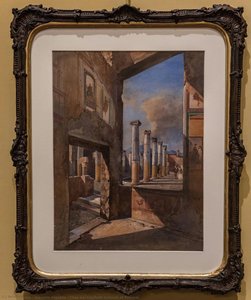
- „Ruinen von Paestum“ (Aquarell, Palast von Capodimonte, Neapel, Italien)
Erbe und königliche Patenschaft
Gabriele Carellis Werk erregte die Aufmerksamkeit Königin Victoria, die ihn zu ihrer Patonin ernannte. Seine Aquarellansichten Englands, Italiens und Frankreichs sind heute Teil der königlichen Sammlung im Osborne House und Schloss Windsor. Sein Einfluss auf die Kunst des 19. Jahrhunderts ist unbestreitbar, und seine Werke werden weiterhin von Sammlern und Kunstliebhabern geschätzt.Zugehörigkeit zur Schule von Posillipo
Als Mitglied der Schule von Posillipo trug Gabriele Carelli zur Entwicklung der Landschaftsmalerei in Italien bei. Diese lose Gruppe von Künstlern, die sich in Neapel befand, konzentrierte sich auf die Darstellung der Schönheit der italienischen Landschaft und schuf Werke, die sowohl die natürliche Schönheit als auch den menschlichen Einfluss widerspiegelten.Spätere Jahre und Tod
Gabriele Carelli starb im Jahr 1900 und hinterließ ein Vermächtnis an wunderschöne Landschaftsbilder, die Kunstliebhaber bis heute inspirieren. Sein Werk ist ein Zeugnis für die künstlerische Tradition Neapels und die Bedeutung der italienischen Landschaft in der europäischen Kunst des 19. Jahrhunderts.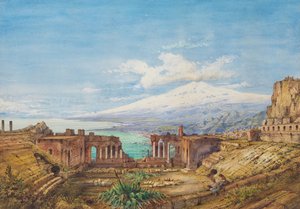
Gabriele Carelli
1821 - 1900 , Italien
Kurzinfos
- Artistic Movement Or Style: Schule von Posillipo
- Artists Or Movements Influenced By This Artist: ['Schule von Posillipo']
- Artists Who Influenced This Artist: ['Raffaele Carelli']
- Date Of Birth: 1821 Naples, Italien
- Date Of Death: 1900
- Full Name: Gabriele Carelli
- Nationality: Italiener
- Notable Artworks:
- Innenhof der Kirche S. Maria del Parto
- Ruinen von Paestum
- Place Of Birth: Neapel, Italien
Ähnliche Artikel

Moderne Deckenfresken: Luxus für Ihr Zuhause – Kunst trifft Innovation
Entdecken Sie die Welt der modernen Deckenfresken! Expertenwissen für exklusives Hoteldesign & individuelle Raumgestaltung. Hochwertige Wandmalerei – Ihr Kunstwerk am Himmel.

Die erhabene Präsenz: Architektonische Integration und proportionale Strategien für monumentale Kunst-Reproduktionen im luxuriösen Interieur
Entdecken Sie monumentale Kunst-Reproduktionen für Ihr luxuriöses Interieur. Expertenberatung, höchste Qualität & individuelle Gestaltung – verwandeln Sie Ihren Raum in eine Galerie! Jetzt informieren.

Harmonie der Gegensätze: Die Integration zeitgenössischer Kunst in klassische Interieurs für eine zeitlose Ästhetik
Harmonische Integration zeitgenössischer Kunst in klassische Interieurs – Expertenratgeber für stilvolle Wohndekoration. Entdecken Sie, wie Sie mit hochwertiger Kunst Ihr Zuhause veredeln! Jetzt lesen.
Harmonie zwischen Geschichte und Farbton: Ein Leitfaden zur Abstimmung von Kunststilen auf Innenarchitektur für ausgewogene Dekorationen
Entdecken Sie, wie Kunstgeschichte Ihre Innenräume harmonischer gestaltet! Experten-Ratgeber für die Auswahl passender Stile & Kunstreproduktionen von ArtsDot. Jetzt lesen!

Jenseits vergänglicher Trends: Die Kultivierung zeitloser Innenästhetik durch Renaissance-Reverie, Impressionistisches Licht und Pop Art-Vibranz
Entdecken Sie, wie Renaissance-Eleganz, Impressionistisches Licht & Pop Art-Vibranz zeitlose Innenräume schaffen! Expertenrat für Luxus-Inneneinrichtung und individuelle Kunstberatung. Jetzt lesen!