 Vorschau anzeigen
 Versenden
 Teilen
 Details anzeigen

 Herunterladen
 Ähnliche Objekte
 Röntgenaufnahme
 Diashow
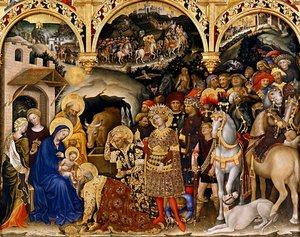
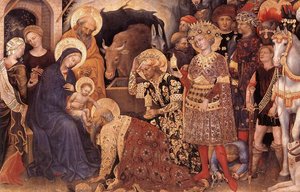
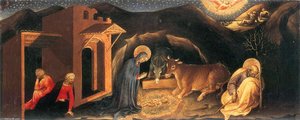
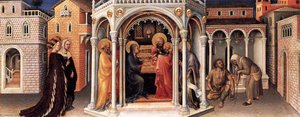
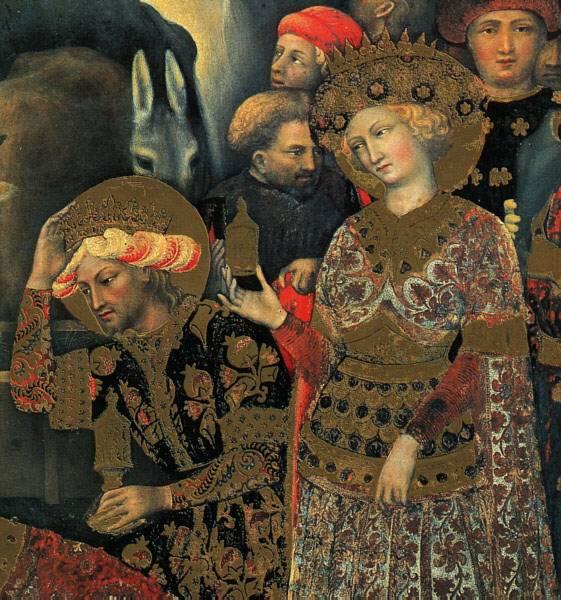
The Adoration of the Magi (detail)


 Weiterlesen
Handgefertigte Ölreproduktion
Handgemaltes Ölgemälde auf Leinwand in Ihrer Wunschgröße und mit Rahmen, auf Bestellung von unseren Künstlern angefertigt. ( Druck bestellen Bild kaufen)




P118B $10

P118H $10

P118W $10

P438Z $10

P508JH $12

P508YH $12

P805H $10

P805Z $10

P919BZ $10

P919G $10

P919XJ $10

P959ZH $10

P968JZ $12

W106C $8

W218G $10

W218JH $8

W218Y $10

W307PJ $10

W316G $10

W316PJ $8

W316Y $10

W398PJ $8

W4111J $10

W500HY $15

W500JH $15

W692G $12

W849H $8

W940BG $15

W953PJ $8




Wählen Sie aus unseren vordefinierten Formaten, die den ursprünglichen Proportionen des Kunstwerks entsprechen.

Sie können Ihre eigenen Maße eingeben, um einen bestimmten Rahmen oder Platz auszufüllen. Wenn die gewählte Größe nicht den Proportionen des Originalbildes entspricht, werden wir das Kunstwerk entweder beschneiden oder das Gemälde durch zusätzliche, handgemalte Elemente erweitern. Ein digitales Mockup wird Ihnen zur Genehmigung zugesandt, bevor die Produktion beginnt.
Bitte beachten Sie, dass die Bildschirmvorschau nicht die tatsächliche Beschneidung oder Erweiterung widerspiegelt. Nur das Mockup zeigt die endgültige Komposition exakt an.
Obwohl Sondermaße verfügbar sind, empfehlen wir, eine Größe aus der vordefinierten Liste zu wählen, um die ursprünglichen Proportionen beizubehalten.
Nach der Bestellung wird das ArtsDot.com-Team dem Kunden Anweisungen per E-Mail zusenden und eine Mockup-Vorschau bereitstellen.
Weltweiter Versand () in nur 3 bis 4 Wochen statt der üblichen 5 Wochen. (27 August). Keine Kompromisse bei der Qualität.

Kostenloser weltweiter Expressversand

Hochwertige Leinenleinwand

Umfassender Versicherungsschutz beim Versand

Zollgebühren-Rückerstattungsgarantie

Garantie für exakte Farbtreue

60 Tage Rückgaberecht (nur bei Mängeln)

100% Geld-zurück-Garantie

Mengenrabatt verfügbar
 Die Glasoption ist nur für Größen unter 110 cm verfügbar.

The Adoration of the Magi (detail)
Art der Reproduktion
Format der Reproduktion
-


Gesamtpreis
$ 263
Gentile da Fabriano: A Luminary of the International Gothic
Gentile da Fabriano (c. 1370-1427) stands as one of the most remarkable figures in late Medieval art, embodying the zenith of the International Gothic style—a movement that captivated Europe with its breathtaking blend of elegance, meticulous detail, and otherworldly beauty. Born around 1370 in Fabriano, a thriving textile center nestled within the Marche region of Italy, his early life remains shrouded in some obscurity, mirroring the artistic uncertainties of the era. What *is* known is that he possessed an innate talent for painting—evident from his debut masterpiece, the Madonna with Child (c. 1395-1400), now housed in Berlin—where he immediately absorbed the refined aesthetic principles championed by Northern Italian masters like Andrea Mantegna and Piero della Francesca. This formative piece foreshadowed the distinctive visual language that would characterize his subsequent artistic endeavors.- Early Training & Influences: Gentile’s initial training likely occurred under Maestro Benedetto Bembo, a prominent Florentine painter who instilled in him a profound appreciation for classical ideals and humanist thought—a crucial counterpoint to the prevailing religious fervor of the time.
- Venetian Flourishes & Expanding Horizons: Around 1405, Gentile embarked on a journey to Venice, where he encountered the burgeoning artistic dynamism of the Serenissima Republic. This exposure broadened his stylistic repertoire and cemented his connection with Venetian artists like Giovanni Bellini, whose subtle tonal harmonies and expressive brushwork profoundly impacted Gentile’s own technique.
The Adoration of the Magi: A Symphony of Color & Light
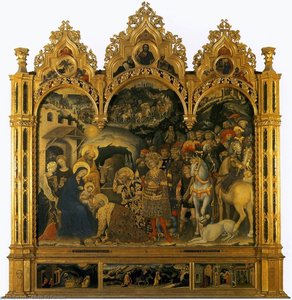
Gentile da Fabriano's magnum opus—the *Adoration of the Magi*, commissioned by Palla Strozzi, a wealthy banker and connoisseur residing in Florence—represents an unparalleled achievement of International Gothic artistry. Executed circa 1423, this monumental altarpiece transcends mere depiction; it aspires to evoke profound spiritual contemplation through masterful manipulation of color and light—a hallmark of the style’s ambition. The panel, signed by Gentile himself, is considered the most significant exemplar of International Gothic painting in Italy, securing its place as a cornerstone of Renaissance art history.- Composition & Perspective: The scene unfolds with remarkable spatial depth, achieved through innovative perspectival techniques—a departure from traditional Byzantine iconography and foreshadowing developments within Early Renaissance painting.
- Symbolism & Iconography: Each element within the composition carries symbolic weight, reflecting medieval theological doctrines concerning humility, reverence, and divine grace. Notably, the depiction of Mary—presented with serene dignity—underscores the Virgin’s role as mediator between heaven and earth.
Technique & Material Innovation
Gentile da Fabriano's artistic prowess is evident in his meticulous attention to detail—a characteristic trait of International Gothic painters who prioritized textural richness and luminous color palettes. He employed tempera paint on gilded poplar wood, utilizing a technique that combined egg yolk with pigment—resulting in vibrant hues and unparalleled brilliance. Furthermore, the incorporation of gold leaf—particularly prominent in the draperies and halos—elevates the altarpiece to an astonishing level of opulence—a deliberate gesture intended to convey divine majesty and inspire awe within the viewer. The meticulous layering of glazes—creating subtle gradations of color—further enhances the painting’s ethereal quality, capturing the elusive beauty of light and shadow with breathtaking precision.- Gilded Poplar Wood: Gentile skillfully utilized gilded poplar wood as a substrate, maximizing the reflective properties of gold leaf to amplify the luminosity of the pigments.
- Glazing Technique: The artist’s masterful glazing technique—applying thin layers of translucent pigment—produced mesmerizing tonal harmonies and captured the subtle nuances of light diffusion.
Legacy & Enduring Influence
Gentile da Fabriano's *Adoration of the Magi* stands as a testament to the transformative power of artistic innovation—a beacon illuminating the path toward Renaissance splendor. His stylistic legacy extended far beyond his own lifetime, influencing generations of artists who embraced the International Gothic aesthetic and subsequently propelled the burgeoning Renaissance movement forward. Today, this masterpiece continues to captivate audiences worldwide—serving as an enduring symbol of medieval piety and artistic genius—inspiring admiration for its sublime beauty and prompting contemplation on its profound spiritual significance. Its meticulous detail and luminous color palette remain a source of inspiration for interior designers and art lovers alike, securing its place as one of the most treasured treasures of European art history.Ähnliche Kunstwerke
Über den Künstler
Frühes Leben und Werdegang
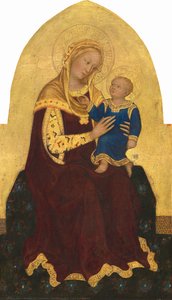
Gentile da Fabriano, ein italienischer Maler, wurde um 1370 in oder nahe Fabriano im Marche-Gebiet Italiens geboren. Seine Mutter verstarb vor 1380, und sein Vater, Niccolò di Giovanni Massi, zog 1385 in ein Kloster. Über Gentiles frühe künstlerische Ausbildung ist wenig bekannt, aber eines seiner ersten bekannten Werke, die Madonna mit Kind (ca. 1395-1400, heute in Berlin), zeigt den Einfluss der spätgotischen Malerei Norditaliens.Karrierehöhepunkte
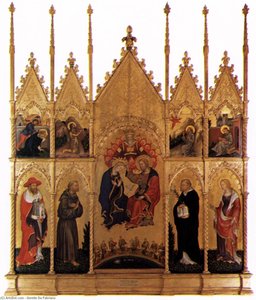
* Um 1405 arbeitete Gentile da Fabriano in Venedig, wo er ein Tafelbild für die Kirche Santa Sofia malte (heute verloren). Er kooperierte auch mit Jacopo Bellini und kannte Pisanello und Michelino da Besozzo. * Zwischen 1410 und 1412 schuf er eines seiner Meisterwerke, das Valle Romita Polyptychon (heute in der Pinacoteca di Brera). * Im Jahr 1423 malte Gentile da Fabriano sein berühmtes Altarbild, die Anbetung der Heiligen Drei Könige, heute in den Uffizien, das als eines der Meisterwerke des Internationalen Gotischen Stils gilt.Wichtige Werke und Standorte
- Gentile da Fabriano: Anbetung der Heiligen Drei Könige (10) (300 x 282 cm, Galleria degli Uffizi, Florenz, Italien)
- Valle Romita Polyptychon (Pinacoteca di Brera)
- Madonna mit Kind (verloren, ehemals im Palazzo dei Notai auf der Piazza del Campo, Siena)
Stil und Bedeutung
Gentile da Fabriano gilt als einer der Hauptvertreter des Internationalen Gotischen Stils in Italien. Sein Stil zeichnet sich durch eine detailreiche Darstellung, elegante Figuren und eine harmonische Farbgebung aus. Er kombinierte naive Erzählfreude mit höfischer Eleganz. Gentiles Werke beeinflussten die florentinischen Maler und bildeten das Gegenstück zum kargen Realismus Masaccios. Er war der Erste in der Reihe glänzender Maler Umbriens. Zu seinen Schülern zählen bedeutende Maler wie Pisanello oder Jacopo Bellini.Tod und Vermächtnis
Gentile da Fabriano starb vor dem 14. Oktober 1427. Er wurde in der Kirche Santa Maria in Trastevere, Rom, oder möglicherweise in der heute als S. Francesca Romana bekannte Kirche in Florenz begraben, obwohl sein Grab verschwunden ist. Sein Einfluss auf die Malerei des 15. Jahrhunderts war bedeutend und seine Werke werden bis heute für ihre Schönheit und ihren Detailreichtum geschätzt.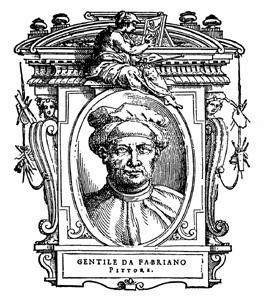
Gentile Da Fabriano
1370 - 1427 , Italien
Kurzinfos
- Bemerkenswerte Kunstwerke:
- Anbetung der Heiligen Drei Könige
- Valle Romita Polyptychon
- Madonna mit Kind (Berlin)
- Geburtsdatum: ca. 1370
- Geburtsort (Stadt, Land): Fabriano, Italien
- Künstler Oder Bewegungen, Die Von Diesem Künstler Beeinflusst Wurden:
- Florentinische Maler
- Frührenaissance
- Künstler, Die Diesen Künstler Beeinflussten: ['Norditalienische Gotik']
- Künstlerische Bewegung/Stil: International Gotik
- Nationalität: Italienisch
- Todatum: 1427
- Vollständiger Name: Gentile da Fabriano
Ähnliche Artikel
Leonardo da Vinci: Die 25 Meisterwerke für Ihr Zuhause | ArtsDot
Entdecken Sie die 25 Meisterwerke von Leonardo da Vinci! Erfahren Sie faszinierende Geschichten hinter Gemälden wie der Mona Lisa & Das letzte Abendmahl. Hochwertige Reproduktionen für Ihr Zuhause – jetzt bei ArtsDot entdecken!
Beyond Borders: The Spiritual & Stylistic Innovations of International Gothic Art
Explore the exquisite beauty & spiritual depth of International Gothic art. Discover key artists like Simone Martini & Pol de Limbourg, its origins, symbolism, and lasting influence on European painting. Expert insights at ArtsDot.
The Radiant Dusk of Medieval Vision: Exploring Late Gothic Art's Synthesis of Faith, Form & Emotionality (c. 1300-1500)
Explore the exquisite beauty & spiritual depth of Late Gothic art (c. 1300-1500). Discover key artists, symbolism, and its lasting influence on the Renaissance. Expert insights at ArtsDot.

Leonardo da Vinci: Synthese von Kunst, Wissenschaft und menschlicher Beobachtung – Eine Renaissance-Meisterleistung für den Kenner
Entdecken Sie Leonardo da Vincis revolutionäre Kunst und Wissenschaft! Expertenanalyse seiner Meisterwerke, Techniken wie Sfumato & Chiaroscuro. Für Kenner und Sammler.
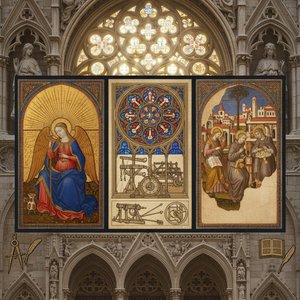
Illuminating the Fourteenth Century: Art, Innovation & Enduring Legacies (1300-1400)
Explore the transformative art of the 14th century! Discover Gothic masterpieces, International Style innovations, and the precursors to the Renaissance. Expert insights & historical context at ArtsDot.