

 Vorschau anzeigen
 Versenden
 Teilen
 Details anzeigen

 Herunterladen
 Ähnliche Objekte
 Röntgenaufnahme
 Diashow
 Statistiken
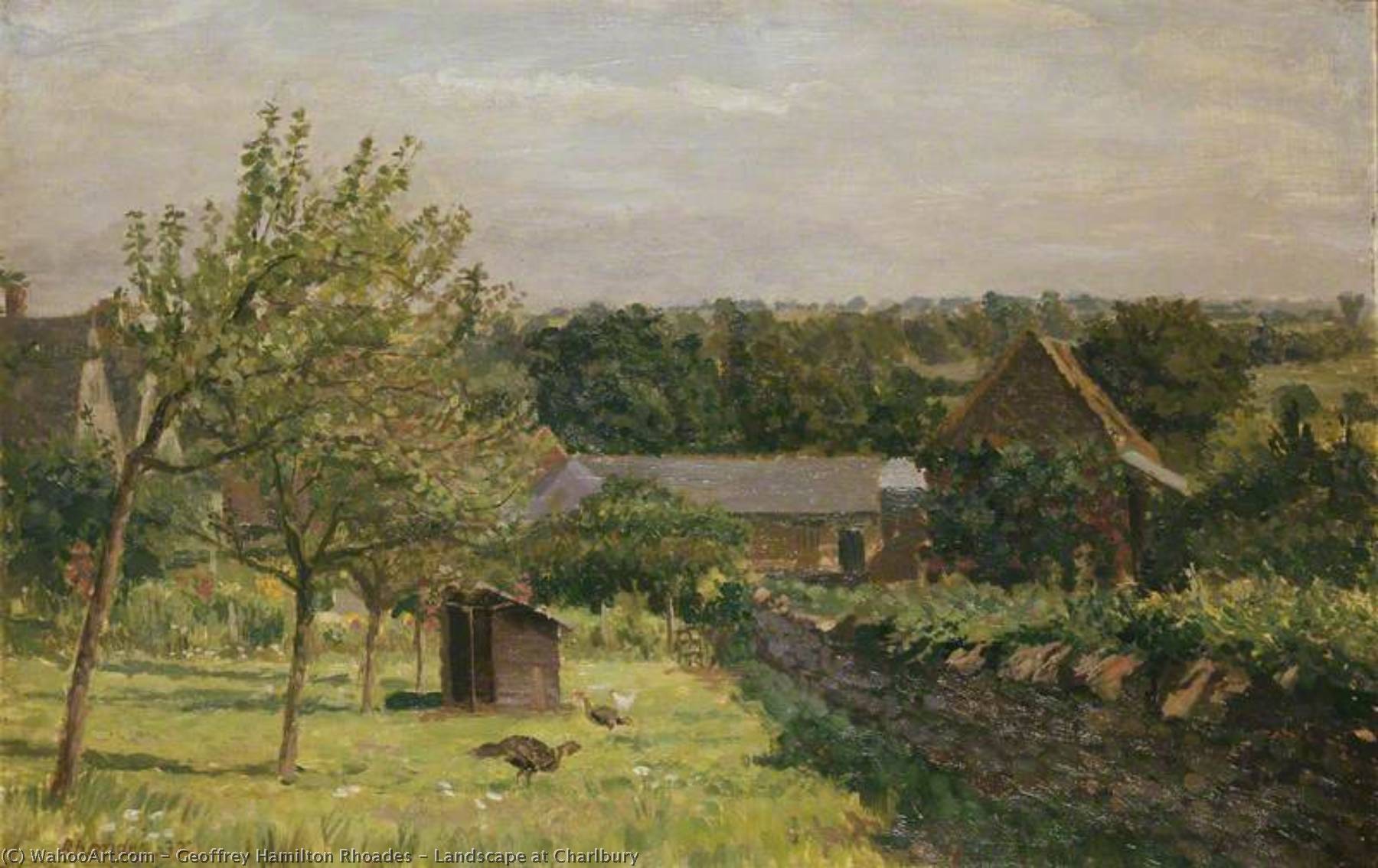
Landscape at Charlbury
 1932
1932 36.0 x 56.0 cm
 Ashmolean Museum of Art and Archaeology
 Weiterlesen
Erwerben Sie ein hochauflösendes, optimiertes digitales Bild, das der Online-Vorschau weit überlegen ist.
Jede Datei wird von unseren hauseigenen Spezialisten mit modernsten Werkzeugen und fachmännischer manueller Retusche sorgfältig vorbereitet. Wir stellen sicher, dass jedes Bild eine außergewöhnliche Klarheit, präzise Farbgenauigkeit und feinste Details aufweist.
Die endgültige Datei wird innerhalb von 72 Stunden per E-Mail zugestellt und ist für den sofortigen Einsatz in professionellen, redaktionellen und Druckumgebungen optimiert. Es handelt sich um dieselbe Qualität, der führende Designstudios, Verlage und Galerien vertrauen.
Digitales Bild
Laden Sie eine hochauflösende Datei für die persönliche Präsentation, den Druck und kreative Projekte herunter. ( Zu Druck wechseln Handgemalte Reproduktion bestellen)
In jeder Bestellung digitaler Bilder enthalten
Professionelle digitale Bereitstellung, garantiert
Wenn Sie sich für ArtsDot.com entscheiden, erhalten Sie nicht nur ein Bild – Sie erhalten ein professionell aufbereitetes digitales Kunstwerk, das mit höchster Präzision erstellt und durch eine Zufriedenheitsgarantie abgesichert wird. Hier ist alles, was automatisch mit Ihrer Bestellung geliefert wird:

Schnelle E-Mail-Zustellung
Ihre hochauflösende digitale Bilddatei wird Ihnen innerhalb von 72 Stunden nach der Bestellung per E-Mail zugestellt – bereit zur sofortigen Verwendung.

KI-optimierte digitale Datei
Ihre Kunstwerke werden professionell mithilfe fortschrittlicher KI-Tools und manueller Bearbeitung optimiert, um maximale Detailtreue, Klarheit und Farbgenauigkeit zu gewährleisten.

Lebenslanger kostenloser Neudruckservice
Datei versehentlich gelöscht oder verloren? Keine Sorge – wir senden sie Ihnen jederzeit kostenlos erneut zu.

Keine Einfuhrgebühren – jemals
Genießen Sie Ihr Kunstwerk sofort ohne Zollgebühren, Einfuhrabgaben oder Versandkosten – digitale Downloads sind immer steuerfrei.

Garantierte Farbtreue
Wir garantieren, dass Ihr digitales Bild mithilfe professioneller Werkzeuge und Farbmanagement die Originalfarben so präzise wie möglich wiedergibt.

100-Tage-Zufriedenheitsgarantie
Wenn Sie mit Ihrem digitalen Bild nicht zufrieden sind, werden wir es überarbeiten oder 100% innerhalb von 100 Tagen erstatten – ohne Wenn und Aber.

100% Geld-zurück-Garantie
Nicht zufrieden? Erhalten Sie innerhalb von 100 Tagen nach Erhalt Ihrer digitalen Datei eine vollständige Rückerstattung – ohne Wenn und Aber.

Rabatte bei Großbestellungen
3 Bilder kaufen, 10% sparen – 5 Bilder kaufen, 15% sparen – Ab 10 Bildern 20% sparen. Ideal für kreative Projekte, Galerien und Agenturen.
Composition and Elements
The painting features a small house surrounded by trees and grassy fields, with a dog resting in the foreground. The presence of the dog suggests that this painting may be capturing a moment of everyday life in the countryside. The surrounding landscape is characterized by a mix of greenery and rocky terrain, with several birds scattered throughout the scene. Nature plays a significant role in this painting, as it conveys a sense of tranquility and harmony with the environment. The artist's use of color and light adds to the serene atmosphere, creating a sense of depth and dimensionality.Similar Works
Other artists have also explored the theme of countryside landscapes in their works. For example, Camille Pissarro's painting Chestnut Trees at Osny is a beautiful depiction of a rural scene with trees and grass. You can find more information about this painting on ArtsDot.com.- Edward Hopper's City Roofs is another notable work that explores the theme of urban landscapes.
- Kazimir Severinovich Malevich's Three Girls is a pioneering work in the Suprematist movement.
The Landscape at Charlbury is a beautiful example of countryside art, showcasing the artist's ability to capture the serene and peaceful atmosphere of rural life. With its stunning composition and use of color, this painting is a must-see for anyone interested in art and nature.
Ähnliche Kunstwerke









Biografie des Künstlers
Geoffrey Hamilton-Rhoades: A Master of English Pastoral
Geoffrey Hamilton-Rhoades, born in Balham, London, in 1898, wasn’t a figure destined for the tumultuous currents of modern art initially. His early life, steeped in the traditions of his middle-class family – his father a respected civil servant and author – instilled within him a deep appreciation for classical culture and meticulous observation. This foundation, coupled with a formative education at Dulwich College, where he honed his artistic skills through drawing from classical casts, laid the groundwork for a career that would ultimately blossom into a celebrated depiction of the serene beauty of the English countryside.
His journey began not with grand pronouncements or revolutionary techniques, but with quiet dedication. After serving in the Mercantile Marine during World War I – an experience that undoubtedly broadened his perspective – he enrolled at the Slade School of Fine Art under the tutelage of Professor Henry Tonks. It was here, amidst a cohort of aspiring artists, that Rhoades’s innate talent truly began to emerge. Tonks's astute observation, famously noting Rhoades’s “something which I have not – imagination,” proved pivotal, recognizing a unique ability to imbue his landscapes with a subtle emotional resonance.
Early Influences and the Ruskin School
Rhoades’s artistic development was profoundly shaped by several key figures. The Slade provided him with technical mastery, but it was also through fellow students like John Mansbridge that he encountered the vibrant community of artists emerging in London. He found kinship with Charles Mahoney and James Laver, absorbing their perspectives on contemporary art and design. Crucially, Rhoades’s life took a transformative turn when he became associated with the Rothenstein family, particularly Michael Rothenstein, who introduced him to the influential Great Bardfield group – a collective of artists centered in the idyllic village of Bawden in Hertfordshire.
This connection to Great Bardfield proved instrumental. Rhoades’s work during this period began to reflect the group's emphasis on celebrating rural life and capturing the essence of the English landscape. He spent time at Stoke Rochford House, a retreat for artists, where he created murals and portraits, further refining his style and developing a distinctive approach to color and composition. The Turnor family’s hospitality fostered a sense of belonging and provided him with invaluable artistic guidance.
Teaching and Artistic Evolution
Rhoades's career wasn't solely defined by his own creative output; he also dedicated himself to nurturing the next generation of artists. From 1935 to 1945, he served as an art master at Bishop’s Stortford College, a role that allowed him to share his knowledge and passion for painting. Later, in 1953, he accepted a position as a tutor at the Ruskin School of Drawing in Oxford, a prestigious institution renowned for its focus on traditional techniques and artistic principles. This tenure at Ruskin spanned nearly two decades, culminating in 1972, during which time he developed close relationships with figures like Percy Horton and Richard Naish.
During this period, Rhoades’s work evolved subtly, reflecting a deepening understanding of light, atmosphere, and the nuances of rural life. He continued to produce evocative landscapes – scenes of rolling hills, meandering rivers, and charming villages – often imbued with a sense of quiet contemplation. His subjects included the River Evenlode, capturing its tranquil flow and the surrounding countryside with remarkable detail and sensitivity.
Later Years and Legacy
In 1934, Geoffrey married Joan Jenner, and they built a life together in Cuddington, Buckinghamshire. The tragic loss of his sister, Esmee, in 1980 marked a profound sorrow for Rhoades, but he continued to create art until his death in 1980. Throughout his career, Rhoades’s work was exhibited at prestigious galleries such as the Ashmolean Museum, Mall Galleries, and Sally Hunter Fine Art, and his paintings are now held by institutions including the Tate Gallery and the British Museum.
Geoffrey Hamilton-Rhoades's legacy lies in his ability to capture the timeless beauty of the English countryside with a quiet grace and understated elegance. His paintings offer a poignant reminder of a simpler time, inviting viewers to pause and appreciate the subtle wonders of the natural world. He remains a significant figure in British landscape art, celebrated for his mastery of technique, his sensitive portrayal of rural life, and his enduring contribution to the artistic heritage of England.
geoffrey hamilton rhoades
1898 - 1980
Kurzinfos
- Artistic Movement Or Style: Impressionism
- Artists Or Movements Influenced By This Artist:
- Bawden
- Ravilious
- Artists Who Influenced This Artist:
- Tonks
- Rothenstein
- Date Of Birth: 1898
- Date Of Death: 1980
- Full Name: Geoffrey Hamilton-Rhoades
- Nationality: British
- Notable Artworks:
- Landscape at Charlbury
- The River Evenlode
- The Valley
- Place Of Birth: London, England