

 Vorschau anzeigen
 Versenden
 Teilen
 Details anzeigen

 Herunterladen
 Ähnliche Objekte
 Röntgenaufnahme
 Diashow
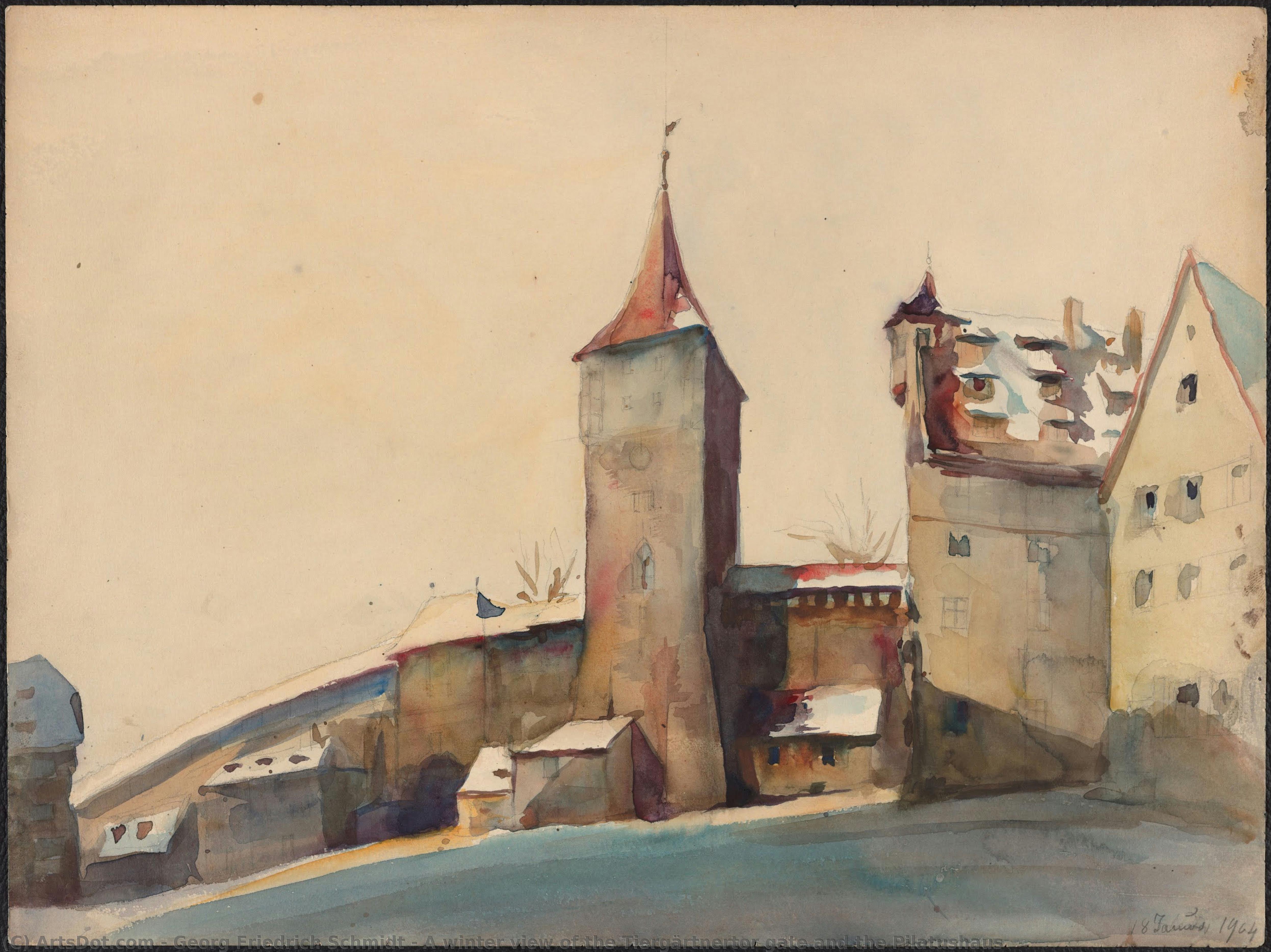
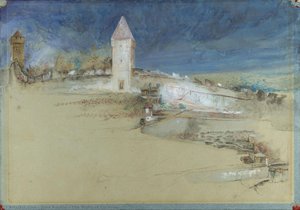
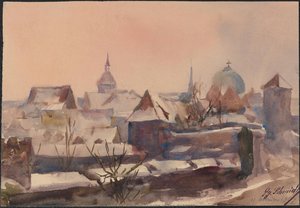
A winter view of the Tiergärtnertor gate and the Pilatushaus


 Weiterlesen
Giclée / Kunstdruck
Giclée- oder Leinwanddruck in Museumsqualität mit schneller Produktion und flexiblen Veredelungsoptionen. ( Handgemalte Reproduktion bestellen Bild kaufen)




P118B $10

P118H $10

P118W $10

P438Z $10

P508JH $12

P508YH $12

P805H $10

P805Z $10

P919BZ $10

P919G $10

P919XJ $10

P959ZH $10

P968JZ $12

W106C $8

W218G $10

W218JH $8

W218Y $10

W307PJ $10

W316G $10

W316PJ $8

W316Y $10

W398PJ $8

W4111J $10

W500HY $15

W500JH $15

W692G $12

W849H $8

W940BG $15

W953PJ $8




Wählen Sie aus unseren vordefinierten Formaten, die den ursprünglichen Proportionen des Kunstwerks entsprechen.

Sie können Ihre eigenen Maße eingeben, um ein bestimmtes Format oder einen speziellen Platz einzupassen. Wenn das von Ihnen gewählte Format nicht den Proportionen des Originalbildes entspricht, werden wir das Kunstwerk entweder beschneiden oder das Bild mit einem gespiegelten oder einfarbigen Rand erweitern. Ein digitaler Entwurf wird Ihnen zur Genehmigung zugesandt, bevor die Produktion beginnt.
Bitte beachten Sie, dass die Vorschau auf dem Bildschirm nicht den tatsächlichen Zuschnitt oder die Erweiterung widerspiegelt. Nur der Entwurf zeigt die endgültige Komposition präzise an.
Obwohl Sondermaße verfügbar sind, empfehlen wir die Auswahl eines Maßes aus der vordefinierten Liste, um die ursprünglichen Proportionen zu bewahren.
Weltweiter Versand () innerhalb von 2 Wochen statt der üblichen 4/5 Wochen. (26 August)

Kostenloser weltweiter Expressversand

Hochwertige Leinenleinwand

Umfassender Versicherungsschutz beim Versand

Zollgebühren-Rückerstattungsgarantie

Garantie für exakte Farbtreue

60 Tage Rückgaberecht (nur bei Mängeln)

100% Geld-zurück-Garantie

Mengenrabatt verfügbar
 Die Glasoption ist nur für Größen unter 110 cm verfügbar.

A winter view of the Tiergärtnertor gate and the Pilatushaus
Giclée / Kunstdruck
Format der Reproduktion
-


Gesamtpreis
$ 62
Sammlerstück-Beschreibung
A Frozen Moment in Nuremberg's History
In the quiet, crystalline stillness of a German winter, Georg Friedrich Schmidt captures a scene that transcends mere topography to become a poetic meditation on time and architecture. "A winter view of the Tiergärtnertor gate and the Pilatushaus" invites the viewer into a world draped in soft, snowy silence. The watercolor presents a breathtakingly delicate rendering of Nuremberg's historic landscape, where the imposing presence of the castle tower stands as a sentinel over the frost-covered grounds. Through the masterful use of light and subtle tonal shifts, Schmidt evokes the biting chill of the air and the muffled acoustics of a city blanketed in white, creating an atmosphere that is both serene and profoundly nostalgic.
The composition is anchored by the architectural interplay between the sturdy Tiergärtnertor gate and the adjacent Pilatushaus. There is a rhythmic beauty in how the structures emerge from the wintry haze, their silhouettes softened by the accumulation of snow. A particularly enchanting detail lies in the foreground, where a clock serves as a subtle memento mori—a gentle reminder of the passage of time amidst the enduring permanence of stone and monument. This juxtaposition between the fleeting nature of a single winter day and the centuries-old endurance of the German landscape adds a layer of philosophical depth that resonates with any observer.
Mastery of the Rococo Spirit
While the subject matter leans toward the topographical, Schmidt’s technical execution is deeply rooted in his refined, Rococo-influenced sensibility. As an artist trained in the prestigious Prussian Academy and influenced by the elegance of French masters, he brings a sophisticated lightness to this watercolor. The technique is characterized by a delicate touch, where washes of color bleed into one another to simulate the hazy, diffused light of an overcast winter sky. There is no harshness here; instead, the artist employs a soft palette of muted greys, brilliant whites, and subtle earth tones to build a sense of depth and atmospheric perspective.
For the discerning collector or interior designer, this piece offers more than just historical interest; it provides a sophisticated focal point for any curated space. The painting’s ability to evoke a sense of calm and quiet grandeur makes it an ideal selection for rooms designed for reflection or formal entertaining. Whether displayed in a classic study adorned with dark woods or as a bright, airy accent in a contemporary gallery-style living room, a high-quality reproduction of this work brings with it an aura of Old World elegance and a timeless connection to the artistic heritage of Europe.
Ähnliche Kunstwerke

Über den Künstler
Early Life and Artistic Pursuits
Georg Friedrich Schmidt, a name now synonymous with the refined elegance of 18th-century German art, was born in Wandsbek, near Hamburg, on January 24, 1712. His origins were humble; his family’s trade involved clothmaking, a profession that initially seemed destined for young Georg. However, from an early age, it became evident that Schmidt possessed a remarkable artistic talent—a gift that transcended the expected path. Recognizing this innate ability, his parents, with the encouragement of his teachers at the Prussian Academy of Arts, steered him towards a life dedicated to art. This pivotal decision marked the beginning of a distinguished career, one deeply rooted in the burgeoning Rococo style. Schmidt’s artistic journey began within the walls of the Prussian Academy of Arts, where he immersed himself in the study of engraving and etching. These techniques provided him with the foundational skills necessary to capture intricate details and nuanced expressions – qualities that would become hallmarks of his work. While initially focused on technical mastery, Schmidt's passion quickly extended beyond mere replication; he sought to imbue his creations with a sense of grace, charm, and subtle emotion.Artistic Influences and Notable Works
Schmidt’s artistic style is often described as quintessentially Rococo – a period characterized by its delicate ornamentation, playful themes, and an emphasis on elegance and refinement. His paintings are distinguished by their soft colors, flowing lines, and a remarkable ability to capture the fleeting beauty of everyday life. He was deeply influenced by artists such as Antoine Pesne, a court painter who recognized Schmidt’s potential and introduced him to Nicolas Lancret, another prominent figure in the Rococo movement. These connections provided Schmidt with invaluable guidance and exposure to the latest artistic trends. Among his most celebrated works is undoubtedly “Self-Portrait with Spider” (circa 1750). This captivating piece showcases Schmidt's exceptional skill in portraying human emotion – particularly introspection and vulnerability. The spider, a recurring motif in his work, symbolizes both fragility and resilience, adding layers of meaning to the portrait. It’s currently housed at the Kunsthalle Bremen, serving as a testament to Schmidt’s enduring legacy. Other notable works include depictions of court scenes, landscapes, and portraits of prominent figures, each rendered with meticulous detail and an undeniable sense of charm.Professional Milestones and Associations
Schmidt's career unfolded within the vibrant artistic circles of 18th-century Europe. He quickly gained recognition for his talent, leading to a series of significant professional milestones. Initially, he was befriended by Antoine Pesne, the director and court painter, who facilitated Schmidt’s studies in Paris, exposing him to the latest innovations in art and design. This connection with Pesne opened doors to collaborations with other influential artists, further enriching Schmidt's artistic development. Furthermore, Schmidt served as a military artist, initially conscripted into service but quickly released due to his exceptional talent – thanks to the intervention of Friedrich Wilhelm von Grumbkow. This experience provided him with valuable insights into composition and perspective, which he skillfully incorporated into his later works. His time in the Prussian army also fostered a sense of discipline and professionalism that undoubtedly contributed to his success as an artist. Schmidt’s career was further distinguished by his role as a court painter, commissioned to create portraits of prominent figures, including Frederick the Great – a commission that solidified his reputation as one of the era's most skilled portraitists. His ability to capture the personality and essence of his subjects made him highly sought after by royalty and nobility alike.Legacy and Remembrance
Georg Friedrich Schmidt’s impact on the art world is undeniable, leaving an enduring legacy that continues to inspire artists and enthusiasts today. His portraits, characterized by their elegance, grace, and subtle emotional depth, remain remarkably relevant. The Kunsthalle Bremen proudly displays “Self-Portrait with Spider,” ensuring that Schmidt's masterpiece remains accessible to a wide audience. Schmidt’s work is also featured in various collections across Europe, including the Gurlitt Collection at the Kunstsammlungen und Museen Augsburg – a collection with a complex and fascinating history, now preserved for public benefit. His contributions to the Rococo style are particularly noteworthy, demonstrating his mastery of color, composition, and technique. To delve deeper into Schmidt’s world, one can explore his works alongside those of other prominent artists of the era, such as François Boucher – whose own paintings share a similar emphasis on elegance and refinement. The ArtsDot website offers a comprehensive resource for discovering more about Schmidt's life and work, as well as exploring the broader context of 18th-century German art history.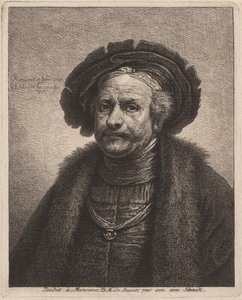
Georg Friedrich Schmidt
1712 - 1775 , Deutschland
Kurzinfos
- Artistic Movement Or Style: Rokoko
- Artists Or Movements Influenced By This Artist: ['Rococo Stil']
- Artists Who Influenced This Artist:
- Antoine Pesne
- Nicolas Lancret
- Date Of Birth: 24. Januar 1712
- Date Of Death: 25. Januar 1775
- Full Name: Georg Friedrich Schmidt
- Nationality: Deutsch
- Notable Artworks:
- Selbporträt mit Spinnen
- Panorama der Reichsburg
- Place Of Birth: Wandsbek, Deutschland
Ähnliche Artikel

Romantische Landschaften: Die 10 Meisterwerke, die eine Epoche prägten | ArtsDot
Entdecken Sie die 10 Meisterwerke der Romantischen Landschaftsmalerei! Von Caspar David Friedrich bis Turner – erleben Sie die Kunst, Emotion & Natur. Hochwertige Reproduktionen auf ArtsDot.com

Evocations of Place: A Historical Journey Through Landscape Art
Explore the rich history of landscape art with ArtsDot. Discover renowned artists, movements like Impressionism & Romanticism, and expert guidance for collecting timeless pieces. Find your perfect serene escape today!

John Constable: Die 25 Meisterwerke des englischen Landschaftsgenies – ArtsDot
Entdecken Sie die 25 Meisterwerke von John Constable! Erleben Sie englische Landschaftsmalerei vom Hay Wain bis zur Stour Valley. Hochwertige Reproduktionen & Kunst für Ihr Zuhause auf ArtsDot.com.

Evocations of Place: A Historical Journey Through Landscape Art
Explore the rich history of landscape art with ArtsDot. Discover renowned artists, movements like Impressionism & tonalism, and expert guidance for collecting timeless pieces. Find your perfect serene escape today!
Evoking Nature's Sublime: A Comprehensive Exploration of 19th-Century Landscape Painting
Explore the captivating world of 19th-century landscape painting! Discover renowned artists like Friedrich & Monet, key movements, and find the perfect artwork to bring nature's serenity into your home. Expert insights at ArtsDot.

