

 Vorschau anzeigen
 Versenden
 Teilen
 Details anzeigen

 Herunterladen
 Ähnliche Objekte
 Röntgenaufnahme
 Diashow
 Statistiken
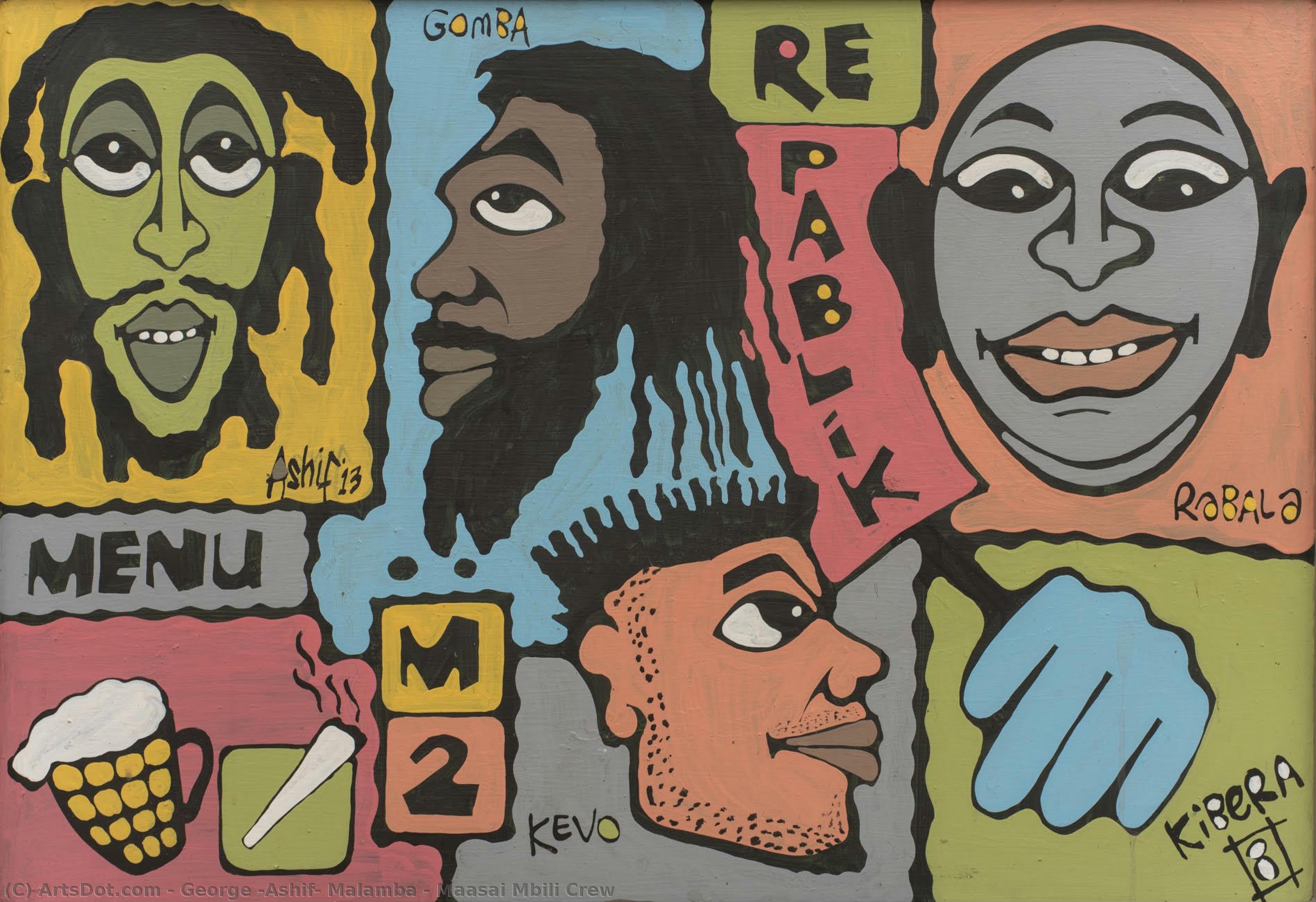
Maasai Mbili Crew

 Weiterlesen
Giclée / Kunstdruck
Giclée- oder Leinwanddruck in Museumsqualität mit schneller Produktion und flexiblen Veredelungsoptionen. ( Handgemalte Reproduktion bestellen Zum digitalen Bild wechseln)




































Wählen Sie aus unseren vordefinierten Formaten, die den ursprünglichen Proportionen des Kunstwerks entsprechen.

Sie können Ihre eigenen Maße eingeben, um ein bestimmtes Format oder einen speziellen Platz einzupassen. Wenn das von Ihnen gewählte Format nicht den Proportionen des Originalbildes entspricht, werden wir das Kunstwerk entweder beschneiden oder das Bild mit einem gespiegelten oder einfarbigen Rand erweitern. Ein digitaler Entwurf wird Ihnen zur Genehmigung zugesandt, bevor die Produktion beginnt.
Bitte beachten Sie, dass die Vorschau auf dem Bildschirm nicht den tatsächlichen Zuschnitt oder die Erweiterung widerspiegelt. Nur der Entwurf zeigt die endgültige Komposition präzise an.
Obwohl Sondermaße verfügbar sind, empfehlen wir die Auswahl eines Maßes aus der vordefinierten Liste, um die ursprünglichen Proportionen zu bewahren.
Weltweiter Versand () innerhalb von 2 Wochen statt der üblichen 4/5 Wochen. (9 September)

Kostenloser weltweiter Expressversand

Hochwertige Leinenleinwand

Umfassender Versicherungsschutz beim Versand

Zollgebühren-Rückerstattungsgarantie

Garantie für exakte Farbtreue

100-Tage-Rückgaberecht (nur bei Mängeln)

100% Geld-zurück-Garantie

Mengenrabatt verfügbar
 Die Glasoption ist nur für Größen unter 110 cm verfügbar.

Maasai Mbili Crew
Giclée / Kunstdruck
Format der Reproduktion
-


Gesamtpreis
$ 62
Ähnliche Kunstwerke







Über den Künstler
A Singular Vision: George ‘Ashif’ Malamba and the Legacy of Maasai Mbili
George ‘Ashif’ Malamba (1972 – 2015) emerged from Nairobi, Kenya, as a pivotal figure in contemporary Kenyan art, primarily recognized for his arresting depiction of the Maasai Mbili collective. This collective, based in Kibera—Kenya's largest slum—represented more than just a group of artists; it embodied resilience, cultural heritage, and a commitment to portraying marginalized voices within East African society. Malamba’s artistic journey began amidst the vibrant tapestry of Nairobi’s urban landscape, fostering an understanding of social realities that profoundly shaped his creative output.Early Influences: The Roots of Resilience
Malamba's formative years were steeped in Maasai culture and traditions. Growing up in Kibera instilled within him a deep empathy for communities facing hardship and displacement—sensibilities that would become central to his artistic vision. This profound connection to his surroundings fueled his desire to capture the spirit of Kibera’s inhabitants, transforming social observation into powerful visual storytelling. The influence of traditional Maasai art forms – particularly silhouette portraits – is palpable in Malamba's stylistic choices, demonstrating a deliberate harkening back to ancestral heritage as a means of conveying dignity and respect for identity.The Formation of Maasai Mbili Collective: A Collaborative Spirit
Malamba joined the Maasai Mbili collective in 2003, marking a significant turning point in his artistic trajectory. This group—composed of Gomba Otieno, Wiki, Rabala, Solo 7 and Kevo Stero—became synonymous with innovative approaches to portraiture and community engagement. Recognizing the importance of collective experience, Malamba’s collaborators pushed him to explore new mediums and techniques, fostering a dynamic exchange that enriched his artistic output. The collective's mission was to document Kibera’s daily life through art – capturing both its challenges and its triumphs—a testament to Malamba’s belief in art as a tool for social commentary.Technique and Style: Bold Outlines and Emotional Resonance
Malamba’s signature style revolved around bold outlines, meticulously applied to create striking portraits. This technique served not merely as a stylistic choice but as a deliberate strategy for emphasizing the faces—and therefore identities—of his subjects. The stark contrast between black and white heightened visual impact and underscored the importance of individual presence within the collective. Critics have noted this method’s connection to traditional African art forms, where silhouette portraits were historically employed to convey dignity and respect for elders. Malamba consciously adopted this stylistic element as a means of elevating his subjects beyond simple likenesses, transforming them into symbols of cultural pride and communal resilience. This technique powerfully communicates the importance of visual storytelling—telling stories through form and colorlessness—a hallmark of Malamba’s artistic philosophy.“Maasai Mbili Crew”: A Monument to Collective Identity
His most celebrated work, “Maasai Mbili Crew,” exemplifies this approach perfectly. This monumental portrait captures the essence of the collective’s spirit – a unified gaze directed outwards, conveying strength and solidarity amidst challenging circumstances. The meticulous detail in capturing each member's expression speaks volumes about Malamba’s dedication to portraying nuanced human experience. It is a piece that transcends mere representation; it aspires to communicate emotion and connection—a profound reflection of the collective’s shared struggles and aspirations. This painting solidified Malamba’s reputation as Kenya’s foremost portrait artist, cementing his legacy as an advocate for marginalized voices and a champion of artistic innovation.Legacy and Remembrance
Despite his untimely passing in 2015, George ‘Ashif’ Malamba continues to inspire the Kenyan artistic community. His unwavering commitment to portraying marginalized communities and his masterful use of bold outlines serve as enduring reminders of the power of art to illuminate social realities and celebrate cultural heritage. He remains a beacon for aspiring artists striving to honor tradition while forging new paths toward creative expression—a singular voice whose legacy will undoubtedly resonate within Kenya’s artistic landscape for years to come.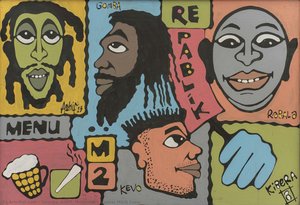
Ashif Malamba
1972 - 2015 , Kenien
Kurzinfos
- Artistic Movement Or Style: Contemporary Portraiture
- Date Of Birth: 1972
- Full Name: George Ashif Malamba
- Nationality: Kenyan
- Notable Artworks: ['Maasai Mbili Crew']
- Place Of Birth: Nairobi, Kenya