

 Vorschau anzeigen
 Versenden
 Teilen
 Details anzeigen

 Herunterladen
 Ähnliche Objekte
 Röntgenaufnahme
 Diashow
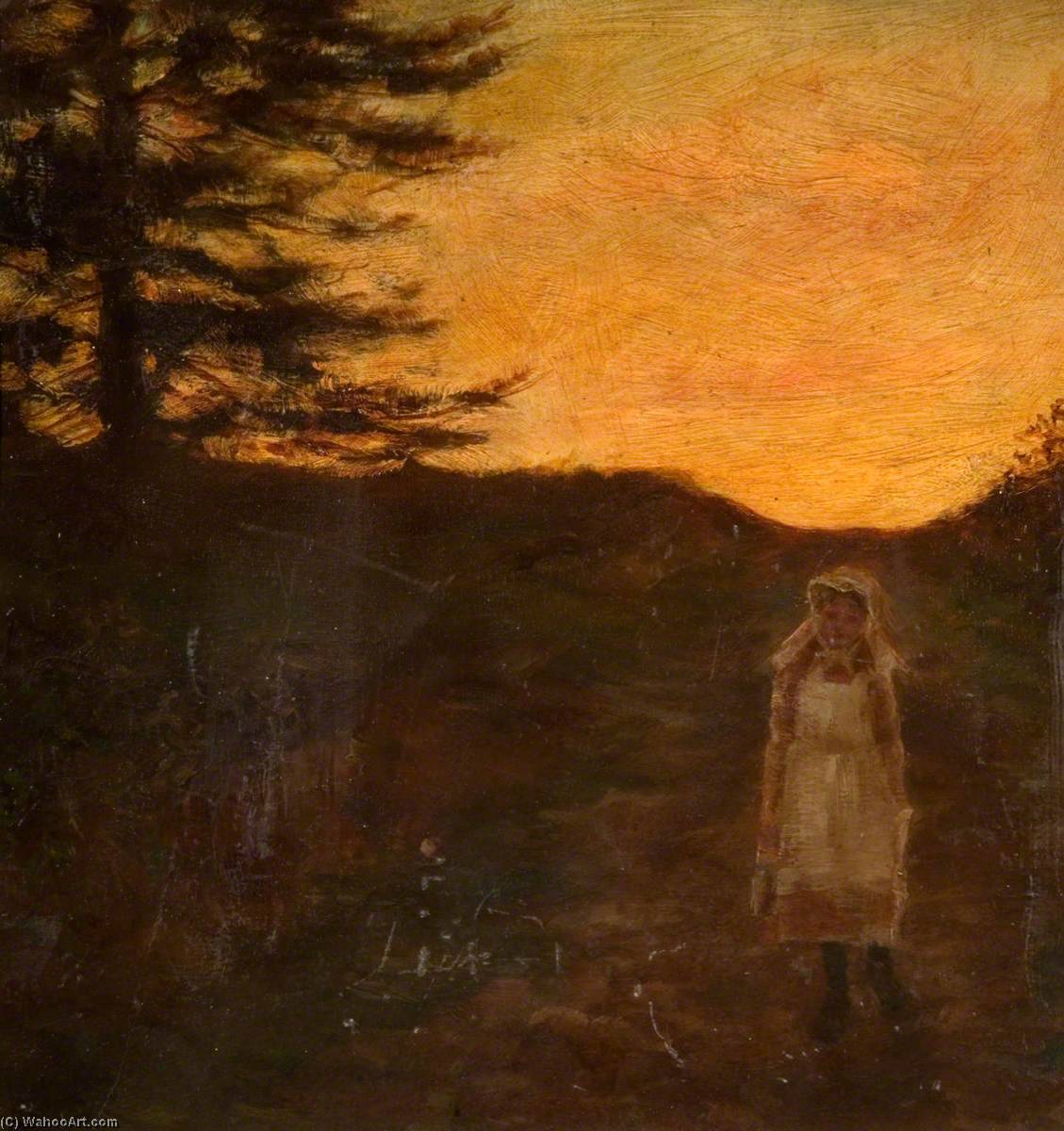
A Moorland Road, Bradshaw
 Hudson River School
 24.0 x 23.0 cm
 Weiterlesen
Handgefertigte Ölreproduktion
Handgemaltes Ölgemälde auf Leinwand in Ihrer Wunschgröße und mit Rahmen, auf Bestellung von unseren Künstlern angefertigt. ( Druck bestellen Bild kaufen)




































Wählen Sie aus unseren vordefinierten Formaten, die den ursprünglichen Proportionen des Kunstwerks entsprechen.

Sie können Ihre eigenen Maße eingeben, um einen bestimmten Rahmen oder Platz auszufüllen. Wenn die gewählte Größe nicht den Proportionen des Originalbildes entspricht, werden wir das Kunstwerk entweder beschneiden oder das Gemälde durch zusätzliche, handgemalte Elemente erweitern. Ein digitales Mockup wird Ihnen zur Genehmigung zugesandt, bevor die Produktion beginnt.
Bitte beachten Sie, dass die Bildschirmvorschau nicht die tatsächliche Beschneidung oder Erweiterung widerspiegelt. Nur das Mockup zeigt die endgültige Komposition exakt an.
Obwohl Sondermaße verfügbar sind, empfehlen wir, eine Größe aus der vordefinierten Liste zu wählen, um die ursprünglichen Proportionen beizubehalten.
Nach der Bestellung wird das ArtsDot.com-Team dem Kunden Anweisungen per E-Mail zusenden und eine Mockup-Vorschau bereitstellen.
Weltweiter Versand () in nur 3 bis 4 Wochen statt der üblichen 5 Wochen. (22 August). Keine Kompromisse bei der Qualität.

Kostenloser weltweiter Expressversand

Hochwertige Leinenleinwand

Umfassender Versicherungsschutz beim Versand

Zollgebühren-Rückerstattungsgarantie

Garantie für exakte Farbtreue

60 Tage Rückgaberecht (nur bei Mängeln)

100% Geld-zurück-Garantie

Mengenrabatt verfügbar
 Die Glasoption ist nur für Größen unter 110 cm verfügbar.

A Moorland Road, Bradshaw
Art der Reproduktion
Format der Reproduktion
-


Gesamtpreis
$ 263
Ähnliche Kunstwerke


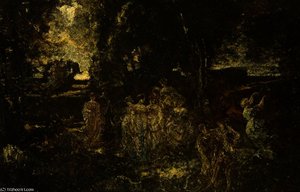
Über den Künstler
George Cartlidge: A Painter of Rural Tranquility
George Cartlidge (1868 – 1961) was a British landscape artist renowned for his serene depictions of the Cotswold Hills and surrounding countryside. Born in Horton Parish, Gloucestershire, Cartlidge’s artistic journey began modestly but blossomed into a prolific career marked by meticulous observation and an unwavering commitment to capturing the subtle beauty of the English rural landscape. His paintings are treasured for their atmospheric realism and quiet contemplation, reflecting a profound connection with the natural world that characterized Victorian England.Early Life and Artistic Influences
Cartlidge’s formative years were steeped in Gloucestershire’s artistic heritage. He was educated at Marlborough College and subsequently pursued studies at Slade School of Fine Art in London, where he honed his skills under influential instructors like Frederic Leighton and William Holman Hunt. These mentors instilled in him a deep appreciation for Pre-Raphaelite ideals – emphasizing detailed realism, luminous color palettes, and mythological subjects—which subtly permeated Cartlidge’s artistic sensibilities. The influence of luminism, particularly the work of George Daniell, is evident in his masterful use of light and shadow to convey mood and texture.Cartlidge's Landscape Style: Precision and Impression
Cartlidge distinguished himself from many of his contemporaries through a unique blend of meticulous technique and expressive impressionistic considerations. While adhering to strict anatomical accuracy—a hallmark of Victorian art—he skillfully employed atmospheric perspective, layering colors and brushstrokes to create convincing illusions of depth and distance. Unlike some artists who prioritized fleeting effects of light, Cartlidge painstakingly rendered every element of his scenes with painstaking detail: the individual blades of grass, the weathered stone walls of cottages, and the dappled sunlight filtering through tree branches. His canvases convey a palpable sense of stillness and tranquility, inviting viewers to immerse themselves in the quiet grandeur of the Cotswolds.Notable Works and Recognition
Cartlidge’s artistic output spanned several decades, producing over 300 paintings that are now housed in prominent collections across Britain and internationally. Among his most celebrated works include “Horton Landscape” (1895), a quintessential Cotswold scene capturing the golden hues of autumn foliage; "The Old Mill" (1902), depicting a picturesque watermill nestled amongst rolling hills; and “Mrs Alfred Leese, Aunt to George Cartlidge” (1895), a portrait imbued with warmth and familial affection. His paintings were exhibited regularly at the Royal Academy and garnered critical acclaim for their artistic merit and evocative portrayal of rural life. He was awarded an honorary fellowship by Slade School of Fine Art in 1936, acknowledging his contribution to British art history.Legacy and Enduring Appeal
George Cartlidge’s legacy extends beyond his impressive oeuvre; he remains a symbol of Victorian landscape painting's dedication to capturing the sublime beauty of the English countryside. His paintings continue to resonate with audiences today due to their timeless quality—a testament to his ability to distill complex emotions into simple, elegant compositions. Cartlidge’s work embodies the Victorian ethos of observation and appreciation for nature, reminding us of a bygone era characterized by artistic idealism and a profound connection to the natural world. His paintings are displayed in St George Church, Sopron, Hungary, showcasing Baroque art and Medieval roots.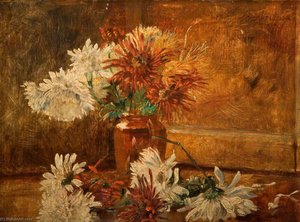
george cartlidge
1868 - 1961
Kurzinfos
- Artistic Movement Or Style: Romanticism
- Artists Or Movements Influenced By This Artist: ['Hudson River School']
- Artists Who Influenced This Artist: ['John Constable']
- Date Of Birth: 1868
- Date Of Death: 1961
- Full Name: George Cartlidge
- Nationality: British
- Notable Artworks:
- Horton Landscapes
- Field to Daisy House
- Place Of Birth: London, England
Ähnliche Artikel

Georges Braque: Die 25 Meisterwerke des Kubismus für Ihr Zuhause | ArtsDot
Entdecken Sie die 25 bedeutendsten Kunstwerke von Georges Braque – vom Kubismus bis zum Fauvismus. Erfahren Sie die Geschichten hinter den Meisterwerken und finden Sie hochwertige Reproduktionen für Ihr Zuhause auf ArtsDot.com.

Georges Seurat: Die 25 Meisterwerke des Pointillismus für Ihr Zuhause | ArtsDot
Entdecken Sie die 25 ikonischsten Meisterwerke von Georges Seurat! Tauchen Sie ein in die Welt des Pointillismus, der Farbtheorie und des Impressionismus. Hochwertige Kunst reproduzieren für Ihr Zuhause – jetzt auf ArtsDot.com!
Evoking Nature's Sublime: A Comprehensive Exploration of 19th-Century Landscape Painting
Explore the captivating world of 19th-century landscape painting! Discover renowned artists like Friedrich & Monet, key movements, and find the perfect artwork to bring nature's serenity into your home. Expert insights at ArtsDot.

Romantische Landschaften: Die 10 Meisterwerke, die eine Epoche prägten | ArtsDot
Entdecken Sie die 10 Meisterwerke der Romantischen Landschaftsmalerei! Von Caspar David Friedrich bis Turner – erleben Sie die Kunst, Emotion & Natur. Hochwertige Reproduktionen auf ArtsDot.com
George Barret der Ältere und die Entstehung der britischen Landschaftsmalerei: Ein Pionier des pastoralen Stils
Entdecken Sie das Werk von George Barret der Ältere, einem Pionier der britischen Landschaftsmalerei! Erfahren Sie mehr über seinen pastoralen Stil, Einfluss und die Entwicklung des Genres. Kunstgeschichte für Kenner.

