 Vorschau anzeigen
 Versenden
 Teilen
 Details anzeigen

 Herunterladen
 Ähnliche Objekte
 Röntgenaufnahme
 Diashow
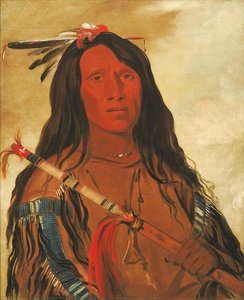
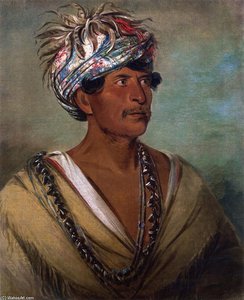
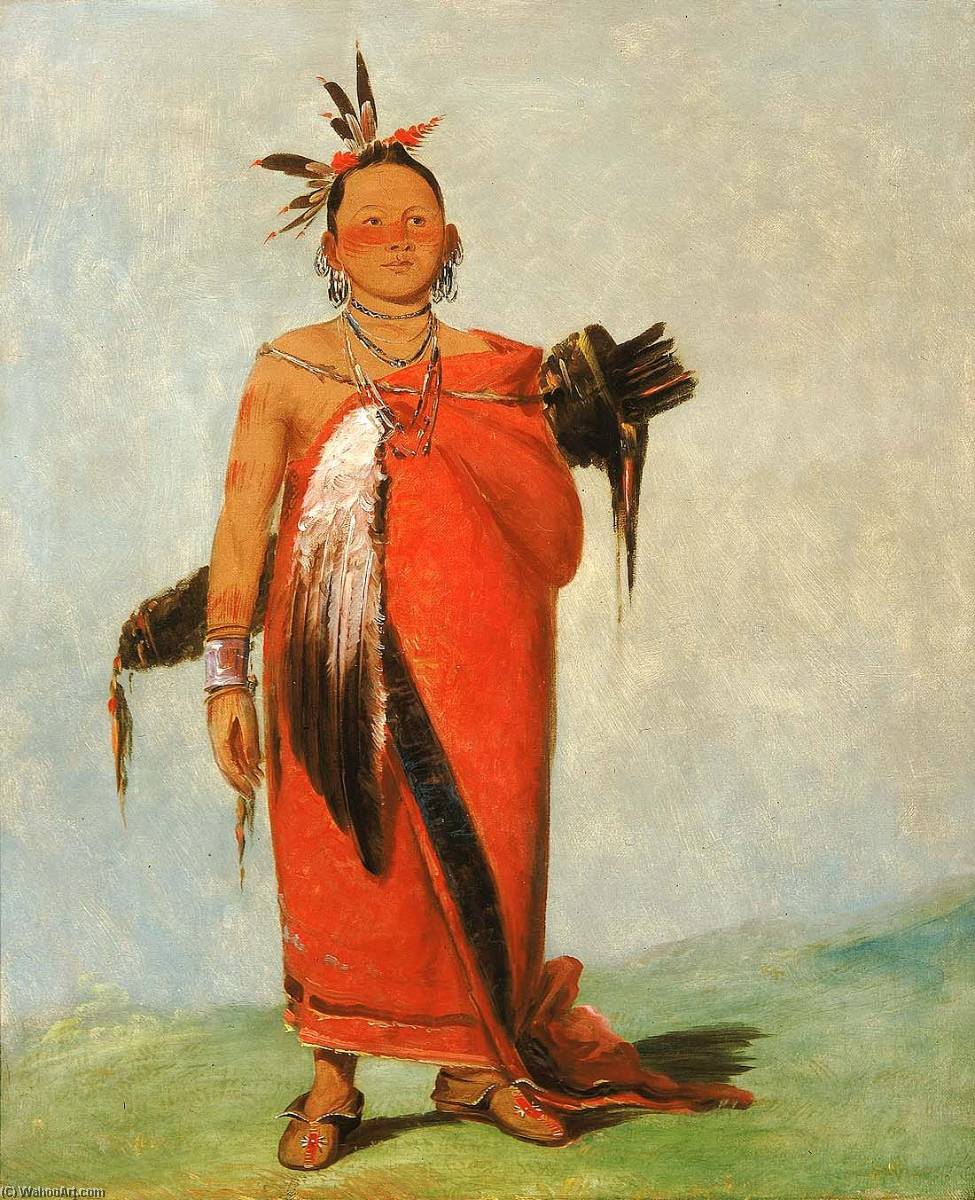
Hongs káy dee, Great Chief, Son of The Smoke
 Oil
Oil- WallArt
- Romanticism
 1832
1832- 19th Century
 74.0 x 61.0 cm
 Weiterlesen
Giclée / Kunstdruck
Giclée- oder Leinwanddruck in Museumsqualität mit schneller Produktion und flexiblen Veredelungsoptionen. ( Handgemalte Reproduktion bestellen Bild kaufen)




































Wählen Sie aus unseren vordefinierten Formaten, die den ursprünglichen Proportionen des Kunstwerks entsprechen.

Sie können Ihre eigenen Maße eingeben, um ein bestimmtes Format oder einen speziellen Platz einzupassen. Wenn das von Ihnen gewählte Format nicht den Proportionen des Originalbildes entspricht, werden wir das Kunstwerk entweder beschneiden oder das Bild mit einem gespiegelten oder einfarbigen Rand erweitern. Ein digitaler Entwurf wird Ihnen zur Genehmigung zugesandt, bevor die Produktion beginnt.
Bitte beachten Sie, dass die Vorschau auf dem Bildschirm nicht den tatsächlichen Zuschnitt oder die Erweiterung widerspiegelt. Nur der Entwurf zeigt die endgültige Komposition präzise an.
Obwohl Sondermaße verfügbar sind, empfehlen wir die Auswahl eines Maßes aus der vordefinierten Liste, um die ursprünglichen Proportionen zu bewahren.
Weltweiter Versand () innerhalb von 2 Wochen statt der üblichen 4/5 Wochen. (3 September)

Kostenloser weltweiter Expressversand

Hochwertige Leinenleinwand

Umfassender Versicherungsschutz beim Versand

Zollgebühren-Rückerstattungsgarantie

Garantie für exakte Farbtreue

60 Tage Rückgaberecht (nur bei Mängeln)

100% Geld-zurück-Garantie

Mengenrabatt verfügbar
 Die Glasoption ist nur für Größen unter 110 cm verfügbar.

Hongs káy dee, Great Chief, Son of The Smoke
Giclée / Kunstdruck
Format der Reproduktion
-


Gesamtpreis
$ 62
A Vision of the Vanishing Frontier
In the evocative masterpiece Hongs káy dee, Great Chief, Son of The Smoke, painted in 1832, we are transported to a pivotal moment in American history through the eyes of George Catlin. This striking portrait serves as more than just a depiction of a Native American leader; it is a profound window into a world that the artist felt was on the precipice of disappearance. The subject, a figure of immense dignity and presence, stands amidst a landscape that feels both intimate and expansive. Clad in a vibrant red dress adorned with intricate featherwork, the Great Chief commands the viewer's attention, his very posture embodying the strength and cultural resilience of his people. Catlin’s ability to capture the texture of the feathers and the weight of the ceremonial attire creates a tactile experience that brings the historical moment into the present day.
The composition is masterfully balanced, weaving together elements of the natural world with the human spirit. As the Chief holds a bird delicately in one hand while gripping a staff in the other, a subtle dialogue emerges between man and nature. The presence of additional birds—one soaring near the upper periphery and another perched upon his staff—suggests a deep, spiritual interconnectedness with the avian messengers of the plains. This symbolic layering elevates the painting from a mere ethnographic study to a poetic meditation on life, freedom, and the sacred bonds shared between all living creatures. For the discerning collector, this piece offers a narrative depth that transcends simple decoration, providing a focal point that invites contemplation and storytelling.
Technique and the Legacy of George Catlin
George Catlin’s technique in this work reflects his unique position as both an artist and a chronicler. Moving away from the rigid formalities of traditional portraiture, Catlin employed a style that prioritized the raw, emotional truth of his subjects. His brushwork, while precise enough to render the fine details of the Chief's headdress, possesses a fluid vitality that captures the movement of the wind through the grass and the soft light of the frontier sky. The color palette is dominated by the commanding crimson of the Chief's garments, which stands in brilliant contrast to the earthy tones of the mountainous backdrop, ensuring that the subject remains the undisputed heart of the composition.
For interior designers and art enthusiasts, a high-quality reproduction of this work offers an unparalleled opportunity to introduce historical gravity and warmth into a space. The painting’s ability to evoke a sense of adventure and reverence makes it a versatile choice for sophisticated settings, whether placed in a library, a grand study, or a contemporary living area. Owning such a piece is not merely about acquiring art; it is about preserving a fragment of a legendary legacy. It allows the spirit of the American West and the indomitable character of Hongs káy dee to reside within a modern home, serving as a constant reminder of the beauty found in heritage and the enduring power of the natural world.
Ähnliche Kunstwerke
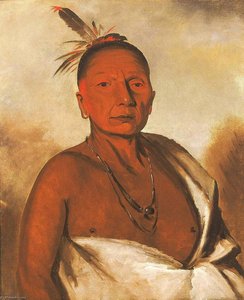
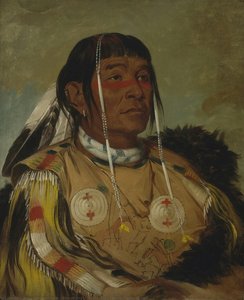
Über den Künstler
Frühes Leben und Karriere
- Geboren: 26. Juli 1796, Wilkes-Barre, Luzerne County, Pennsylvania
- Gestorben: 23. Dezember 1872
- Catlins Faszination für die amerikanischen Ureinwohner wurde durch Geschichten seiner Mutter über die Westgrenze und ihre Gefangennahme durch einen Stamm geweckt.
- Frühe Arbeiten umfassten Radierungen von Sehenswürdigkeiten entlang der Route des Erie-Kanals in New York State, die in Cadwallader D. Coldens Memoiren veröffentlicht wurden.
Künstlerische Beiträge und Stil
- Catlins Hauptaugenmerk wurde die Dokumentation des Lebens und der Kultur der amerikanischen Ureinwohner durch Malerei.
- Er unternahm fünf Expeditionen in den amerikanischen Westen während der 1830er Jahre, beobachtete und dokumentierte seine Erfahrungen sorgfältig.
- Bemerkenswerte Werke:
- Ball-Play of the Choctaw – Zeigt Aufmerksamkeit für Details und die Erfassung der Kultur der amerikanischen Ureinwohner.
- Mó-sho-la-túb-bee, He Who Puts Out and Kills, Chief of the Tribe – Demonstriert Geschicklichkeit im Porträt und Engagement für die Bewahrung des kulturellen Erbes.
- A Seminole Woman – Hervorhebung der Fähigkeit, Schönheit und Würde einzufangen.
- Stil: Catlins Stil ist gekennzeichnet durch Realismus, lebendige Farben und den Wunsch, die Bräuche und Traditionen der amerikanischen Ureinwohner genau darzustellen. Er fügte oft detaillierte Hintergründe und Landschaften hinzu, um seinen Motiven Kontext zu geben.
Wichtige Errungenschaften & Die Indian Gallery
- Catlin schuf eine umfangreiche Sammlung von über 500 Gemälden, die verschiedene Stämme und Aspekte ihres Lebens darstellen.
- Er stellte diese Werke in das sogenannte "Indian Gallery" zusammen, ein umfassendes visuelles Dokument der Kultur der amerikanischen Ureinwohner.
- Die Indian Gallery wurde in London, Paris und Berlin ausgestellt und erlangte internationale Anerkennung für Catlins Arbeit.
- Seine Veröffentlichungen, darunter Manners, Customs, and Condition of the North American Indians (1841) und Last Rambles Amongst the Indians of the Rocky Mountains and the Andes (1868), festigten seinen Ruf als Autorität über die Kultur der amerikanischen Ureinwohner.
Späteres Leben & Vermächtnis
- Catlin verbrachte seine späteren Jahre damit, zu versuchen, seine Indian Gallery an die US-Regierung zu verkaufen und stieß dabei auf anfängliche Ablehnung.
- Er reproduzierte über 400 Gemälde in einer "Cartoon Collection".
- Trotz Herausforderungen hat Catlins Arbeit einen bleibenden Einfluss darauf gehabt, wie amerikanische Ureinwohner in der Kunst und Populärkultur dargestellt werden.
- Historische Bedeutung: Catlins sorgfältige Dokumentation liefert wertvolle Einblicke in das Leben der Stämme der amerikanischen Ureinwohner vor bedeutenden kulturellen Veränderungen aufgrund der Westexpansion. Seine Arbeit gilt als wichtige historische Aufzeichnung sowie künstlerische Leistung.
Einflüsse & Weitere Informationen
- Nützliche Links:
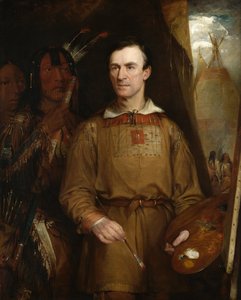
George Catlin
1796 - 1872 , Vereinigte Staaten von Amerika
Kurzinfos
- Bemerkenswerte Werke:
- Ball-Play of the Choctaw
- Mó-sho-la-túb-bee, Chief
- A Seminole Woman
- Geburtsdatum: 26. Juli 1796
- Geburtsort: Wilkes-Barre, Vereinigte Staaten
- Künstlerischer Stil: Frontier Malerei
- Nationalität: Amerikanisch
- Sterbedatum: 23. Dezember 1872
- Vollständiger Name: George Catlin
Ähnliche Artikel

Georges Braque: Die 25 Meisterwerke des Kubismus für Ihr Zuhause | ArtsDot
Entdecken Sie die 25 bedeutendsten Kunstwerke von Georges Braque – vom Kubismus bis zum Fauvismus. Erfahren Sie die Geschichten hinter den Meisterwerken und finden Sie hochwertige Reproduktionen für Ihr Zuhause auf ArtsDot.com.

Georges Seurat: Die 25 Meisterwerke des Pointillismus für Ihr Zuhause | ArtsDot
Entdecken Sie die 25 ikonischsten Meisterwerke von Georges Seurat! Tauchen Sie ein in die Welt des Pointillismus, der Farbtheorie und des Impressionismus. Hochwertige Kunst reproduzieren für Ihr Zuhause – jetzt auf ArtsDot.com!
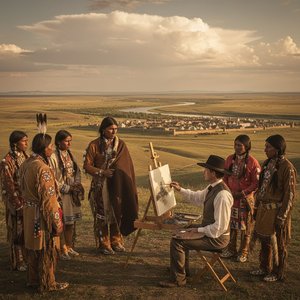
George Catlin und die Bewahrung des amerikanischen Westens: Eine visuelle Dokumentation indigener Lebensweisen im Zeitalter des Wandels
Entdecken Sie das faszinierende Werk von George Catlin und seine einzigartige Dokumentation der indigenen Kulturen des amerikanischen Westens. Erfahren Sie mehr über die Lebensweisen, Rituale und Traditionen der Native Americans im Zeitalter des Wandels.

Amerikanischer Realismus: Die 10 Meisterwerke, die eine Ära prägten | ArtsDot
Entdecken Sie die 10 Meisterwerke des Amerikanischen Realismus! Von Edward Hopper bis Winslow Homer – erleben Sie die Geschichten, Techniken & zeitlose Schönheit. Hochwertige Kunstdrucke auf ArtsDot.com.

Crimson Threads of Narrative: Exploring Symbolism & Representation in Artworks Featuring the Red Dress
Explore the rich symbolism of the red dress in art history! From ancient power displays to iconic portraits like Cézanne’s 'Madame Cezanne', discover the cultural and artistic significance behind this captivating color. Expert analysis & insights.