

 Vorschau anzeigen
 Versenden
 Teilen
 Details anzeigen

 Herunterladen
 Ähnliche Objekte
 Röntgenaufnahme
 Diashow
 Stats
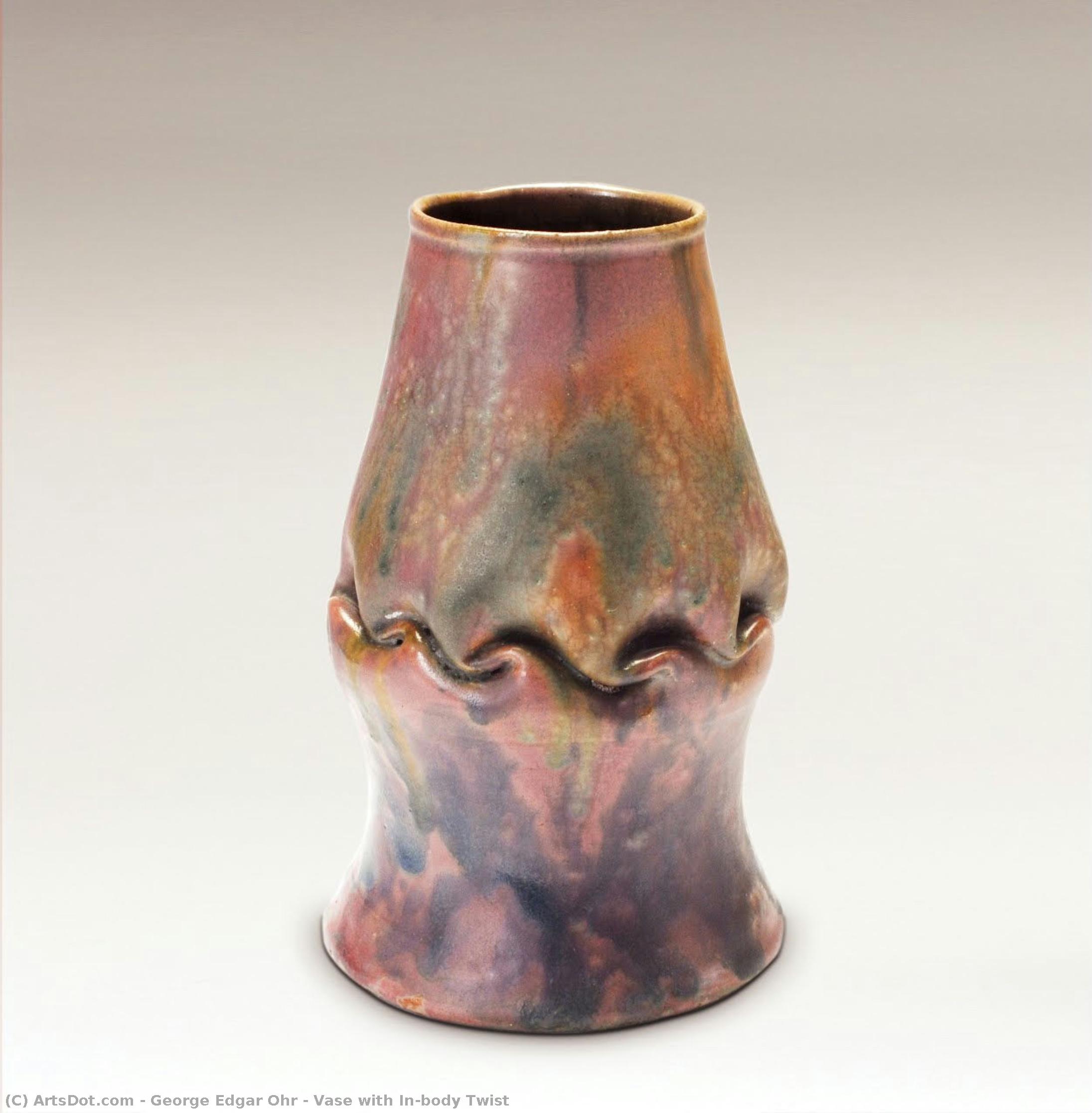
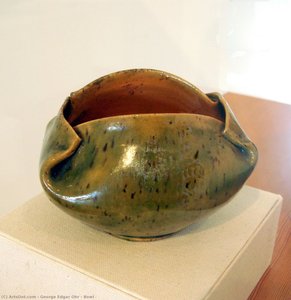
StatsVase with In-body Twist


 Weiterlesen
Erwerben Sie ein hochauflösendes, optimiertes digitales Bild, das der Online-Vorschau weit überlegen ist.
Jede Datei wird von unseren hauseigenen Spezialisten mit modernsten Werkzeugen und fachmännischer manueller Retusche sorgfältig vorbereitet. Wir stellen sicher, dass jedes Bild eine außergewöhnliche Klarheit, präzise Farbgenauigkeit und feinste Details aufweist.
Die endgültige Datei wird innerhalb von 72 Stunden per E-Mail zugestellt und ist für den sofortigen Einsatz in professionellen, redaktionellen und Druckumgebungen optimiert. Es handelt sich um dieselbe Qualität, der führende Designstudios, Verlage und Galerien vertrauen.
Digitales Bild
Laden Sie eine hochauflösende Datei für die persönliche Präsentation, den Druck und kreative Projekte herunter. ( Switch to Print Handgemalte Reproduktion bestellen)
In jeder Bestellung digitaler Bilder enthalten
Professionelle digitale Bereitstellung, garantiert
Wenn Sie sich für ArtsDot.com entscheiden, erhalten Sie nicht nur ein Bild – Sie erhalten ein professionell aufbereitetes digitales Kunstwerk, das mit höchster Präzision erstellt und durch eine Zufriedenheitsgarantie abgesichert wird. Hier ist alles, was automatisch mit Ihrer Bestellung geliefert wird:

Schnelle E-Mail-Zustellung
Ihre hochauflösende digitale Bilddatei wird Ihnen innerhalb von 72 Stunden nach der Bestellung per E-Mail zugestellt – bereit zur sofortigen Verwendung.

KI-optimierte digitale Datei
Ihre Kunstwerke werden professionell mithilfe fortschrittlicher KI-Tools und manueller Bearbeitung optimiert, um maximale Detailtreue, Klarheit und Farbgenauigkeit zu gewährleisten.

Lebenslanger kostenloser Neudruckservice
Datei versehentlich gelöscht oder verloren? Keine Sorge – wir senden sie Ihnen jederzeit kostenlos erneut zu.

Keine Einfuhrgebühren – jemals
Genießen Sie Ihr Kunstwerk sofort ohne Zollgebühren, Einfuhrabgaben oder Versandkosten – digitale Downloads sind immer steuerfrei.

Garantierte Farbtreue
Wir garantieren, dass Ihr digitales Bild mithilfe professioneller Werkzeuge und Farbmanagement die Originalfarben so präzise wie möglich wiedergibt.

100-Tage-Zufriedenheitsgarantie
Wenn Sie mit Ihrem digitalen Bild nicht zufrieden sind, werden wir es überarbeiten oder 100% innerhalb von 100 Tagen erstatten – ohne Wenn und Aber.

100% Geld-zurück-Garantie
Nicht zufrieden? Erhalten Sie innerhalb von 100 Tagen nach Erhalt Ihrer digitalen Datei eine vollständige Rückerstattung – ohne Wenn und Aber.

Rabatte bei Großbestellungen
3 Bilder kaufen, 10% sparen – 5 Bilder kaufen, 15% sparen – Ab 10 Bildern 20% sparen. Ideal für kreative Projekte, Galerien und Agenturen.
The Singular Vision of George Edgar Ohr: The Mad Potter of Biloxi
George Edgar Ohr (1857-1918), a name synonymous with innovation and eccentricity in the world of American ceramics, was born on July 12, 1857, in the coastal city of Biloxi, Mississippi. His parents, German immigrants seeking new opportunities, instilled in him a strong work ethic and perhaps a touch of the Old World’s artistic sensibility. However, it was the unique environment of Biloxi – a melting pot of cultures and a source of readily available clay – that truly nurtured his burgeoning talent. Ohr wasn't simply a potter; he was an explorer of form, texture, and glaze, relentlessly pushing the boundaries of what ceramic art could be. He embraced the moniker “Mad Potter of Biloxi,” not as a dismissal, but as a proud declaration of his unconventional approach and unwavering dedication to artistic freedom. Early Influences and Artistic Awakening Ohr’s journey into ceramics began somewhat serendipitously. After a restless youth spent traveling extensively throughout Europe – sketching landscapes and experimenting with various artistic mediums – he returned to Biloxi determined to forge his own path. Unlike many of his contemporaries who adhered to established conventions, Ohr rejected academic training and deliberately shunned traditional techniques. Instead, he sought inspiration in the natural world, particularly the vibrant colors and textures of the Mississippi Delta, transforming these observations into groundbreaking ceramic designs. His fascination with Japanese porcelain influenced his aesthetic sensibilities, prompting him to adopt a bold simplification of form and surface decoration. A Revolutionary Approach to Ceramics Ohr’s artistic philosophy centered on rejecting imitation and embracing spontaneity. He famously declared that he wanted to “make things that are not like anything else,” prioritizing intuition over meticulous craftsmanship. This radical stance resulted in a distinctive style characterized by asymmetrical shapes, undulating surfaces, and iridescent glazes – techniques unheard of in American ceramics at the time. Ohr’s studio was filled with hundreds of unfinished pieces, each reflecting his tireless experimentation and refusal to compromise on his vision. He meticulously crafted mugs, bowls, vases, and decorative tiles, often incorporating intricate twists and spirals into their designs—a deliberate departure from conventional forms. Symbolism and Emotional Resonance The “Mad Potter’s” creations weren't merely aesthetically pleasing; they carried profound symbolic meaning. Ohr believed that ceramics could convey emotions and ideas beyond mere visual representation. The swirling patterns on his vases mirrored the dynamism of nature, symbolizing growth, transformation, and the interconnectedness of all things. Furthermore, the iridescent glazes – achieved through a complex process involving layering multiple colors—created an ethereal glow, evoking feelings of wonder and contemplation. Ohr’s work speaks to a desire for liberation from societal constraints and celebrates the beauty of imperfection. Legacy and Influence George Edgar Ohr's influence extends far beyond his own lifetime. He is considered one of the pioneers of American Abstract Expressionism, paving the way for artists like Josef Albers and Larry Bell to explore similar concepts of form and color. His uncompromising artistic vision continues to inspire contemporary ceramicists and designers who seek to challenge conventions and embrace originality. Today, Ohr’s ceramics are housed primarily at the Ohr–O'Keefe Museum of Art in Biloxi, Mississippi, where they serve as a testament to his enduring legacy—a singular voice that dared to redefine the art form itself.Ähnliche Kunstwerke
Biografie des Künstlers
George Edgar Ohr: The Singular Vision of Biloxi
George Edgar Ohr, a name synonymous with innovation and eccentricity in the world of American ceramics, was born on July 12, 1857, in the coastal city of Biloxi, Mississippi. His parents, German immigrants seeking new opportunities, instilled in him a strong work ethic and perhaps a touch of the Old World’s artistic sensibility. However, it was the unique environment of Biloxi – a melting pot of cultures and a source of readily available clay – that truly nurtured his burgeoning talent. Ohr wasn’t simply a potter; he was an explorer of form, texture, and glaze, relentlessly pushing the boundaries of what ceramic art could be. He embraced the moniker “Mad Potter of Biloxi,” not as a dismissal, but as a proud declaration of his unconventional approach and unwavering dedication to artistic freedom.
Early Influences and Artistic Awakening
Ohr’s journey into ceramics began somewhat serendipitously. After a restless youth spent trying various trades in New Orleans, he found himself apprenticed to Joseph Fortune Meyer, a potter with connections to the Arts & Crafts movement. This apprenticeship provided Ohr with a solid foundation in traditional techniques, but it was his subsequent travels – a sixteen-state tour of American potteries – that ignited his creative spark. He absorbed diverse methods and styles, yet he wasn’t content to merely replicate; he sought to transcend convention. He returned to Biloxi determined to forge his own path, establishing his “Biloxi Art and Novelty Pottery” where he could fully realize his artistic vision. The clay from the nearby Tchoutacabouffa River became his medium, and his hands, his instruments of transformation.
A Revolution in Clay: Technique and Innovation
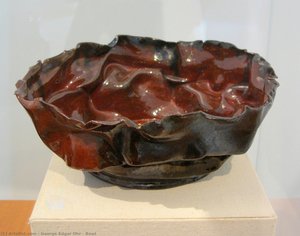
Ohr’s work stands apart due to its radical departure from prevailing ceramic norms. While many potters focused on functionality and symmetrical forms, Ohr embraced asymmetry, distortion, and a deliberate rejection of perfection. He pioneered techniques like twisting, crumpling, folding, and stretching the clay while still wet, creating vessels that seemed to defy gravity and challenge expectations. His glazes were equally experimental – vibrant, unpredictable, and often resembling molten metal or iridescent jewels. He wasn’t interested in simply decorating pottery; he was sculpting with color and light. He thinned his walls to an almost impossible degree, achieving a delicacy rarely seen in ceramics. This daring approach, combined with his unique glazes, resulted in pieces that were both visually stunning and structurally audacious. His work foreshadowed the abstract expressionist movement decades before it fully emerged, demonstrating a willingness to prioritize form and emotion over representational accuracy.
Years of Isolation and Rediscovery
Despite his innovative spirit, Ohr struggled for recognition during his lifetime. The public wasn’t always ready for his radical designs, and he often found himself at odds with prevailing tastes. Frustrated by the lack of appreciation and unwilling to compromise his artistic integrity, he ceased production around 1910, meticulously packing away thousands of pieces in his studio. He requested that his family leave the collection untouched for fifty years after his death, believing that future generations would be more receptive to his work. Sadly, Ohr passed away on April 7, 1918, during the influenza pandemic, largely unknown outside of Biloxi. It wasn’t until the late 1960s and early 1970s that his genius was finally recognized. James Carpenter, an antiques dealer, discovered the hidden trove of pottery and began to champion Ohr's work, introducing it to a wider audience. The rediscovery sparked a renewed interest in American ceramics and cemented Ohr’s place as a visionary artist.
Legacy and Enduring Influence
Today, George Edgar Ohr is celebrated as one of the most important figures in American ceramic history. His pioneering spirit continues to inspire artists around the world. His work can be found in major museums, including the Smithsonian Institution and the Metropolitan Museum of Art, and a dedicated museum – the Ohr–O'Keefe Museum of Art in Biloxi – stands as a testament to his enduring legacy.
- Ohr’s influence extends beyond ceramics.
- His willingness to challenge conventions resonates with artists across disciplines.
- He demonstrated that true artistic expression requires courage, independence, and an unwavering commitment to one's vision.
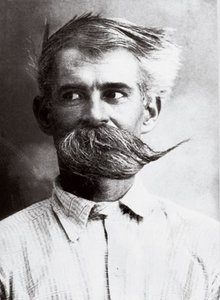
George Edgar Ohr (Der Wahnsinnige Töpfer von Biloxi)
1857 - 1918 , Vereinigte Staaten von Amerika
Kurzinfos
- Artistic Movement Or Style: Abstrakt Expressionismus
- Artists Or Movements Influenced By This Artist: ['Henry Portman']
- Artists Who Influenced This Artist: ['Joseph Fortune Meyer']
- Date Of Birth: 12 Juli 1857
- Date Of Death: 7 Apríl 1918
- Full Name: George Edgar Ohr
- Nationality: Amerikaner
- Notable Artworks:
- Tasse
- Schüssel
- Krümelgefäß
- Place Of Birth: Biloxi, USA