

 Vorschau anzeigen
 Versenden
 Teilen
 Details anzeigen

 Herunterladen
 Ähnliche Objekte
 Röntgenaufnahme
 Diashow
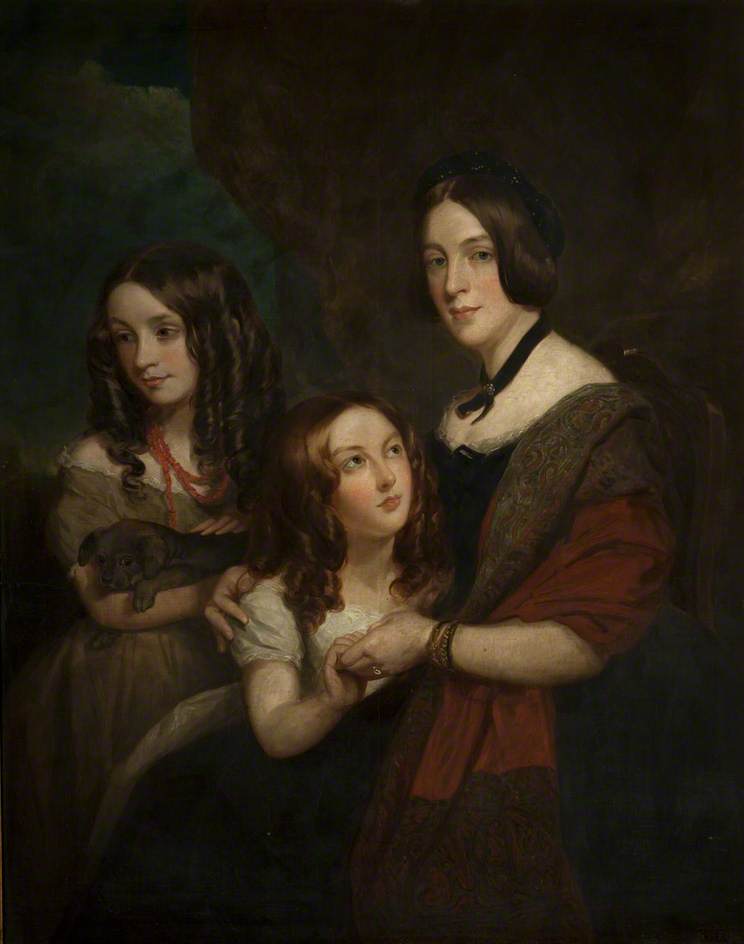
Lady Caroline Towneley with Two of Her Daughters, Caroline and Emily (copy after Francis Grant)
 1860
1860 124.0 x 99.0 cm
 Towneley Hall Art Gallery & Museum
 Weiterlesen
Giclée / Kunstdruck
Giclée- oder Leinwanddruck in Museumsqualität mit schneller Produktion und flexiblen Veredelungsoptionen. ( Handgemalte Reproduktion bestellen Bild kaufen)




































Wählen Sie aus unseren vordefinierten Formaten, die den ursprünglichen Proportionen des Kunstwerks entsprechen.

Sie können Ihre eigenen Maße eingeben, um ein bestimmtes Format oder einen speziellen Platz einzupassen. Wenn das von Ihnen gewählte Format nicht den Proportionen des Originalbildes entspricht, werden wir das Kunstwerk entweder beschneiden oder das Bild mit einem gespiegelten oder einfarbigen Rand erweitern. Ein digitaler Entwurf wird Ihnen zur Genehmigung zugesandt, bevor die Produktion beginnt.
Bitte beachten Sie, dass die Vorschau auf dem Bildschirm nicht den tatsächlichen Zuschnitt oder die Erweiterung widerspiegelt. Nur der Entwurf zeigt die endgültige Komposition präzise an.
Obwohl Sondermaße verfügbar sind, empfehlen wir die Auswahl eines Maßes aus der vordefinierten Liste, um die ursprünglichen Proportionen zu bewahren.
Weltweiter Versand () innerhalb von 2 Wochen statt der üblichen 4/5 Wochen. (23 August)

Kostenloser weltweiter Expressversand

Hochwertige Leinenleinwand

Umfassender Versicherungsschutz beim Versand

Zollgebühren-Rückerstattungsgarantie

Garantie für exakte Farbtreue

60 Tage Rückgaberecht (nur bei Mängeln)

100% Geld-zurück-Garantie

Mengenrabatt verfügbar
 Die Glasoption ist nur für Größen unter 110 cm verfügbar.

Lady Caroline Towneley with Two of Her Daughters, Caroline and Emily (copy after Francis Grant)
Giclée / Kunstdruck
Format der Reproduktion
-


Gesamtpreis
$ 62
Ähnliche Kunstwerke








Über den Künstler
George Frederick Clarke: A Master of Victorian Portraiture
George Frederick Clarke (1823 – 1906) stands as a pivotal figure in the annals of British portrait painting during the Victorian era, celebrated for his meticulous attention to detail and ability to capture the essence of his subjects—primarily members of the aristocracy and prominent historical figures. His artistic legacy resides not merely in the sheer number of commissions he undertook but also in the profound psychological insight conveyed through his canvases, cementing his place as one of the most respected artists of his time.Early Life and Artistic Training
Born in London in 1823, Clarke’s formative years were marked by a privileged upbringing within a family steeped in artistic patronage. His father, William Clarke, was a solicitor with considerable means and encouraged young George's burgeoning talent for drawing from an early age. Recognizing his son’s aptitude, he enrolled him at Marlborough College, where Clarke honed his skills under the tutelage of renowned watercolorist John Ruskin—a relationship that profoundly shaped his artistic sensibilities and instilled in him a deep appreciation for Ruskin’s Romantic ideals. This exposure to Ruskin's aesthetic principles would become an enduring influence on Clarke’s stylistic choices throughout his career.Style and Technique: The Ruskinian Influence
Clarke’s distinctive style emerged from the crucible of Ruskin’s teachings, characterized by a masterful command of watercolor technique combined with oil painting—a rare duality that allowed him to achieve unparalleled luminosity and textural complexity. He meticulously studied Ruskin's landscapes and portraits, absorbing his emphasis on capturing mood and emotion alongside precise observation. Clarke skillfully blended watercolor washes with thin glazes of oil paint, creating surfaces that shimmered with subtle color variations and conveyed a remarkable sense of atmosphere. His brushstrokes were deliberate yet graceful, conveying both strength and delicacy—a hallmark of his artistic vision.Notable Commissions and Artistic Achievements
Clarke’s prolific output resulted in an impressive portfolio of portraits spanning decades, securing commissions from influential families across Britain. Among his most celebrated works are depictions of Lord John James Robert Manners (later 7th Duke of Rutland), a Romantic masterpiece completed in 1874—a portrait that exemplifies Clarke's ability to distill complex psychological character into a single image. He also undertook commissions for members of the Royal Family, including portraits of Prince Edward VII and Queen Alexandra, demonstrating his artistic prowess and securing his reputation as one of the era’s foremost artists. Furthermore, he produced striking depictions of historical figures such as Florence Nightingale and Charles Darwin, capturing their intellect and conviction with remarkable accuracy.Historical Significance and Legacy
George Frederick Clarke's contribution to Victorian art history extends beyond mere stylistic innovation; it embodies a broader cultural preoccupation with portraying the dignity and complexity of human experience. His canvases serve as invaluable windows into the social milieu of his time—reflecting the values, anxieties, and aspirations of the aristocracy and intellectuals who commissioned him. Clarke’s meticulous technique and profound psychological insight continue to inspire admiration among art historians and collectors alike. He remains a testament to the enduring power of artistic observation and emotional resonance—a true master of Victorian portraiture whose legacy persists as a cornerstone of British art heritage.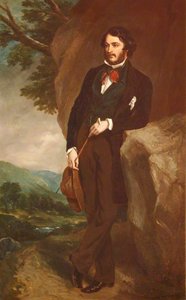
george frederick clarke
1823 - 1906
Kurzinfos
- Artistic Movement Or Style: Romanticism
- Artists Or Movements Influenced By This Artist: ['British Portraiture']
- Artists Who Influenced This Artist: ['Sir Thomas Lawrence']
- Date Of Birth: 1823
- Date Of Death: 1906
- Full Name: George Frederick Clarke
- Nationality: British
- Notable Artworks:
- Lord John James Robert Manners (1818–1906)
- Portrait of Lady Harriet Manners
- Place Of Birth: London, England

