 Vorschau anzeigen
 Versenden
 Teilen
 Details anzeigen

 Herunterladen
 Ähnliche Objekte
 Röntgenaufnahme
 Diashow
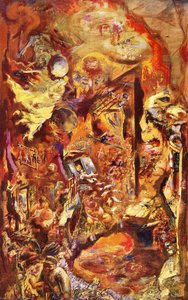
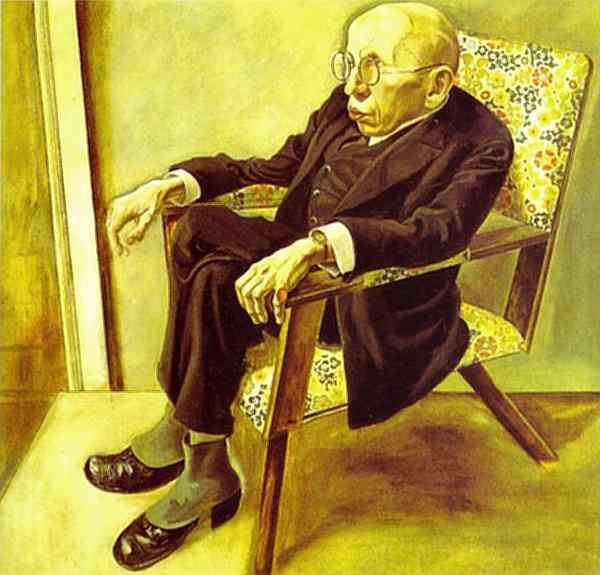
Portrait of the Writer Max Herrmann Neisse


 Weiterlesen
Giclée / Kunstdruck
Giclée- oder Leinwanddruck in Museumsqualität mit schneller Produktion und flexiblen Veredelungsoptionen. ( Handgemalte Reproduktion bestellen Bild kaufen)




P118B $10

P118H $10

P118W $10

P438Z $10

P508JH $12

P508YH $12

P805H $10

P805Z $10

P919BZ $10

P919G $10

P919XJ $10

P959ZH $10

P968JZ $12

W106C $8

W218G $10

W218JH $8

W218Y $10

W307PJ $10

W316G $10

W316PJ $8

W316Y $10

W398PJ $8

W4111J $10

W500HY $15

W500JH $15

W692G $12

W849H $8

W940BG $15

W953PJ $8




Wählen Sie aus unseren vordefinierten Formaten, die den ursprünglichen Proportionen des Kunstwerks entsprechen.

Sie können Ihre eigenen Maße eingeben, um ein bestimmtes Format oder einen speziellen Platz einzupassen. Wenn das von Ihnen gewählte Format nicht den Proportionen des Originalbildes entspricht, werden wir das Kunstwerk entweder beschneiden oder das Bild mit einem gespiegelten oder einfarbigen Rand erweitern. Ein digitaler Entwurf wird Ihnen zur Genehmigung zugesandt, bevor die Produktion beginnt.
Bitte beachten Sie, dass die Vorschau auf dem Bildschirm nicht den tatsächlichen Zuschnitt oder die Erweiterung widerspiegelt. Nur der Entwurf zeigt die endgültige Komposition präzise an.
Obwohl Sondermaße verfügbar sind, empfehlen wir die Auswahl eines Maßes aus der vordefinierten Liste, um die ursprünglichen Proportionen zu bewahren.
Weltweiter Versand () innerhalb von 2 Wochen statt der üblichen 4/5 Wochen. (27 August)

Kostenloser weltweiter Expressversand

Hochwertige Leinenleinwand

Umfassender Versicherungsschutz beim Versand

Zollgebühren-Rückerstattungsgarantie

Garantie für exakte Farbtreue

60 Tage Rückgaberecht (nur bei Mängeln)

100% Geld-zurück-Garantie

Mengenrabatt verfügbar
 Die Glasoption ist nur für Größen unter 110 cm verfügbar.

Portrait of the Writer Max Herrmann Neisse
Giclée / Kunstdruck
Format der Reproduktion
-


Gesamtpreis
$ 62
Sammlerstück-Beschreibung
Portrait of the Writer Max Herrmann Neisse: A Stark Vision of Weimar Berlin
George Grosz’s “Portrait of the Writer Max Herrmann Neisse,” painted in 1925, is more than just a likeness; it's a potent distillation of disillusionment and moral decay that defined the turbulent era of the Weimar Republic. Executed with his signature jagged lines and unsettlingly realistic detail, this portrait captures not merely the physical appearance of Max Herrmann Neisse, but also the weight of societal anxieties simmering beneath the surface of Berlin’s glittering façade. The subject himself, a writer, embodies the intellectual struggle against corruption and the looming threat of fascism that gripped Germany at the time.
- Subject & Composition: The painting immediately draws the viewer's eye to Max Herrmann Neisse seated in a chair, his posture conveying both weariness and quiet defiance. His glasses – a recurring motif in Grosz’s work – suggest an intellectual scrutiny, a critical engagement with the world around him. The arrangement of elements—the two chairs, the clock, and the carefully positioned background—creates a sense of contained tension, mirroring the precariousness of the era.
- Grosz's Style: Grosz’s distinctive style is immediately recognizable. He employs a deliberately crude technique, eschewing academic polish for a raw, almost brutal honesty. This wasn't simply about depicting reality; it was about exposing its ugliness with unflinching force. The use of dark, muted tones further amplifies the sense of unease and foreboding.
A Window into Weimar’s Soul
Painted in 1925, this portrait exists within a crucial period of German history – the Weimar Republic. This era was characterized by rapid industrialization, political instability, economic hardship, and the rise of extremist ideologies. Grosz, deeply affected by these conditions, used his art as a weapon against what he perceived as societal rot. “The Poet Max Herrmann-Neisse” reflects this broader context, serving as a visual indictment of the moral failings that contributed to Germany’s descent into totalitarianism. The inclusion of the clock is particularly significant, symbolizing the relentless march of time and the urgency with which Grosz felt the nation was hurtling towards disaster.
- Historical Context: Grosz's work directly responded to the social and political climate of Weimar Berlin. His art became a powerful critique of the burgeoning militarism, corruption, and social inequality that plagued the republic. The portrait can be seen as a warning—a stark reminder of the dangers inherent in unchecked power and moral compromise.
- The Writer’s Role: Neisse's profession – a poet – adds another layer of meaning to the painting. Poets were often considered the conscience of society, tasked with exposing injustice and challenging conventional wisdom. Grosz’s portrayal of him as a thoughtful, observant figure suggests a shared commitment to intellectual integrity in a time of widespread deception.
Symbolism and Emotional Impact
Beyond its historical significance, “Portrait of the Writer Max Herrmann Neisse” possesses a profound emotional impact. The subject’s gaze—a mixture of sadness, resignation, and perhaps even defiance—resonates with the viewer, inviting contemplation on themes of loss, disillusionment, and the struggle for truth. Grosz masterfully uses light and shadow to create a sense of drama and psychological depth, drawing us into the character's inner world. The overall effect is one of unsettling beauty – a testament to Grosz’s ability to transform personal observation into a powerful statement about the human condition.
- Color Palette: The predominantly dark color palette contributes significantly to the painting’s somber mood, reflecting the anxieties and uncertainties of the time.
- The Glasses as Symbol: As noted in available documentation, Grosz frequently employed glasses as a symbol of intellectual scrutiny and critical thinking – a visual representation of the artist's own questioning gaze.
A Valuable Reproduction
ArtsDot offers meticulously crafted hand-painted reproductions of George Grosz’s “Portrait of the Writer Max Herrmann Neisse,” ensuring that you possess an authentic piece of art history. Each reproduction is created using traditional artistic techniques, capturing the nuances of Grosz's style and the emotional depth of the original work. This artwork would be a striking addition to any collection or interior space, serving as a poignant reminder of a pivotal moment in German history and a testament to George Grosz’s enduring legacy.
Ähnliche Kunstwerke
Über den Künstler
Frühes Leben und Einflüsse
George Grosz, ein bedeutender Vertreter der Berliner Dada- und Neuen Sachlichkeit-Bewegung während der Weimarer Republik, wurde am 26. Juli 1893 in Berlin, Deutschland, geboren. Als Georg Ehrenfried Groß wuchs er in einer gläubig-lutherischen Familie auf, wobei sein Vater Gasthofbesitzer war. Grosz' frühes Leben war geprägt davon, dass seine Mutter nach dem Tod seines Vaters im Jahr 1901 die Verwalterin der Offizierskaserne der Husaren wurde.Künstlerische Entwicklung
Grosz begann seinen künstlerischen Weg unter der Anleitung eines lokalen Malers namens Grot und entwickelte seine Fähigkeiten weiter durch akribische Kopien von Trink- und Schlachtbildern Eduard von Grützners. Er studierte anschließend an der Kunstakademie Dresden (1909–1911) und später an der Berliner Kunsthochschule für Bildende Künste.Wichtige Werke und Stil
- „Die Strassenbahnszene“ ist ein frühes Werk, das Grosz' frühen Stil zeigt.
- „Das Pit“, ein Gemälde, das Grosz’ Dadaismus-Stil demonstriert, ist ein bemerkenswertes Beispiel für seine Arbeit.
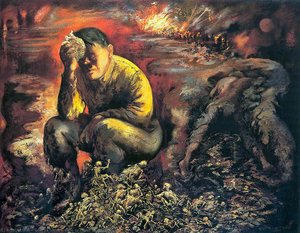
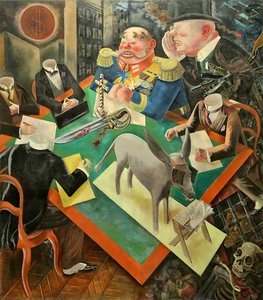
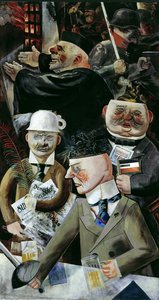
- Zusammen mit anderen Werken wie „Der Agitator“ und „Die Säulen der Gesellschaft“ zeigen diese Arbeiten seine satirische Kritik an der deutschen bürgerlichen Gemeinschaft.
- Diese Werke sind durch ihre karikaturistische Natur gekennzeichnet, oft mit morbiden und grausamen Bildern, die die faschistischen Kräfte in Deutschland symbolisierten.
Museumsbestände und Ausstellungen
Grosz' Werk befindet sich in verschiedenen Museen, darunter die Kunstsammlungen und Museen Augsburg und die Kunsthalle Bielefeld, die beide für ihre umfangreichen Sammlungen deutscher Kunst bekannt sind.Späteres Leben und Vermächtnis
Grosz emigrierte 1933 in die Vereinigten Staaten, wo er 1938 die US-amerikanische Staatsbürgerschaft erhielt. Er unterrichtete an der Art Students League of New York und stellte weiterhin seine Werke aus, bis zu seiner Rückkehr nach Berlin, wo er am 6. Juli 1959 verstarb. Wichtige Punkte:- Grosz war ein prominentes Mitglied der Berliner Dada- und Neuen Sachlichkeit-Gruppe.
- Seine Arbeit ist durch satirische Kritik an der deutschen bürgerlichen Gemeinschaft gekennzeichnet.
- Er emigrierte 1933 in die Vereinigten Staaten und erhielt 1938 die US-amerikanische Staatsbürgerschaft.
- Grosz' Vermächtnis wird weiterhin gefeiert, seine Werke sind in verschiedenen Museen in Deutschland zu finden.
- Für weitere Informationen über George Grosz besuchen Sie https://ArtsDot.com/@/george-grosz.
- Erkunden Sie die Sammlung der Kunstsammlungen und Museen Augsburg unter https://ArtsDot.com/@@/a@d3b449.
- Entdecken Sie die Kunsthalle Bielefeld und ihre umfangreiche Sammlung deutscher Kunst unter https://ArtsDot.com/@@/a@d3bw2r.
Referenzen:
Liste der deutsch-amerikanischen Personen (Wikipedia)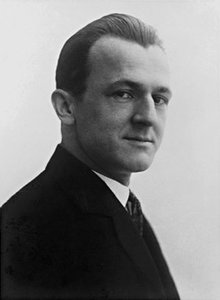
George Grosz
1893 - 1959 , Deutschland
Kurzinfos
- Bemerkenswerte Werke:
- Die Grube
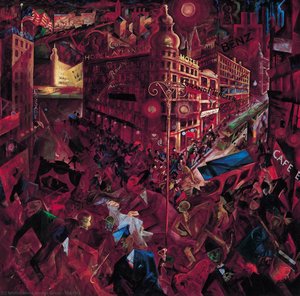
- Die Stadt
- Angriff
- Dr. Billig
- Die Säulen der Gesellschaft
- Geburtsdatum: 26. Juli 1893
- Geburtsort: Berlin, Deutschland
- Künstlerische Bewegung: Dadaismus, Neue Sachlichkeit
- Künstlerische Einflüsse: ['Eduard von Grützner']
- Nationalität: Deutsch, Amerikanisch
- Todatum: 6. Juli 1959
- Vollständiger Name: George Grosz
Ähnliche Artikel

Giclée Prints: Archival Quality & Aesthetic Nuances for the Discerning Collector
Explore the world of giclée prints with ArtsDot. Learn about archival quality, aesthetic nuances & investment potential. Expert guidance for discerning art collectors seeking museum-quality reproductions and lasting value.

Echoes of Time: Exploring the Enduring Appeal & Historical Context of Vintage Art Prints
Explore the captivating world of vintage art prints! Discover their history, collecting tips & enduring appeal. Expert insights on chromolithography and building a legacy collection with ArtsDot.
Transforming Spaces: A Comprehensive Exploration of Wall Decor Through Art History & Contemporary Practice
Explore the art of transforming spaces with our comprehensive guide to wall decor. From historical movements to contemporary trends, discover how to curate impactful interiors and commission bespoke artwork for a truly personalized aesthetic.
Die Rückkehr des Freskos: Wandgemälde als Luxusstatement für exklusive Innenräume
Entdecken Sie die Welt der Wandgemälde! Exklusive Designs für Hotels & Wohnräume. Expertenberatung, hochwertige Materialien & individuelle Kunstprojekte – Ihr Partner für einzigartige Raumgestaltung.

The Enduring Legacy of Fine Art Prints: Technique, History & Aesthetic Impact
Explore the rich history & techniques of fine art prints. Discover investment potential, assess authenticity, and learn how to preserve your collection with expert guidance. Trusted insights for discerning collectors.