

 Vorschau anzeigen
 Versenden
 Teilen
 Details anzeigen

 Herunterladen
 Ähnliche Objekte
 Röntgenaufnahme
 Diashow
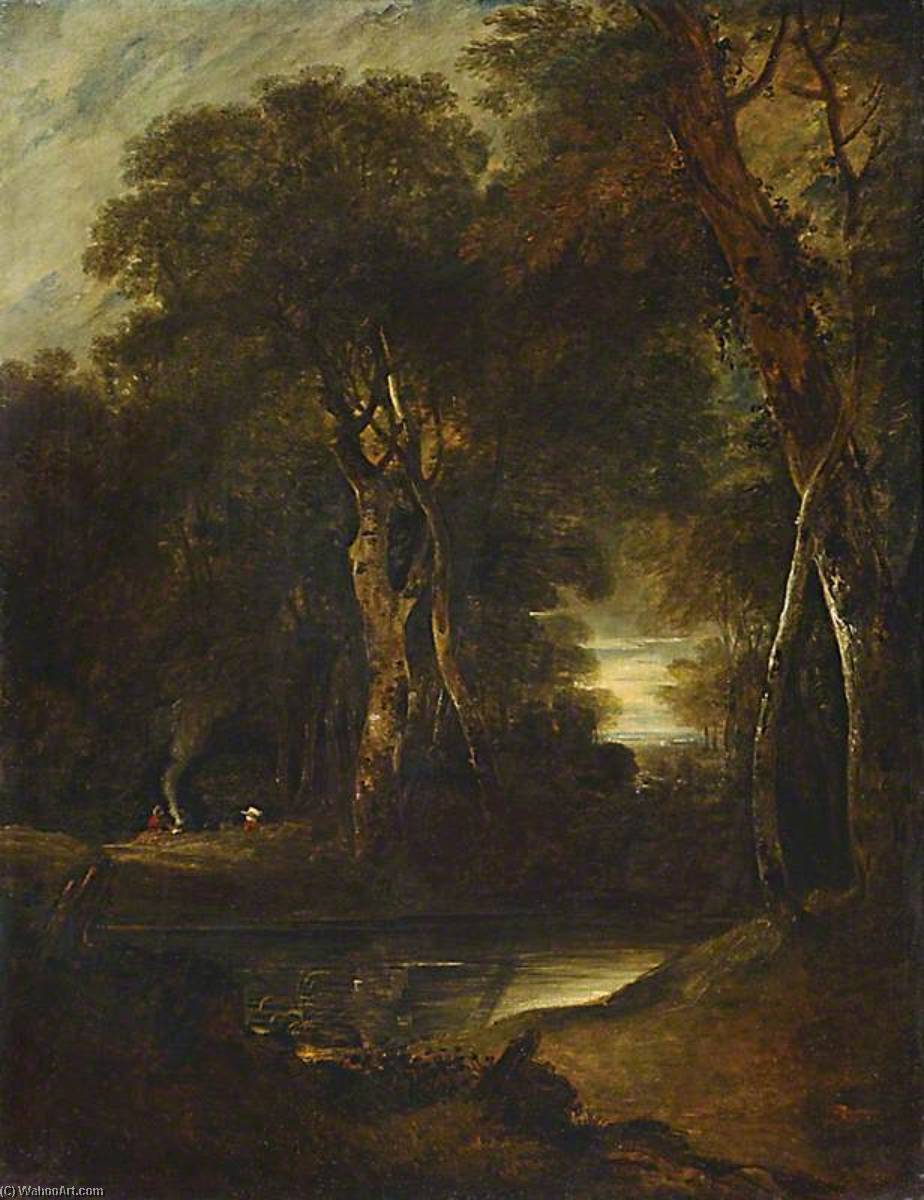
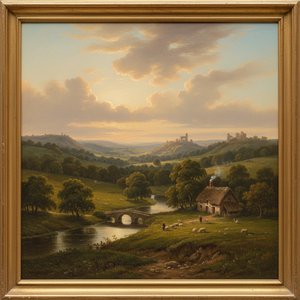
Woodland Scene with Gipsies
 Oil On Canvas
- WallArt
- Romantic Landscape
 1800
1800 90.0 x 70.0 cm
 Ashmolean Museum of Art and Archaeology
 Weiterlesen
Handgefertigte Ölreproduktion
Handgemaltes Ölgemälde auf Leinwand in Ihrer Wunschgröße und mit Rahmen, auf Bestellung von unseren Künstlern angefertigt. ( Druck bestellen Bild kaufen)




P118B $10

P118H $10

P118W $10

P438Z $10

P508JH $12

P508YH $12

P805H $10

P805Z $10

P919BZ $10

P919G $10

P919XJ $10

P959ZH $10

P968JZ $12

W106C $8

W218G $10

W218JH $8

W218Y $10

W307PJ $10

W316G $10

W316PJ $8

W316Y $10

W398PJ $8

W4111J $10

W500HY $15

W500JH $15

W692G $12

W849H $8

W940BG $15

W953PJ $8




Wählen Sie aus unseren vordefinierten Formaten, die den ursprünglichen Proportionen des Kunstwerks entsprechen.

Sie können Ihre eigenen Maße eingeben, um einen bestimmten Rahmen oder Platz auszufüllen. Wenn die gewählte Größe nicht den Proportionen des Originalbildes entspricht, werden wir das Kunstwerk entweder beschneiden oder das Gemälde durch zusätzliche, handgemalte Elemente erweitern. Ein digitales Mockup wird Ihnen zur Genehmigung zugesandt, bevor die Produktion beginnt.
Bitte beachten Sie, dass die Bildschirmvorschau nicht die tatsächliche Beschneidung oder Erweiterung widerspiegelt. Nur das Mockup zeigt die endgültige Komposition exakt an.
Obwohl Sondermaße verfügbar sind, empfehlen wir, eine Größe aus der vordefinierten Liste zu wählen, um die ursprünglichen Proportionen beizubehalten.
Nach der Bestellung wird das ArtsDot.com-Team dem Kunden Anweisungen per E-Mail zusenden und eine Mockup-Vorschau bereitstellen.
Weltweiter Versand () in nur 3 bis 4 Wochen statt der üblichen 5 Wochen. (23 August). Keine Kompromisse bei der Qualität.

Kostenloser weltweiter Expressversand

Hochwertige Leinenleinwand

Umfassender Versicherungsschutz beim Versand

Zollgebühren-Rückerstattungsgarantie

Garantie für exakte Farbtreue

60 Tage Rückgaberecht (nur bei Mängeln)

100% Geld-zurück-Garantie

Mengenrabatt verfügbar
 Die Glasoption ist nur für Größen unter 110 cm verfügbar.

Woodland Scene with Gipsies
Art der Reproduktion
Format der Reproduktion
-


Gesamtpreis
$ 263
Beschreibung des Kunstwerks
A Woodland Reverie: George Howland Beaumont’s “Woodland Scene with Gipsies”
George Howland Beaumont's "Woodland Scene with Gipsies," painted circa 1779-1800, is more than just a picturesque landscape; it’s a carefully constructed tableau of Romantic ideals and burgeoning social commentary. This oil on canvas, currently residing in the Ashmolean Museum, Oxford (accession number WA1845.42), offers a glimpse into the artistic sensibilities of a pivotal era – a time when the sublime beauty of nature was increasingly intertwined with reflections on humanity’s place within it.
The scene unfolds within a densely wooded area, dominated by towering trees whose branches intertwine to create a dappled light effect. The artist masterfully employs atmospheric perspective, subtly receding into the distance to suggest depth and scale. A small group of gipsies – travelers often viewed with suspicion and fascination – are depicted in the foreground, engaged in what appears to be a quiet moment of respite. Their clothing is rendered in muted tones, blending seamlessly with the surrounding foliage, while their faces retain an air of dignified reserve.
The Beaumont Legacy: A Painter’s Pursuit
Beaumont's artistic journey was profoundly shaped by his privileged upbringing and subsequent travels. Born into a landed gentry family in Dunmow, Essex, he received early training in landscape painting from Alexander Cozens, a leading figure of the Picturesque movement. However, it was his Grand Tour to Italy between 1782 and 1784 that truly ignited his passion for art and instilled within him an appreciation for the works of the Old Masters – particularly those of Claude Lorrain and Nicolas Poussin. These artists’ emphasis on idealized landscapes and carefully composed narratives profoundly influenced Beaumont's own style, evident in the balanced composition and serene atmosphere of “Woodland Scene with Gipsies.”
Furthermore, Beaumont’s own aristocratic background – he inherited a baronetcy at a young age – afforded him access to an extensive collection of art, fueling his desire to amass a similar trove. This personal collecting drive contributed significantly to the formation of the National Gallery in London, where he made the first significant bequest of paintings, demonstrating his commitment to making art accessible to the public.
Romanticism and Social Observation
“Woodland Scene with Gipsies” is a compelling example of the Romantic movement’s fascination with nature and its inherent beauty. However, it's not merely a celebration of the picturesque; there’s an underlying layer of social observation present in the depiction of the gipsies. While often romanticized as free spirits of the countryside, gipsies were frequently viewed with suspicion and prejudice by mainstream society. Beaumont subtly acknowledges this duality, presenting them not as caricatures but as individuals existing within a complex social landscape.
The painting’s muted palette – dominated by greens, browns, and greys – reinforces its contemplative mood. The artist's brushwork is loose and expressive, creating a sense of movement and vitality within the trees and foliage. Beaumont skillfully captures the interplay of light and shadow, evoking a feeling of tranquility and solitude. The inclusion of a small boat on the distant water adds a touch of narrative intrigue, hinting at journeys and possibilities beyond the immediate scene.
A Timeless Appeal
“Woodland Scene with Gipsies” remains a captivating work of art due to its harmonious blend of artistic skill, Romantic ideals, and subtle social commentary. It’s a painting that invites viewers to pause, reflect, and contemplate the relationship between humanity and nature – a theme that continues to resonate deeply in our own time. Reproductions of this piece offer an opportunity to bring this serene woodland scene into any interior space, evoking a sense of peace and connection with the natural world.
Ähnliche Kunstwerke
Über den Künstler
George Howland Beaumont: Kunstmäzen und Amateurmaler
- Geboren: Dunmow, Großbritannien (1753)
- Gestorben: 1827
Frühes Leben und künstlerische Anfänge
Sir George Howland Beaumont wurde 1753 in Great Dunmow, Essex, geboren. Er erbte von seinem Vater, Sir George Beaumont, dem 6. Baronet, im jungen Alter den Baronetsiegel und den Besitz. Nach seiner Ausbildung am Eton College erhielt er eine frühe künstlerische Ausbildung unter Alexander Cozens, einem Landschaftsmaler. Seine ersten Versuche als Maler waren bescheiden, aber ein entscheidender Moment kam mit seiner Grand Tour von 1782 zusammen mit seiner Frau Margaret. Diese Reise führte ihn mit Werken alter Meister in Berührung und erweiterte sein künstlerisches Geschmäck erheblich und legte den Grundstein für seine zukünftigen Sammlungsbemühungen.
Aufbau einer Kunstsammlung und Förderung
Nach seiner Rückkehr von seinen Reisen begann Beaumont, eine Sammlung alter Meister zu erstellen, trotz begrenzter finanzieller Mittel. Eine Schlüsselbeschaffung war Claude Lorrains *Eine Landschaft mit Hagar und dem Engel*, die zu seinem liebsten Stück wurde. Er stellte regelmäßig von 1794 bis 1825 bei der Royal Academy aus und etablierte sich als respektierter Amateurmaler. Beaumonts Gesellschaftskreis erweiterte sich durch seinen Wohnsitz in der 34 Grosvenor Square in London und seine Rolle als Tory-Parlamentsabgeordneter für Beer Alston von 1790 bis 1796. Er pflegte Beziehungen zu bedeutenden Persönlichkeiten wie den Lake Poets (William Wordsworth war ein lebenslanger Freund), Uvedale Price und anderen, die seinen künstlerischen Geschmack beeinflussten, insbesondere in Bezug auf die Picturesque-Bewegung und die flämische/niederländische Malerei.
Einfluss und künstlerische Entwicklung
Beaumonts Geschmack wurde von Einflüssen wie Richard Wilson und Thomas Hearne geprägt. Er nahm den Romantik in seiner eigenen Arbeit an, was sich in Gemälden wie *Aussicht in der Nähe von Keswick* (1779) zeigt. Dennoch blieb er ein glühender Verteidiger akademischer Traditionen und ein lautstarker Kritiker von Künstlern wie J.M.W. Turner, was eine konservative Haltung gegenüber künstlerischer Innovation widerspiegelte. Trotzdem nahm er einige sympathisierende Künstler auf, darunter den jungen John Constable, der es ihm ermöglichte, seine Sammlung alter Meister zu studieren. Diese Förderung führte zu Constables berühmtem Gemälde des Cenotaphs zum Gedenken an Sir Joshua Reynolds in Coleorton Hall.
Die Gründung der National Gallery
Beaumonts bedeutendster Beitrag zur britischen Kunstgeschichte war seine Rolle bei der Gründung der National Gallery. Er erkannte die Notwendigkeit einer öffentlichen Galerie, die alte Meister zeigt, und bot 16 Gemälde aus seiner Sammlung der Regierung an, unter der Bedingung, dass diese John Julius Angersteins Sammlung kauft und geeignete Räumlichkeiten beschafft. Dieses Angebot veranlasste das Parlament zum Handeln, was zur Erwerbung von Angersteins Sammlung und zur Eröffnung der National Gallery im Mai 1824 führte. Beaumonts Gemälde wurden im folgenden Jahr dem Bestand der Galerie hinzugefügt, was seinen Platz als eine entscheidende Figur in der Entwicklung britischer Kunstinstitutionen festigte.
Vermächtnis
Der Einfluss von Sir George Howland Beaumont reichte über seine eigenen künstlerischen Bemühungen hinaus. Sein Engagement für das Sammeln und die Förderung alter Meister, gepaart mit seiner Unterstützung aufstrebender Künstler wie Constable, bereicherte die britische Kunstlandschaft erheblich. Die Gründung der National Gallery ist ein Beweis für seine Vision und sein Engagement, große Kunst für die Öffentlichkeit zugänglich zu machen, wodurch seine bleibende Wirkung auf die Welt der Kunst sichergestellt wird.
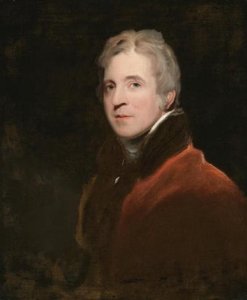
George Howland Beaumont
1753 - 1827 , Vereinigtes Königreich
Kurzinfos
- Bemerkenswerte Werke:
- Wooded Landscape
- Swiss Landscape
- Broughton Castle, Lancashire
- View near Keswick, Cumberland
- Geburtsdatum: 1753
- Geburtsort: Dunmow, Vereinigtes Königreich
- Künstlerische Bewegung: Romantik
- Künstlerische Einflüsse:
- Alexander Cozens
- Richard Wilson
- Thomas Hearne
- Nationalität: Britisch
- Todesdatum: 1827
- Vollständiger Name: George Howland Beaumont
Ähnliche Artikel

Georges Braque: Die 25 Meisterwerke des Kubismus für Ihr Zuhause | ArtsDot
Entdecken Sie die 25 bedeutendsten Kunstwerke von Georges Braque – vom Kubismus bis zum Fauvismus. Erfahren Sie die Geschichten hinter den Meisterwerken und finden Sie hochwertige Reproduktionen für Ihr Zuhause auf ArtsDot.com.

Georges Seurat: Die 25 Meisterwerke des Pointillismus für Ihr Zuhause | ArtsDot
Entdecken Sie die 25 ikonischsten Meisterwerke von Georges Seurat! Tauchen Sie ein in die Welt des Pointillismus, der Farbtheorie und des Impressionismus. Hochwertige Kunst reproduzieren für Ihr Zuhause – jetzt auf ArtsDot.com!
George Barret der Ältere und die Entstehung der britischen Landschaftsmalerei: Ein Pionier des pastoralen Stils
Entdecken Sie das Werk von George Barret der Ältere, einem Pionier der britischen Landschaftsmalerei! Erfahren Sie mehr über seinen pastoralen Stil, Einfluss und die Entwicklung des Genres. Kunstgeschichte für Kenner.

Romantische Landschaften: Die 10 Meisterwerke, die eine Epoche prägten | ArtsDot
Entdecken Sie die 10 Meisterwerke der Romantischen Landschaftsmalerei! Von Caspar David Friedrich bis Turner – erleben Sie die Kunst, Emotion & Natur. Hochwertige Reproduktionen auf ArtsDot.com

Evocations of Place: A Historical Journey Through Landscape Art
Explore the rich history of landscape art with ArtsDot. Discover renowned artists, movements like Impressionism & Romanticism, and expert guidance for collecting timeless pieces. Find your perfect serene escape today!

