

 Vorschau anzeigen
 Versenden
 Teilen
 Details anzeigen

 Herunterladen
 Ähnliche Objekte
 Röntgenaufnahme
 Diashow
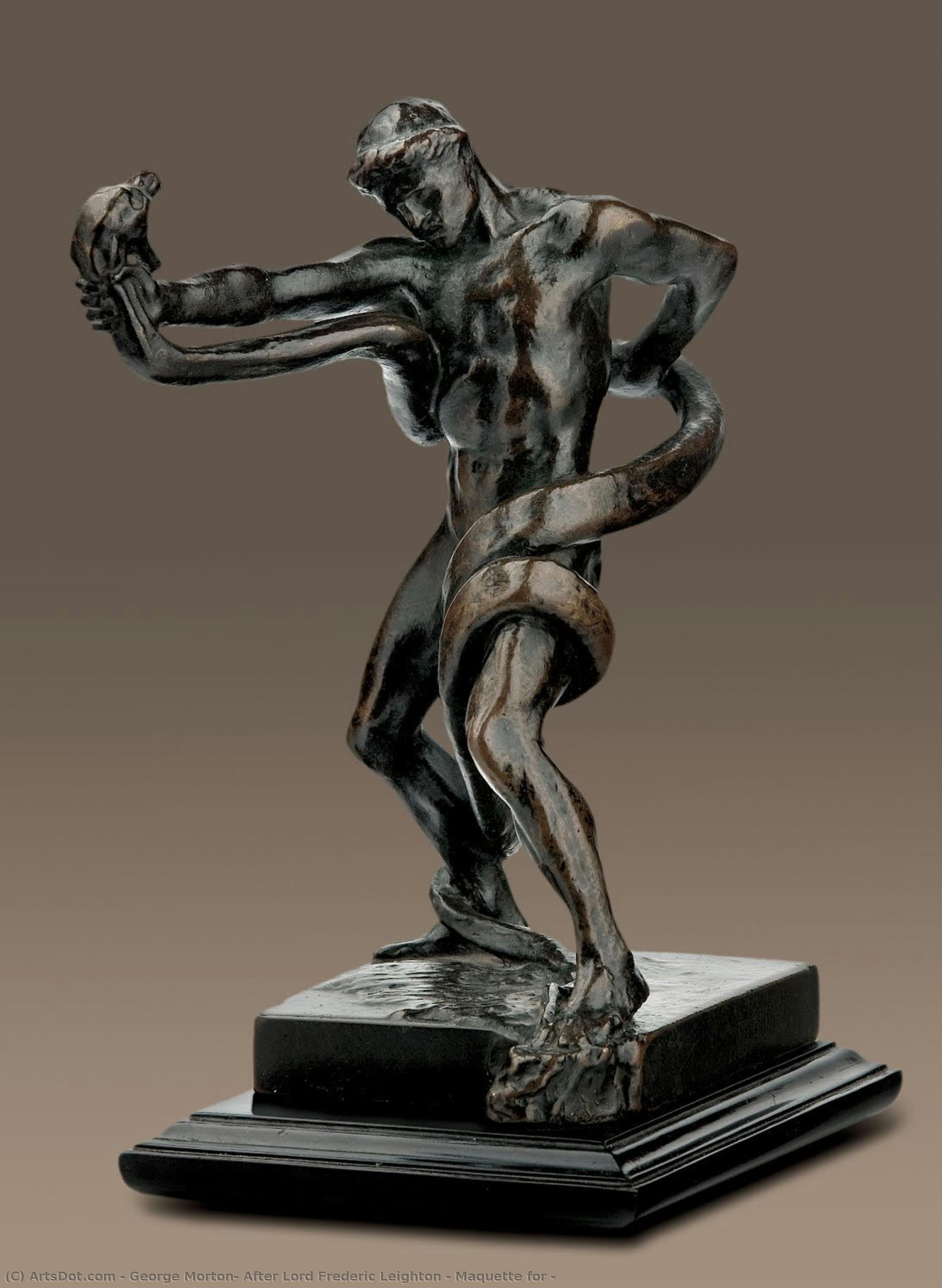
Maquette for
 1874
1874 10.0 x 40.0 cm
 Art Galerie von Südaustralien
 Weiterlesen
Handgefertigte Ölreproduktion
Handgemaltes Ölgemälde auf Leinwand in Ihrer Wunschgröße und mit Rahmen, auf Bestellung von unseren Künstlern angefertigt. ( Druck bestellen Bild kaufen)




































Wählen Sie aus unseren vordefinierten Formaten, die den ursprünglichen Proportionen des Kunstwerks entsprechen.

Sie können Ihre eigenen Maße eingeben, um einen bestimmten Rahmen oder Platz auszufüllen. Wenn die gewählte Größe nicht den Proportionen des Originalbildes entspricht, werden wir das Kunstwerk entweder beschneiden oder das Gemälde durch zusätzliche, handgemalte Elemente erweitern. Ein digitales Mockup wird Ihnen zur Genehmigung zugesandt, bevor die Produktion beginnt.
Bitte beachten Sie, dass die Bildschirmvorschau nicht die tatsächliche Beschneidung oder Erweiterung widerspiegelt. Nur das Mockup zeigt die endgültige Komposition exakt an.
Obwohl Sondermaße verfügbar sind, empfehlen wir, eine Größe aus der vordefinierten Liste zu wählen, um die ursprünglichen Proportionen beizubehalten.
Nach der Bestellung wird das ArtsDot.com-Team dem Kunden Anweisungen per E-Mail zusenden und eine Mockup-Vorschau bereitstellen.
Weltweiter Versand () in nur 3 bis 4 Wochen statt der üblichen 5 Wochen. (6 September). Keine Kompromisse bei der Qualität.

Kostenloser weltweiter Expressversand

Hochwertige Leinenleinwand

Umfassender Versicherungsschutz beim Versand

Zollgebühren-Rückerstattungsgarantie

Garantie für exakte Farbtreue

100 Tage Rückgaberecht (nur bei Mängeln)

100% Geld-zurück-Garantie

Mengenrabatt verfügbar
 Die Glasoption ist nur für Größen unter 110 cm verfügbar.

Maquette for
Art der Reproduktion
Format der Reproduktion
-


Gesamtpreis
$ 263
Ähnliche Kunstwerke







Über den Künstler
Frederic Leighton: A Victorian Master of Myth and Decoration
Frederic Leighton (1830–96) stands as a pivotal figure in 19th-century British art, a master whose career bridged the gap between academic tradition and the burgeoning aestheticism of his time. Born into a wealthy family with a strong artistic lineage – his father was a renowned portrait painter – Leighton’s early life fostered an environment steeped in artistic appreciation and rigorous training. He began his formal studies at the Royal Academy Schools, absorbing the classical ideals championed by the institution while simultaneously developing a keen interest in the dramatic narratives of mythology and history. Unlike many of his contemporaries who embraced the burgeoning realism of the day, Leighton remained firmly rooted in the Neoclassical style, meticulously studying ancient sculpture and architecture to inform his own artistic practice. This dedication to classical forms would become a defining characteristic of his work, shaping not only his subject matter but also his meticulous technique and idealized depictions of beauty.Early Influences and Artistic Development
Leighton’s formative years were profoundly shaped by his time in Paris (1854–63), where he immersed himself in the vibrant artistic scene and encountered works by masters such as Michelangelo, Raphael, and Ingres. The Louvre became a constant source of inspiration, fueling his fascination with classical sculpture and its ability to convey profound emotion through idealized forms. This exposure significantly influenced his approach to composition, color, and modeling – elements that would later become hallmarks of his distinctive style. Returning to England, he continued to refine his skills, working as an illustrator for *The Illustrated London News* and undertaking numerous commissions for public buildings, including the grand rondels in St. Paul’s Cathedral. These projects demanded a mastery of decorative techniques and a deep understanding of architectural design, further honing his artistic abilities and solidifying his reputation as a skilled designer. Crucially, he developed a meticulous working method, often beginning with detailed cartoons before executing the final painting – a process that reflected both his academic training and his desire to achieve unparalleled accuracy in rendering classical forms.The Grandeur of Myth and History
Leighton’s artistic output is characterized by its monumental scale and dramatic subject matter, primarily drawn from the realms of mythology, history, and biblical narrative. He possessed a remarkable ability to transform these ancient stories into visually arresting compositions that resonated with contemporary audiences. His most celebrated works – *The Age of Chivalry* (1875–8), *L’Enlèvement des Beauxsables* (1880–82), and *And the Sea Gave Up the Dead Which Were In It* (1877–92) – exemplify his command of color, light, and form. These paintings are not merely historical recreations; they are carefully constructed allegories designed to explore themes of love, loss, heroism, and redemption. The sheer scale of these works—particularly *And the Sea Gave Up the Dead*—was intended to overwhelm the viewer, transporting them into a world of timeless beauty and profound emotion. The painting’s depiction of the Day of Judgment, with its resurrected figures ascending towards heaven, is a powerful testament to Leighton's ability to synthesize classical ideals with Christian theology.Aestheticism and the Legacy of Michelangelo
Leighton’s artistic trajectory was inextricably linked to the rise of Aestheticism in mid-19th century Britain. This movement, characterized by its emphasis on beauty, sensation, and rejection of didacticism, profoundly influenced his work. He sought to emulate the grandeur and emotional intensity of Renaissance masters like Michelangelo, particularly in his depictions of the human form. *And the Sea Gave Up the Dead* is often cited as a prime example of this influence, with its meticulously rendered figures embodying classical ideals of beauty and proportion. However, Leighton’s engagement with Aestheticism was not without its complexities. While he admired the pursuit of beauty, he also recognized the limitations of purely formal concerns, striving to imbue his works with emotional depth and psychological insight. His work reflects a desire to revive the spirit of High Art in an era increasingly dominated by industrialization and utilitarian values. Despite some criticism for being overly sentimental or lacking narrative drive, Leighton’s paintings continue to be admired for their technical brilliance, dramatic composition, and evocative power.Historical Significance and Lasting Impact
Frederic Leighton's contribution to British art lies not only in his individual masterpieces but also in his role as a champion of Neoclassicism during a period of rapid social and artistic change. His meticulous approach to painting, combined with his deep understanding of classical forms and mythology, set him apart from many of his contemporaries. His work served as an important bridge between the academic tradition of the Royal Academy and the more experimental tendencies of the Aesthetic movement. *And the Sea Gave Up the Dead*, in particular, remains a powerful symbol of Victorian artistic ambition and a testament to Leighton’s enduring legacy. His influence can be seen in the works of later artists who sought to revive classical ideals while embracing contemporary sensibilities. Leighton's paintings continue to be exhibited and studied today, offering valuable insights into the cultural and artistic landscape of 19th-century Britain.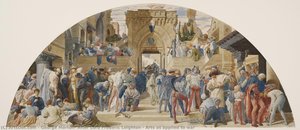
george morton; after lord frederic leighton
United Kingdom
Kurzinfos
- Artistic Movement Or Style: Victorian, Academic
- Artists Or Movements Influenced By This Artist: ['Michelangelo']
- Artists Who Influenced This Artist: ['Frederic Leighton']
- Date Of Death: 1904
- Full Name: George Morton (after Frederic Leighton)
- Nationality: British
- Notable Artworks:
- Arts as applied to war
- The arts of industry...
- Maquette for...
- Place Of Birth: Houghton-le-Spring, Tyne and Wear