 Vorschau anzeigen
 Versenden
 Teilen
 Details anzeigen

 Herunterladen
 Ähnliche Objekte
 Röntgenaufnahme
 Diashow
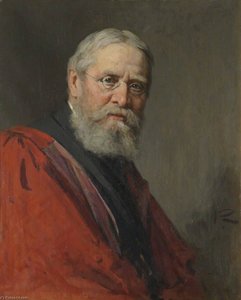
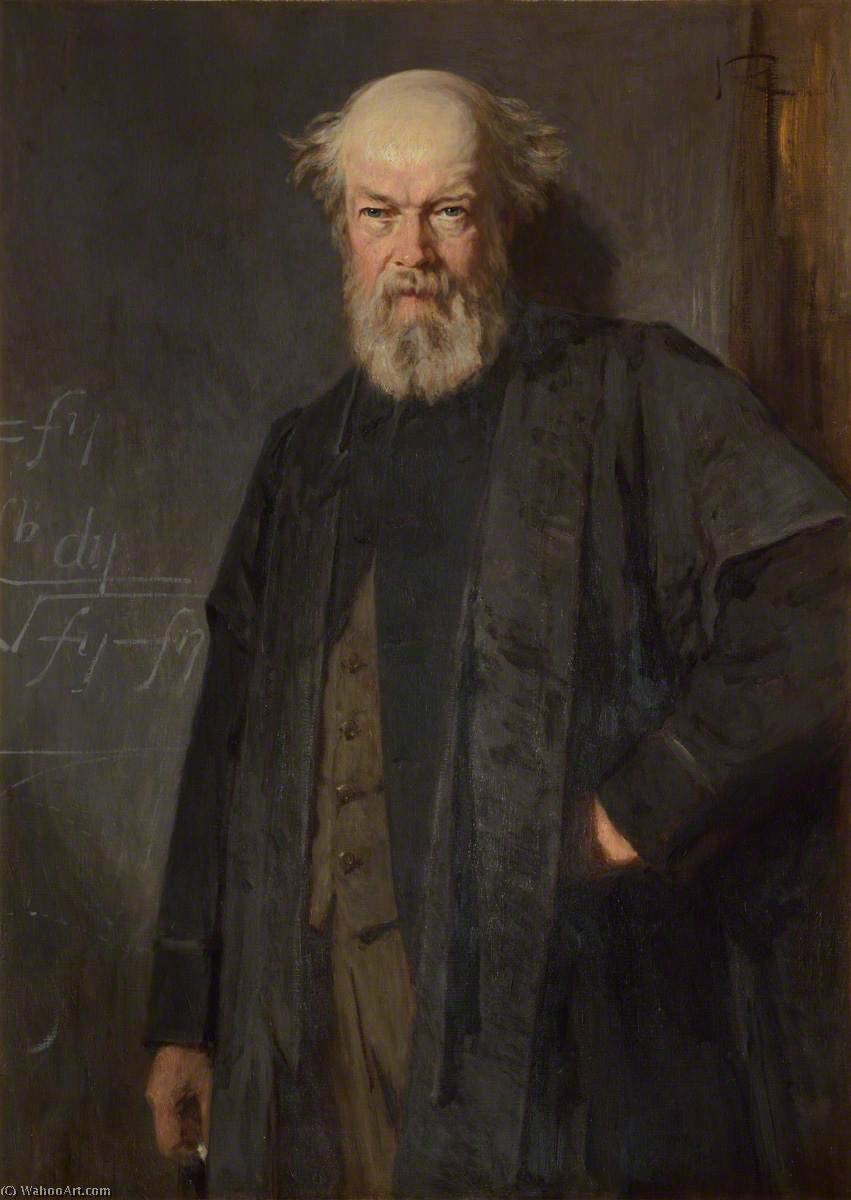
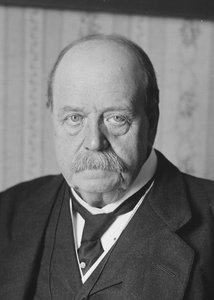
Peter Guthrie Tait (1831–1901), DSc, Fellow
 Oil
Oil- WallArt
- Contemporary Realism
 19th Century
 119.0 x 84.0 cm
 Peterhouse
 Weiterlesen
Handgefertigte Ölreproduktion
Handgemaltes Ölgemälde auf Leinwand in Ihrer Wunschgröße und mit Rahmen, auf Bestellung von unseren Künstlern angefertigt. ( Druck bestellen Bild kaufen)




P118B $10

P118H $10

P118W $10

P438Z $10

P508JH $12

P508YH $12

P805H $10

P805Z $10

P919BZ $10

P919G $10

P919XJ $10

P959ZH $10

P968JZ $12

W106C $8

W218G $10

W218JH $8

W218Y $10

W307PJ $10

W316G $10

W316PJ $8

W316Y $10

W398PJ $8

W4111J $10

W500HY $15

W500JH $15

W692G $12

W849H $8

W940BG $15

W953PJ $8




Wählen Sie aus unseren vordefinierten Formaten, die den ursprünglichen Proportionen des Kunstwerks entsprechen.

Sie können Ihre eigenen Maße eingeben, um einen bestimmten Rahmen oder Platz auszufüllen. Wenn die gewählte Größe nicht den Proportionen des Originalbildes entspricht, werden wir das Kunstwerk entweder beschneiden oder das Gemälde durch zusätzliche, handgemalte Elemente erweitern. Ein digitales Mockup wird Ihnen zur Genehmigung zugesandt, bevor die Produktion beginnt.
Bitte beachten Sie, dass die Bildschirmvorschau nicht die tatsächliche Beschneidung oder Erweiterung widerspiegelt. Nur das Mockup zeigt die endgültige Komposition exakt an.
Obwohl Sondermaße verfügbar sind, empfehlen wir, eine Größe aus der vordefinierten Liste zu wählen, um die ursprünglichen Proportionen beizubehalten.
Nach der Bestellung wird das ArtsDot.com-Team dem Kunden Anweisungen per E-Mail zusenden und eine Mockup-Vorschau bereitstellen.
Weltweiter Versand () in nur 3 bis 4 Wochen statt der üblichen 5 Wochen. (22 August). Keine Kompromisse bei der Qualität.

Kostenloser weltweiter Expressversand

Hochwertige Leinenleinwand

Umfassender Versicherungsschutz beim Versand

Zollgebühren-Rückerstattungsgarantie

Garantie für exakte Farbtreue

60 Tage Rückgaberecht (nur bei Mängeln)

100% Geld-zurück-Garantie

Mengenrabatt verfügbar
 Die Glasoption ist nur für Größen unter 110 cm verfügbar.

Peter Guthrie Tait (1831–1901), DSc, Fellow
Art der Reproduktion
Format der Reproduktion
-


Gesamtpreis
$ 263
Beschreibung des Kunstwerks
A Portrait of Scholarly Dignity: Peter Guthrie Tait by George Reid
George Reid’s “Peter Guthrie Tait” is more than just a portrait; it's a carefully constructed embodiment of intellectual authority and quiet contemplation. Completed in 1901, this oil painting offers a profound glimpse into the life of a distinguished scientist and educator – Peter Guthrie Tait, a pivotal figure in the development of thermodynamics and knot theory. The work immediately draws the eye to its subject: an elderly gentleman radiating an aura of learned wisdom, his white beard cascading down his chest like a testament to years spent immersed in thought, and his bald head suggesting both age and a certain austere dedication.
Reid’s masterful realism is evident in every detail. The meticulous rendering of Tait's face – the subtle lines etched by time, the direct gaze that seems to penetrate the viewer’s soul – speaks volumes about the artist’s skill and his desire to capture not just a likeness but also the essence of the man himself. Note the careful shading that defines the contours of his features, creating a sense of depth and volume, while the textures of the dark academic robe, the worn waistcoat, and even the aged skin are rendered with remarkable sensitivity. The lighting, originating from the left, casts dramatic shadows, emphasizing the planes of the face and adding a layer of mystery to the scene.
The Academic Setting: Symbolism and Context
The background is crucial to understanding the painting’s significance. It's not merely a backdrop; it’s an integral part of the narrative. The dark, textured wall, partially obscured by a chalkboard covered in faint mathematical equations, immediately establishes Tait’s profession and intellectual environment. These symbols—likely representing his research – subtly suggest the relentless pursuit of knowledge that characterized his life. The presence of the golden object pinned to his robe, possibly a medal or badge, hints at recognition for his contributions to science, adding another layer of prestige to his scholarly persona.
Furthermore, the choice of an academic setting is deliberate. Reid was himself a prominent figure in Scottish academia, having served as Professor of Natural Philosophy at the University of Edinburgh. This connection imbues the portrait with a sense of shared intellectual heritage and underscores the importance of education and scholarship within the artist’s own world. The painting can be interpreted as a celebration of the pursuit of knowledge and the dedication required to excel in scientific fields.
A Masterful Blend of Realism and Impression
Reid's style is a fascinating blend of realism and impressionistic techniques. While he meticulously captures the details of Tait’s appearance – the texture of his beard, the wrinkles on his face – he also employs loose brushstrokes and subtle color variations to create an atmosphere of depth and mood. The overall effect is one of quiet dignity and intellectual intensity. The use of browns, blacks, and grays creates a somber yet elegant palette, while the highlights on Tait’s face draw attention to his eyes, conveying a sense of intelligence and seriousness.
The composition itself—the frontal view, the focus on the upper body—reinforces the feeling of direct engagement with the subject. It's as if we are invited to share in Tait’s contemplative gaze, absorbing his wisdom and appreciating his dedication to science. The painting is a testament to Reid’s ability to capture not just a physical likeness but also the inner life of his subject – his intellect, his experience, and his quiet dignity.
A Timeless Portrait for Collectors
“Peter Guthrie Tait” by George Reid is a remarkable work of art that transcends its historical context. Its depiction of scholarly dignity, intellectual intensity, and quiet contemplation continues to resonate with viewers today. ArtsDot offers meticulously hand-painted reproductions of this iconic portrait, allowing you to bring this masterpiece into your home or office. Each reproduction faithfully captures the nuances of Reid’s original painting – the textures, the lighting, the subtle expressions – ensuring that you own a true work of art that will inspire and delight for generations to come. Consider this piece as more than just decoration; it's an investment in intellectual heritage and artistic excellence.
Ähnliche Kunstwerke
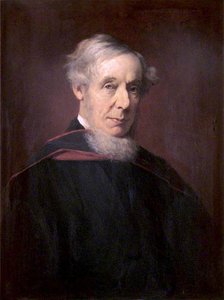
Über den Künstler
Frühes Leben und Ausbildung
- George Agnew Reid wurde am 18. Februar 1860 in Wingham, Kanada West (heute Ontario) geboren.
- Er erhielt seine erste künstlerische Ausbildung an der Central Ontario School of Art in Toronto im Jahr 1879 bei Robert Harris.
- Reid setzte seine Ausbildung von 1882 bis 1885 an der Pennsylvania Academy of the Fine Arts in Philadelphia fort, wo er ein Protegé von Thomas Eakins wurde und seine zukünftige Frau Mary Hiester Reid kennenlernte.
- Weiterführende Studien führten ihn nach Paris, wo er die Julian- und Colarossi-Akademien besuchte und auch Zeit im Prado-Museum in Madrid (1888–1889) verbrachte.
Künstlerische Entwicklung und Stil
- Anfangs konzentrierte sich Reid auf Porträts, wandte sich aber während seiner Europareisen der Genremalerei zu.
- The Foreclosure of the Mortgage (1893) ist ein bemerkenswertes Beispiel für seine frühen narrativen Arbeiten, die ihm Anerkennung brachten.
- Er verband pariser akademische Präzision mit impressionistischen Elementen in seinen Gemälden, insbesondere in denen, die das Leben in Ontario darstellten.
- Reids Stil konzentrierte sich oft auf emotional resonante Szenen und Erzählungen, die die alltäglichen Erfahrungen ländlicher Gemeinschaften einfingen.
- Seine Arbeit zeigt eine scharfe Beobachtung von Licht und Atmosphäre, was zum Realismus und zur emotionalen Tiefe seiner Kompositionen beiträgt.
Karriere und wichtige Leistungen
- Reid wurde 1889 in die Royal Canadian Academy of Arts gewählt, was seine Position innerhalb der kanadischen Kunstgemeinschaft festigte.
- Er war von 1912 bis 1918 Direktor der Central Ontario School of Art and Design (später OCAD University) und beeinflusste so maßgeblich die Kunsterziehung in Kanada.
- Bemerkenswerte Werke sind Genremalereien wie The Foreclosure of the Mortgage sowie Wandbilder und Auftragsarbeiten für öffentliche Gebäude, darunter das dritte Rathaus von Toronto.
- Im Jahr 1922 heiratete er die Künstlerin Mary E. Wrinch, wodurch eine kollaborative künstlerische Partnerschaft entstand.
- Reids Beiträge reichten über die Malerei hinaus und umfassten auch architektonische Projekte, die vom Arts and Crafts-Bewegung beeinflusst waren.
Einflüsse und historische Bedeutung
- Thomas Eakins, sein Mentor an der Pennsylvania Academy, hatte einen tiefgreifenden Einfluss auf Reids Ansatz zu Realismus und anatomischer Genauigkeit.
- Seine Zeit in Paris setzte ihn mit europäischen Kunsttrends, einschließlich des Impressionismus, auseinander, die er in seinen eigenen Stil integrierte.
- Reid spielte eine entscheidende Rolle bei der Etablierung einer eigenständigen kanadischen künstlerischen Identität durch seine Darstellungen der Landschaften und des ländlichen Lebens von Ontario.
- Als Pädagoge und Verwalter förderte er die Entwicklung zahlreicher kanadischer Künstler und trug zum Wachstum von Kunstinstitutionen bei.
- Das Vermächtnis von George Agnew Reid liegt in seiner Fähigkeit, akademische Ausbildung mit emotionaler Sensibilität zu verbinden und Werke zu schaffen, die beim Betrachter Anklang finden und die sozialen Realitäten seiner Zeit widerspiegeln. Er wird als zentrale Figur in der Entwicklung der kanadischen Kunst und Bildung in Erinnerung behalten.
Späteres Leben und Vermächtnis
- Reid malte und stellte bis zu seinem Tod im Jahr 1947 weiterhin aus und blieb aktiv in der kanadischen Kunstszene präsent.
- Er engagierte sich weiterhin für öffentliche Kunstprojekte und Bildungsinitiativen.
- Seine Werke befinden sich in zahlreichen öffentlichen und privaten Sammlungen in ganz Kanada, darunter die Art Gallery of Ontario und die National Gallery of Canada.
- Heute wird George Agnew Reid als bedeutende Figur der kanadischen Kunstgeschichte anerkannt, gefeiert für seine Genremalereien, Wandbilder und Beiträge zur Kunsterziehung.
george reid
1860 - 1947 , Kanada
Kurzinfos
- Bemerkenswerte Werke: ['The Foreclosure of the Mortgage']
- Einflüsse Durch Künstler: ['Thomas Eakins']
- Geburtsdatum: 18. Februar 1860
- Geburtsort (Stadt, Land): Wingham, Kanada
- Künstlerische Bewegung/Stil: Genre-Malerei, Realismus
- Nationalität: Kanadisch
- Sterbedatum: 1947
- Vollständiger Name: George Agnew Reid
Ähnliche Artikel

Georges Braque: Die 25 Meisterwerke des Kubismus für Ihr Zuhause | ArtsDot
Entdecken Sie die 25 bedeutendsten Kunstwerke von Georges Braque – vom Kubismus bis zum Fauvismus. Erfahren Sie die Geschichten hinter den Meisterwerken und finden Sie hochwertige Reproduktionen für Ihr Zuhause auf ArtsDot.com.

Georges Seurat: Die 25 Meisterwerke des Pointillismus für Ihr Zuhause | ArtsDot
Entdecken Sie die 25 ikonischsten Meisterwerke von Georges Seurat! Tauchen Sie ein in die Welt des Pointillismus, der Farbtheorie und des Impressionismus. Hochwertige Kunst reproduzieren für Ihr Zuhause – jetzt auf ArtsDot.com!
George Paul Chalmers: Rediscovering the Angus Rembrandt & Scottish Colourist Roots
Explore the captivating world of George Paul Chalmers (1833-1878), a pivotal Scottish painter. Discover his landscapes, portraits & connection to the Aesthetic Movement and Colourists. Learn about this 'Angus Rembrandt's' legacy with ArtsDot.

George Agnew Reid: Licht, Farbe und nationale Identität im Werk eines kanadischen Impressionisten
Entdecken Sie das faszinierende Werk von George Agnew Reid, einem Pionier des kanadischen Impressionismus! Erfahren Sie mehr über seine Genre-Malerei, seinen Einsatz von Licht und Farbe sowie seinen Beitrag zur Entwicklung der nationalen Kunstidentität Kanadas.

The Enduring Legacy of Oil on Canvas: Technique, History & Aesthetic Impact
Explore the rich history & techniques of oil painting – from Renaissance masters to Impressionism. Discover pigments, layering methods, and why this timeless medium endures. Expert insights for artists & art enthusiasts.