 Vorschau anzeigen
 Versenden
 Teilen
 Details anzeigen

 Herunterladen
 Ähnliche Objekte
 Röntgenaufnahme
 Diashow
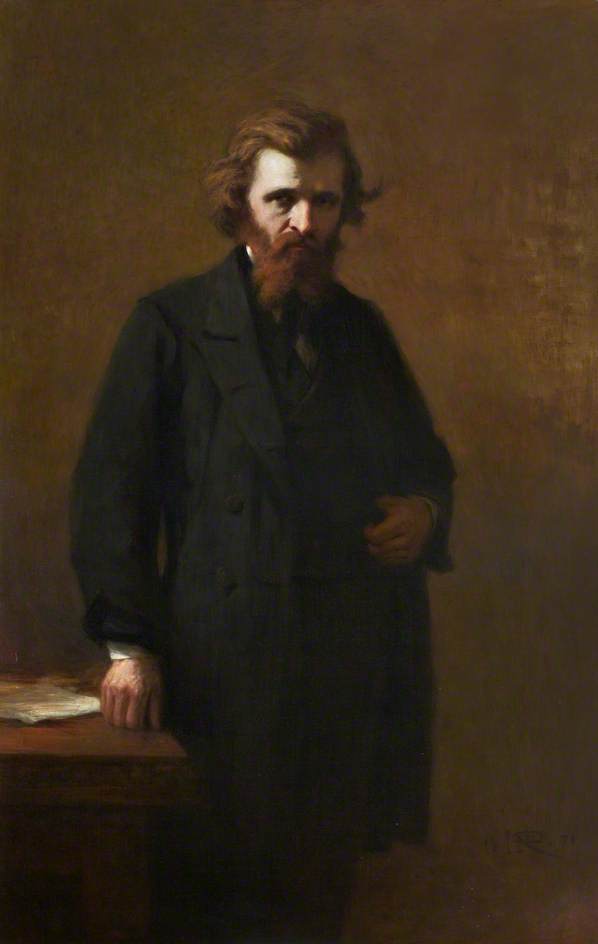
Thomas Keith (1827–1895), FRCSEd (1854)
 Oil On Canvas
- WallArt
- Academic Realism
 1871
1871 151.0 x 96.0 cm
 Die königlich schottische Chirurgische Gesellschaft von Edinburgh
 Weiterlesen
Handgefertigte Ölreproduktion
Handgemaltes Ölgemälde auf Leinwand in Ihrer Wunschgröße und mit Rahmen, auf Bestellung von unseren Künstlern angefertigt. ( Druck bestellen Bild kaufen)




P118B $10

P118H $10

P118W $10

P438Z $10

P508JH $12

P508YH $12

P805H $10

P805Z $10

P919BZ $10

P919G $10

P919XJ $10

P959ZH $10

P968JZ $12

W106C $8

W218G $10

W218JH $8

W218Y $10

W307PJ $10

W316G $10

W316PJ $8

W316Y $10

W398PJ $8

W4111J $10

W500HY $15

W500JH $15

W692G $12

W849H $8

W940BG $15

W953PJ $8




Wählen Sie aus unseren vordefinierten Formaten, die den ursprünglichen Proportionen des Kunstwerks entsprechen.

Sie können Ihre eigenen Maße eingeben, um einen bestimmten Rahmen oder Platz auszufüllen. Wenn die gewählte Größe nicht den Proportionen des Originalbildes entspricht, werden wir das Kunstwerk entweder beschneiden oder das Gemälde durch zusätzliche, handgemalte Elemente erweitern. Ein digitales Mockup wird Ihnen zur Genehmigung zugesandt, bevor die Produktion beginnt.
Bitte beachten Sie, dass die Bildschirmvorschau nicht die tatsächliche Beschneidung oder Erweiterung widerspiegelt. Nur das Mockup zeigt die endgültige Komposition exakt an.
Obwohl Sondermaße verfügbar sind, empfehlen wir, eine Größe aus der vordefinierten Liste zu wählen, um die ursprünglichen Proportionen beizubehalten.
Nach der Bestellung wird das ArtsDot.com-Team dem Kunden Anweisungen per E-Mail zusenden und eine Mockup-Vorschau bereitstellen.
Weltweiter Versand () in nur 3 bis 4 Wochen statt der üblichen 5 Wochen. (6 September). Keine Kompromisse bei der Qualität.

Kostenloser weltweiter Expressversand

Hochwertige Leinenleinwand

Umfassender Versicherungsschutz beim Versand

Zollgebühren-Rückerstattungsgarantie

Garantie für exakte Farbtreue

100 Tage Rückgaberecht (nur bei Mängeln)

100% Geld-zurück-Garantie

Mengenrabatt verfügbar
 Die Glasoption ist nur für Größen unter 110 cm verfügbar.

Thomas Keith (1827–1895), FRCSEd (1854)
Art der Reproduktion
Format der Reproduktion
-


Gesamtpreis
$ 263
Thomas Keith (1827–1895), FRCSEd (1854): A Surgeon’s Vision of Victorian Scotland
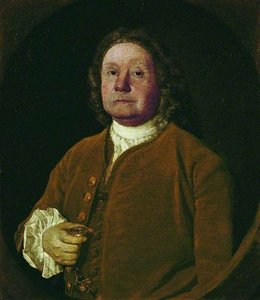
George Reid's “Thomas Keith (1827–1895), FRCSEd (1854)” is more than a simple portrait; it’s a meticulously rendered window into the life and intellect of a prominent 19th-century Scottish surgeon. Painted in 1871, this oil on canvas captures Thomas Keith not merely as a professional, but as a man deeply rooted in his time – a scholar, a gentleman, and a keen observer of the world around him. The painting’s enduring appeal lies in its ability to convey both quiet dignity and subtle intellectual curiosity, hallmarks of Reid's masterful approach to portraiture.
Reid, born in Wingham, Ontario, Canada West in 1860, developed a distinctive style characterized by a remarkable blend of realism and romanticism. Initially influenced by the academic traditions instilled at the Central Ontario School of Art, he later sought further refinement at Philadelphia’s Pennsylvania Academy of the Fine Arts under the tutelage of Thomas Eakins – a master known for his anatomical precision and unflinching gaze. This exposure to Eakins' rigorous approach is evident in Keith’s painting; the surgeon’s face is rendered with an almost photographic accuracy, capturing every line and shadow with remarkable detail. However, Reid doesn’t simply replicate reality; he imbues it with a sense of atmosphere and emotion, using subtle shifts in light and color to create a mood of thoughtful contemplation.
A Study in Victorian Manhood
Keith himself was a significant figure within the Scottish medical community. A Fellow of the Royal College of Surgeons of Edinburgh (FRCSEd), he dedicated his life to medicine, demonstrating both skill and compassion. The portrait reflects this professional standing through the surgeon’s attire – a well-cut suit and tie indicative of his status and respectability. Yet, it's not merely a formal representation; Reid subtly suggests a man of leisure and intellect. The inclusion of two books on the table behind Keith—likely medical texts or perhaps works of philosophy—hints at a mind constantly engaged in learning and reflection. These details elevate the portrait beyond a simple likeness, transforming it into a visual statement about Victorian ideals of masculinity – a blend of professional accomplishment, intellectual curiosity, and refined taste.
Symbolism and Composition
The composition of the painting is carefully orchestrated to reinforce its thematic concerns. Keith sits in a relaxed posture, yet his gaze is direct and unwavering, inviting the viewer into his world. The lighting, predominantly soft and diffused, creates a sense of intimacy and warmth, highlighting the subject’s face and features. Notably, the background—a simple, uncluttered space—draws attention to Keith himself, emphasizing his importance within the scene. The books themselves can be interpreted as symbols of knowledge, wisdom, and the pursuit of understanding – qualities highly valued in Victorian society.
Emotional Resonance and Lasting Impression
"Thomas Keith (1827–1895), FRCSEd (1854)" is a poignant portrait that transcends its subject’s professional life. It speaks to the broader themes of Victorian society – ambition, intellect, and the pursuit of knowledge. Reid's masterful technique, combined with his keen understanding of human psychology, creates an image that resonates deeply with viewers. The painting evokes a sense of quiet dignity, intellectual curiosity, and perhaps even a touch of melancholy—a reminder of a bygone era and the enduring legacy of a dedicated surgeon and thoughtful man. It’s a testament to Reid's ability to capture not just a likeness, but the very essence of his subject, offering a captivating glimpse into the world of 19th-century Scotland.
Ähnliche Kunstwerke

Über den Künstler
Frühes Leben und Ausbildung
- George Agnew Reid wurde am 18. Februar 1860 in Wingham, Kanada West (heute Ontario) geboren.
- Er erhielt seine erste künstlerische Ausbildung an der Central Ontario School of Art in Toronto im Jahr 1879 bei Robert Harris.
- Reid setzte seine Ausbildung von 1882 bis 1885 an der Pennsylvania Academy of the Fine Arts in Philadelphia fort, wo er ein Protegé von Thomas Eakins wurde und seine zukünftige Frau Mary Hiester Reid kennenlernte.
- Weiterführende Studien führten ihn nach Paris, wo er die Julian- und Colarossi-Akademien besuchte und auch Zeit im Prado-Museum in Madrid (1888–1889) verbrachte.
Künstlerische Entwicklung und Stil
- Anfangs konzentrierte sich Reid auf Porträts, wandte sich aber während seiner Europareisen der Genremalerei zu.
- The Foreclosure of the Mortgage (1893) ist ein bemerkenswertes Beispiel für seine frühen narrativen Arbeiten, die ihm Anerkennung brachten.
- Er verband pariser akademische Präzision mit impressionistischen Elementen in seinen Gemälden, insbesondere in denen, die das Leben in Ontario darstellten.
- Reids Stil konzentrierte sich oft auf emotional resonante Szenen und Erzählungen, die die alltäglichen Erfahrungen ländlicher Gemeinschaften einfingen.
- Seine Arbeit zeigt eine scharfe Beobachtung von Licht und Atmosphäre, was zum Realismus und zur emotionalen Tiefe seiner Kompositionen beiträgt.
Karriere und wichtige Leistungen
- Reid wurde 1889 in die Royal Canadian Academy of Arts gewählt, was seine Position innerhalb der kanadischen Kunstgemeinschaft festigte.
- Er war von 1912 bis 1918 Direktor der Central Ontario School of Art and Design (später OCAD University) und beeinflusste so maßgeblich die Kunsterziehung in Kanada.
- Bemerkenswerte Werke sind Genremalereien wie The Foreclosure of the Mortgage sowie Wandbilder und Auftragsarbeiten für öffentliche Gebäude, darunter das dritte Rathaus von Toronto.
- Im Jahr 1922 heiratete er die Künstlerin Mary E. Wrinch, wodurch eine kollaborative künstlerische Partnerschaft entstand.
- Reids Beiträge reichten über die Malerei hinaus und umfassten auch architektonische Projekte, die vom Arts and Crafts-Bewegung beeinflusst waren.
Einflüsse und historische Bedeutung
- Thomas Eakins, sein Mentor an der Pennsylvania Academy, hatte einen tiefgreifenden Einfluss auf Reids Ansatz zu Realismus und anatomischer Genauigkeit.
- Seine Zeit in Paris setzte ihn mit europäischen Kunsttrends, einschließlich des Impressionismus, auseinander, die er in seinen eigenen Stil integrierte.
- Reid spielte eine entscheidende Rolle bei der Etablierung einer eigenständigen kanadischen künstlerischen Identität durch seine Darstellungen der Landschaften und des ländlichen Lebens von Ontario.
- Als Pädagoge und Verwalter förderte er die Entwicklung zahlreicher kanadischer Künstler und trug zum Wachstum von Kunstinstitutionen bei.
- Das Vermächtnis von George Agnew Reid liegt in seiner Fähigkeit, akademische Ausbildung mit emotionaler Sensibilität zu verbinden und Werke zu schaffen, die beim Betrachter Anklang finden und die sozialen Realitäten seiner Zeit widerspiegeln. Er wird als zentrale Figur in der Entwicklung der kanadischen Kunst und Bildung in Erinnerung behalten.
Späteres Leben und Vermächtnis
- Reid malte und stellte bis zu seinem Tod im Jahr 1947 weiterhin aus und blieb aktiv in der kanadischen Kunstszene präsent.
- Er engagierte sich weiterhin für öffentliche Kunstprojekte und Bildungsinitiativen.
- Seine Werke befinden sich in zahlreichen öffentlichen und privaten Sammlungen in ganz Kanada, darunter die Art Gallery of Ontario und die National Gallery of Canada.
- Heute wird George Agnew Reid als bedeutende Figur der kanadischen Kunstgeschichte anerkannt, gefeiert für seine Genremalereien, Wandbilder und Beiträge zur Kunsterziehung.
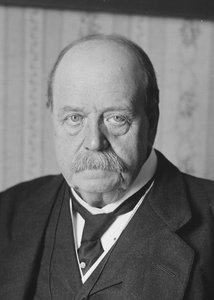
george reid
1860 - 1947 , Kanada
Kurzinfos
- Bemerkenswerte Werke: ['The Foreclosure of the Mortgage']
- Einflüsse Durch Künstler: ['Thomas Eakins']
- Geburtsdatum: 18. Februar 1860
- Geburtsort (Stadt, Land): Wingham, Kanada
- Künstlerische Bewegung/Stil: Genre-Malerei, Realismus
- Nationalität: Kanadisch
- Sterbedatum: 1947
- Vollständiger Name: George Agnew Reid
Ähnliche Artikel

Georges Braque: Die 25 Meisterwerke des Kubismus für Ihr Zuhause | ArtsDot
Entdecken Sie die 25 bedeutendsten Kunstwerke von Georges Braque – vom Kubismus bis zum Fauvismus. Erfahren Sie die Geschichten hinter den Meisterwerken und finden Sie hochwertige Reproduktionen für Ihr Zuhause auf ArtsDot.com.

Georges Seurat: Die 25 Meisterwerke des Pointillismus für Ihr Zuhause | ArtsDot
Entdecken Sie die 25 ikonischsten Meisterwerke von Georges Seurat! Tauchen Sie ein in die Welt des Pointillismus, der Farbtheorie und des Impressionismus. Hochwertige Kunst reproduzieren für Ihr Zuhause – jetzt auf ArtsDot.com!
George Paul Chalmers: Rediscovering the Angus Rembrandt & Scottish Colourist Roots
Explore the captivating world of George Paul Chalmers (1833-1878), a pivotal Scottish painter. Discover his landscapes, portraits & connection to the Aesthetic Movement and Colourists. Learn about this 'Angus Rembrandt's' legacy with ArtsDot.

George Agnew Reid: Licht, Farbe und nationale Identität im Werk eines kanadischen Impressionisten
Entdecken Sie das faszinierende Werk von George Agnew Reid, einem Pionier des kanadischen Impressionismus! Erfahren Sie mehr über seine Genre-Malerei, seinen Einsatz von Licht und Farbe sowie seinen Beitrag zur Entwicklung der nationalen Kunstidentität Kanadas.
George Goodwin Kilburne: Capturing Victorian Sentimentality Through Genre Painting
Explore the evocative Victorian paintings of George Goodwin Kilburne. Discover his detailed scenes of domestic life, masterful use of light, and lasting impact on British genre painting. Learn more at ArtsDot.