 Vorschau anzeigen
 Versenden
 Teilen
 Details anzeigen

 Herunterladen
 Ähnliche Objekte
 Röntgenaufnahme
 Diashow
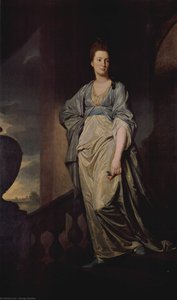
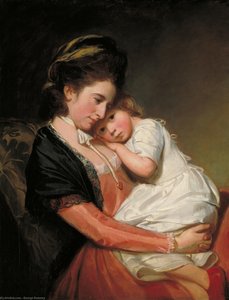
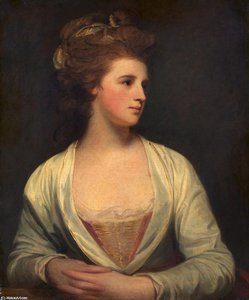
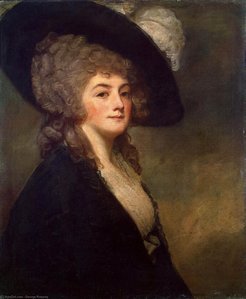
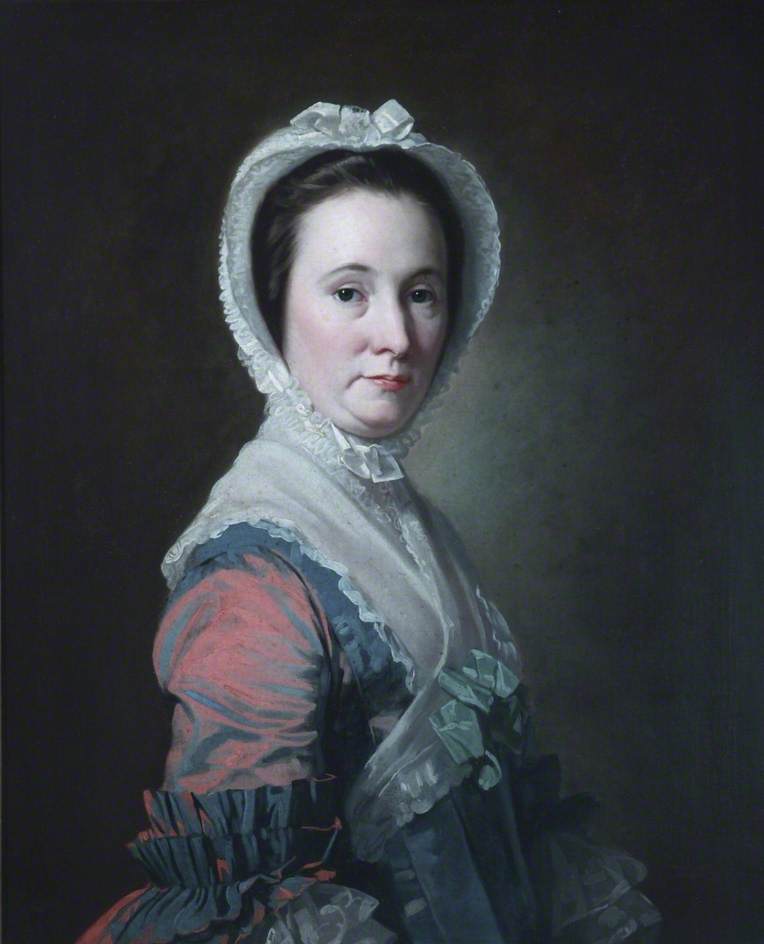
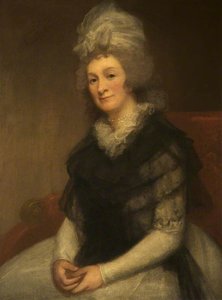
Portrait of a Lady (probably Mrs James Collingwood)
 Oil On Canvas
- WallArt
- Rococo
 1765
1765- Late Medieval
 76.0 x 62.0 cm
 Walker Art Gallery
 Weiterlesen
Giclée / Kunstdruck
Giclée- oder Leinwanddruck in Museumsqualität mit schneller Produktion und flexiblen Veredelungsoptionen. ( Handgemalte Reproduktion bestellen Bild kaufen)




P118B $10

P118H $10

P118W $10

P438Z $10

P508JH $12

P508YH $12

P805H $10

P805Z $10

P919BZ $10

P919G $10

P919XJ $10

P959ZH $10

P968JZ $12

W106C $8

W218G $10

W218JH $8

W218Y $10

W307PJ $10

W316G $10

W316PJ $8

W316Y $10

W398PJ $8

W4111J $10

W500HY $15

W500JH $15

W692G $12

W849H $8

W940BG $15

W953PJ $8




Wählen Sie aus unseren vordefinierten Formaten, die den ursprünglichen Proportionen des Kunstwerks entsprechen.

Sie können Ihre eigenen Maße eingeben, um ein bestimmtes Format oder einen speziellen Platz einzupassen. Wenn das von Ihnen gewählte Format nicht den Proportionen des Originalbildes entspricht, werden wir das Kunstwerk entweder beschneiden oder das Bild mit einem gespiegelten oder einfarbigen Rand erweitern. Ein digitaler Entwurf wird Ihnen zur Genehmigung zugesandt, bevor die Produktion beginnt.
Bitte beachten Sie, dass die Vorschau auf dem Bildschirm nicht den tatsächlichen Zuschnitt oder die Erweiterung widerspiegelt. Nur der Entwurf zeigt die endgültige Komposition präzise an.
Obwohl Sondermaße verfügbar sind, empfehlen wir die Auswahl eines Maßes aus der vordefinierten Liste, um die ursprünglichen Proportionen zu bewahren.
Weltweiter Versand () innerhalb von 2 Wochen statt der üblichen 4/5 Wochen. (29 August)

Kostenloser weltweiter Expressversand

Hochwertige Leinenleinwand

Umfassender Versicherungsschutz beim Versand

Zollgebühren-Rückerstattungsgarantie

Garantie für exakte Farbtreue

60 Tage Rückgaberecht (nur bei Mängeln)

100% Geld-zurück-Garantie

Mengenrabatt verfügbar
 Die Glasoption ist nur für Größen unter 110 cm verfügbar.

Portrait of a Lady (probably Mrs James Collingwood)
Giclée / Kunstdruck
Format der Reproduktion
-


Gesamtpreis
$ 62
The Enigmatic Gaze: Unveiling George Romney’s Portrait
George Romney's “Portrait of a Lady (probably Mrs. James Collingwood)” is more than just a painted likeness; it’s a meticulously crafted window into the refined world of 18th-century British society. Completed in 1765, this oil on canvas work exemplifies the height of Rococo portraiture – an era defined by its emphasis on elegance, restraint, and subtle emotional depth. The painting immediately draws the viewer in with its carefully composed arrangement: a woman, likely Mrs. James Collingwood, positioned slightly off-center, her gaze direct yet contemplative. This isn’t a boisterous display of wealth or status; rather, it's an intimate portrayal designed to capture not just appearance but also a sense of inner character.
A Symphony of Pastel Tones and Delicate Lines
Romney’s masterful technique is immediately apparent in the painting's color palette – a restrained yet exquisitely balanced collection of soft pinks, creams, greys, and blues. The dominant hues create an atmosphere of quiet sophistication, mirroring the social standing of the sitter. Notice how the delicate lace trim adorning her neckline and bonnet isn’t merely decorative; it’s rendered with painstaking detail, showcasing Romney's ability to capture texture and light. The use of soft, flowing lines throughout the composition – particularly in the drapery of her gown and the intricate details of the lace – contributes significantly to the painting’s overall sense of grace and fluidity. The background, a muted grey, serves as an elegant backdrop, preventing it from distracting from the central figure.
Illumination and Shadow: Romney's Command of Light
Romney’s skill in manipulating light and shadow is truly remarkable. He employs diffused lighting to create a sense of volume and depth, highlighting the woman’s face and features without resorting to harsh contrasts. The subtle highlights on the lace and fabric suggest their delicate texture, while the shadows add richness and dimension to the overall image. This careful attention to detail elevates the portrait beyond a simple likeness; it becomes a study in light itself, capturing the ephemeral quality of beauty and grace. The lighting evokes a sense of intimacy, as if we are privy to a private moment.
Historical Context: The Rise of Georgian Portraiture
“Portrait of a Lady” is firmly rooted in the artistic landscape of 18th-century Britain. George Romney’s rise to prominence coincided with a period of significant social and cultural change, marked by the burgeoning middle class and a growing demand for portraiture as a means of documenting status and identity. The painting reflects the prevailing aesthetic values of the era – an appreciation for elegance, refinement, and classical ideals. The subject's attire, the composition, and even the restrained color palette all speak to the social conventions and artistic trends of Georgian society. Romney’s work is considered a pivotal example of the transition from the more flamboyant styles of earlier portraitists to the more intimate and psychologically nuanced portraits that would characterize the late 18th century.
Symbolism and Emotional Resonance
While seemingly straightforward, “Portrait of a Lady” subtly conveys a sense of quiet dignity and composure. The woman’s direct gaze invites contemplation, suggesting an inner strength and intelligence. The carefully chosen details – the lace, the bonnet, the subtle expression on her face – all contribute to a portrait that transcends mere representation, offering a glimpse into the personality and social standing of its subject. It's a testament to Romney's ability to capture not just a likeness but also the essence of his sitter’s character, leaving the viewer with a lingering sense of intrigue and admiration.
Ähnliche Kunstwerke
Über den Künstler
George Romney: Ein Leben in der Porträtkunst
Frühes Leben und künstlerische Anfänge
- Geboren: 26. Mai 1734 in Beckside, Dalton-in-Furness, Lancashire (heute Cumbria), Vereinigtes Königreich.
- Romney war das dritte von elf Kindern von John Romney, einem Kabinentischler, und Anne Simpson.
- Frühe künstlerische Ausbildung: Er zeigte früh eine Neigung zur Kunst, was zu einer Lehrzeit bei Christopher Steele führte, einem Porträtmaler, der unter Carlo Vanloo in Paris studiert hatte. Diese grundlegende Ausbildung vermittelte ihm wichtige Fähigkeiten und Einblicke in europäische Kunsttraditionen.
Künstlerische Entwicklung und Durchbruch
- Romney zog um 1760 nach London, um dort größere Möglichkeiten für seine wachsende Karriere zu finden.
- Er etablierte sich schnell als geschickter Porträtmaler und konkurrierte mit namhaften Künstlern wie Thomas Gainsborough und Joshua Reynolds.
- Stil & Technik: Romneys Stil entwickelte sich im Laufe der Zeit weiter, anfänglich beeinflusst von Steele und Vanloo, aber er entwickelte einen unverwechselbaren Ansatz, der durch elegante Posen, weiches Licht und den Fokus auf die Persönlichkeit seiner Modelle gekennzeichnet war.
Die Muse: Emma Hamilton
- Eine entscheidende Beziehung: Romneys künstlerisches Leben wurde tiefgreifend von seiner Beziehung zu Emma Hamilton (geborene Amy Lyon) beeinflusst. Sie wurde zu seinem Lieblingsmodell und zur Muse, die eine Reihe fesselnder Porträts inspirierte.
- Hamiltons Schönheit, Intelligenz und dramatische Ausstrahlung faszinierten Romney. Er porträtierte sie in verschiedenen Rollen – als Spinnerin, Miranda aus Shakespeares *Der Sturm* und in zahlreichen anderen allegorischen Szenen.
- Künstlerische Erkundung: Durch seine Arbeit mit Hamilton erforschte Romney Themen der klassischen Mythologie, Theatralik und weiblichen Anmut.
Bemerkenswerte Werke und Leistungen
- Porträt von James Brudenell, Earl of Cardigan (1776): Ein Paradebeispiel für Romneys Fähigkeit, den Charakter und den Status seiner Modelle einzufangen.
- Emma Hamilton als Spinnerin: Demonstriert Romneys Geschicklichkeit beim Porträtieren sowohl von Schönheit als auch von Erzählungen in einer einzigen Komposition.
- Lady Emma Hamilton als Miranda: Zeigt Romneys Faszination für theatralische Posen und klassische Anspielungen.
- Ariel (Somerville College, Oxford): Ein auffälliges Porträt von Emma Hamilton, das den Geist aus Shakespeares *Der Sturm* verkörpert.
- Breite Auftragslage: Romney erfreute sich einer erfolgreichen Karriere und zog Aufträge von prominenten Mitgliedern der britischen Gesellschaft an, darunter Aristokraten, Politiker und Literaten.
Einflüsse und historische Bedeutung
- Künstlerische Einflüsse: Carlo Vanloo und Christopher Steele vermittelten Romney eine frühe Ausbildung. Er ließ sich auch von den Werken von Peter Paul Rubens und anderen Barockmeistern inspirieren.
- Auswirkung auf die britische Porträtmalerei: Romneys Arbeit trug dazu bei, die Entwicklung der britischen Porträtmalerei im späten 18. Jahrhundert zu prägen und einen Stil zu fördern, der Eleganz, psychologische Einsicht und künstlerisches Flair betonte.
- Seine Porträts bieten wertvolle Einblicke in das Leben und den Geschmack des britischen Adels seiner Zeit.
- Späteres Leben & Vermächtnis: Romney litt im späteren Leben unter psychischen Problemen, was zu einem Rückgang seiner Produktivität führte. Er starb 1802 und hinterließ eine bedeutende Anzahl von Werken, die bis heute bewundert und studiert werden.

George Romney
1734 - 1802 , Vereinigtes Königreich
Kurzinfos
- Beeinflusste Künstler:
- Carlo Vanloo
- Christopher Steele
- Bemerkenswerte Werke:
- Porträt von George Cowper
- Emma Hamilton als Spinnerin
- Lady Emma Hamilton als Miranda
- Ariel (Somerville College)
- Geburtsdatum: 26. Mai 1734
- Geburtsort: Dalton-in-Furness, Vereinigtes Königreich
- Künstlerische Richtung: Portraitmalerei, Romantik
- Nationalität: Britisch
- Todatum: 1802
- Vollständiger Name: George Romney
Ähnliche Artikel

Georges Braque: Die 25 Meisterwerke des Kubismus für Ihr Zuhause | ArtsDot
Entdecken Sie die 25 bedeutendsten Kunstwerke von Georges Braque – vom Kubismus bis zum Fauvismus. Erfahren Sie die Geschichten hinter den Meisterwerken und finden Sie hochwertige Reproduktionen für Ihr Zuhause auf ArtsDot.com.

Georges Seurat: Die 25 Meisterwerke des Pointillismus für Ihr Zuhause | ArtsDot
Entdecken Sie die 25 ikonischsten Meisterwerke von Georges Seurat! Tauchen Sie ein in die Welt des Pointillismus, der Farbtheorie und des Impressionismus. Hochwertige Kunst reproduzieren für Ihr Zuhause – jetzt auf ArtsDot.com!
George Romney: Portraiture, Patronage & the Shaping of Georgian Society
Explore the life & art of George Romney, leading portraitist of Georgian England. Discover his style, famous patrons like Emma Hamilton, and legacy in British society. Expert insights for collectors.

The Enduring Legacy of Oil on Canvas: Technique, History & Aesthetic Impact
Explore the rich history & techniques of oil painting – from Renaissance masters to Impressionism. Discover pigments, layering methods, and why this timeless medium endures. Expert insights for artists & art enthusiasts.

Rococo Meisterwerke: Die Top 10, die eine Epoche prägten |
Entdecken Sie die Top 10 Rokoko Meisterwerke von Watteau, Boucher & Fragonard! Erfahren Sie die Geschichten hinter diesen ikonischen Gemälden und lassen Sie sich für Ihre Inneneinrichtung inspirieren. Hochwertige Kunstdrucke auf .