 Vorschau anzeigen
 Versenden
 Teilen
 Details anzeigen

 Herunterladen
 Ähnliche Objekte
 Röntgenaufnahme
 Diashow
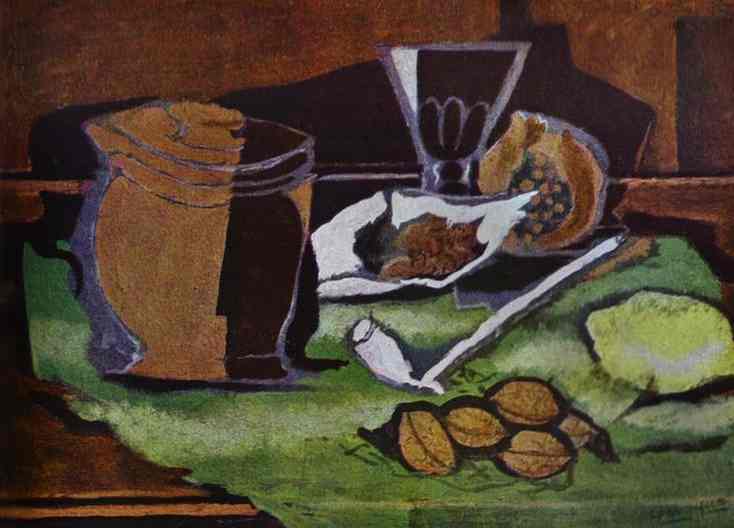
Lemon, walnuts and pot with tobacco


 Weiterlesen
Giclée / Kunstdruck
Giclée- oder Leinwanddruck in Museumsqualität mit schneller Produktion und flexiblen Veredelungsoptionen. ( Handgemalte Reproduktion bestellen Bild kaufen)




P118B $10

P118H $10

P118W $10

P438Z $10

P508JH $12

P508YH $12

P805H $10

P805Z $10

P919BZ $10

P919G $10

P919XJ $10

P959ZH $10

P968JZ $12

W106C $8

W218G $10

W218JH $8

W218Y $10

W307PJ $10

W316G $10

W316PJ $8

W316Y $10

W398PJ $8

W4111J $10

W500HY $15

W500JH $15

W692G $12

W849H $8

W940BG $15

W953PJ $8




Wählen Sie aus unseren vordefinierten Formaten, die den ursprünglichen Proportionen des Kunstwerks entsprechen.

Sie können Ihre eigenen Maße eingeben, um ein bestimmtes Format oder einen speziellen Platz einzupassen. Wenn das von Ihnen gewählte Format nicht den Proportionen des Originalbildes entspricht, werden wir das Kunstwerk entweder beschneiden oder das Bild mit einem gespiegelten oder einfarbigen Rand erweitern. Ein digitaler Entwurf wird Ihnen zur Genehmigung zugesandt, bevor die Produktion beginnt.
Bitte beachten Sie, dass die Vorschau auf dem Bildschirm nicht den tatsächlichen Zuschnitt oder die Erweiterung widerspiegelt. Nur der Entwurf zeigt die endgültige Komposition präzise an.
Obwohl Sondermaße verfügbar sind, empfehlen wir die Auswahl eines Maßes aus der vordefinierten Liste, um die ursprünglichen Proportionen zu bewahren.
Weltweiter Versand () innerhalb von 2 Wochen statt der üblichen 4/5 Wochen. (22 August)

Kostenloser weltweiter Expressversand

Hochwertige Leinenleinwand

Umfassender Versicherungsschutz beim Versand

Zollgebühren-Rückerstattungsgarantie

Garantie für exakte Farbtreue

60 Tage Rückgaberecht (nur bei Mängeln)

100% Geld-zurück-Garantie

Mengenrabatt verfügbar
 Die Glasoption ist nur für Größen unter 110 cm verfügbar.

Lemon, walnuts and pot with tobacco
Giclée / Kunstdruck
Format der Reproduktion
-


Gesamtpreis
$ 62
Sammlerstück-Beschreibung
A Still Life Reflecting Modernist Innovation
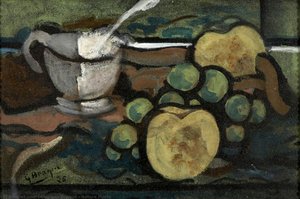
Georges Braque’s “Lemon, walnuts and pot with tobacco,” painted in 1929, stands as a quintessential example of Cubism's exploration into spatial representation and its rejection of traditional illusionistic painting. This deceptively simple composition—a tabletop laden with citrus fruits, nuts, earthenware vessels, and smoking paraphernalia—is far more than just an arrangement of objects; it’s a carefully constructed manifesto of artistic experimentation.
- Subject Matter: The artwork focuses on everyday items – lemon slices, walnuts in a bowl, a tobacco pot, cups, vases, bottles, and utensils – elevating the mundane to the realm of art. Braque deliberately eschewed grand narratives or mythological themes, prioritizing instead the precise observation and depiction of tangible realities.
- Style: Cubism, pioneered by Picasso and Braque, fundamentally challenged artistic conventions by fracturing objects into geometric planes that overlap and intersect simultaneously. This technique disrupts conventional perspective, presenting multiple viewpoints within a single image, thereby inviting viewers to actively engage in reconstructing the scene.
Technique and Material Considerations
- Medium: Braque employed oil paint on canvas, utilizing layering techniques that contribute to the artwork’s textural richness. The artist meticulously applied pigment to create a palpable sense of surface—a deliberate departure from the smooth, polished surfaces favored by earlier artistic movements.
- Color Palette: The color scheme is restrained yet impactful, dominated by earthy tones – browns and ochres – punctuated by splashes of yellow derived from the lemons. These muted hues reinforce the artwork’s contemplative mood and underscore Braque's commitment to tonal harmony.
Historical Context and Artistic Influences
“Lemon, walnuts and pot with tobacco” emerged during a period of intense artistic ferment in Paris—the epicenter of Modernism. The influence of Cézanne’s exploration of form and structure is palpable, particularly in Braque's simplification of shapes and his emphasis on underlying geometric forms. Furthermore, the artwork reflects the broader intellectual currents of the time, grappling with ideas about perception and representation that were reshaping artistic thought.
Symbolism and Emotional Resonance
Beyond its formal innovations, “Lemon, walnuts and pot with tobacco” carries subtle symbolic weight. The lemon—often associated with freshness and vitality—contrasts with the darker hues of the earthenware vessels and tobacco pot, suggesting a tension between optimism and contemplation. The arrangement itself embodies Braque’s desire to capture not merely what is seen but also how it feels – a quiet meditation on materiality and visual perception.
- Interior Design Inspiration: This artwork's understated elegance lends itself beautifully to interior design schemes emphasizing natural textures and muted palettes. Its geometric precision can serve as a focal point within a minimalist space, creating a harmonious balance between form and function.
Ähnliche Kunstwerke
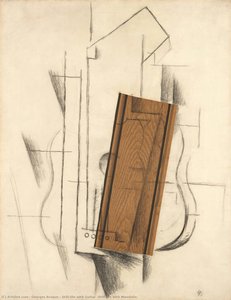
Über den Künstler
**frühes Leben und Ausbildung**
Georges Braque, ein prominenter französischer Maler, Kollagist, Bleistrichzeichner, Grafiker und Bildhauer, wurde am 13. Mai 1882 in Argenteuil, Val-d'oise, geboren. Er wuchs in Le Havre auf und erhielt zunächst eine Ausbildung als Hausmaler und Dekorateur wie sein Vater und Großvater. Braques künstlerische Neigungen führten ihn jedoch dazu, von 1897 bis 1899 an der École des Beaux-Arts in Le Havre Malerei zu studieren.**Künstlerische Entwicklung und Fauvisme**
Im Jahr 1902, nachdem er seine Lehre bei einem Dekorateur in Paris abgeschlossen hatte, besuchte Braque bis 1904 die Académie Humbert. Dieser Zeitraum markierte seine Einführung ins Fauvismus, einen Stil, der durch lebendige Farben und emotionale Reaktionen gekennzeichnet ist. Beeinflusst von den Werken von Henri Matisse und André Derain, übernahm Braque einen fauvistischen Ansatz, wie in seinem Gemälde The Patience (Fauvismus, Öl auf Leinwand).**Beitrag zum Kubismus**
Braques Zusammenarbeit mit Pablo Picasso von 1908 bis 1912 führte zur Entwicklung des Kubismus. Ihre analytischen kubistischen Werke, wie z.B. Georges Braque: The Patience und Pablo Picasso: Clarinet(analytischer Kubismus, Öl auf Leinwand), gelten heute als Meilensteine der Kunstgeschichte.**Erbe und bemerkenswerte Werke**
* Houses at L'Estaques: Ein Zeugnis für Braques innovatives Einsatz von Geometrie und simultaner Perspektive. * The Patience(Fauvismus, Öl auf Leinwand): Demonstriert Braques fauvistischen Stil. * Clarinet(analytischer Kubismus, Öl auf Leinwand): Eine kollaborative kubistische Arbeit mit Picasso.**Museen und Sammlungen**
* Musée d'Orsay: Bietet eine umfangreiche Sammlung impressionistischer und postimpressionistischer Kunst, darunter Werke von Braque. * Musée de l'Orangerie: Zeigt eine breite Palette von Kunstwerken, darunter Werke von Braque und anderen bedeutenden Künstlern.- Erfahren Sie mehr über Georges Braques Leben und Werk auf ArtsDot.com
- Entdecken Sie die Sammlung des Musée d'Orsay, die Werke von Braque und anderen Künstlern umfasst, unter Musée d'Orsay - Wikipedia
- Erfahren Sie mehr über den Fauvismus und seinen Einfluss auf die Entwicklung des Kubismus mit Fauvismus Kunstbewegung auf ArtsDot.com
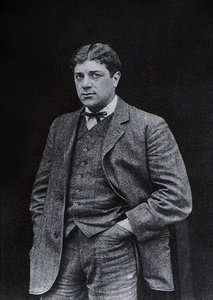
Georges Braque
1882 - 1963 , Frankreich
Kurzinfos
- Beeinflusste Künstler: ['Pablo Picasso']
- Bemerkenswerte Werke:
- Häuser in L'Estaque
- Die Geduld (Fauvismus)
- Stillleben mit Pfeife
- Mandola
- Einflussreiche Künstler:
- Henri Matisse
- André Derain
- Paul Cézanne
- Geburtsdatum: 13. Mai 1882
- Geburtsort: Argenteuil, Frankreich
- Künstlerischer Stil: Kubismus, Fauvismus
- Nationalität: Französisch
- Sterbedatum: 1963
- Vollständiger Name: Georges Braque
Ähnliche Artikel

Georges Braque: Die 25 Meisterwerke des Kubismus für Ihr Zuhause | ArtsDot
Entdecken Sie die 25 bedeutendsten Kunstwerke von Georges Braque – vom Kubismus bis zum Fauvismus. Erfahren Sie die Geschichten hinter den Meisterwerken und finden Sie hochwertige Reproduktionen für Ihr Zuhause auf ArtsDot.com.
Georges Braque: Pionier des Kubismus und die Evolution moderner Formensprache
Entdecken Sie Georges Braques revolutionären Einfluss auf den Kubismus und die moderne Kunstgeschichte. Expertenanalyse seiner Formensprache, Werke & Bedeutung. Jetzt lesen!
Deconstructing Reality: A Comprehensive Exploration of Cubist Still Life
Explore the revolutionary world of Cubist Still Life with ArtsDot. Discover Picasso & Braque's groundbreaking techniques, its philosophical roots, and lasting impact on modern art. Expert insights for collectors.
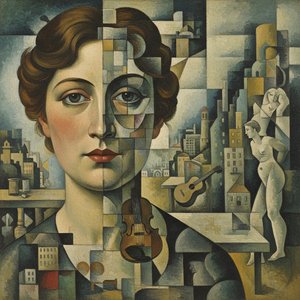
Deconstructing Reality: Cubism's Revolutionary Impact on 20th-Century Art
Explore the revolutionary world of Cubism with ArtsDot. Discover Picasso & Braque's groundbreaking techniques, its philosophical roots, and lasting impact on modern art. Expert insights for collectors.

Paul Cézanne: Die 25 Meisterwerke des Impressionismus | ArtsDot
Entdecken Sie die 25 Meisterwerke von Paul Cézanne! Tauchen Sie ein in die Welt des Impressionismus und Postimpressionismus. Erfahren Sie mehr über seine Stillleben, Landschaften & berühmten Gemälde – jetzt hochwertige Kunstdrucke auf ArtsDot.com.