 Vorschau anzeigen
 Versenden
 Teilen
 Details anzeigen

 Herunterladen
 Ähnliche Objekte
 Röntgenaufnahme
 Diashow
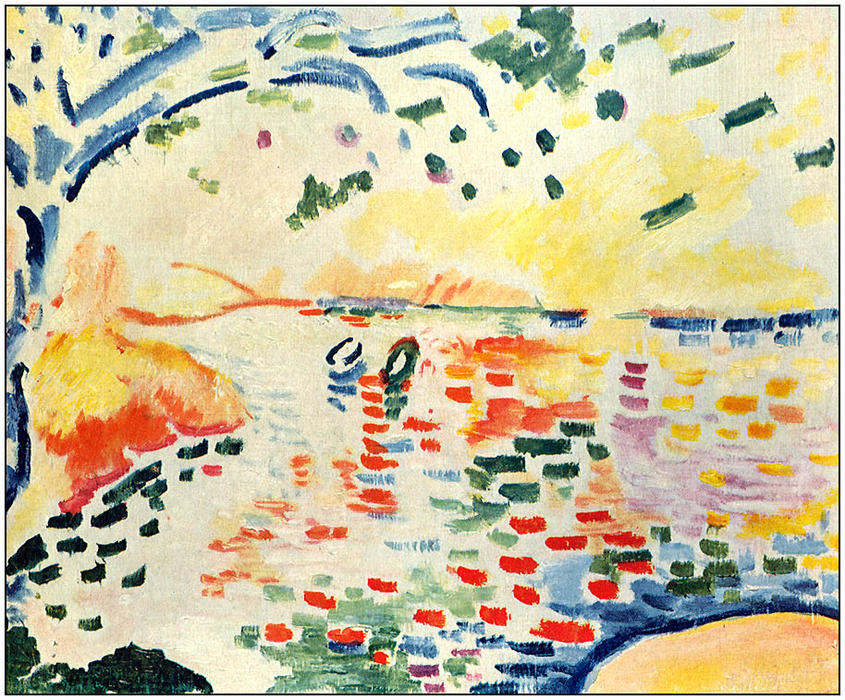
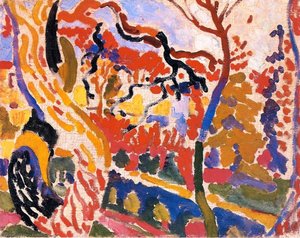
Little Bay at La Ciotat (auch bekannt als Cove at La Ciotat)
 Öl auf Leinwand
- Wandkunst
- Fauvism
 1907
1907- Frühmittelalterlich
 36.0 x 48.0 cm
 Musée National d'Art Moderne Centre Georges Pompidou
 Weiterlesen
Giclée / Kunstdruck
Giclée- oder Leinwanddruck in Museumsqualität mit schneller Produktion und flexiblen Veredelungsoptionen. ( Handgemalte Reproduktion bestellen Bild kaufen)




P118B $10

P118H $10

P118W $10

P438Z $10

P508JH $12

P508YH $12

P805H $10

P805Z $10

P919BZ $10

P919G $10

P919XJ $10

P959ZH $10

P968JZ $12

W106C $8

W218G $10

W218JH $8

W218Y $10

W307PJ $10

W316G $10

W316PJ $8

W316Y $10

W398PJ $8

W4111J $10

W500HY $15

W500JH $15

W692G $12

W849H $8

W940BG $15

W953PJ $8




Wählen Sie aus unseren vordefinierten Formaten, die den ursprünglichen Proportionen des Kunstwerks entsprechen.

Sie können Ihre eigenen Maße eingeben, um ein bestimmtes Format oder einen speziellen Platz einzupassen. Wenn das von Ihnen gewählte Format nicht den Proportionen des Originalbildes entspricht, werden wir das Kunstwerk entweder beschneiden oder das Bild mit einem gespiegelten oder einfarbigen Rand erweitern. Ein digitaler Entwurf wird Ihnen zur Genehmigung zugesandt, bevor die Produktion beginnt.
Bitte beachten Sie, dass die Vorschau auf dem Bildschirm nicht den tatsächlichen Zuschnitt oder die Erweiterung widerspiegelt. Nur der Entwurf zeigt die endgültige Komposition präzise an.
Obwohl Sondermaße verfügbar sind, empfehlen wir die Auswahl eines Maßes aus der vordefinierten Liste, um die ursprünglichen Proportionen zu bewahren.
Weltweiter Versand () innerhalb von 2 Wochen statt der üblichen 4/5 Wochen. (30 August)

Kostenloser weltweiter Expressversand

Hochwertige Leinenleinwand

Umfassender Versicherungsschutz beim Versand

Zollgebühren-Rückerstattungsgarantie

Garantie für exakte Farbtreue

60 Tage Rückgaberecht (nur bei Mängeln)

100% Geld-zurück-Garantie

Mengenrabatt verfügbar
 Die Glasoption ist nur für Größen unter 110 cm verfügbar.

Little Bay at La Ciotat (auch bekannt als Cove at La Ciotat)
Giclée / Kunstdruck
Format der Reproduktion
-


Gesamtpreis
$ 62
Georges Braque’s “Little Bay at La Ciotat”: A Symphony of Color and Light
Georges Braque's "Little Bay at La Ciotat" – often referred to as “Cove at La Ciotat” – is more than just a depiction of a Provençal beach scene; it’s a vibrant manifesto of Fauvism, a pivotal moment in the birth of modern art. Painted in 1907 and currently residing within the esteemed Musée National d'Art Moderne Centre Georges Pompidou in Paris, this oil on canvas invites us into a world where color reigns supreme and traditional perspective is playfully discarded. The painting immediately captivates with its bold palette – intense blues and greens dominate the water, contrasted by fiery oranges and yellows that dance across the sky and illuminate the figures enjoying the shore. This isn’t a realistic portrayal of La Ciotat; it's an emotional response to the scene, filtered through Braque’s intensely personal artistic vision.
The Fauvist Palette: A Revolution in Color
Braque’s decision to employ such unrestrained color is deeply rooted in the burgeoning movement of Fauvism. Rejecting the muted tones and naturalistic representation favored by academic painting, the Fauves – “wild beasts” as they were derisively nicknamed – embraced a liberation of color, using it not to mimic reality but to express emotion directly. In "Little Bay at La Ciotat," this principle is brilliantly demonstrated. The colors aren’t blended; they are juxtaposed and layered, creating a dazzling visual effect that pulsates with energy. Notice how the bright yellows of the sun seem almost aggressively luminous against the deep blues of the sea – it's a deliberate choice designed to evoke a feeling of joy and vitality. The brushstrokes themselves are loose and expressive, contributing further to the painting’s dynamic quality; they aren’t meticulously rendered but rather used as vehicles for conveying emotion and movement.
A Historical Snapshot: The Dawn of Modernism
To fully appreciate “Little Bay at La Ciotat,” it's crucial to understand its historical context. 1907 marked a period of intense artistic experimentation in Paris, fueled by the influence of Post-Impressionists like Van Gogh and Gauguin, as well as the radical ideas emerging from the avant-garde. The Salon d’Automne, an annual exhibition showcasing innovative works, provided a vital platform for artists like Braque to challenge established conventions. Braque's work during this period was inextricably linked with Pablo Picasso, with whom he would later co-develop Cubism – a revolutionary style that fundamentally altered the way artists represented three-dimensional space on a two-dimensional surface. “Little Bay at La Ciotat” can be seen as a stepping stone towards these groundbreaking developments, demonstrating Braque’s early explorations of flattened perspective and fragmented forms.
Symbolic Resonance: The Human Element
Beyond its purely formal qualities, the painting holds subtle symbolic resonance. The figures on the beach aren't merely decorative elements; they represent a fleeting moment of leisure and connection with nature. Their presence anchors the scene, providing a human counterpoint to the vastness of the sea and sky. The trees in the distance, rendered with simplified forms and vibrant hues, suggest both the tranquility of the landscape and the enduring power of nature. The composition itself – the diagonal sweep of the beach leading towards the horizon – creates a sense of movement and invites the viewer’s eye to explore the scene. It's a carefully orchestrated balance between observation and interpretation.
Bringing “Little Bay at La Ciotat” Home: A High-Quality Reproduction
“Little Bay at La Ciotat” continues to resonate with audiences today, offering a glimpse into a pivotal moment in art history. ArtsDot offers meticulously crafted, hand-painted reproductions that faithfully capture the painting’s vibrant colors and expressive brushstrokes. These reproductions are not mere copies; they are works of art in their own right, ensuring that you can experience the beauty and emotional impact of Braque's masterpiece within your home or office. Whether you are an avid collector, a design enthusiast, or simply someone seeking to add a touch of artistic inspiration to your surroundings, a reproduction of “Little Bay at La Ciotat” is a timeless investment.
Ähnliche Kunstwerke
Über den Künstler
**frühes Leben und Ausbildung**
Georges Braque, ein prominenter französischer Maler, Kollagist, Bleistrichzeichner, Grafiker und Bildhauer, wurde am 13. Mai 1882 in Argenteuil, Val-d'oise, geboren. Er wuchs in Le Havre auf und erhielt zunächst eine Ausbildung als Hausmaler und Dekorateur wie sein Vater und Großvater. Braques künstlerische Neigungen führten ihn jedoch dazu, von 1897 bis 1899 an der École des Beaux-Arts in Le Havre Malerei zu studieren.**Künstlerische Entwicklung und Fauvisme**
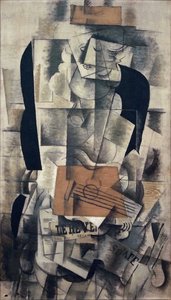
Im Jahr 1902, nachdem er seine Lehre bei einem Dekorateur in Paris abgeschlossen hatte, besuchte Braque bis 1904 die Académie Humbert. Dieser Zeitraum markierte seine Einführung ins Fauvismus, einen Stil, der durch lebendige Farben und emotionale Reaktionen gekennzeichnet ist. Beeinflusst von den Werken von Henri Matisse und André Derain, übernahm Braque einen fauvistischen Ansatz, wie in seinem Gemälde The Patience (Fauvismus, Öl auf Leinwand).**Beitrag zum Kubismus**
Braques Zusammenarbeit mit Pablo Picasso von 1908 bis 1912 führte zur Entwicklung des Kubismus. Ihre analytischen kubistischen Werke, wie z.B. Georges Braque: The Patience und Pablo Picasso: Clarinet(analytischer Kubismus, Öl auf Leinwand), gelten heute als Meilensteine der Kunstgeschichte.**Erbe und bemerkenswerte Werke**
* Houses at L'Estaques: Ein Zeugnis für Braques innovatives Einsatz von Geometrie und simultaner Perspektive. * The Patience(Fauvismus, Öl auf Leinwand): Demonstriert Braques fauvistischen Stil. * Clarinet(analytischer Kubismus, Öl auf Leinwand): Eine kollaborative kubistische Arbeit mit Picasso.**Museen und Sammlungen**
* Musée d'Orsay: Bietet eine umfangreiche Sammlung impressionistischer und postimpressionistischer Kunst, darunter Werke von Braque. * Musée de l'Orangerie: Zeigt eine breite Palette von Kunstwerken, darunter Werke von Braque und anderen bedeutenden Künstlern.- Erfahren Sie mehr über Georges Braques Leben und Werk auf ArtsDot.com
- Entdecken Sie die Sammlung des Musée d'Orsay, die Werke von Braque und anderen Künstlern umfasst, unter Musée d'Orsay - Wikipedia
- Erfahren Sie mehr über den Fauvismus und seinen Einfluss auf die Entwicklung des Kubismus mit Fauvismus Kunstbewegung auf ArtsDot.com
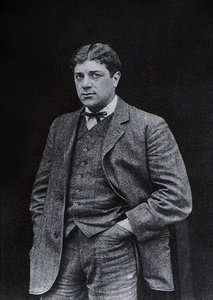
Georges Braque
1882 - 1963 , Frankreich
Kurzinfos
- Beeinflusste Künstler: ['Pablo Picasso']
- Bemerkenswerte Werke:
- Häuser in L'Estaque
- Die Geduld (Fauvismus)
- Stillleben mit Pfeife
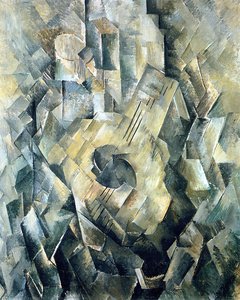
- Mandola
- Einflussreiche Künstler:
- Henri Matisse
- André Derain
- Paul Cézanne
- Geburtsdatum: 13. Mai 1882
- Geburtsort: Argenteuil, Frankreich
- Künstlerischer Stil: Kubismus, Fauvismus
- Nationalität: Französisch
- Sterbedatum: 1963
- Vollständiger Name: Georges Braque
Ähnliche Artikel

Georges Braque: Die 25 Meisterwerke des Kubismus für Ihr Zuhause | ArtsDot
Entdecken Sie die 25 bedeutendsten Kunstwerke von Georges Braque – vom Kubismus bis zum Fauvismus. Erfahren Sie die Geschichten hinter den Meisterwerken und finden Sie hochwertige Reproduktionen für Ihr Zuhause auf ArtsDot.com.

Georges Seurat: Die 25 Meisterwerke des Pointillismus für Ihr Zuhause | ArtsDot
Entdecken Sie die 25 ikonischsten Meisterwerke von Georges Seurat! Tauchen Sie ein in die Welt des Pointillismus, der Farbtheorie und des Impressionismus. Hochwertige Kunst reproduzieren für Ihr Zuhause – jetzt auf ArtsDot.com!
Georges Braque: Pionier des Kubismus und die Evolution moderner Formensprache
Entdecken Sie Georges Braques revolutionären Einfluss auf den Kubismus und die moderne Kunstgeschichte. Expertenanalyse seiner Formensprache, Werke & Bedeutung. Jetzt lesen!
Georges de La Tour: Licht, Spiritualität und Realismus im Barock – Eine Neubewertung
Entdecken Sie Georges de La Tour, den vergessenen Meister des Barocks! Erfahren Sie mehr über sein einzigartiges Lichtkonzept, seine spirituelle Malerei und seinen Einfluss auf die Kunstgeschichte. Expertenanalyse & Hintergrundinformationen.
Top 25 Kunstwerke der Biennale Venedig: Meisterwerke für Ihr Zuhause | ArtsDot
Entdecken Sie die 25 bedeutendsten Kunstwerke der Biennale Venedig! Erfahren Sie die Geschichten hinter berühmten Gemälden, Künstlern und Stilen. Hochwertige Kunstdrucke & Reproduktionen für Ihr Zuhause – jetzt auf ArtsDot.com!