 Vorschau anzeigen
 Versenden
 Teilen
 Details anzeigen

 Herunterladen
 Ähnliche Objekte
 Röntgenaufnahme
 Diashow
 Statistiken
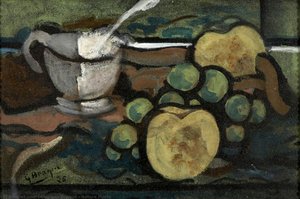
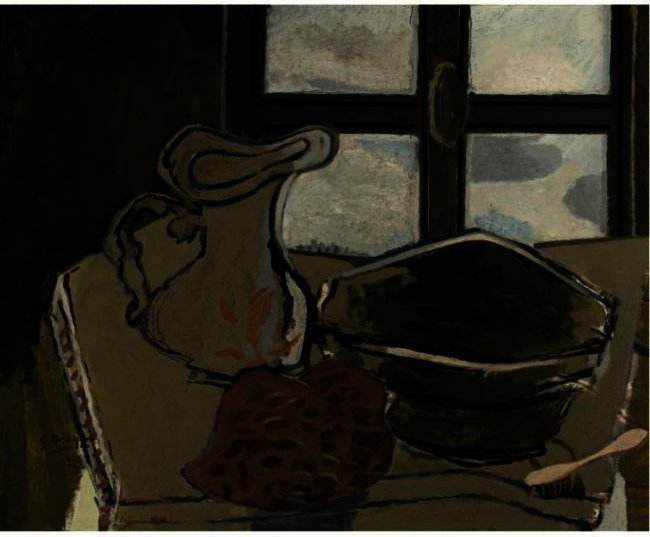
The Green Bowl


 Weiterlesen
Giclée / Kunstdruck
Giclée- oder Leinwanddruck in Museumsqualität mit schneller Produktion und flexiblen Veredelungsoptionen. ( Handgemalte Reproduktion bestellen Zum digitalen Bild wechseln)




P118B $10

P118H $10

P118W $10

P438Z $10

P508JH $12

P508YH $12

P805H $10

P805Z $10

P919BZ $10

P919G $10

P919XJ $10

P959ZH $10

P968JZ $12

W106C $8

W218G $10

W218JH $8

W218Y $10

W307PJ $10

W316G $10

W316PJ $8

W316Y $10

W398PJ $8

W4111J $10

W500HY $15

W500JH $15

W692G $12

W849H $8

W940BG $15

W953PJ $8




Wählen Sie aus unseren vordefinierten Formaten, die den ursprünglichen Proportionen des Kunstwerks entsprechen.

Sie können Ihre eigenen Maße eingeben, um ein bestimmtes Format oder einen speziellen Platz einzupassen. Wenn das von Ihnen gewählte Format nicht den Proportionen des Originalbildes entspricht, werden wir das Kunstwerk entweder beschneiden oder das Bild mit einem gespiegelten oder einfarbigen Rand erweitern. Ein digitaler Entwurf wird Ihnen zur Genehmigung zugesandt, bevor die Produktion beginnt.
Bitte beachten Sie, dass die Vorschau auf dem Bildschirm nicht den tatsächlichen Zuschnitt oder die Erweiterung widerspiegelt. Nur der Entwurf zeigt die endgültige Komposition präzise an.
Obwohl Sondermaße verfügbar sind, empfehlen wir die Auswahl eines Maßes aus der vordefinierten Liste, um die ursprünglichen Proportionen zu bewahren.
Weltweiter Versand () innerhalb von 2 Wochen statt der üblichen 4/5 Wochen. (11 September)

Kostenloser weltweiter Expressversand

Hochwertige Leinenleinwand

Umfassender Versicherungsschutz beim Versand

Zollgebühren-Rückerstattungsgarantie

Garantie für exakte Farbtreue

100-Tage-Rückgaberecht (nur bei Mängeln)

100% Geld-zurück-Garantie

Mengenrabatt verfügbar
 Die Glasoption ist nur für Größen unter 110 cm verfügbar.

The Green Bowl
Giclée / Kunstdruck
Format der Reproduktion
-


Gesamtpreis
$ 62
Georges Braque’s ‘The Green Bowl’: A Study in Cubist Still Life
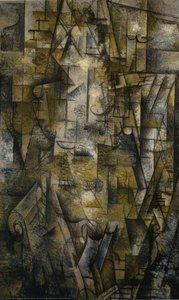
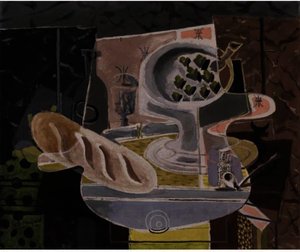
Georges Braque's The Green Bowl (circa 1910) stands as a pivotal example of the artist’s groundbreaking contribution to the development of Cubism. This deceptively simple depiction of a kitchen scene – a table laden with bowls, cups, and vases – is far more than just a snapshot of domesticity; it's a meticulously constructed exploration of form, space, and perception that fundamentally altered the course of modern art. The painting’s stark black and white palette intensifies its impact, stripping away any superfluous detail to focus solely on the essential geometric shapes that comprise the objects within the composition. Braque’s masterful manipulation of line and shadow creates a sense of fractured reality, inviting the viewer to actively participate in reconstructing the image.
Early Cubist Techniques and Material Exploration
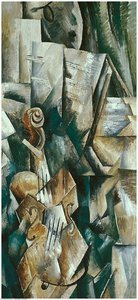
- Deconstruction of Form: Like Picasso, Braque was instrumental in dismantling traditional representational techniques. The Green Bowl exemplifies this through its fragmented depiction of the bowl itself – rendered as a series of interlocking planes rather than a single, unified volume.
- Monochromatic Palette: The deliberate use of black and white not only emphasized the formal qualities of the work but also reflected the influence of Paul Cézanne’s emphasis on structure and underlying geometric forms. It was a move away from the vibrant colors prevalent in Impressionism and Post-Impressionism, aligning with the Cubist desire to represent objects as they were seen rather than as they were imagined.
- Emphasis on Texture: Braque's meticulous attention to detail is evident in the rendering of the table’s surface – a subtly textured plane that adds depth and complexity to the composition. This focus on tactile qualities was a key element of Cubism’s rejection of illusionistic space.
Symbolic Resonance and the Domestic Sphere
While ostensibly a still life, The Green Bowl carries a subtle symbolic weight rooted in its depiction of everyday objects within a domestic setting. The bowl itself, a recurring motif in Braque’s work, can be interpreted as representing nourishment, sustenance, and perhaps even the fragility of life. The arrangement of the other elements – the cups, vases, and bottle – further contributes to this sense of quiet contemplation. Braque's choice to portray a kitchen scene was deliberate; he sought to explore the fundamental building blocks of visual experience, regardless of their specific context. This approach aligned with his broader philosophical interests in challenging conventional notions of representation.
Historical Context and Artistic Influence
Created during a period of intense artistic experimentation at the turn of the 20th century, The Green Bowl emerged from the shared intellectual and aesthetic concerns of Braque and Pablo Picasso. Together, they formed a crucial link between Impressionism, Post-Impressionism, and the radical innovations of Cubism. Braque’s work directly influenced subsequent generations of artists, shaping the development of movements such as Futurism and Constructivism. Its legacy continues to resonate within contemporary art practice, demonstrating the enduring power of its formal concerns.
A Statement Piece for Your Collection
ArtsDot.com offers a meticulously crafted hand-painted reproduction of Georges Braque’s The Green Bowl, capturing the essence of this seminal work with unparalleled fidelity. This reproduction is more than just an image; it's a tangible connection to one of the most important moments in art history. Perfect for interior design projects seeking a touch of intellectual sophistication or as a captivating addition to any art collection, this artwork promises to be a lasting source of inspiration and contemplation.
Ähnliche Kunstwerke
Über den Künstler
**frühes Leben und Ausbildung**
Georges Braque, ein prominenter französischer Maler, Kollagist, Bleistrichzeichner, Grafiker und Bildhauer, wurde am 13. Mai 1882 in Argenteuil, Val-d'oise, geboren. Er wuchs in Le Havre auf und erhielt zunächst eine Ausbildung als Hausmaler und Dekorateur wie sein Vater und Großvater. Braques künstlerische Neigungen führten ihn jedoch dazu, von 1897 bis 1899 an der École des Beaux-Arts in Le Havre Malerei zu studieren.**Künstlerische Entwicklung und Fauvisme**
Im Jahr 1902, nachdem er seine Lehre bei einem Dekorateur in Paris abgeschlossen hatte, besuchte Braque bis 1904 die Académie Humbert. Dieser Zeitraum markierte seine Einführung ins Fauvismus, einen Stil, der durch lebendige Farben und emotionale Reaktionen gekennzeichnet ist. Beeinflusst von den Werken von Henri Matisse und André Derain, übernahm Braque einen fauvistischen Ansatz, wie in seinem Gemälde The Patience (Fauvismus, Öl auf Leinwand).**Beitrag zum Kubismus**
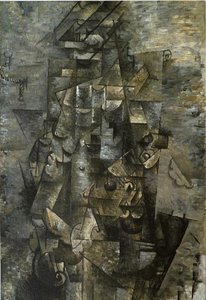
Braques Zusammenarbeit mit Pablo Picasso von 1908 bis 1912 führte zur Entwicklung des Kubismus. Ihre analytischen kubistischen Werke, wie z.B. Georges Braque: The Patience und Pablo Picasso: Clarinet(analytischer Kubismus, Öl auf Leinwand), gelten heute als Meilensteine der Kunstgeschichte.**Erbe und bemerkenswerte Werke**
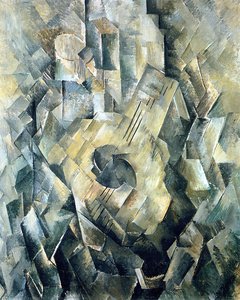
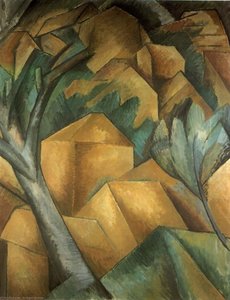
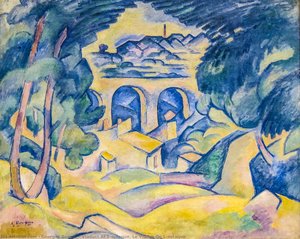
* Houses at L'Estaques: Ein Zeugnis für Braques innovatives Einsatz von Geometrie und simultaner Perspektive. * The Patience(Fauvismus, Öl auf Leinwand): Demonstriert Braques fauvistischen Stil. * Clarinet(analytischer Kubismus, Öl auf Leinwand): Eine kollaborative kubistische Arbeit mit Picasso.**Museen und Sammlungen**
* Musée d'Orsay: Bietet eine umfangreiche Sammlung impressionistischer und postimpressionistischer Kunst, darunter Werke von Braque. * Musée de l'Orangerie: Zeigt eine breite Palette von Kunstwerken, darunter Werke von Braque und anderen bedeutenden Künstlern.- Erfahren Sie mehr über Georges Braques Leben und Werk auf ArtsDot.com
- Entdecken Sie die Sammlung des Musée d'Orsay, die Werke von Braque und anderen Künstlern umfasst, unter Musée d'Orsay - Wikipedia
- Erfahren Sie mehr über den Fauvismus und seinen Einfluss auf die Entwicklung des Kubismus mit Fauvismus Kunstbewegung auf ArtsDot.com
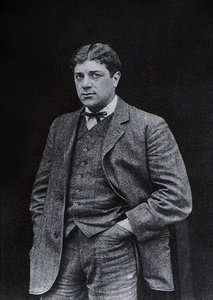
Georges Braque
1882 - 1963 , Frankreich
Kurzinfos
- Beeinflusste Künstler: ['Pablo Picasso']
- Bemerkenswerte Werke:
- Häuser in L'Estaque
- Die Geduld (Fauvismus)
- Stillleben mit Pfeife
- Mandola
- Einflussreiche Künstler:
- Henri Matisse
- André Derain
- Paul Cézanne
- Geburtsdatum: 13. Mai 1882
- Geburtsort: Argenteuil, Frankreich
- Künstlerischer Stil: Kubismus, Fauvismus
- Nationalität: Französisch
- Sterbedatum: 1963
- Vollständiger Name: Georges Braque
Ähnliche Artikel

Giclée Prints: Archival Quality & Aesthetic Nuances for the Discerning Collector
Explore the world of giclée prints with ArtsDot. Learn about archival quality, aesthetic nuances & investment potential. Expert guidance for discerning art collectors seeking museum-quality reproductions and lasting value.
Die Top 10 Gemälde der Kunstgeschichte – Dominiert von tiefem Schwarz
Entdecken Sie die Top 10 Gemälde, die von tiefem Schwarz und dramatischer Atmosphäre geprägt sind. Von Caravaggio bis Manet – Kunstgeschichte erleben & hochwertige Reproduktionen auf finden! Jetzt entdecken.
Transforming Spaces: A Comprehensive Exploration of Wall Decor Through Art History & Contemporary Practice
Explore the art of transforming spaces with our comprehensive guide to wall decor. From historical movements to contemporary trends, discover how to curate impactful interiors and commission bespoke artwork for a truly personalized aesthetic.

Georges Braque: Die 25 Meisterwerke des Kubismus für Ihr Zuhause | ArtsDot
Entdecken Sie die 25 bedeutendsten Kunstwerke von Georges Braque – vom Kubismus bis zum Fauvismus. Erfahren Sie die Geschichten hinter den Meisterwerken und finden Sie hochwertige Reproduktionen für Ihr Zuhause auf ArtsDot.com.

Die Top 10 berühmter Gemälde im Reich der dunklen Töne |
Entdecken Sie die Top 10 berühmter Gemälde, beherrscht von dunklen Tönen! Von Caravaggio bis Manet – erfahren Sie die Geschichten hinter Meisterwerken der Kunstgeschichte. Finden Sie Ihre perfekte Reproduktion auf .