 Vorschau anzeigen
 Versenden
 Teilen
 Details anzeigen

 Herunterladen
 Ähnliche Objekte
 Röntgenaufnahme
 Diashow
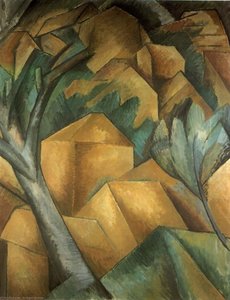
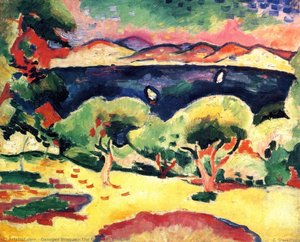
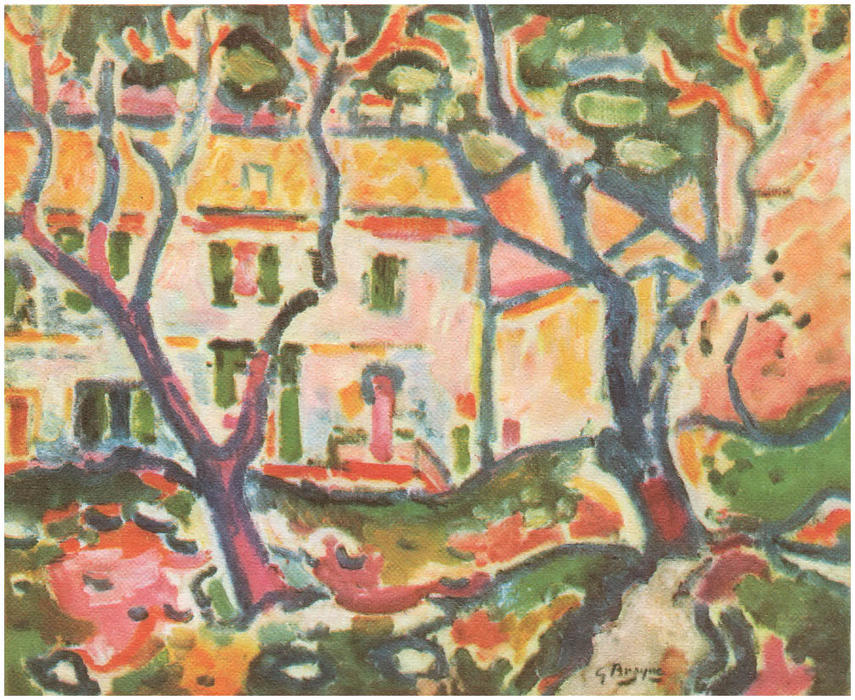
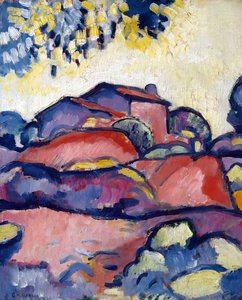
The House Behind the Trees


 Weiterlesen
Handgefertigte Ölreproduktion
Handgemaltes Ölgemälde auf Leinwand in Ihrer Wunschgröße und mit Rahmen, auf Bestellung von unseren Künstlern angefertigt. ( Druck bestellen Bild kaufen)




P118B $10

P118H $10

P118W $10

P438Z $10

P508JH $12

P508YH $12

P805H $10

P805Z $10

P919BZ $10

P919G $10

P919XJ $10

P959ZH $10

P968JZ $12

W106C $8

W218G $10

W218JH $8

W218Y $10

W307PJ $10

W316G $10

W316PJ $8

W316Y $10

W398PJ $8

W4111J $10

W500HY $15

W500JH $15

W692G $12

W849H $8

W940BG $15

W953PJ $8




Wählen Sie aus unseren vordefinierten Formaten, die den ursprünglichen Proportionen des Kunstwerks entsprechen.

Sie können Ihre eigenen Maße eingeben, um einen bestimmten Rahmen oder Platz auszufüllen. Wenn die gewählte Größe nicht den Proportionen des Originalbildes entspricht, werden wir das Kunstwerk entweder beschneiden oder das Gemälde durch zusätzliche, handgemalte Elemente erweitern. Ein digitales Mockup wird Ihnen zur Genehmigung zugesandt, bevor die Produktion beginnt.
Bitte beachten Sie, dass die Bildschirmvorschau nicht die tatsächliche Beschneidung oder Erweiterung widerspiegelt. Nur das Mockup zeigt die endgültige Komposition exakt an.
Obwohl Sondermaße verfügbar sind, empfehlen wir, eine Größe aus der vordefinierten Liste zu wählen, um die ursprünglichen Proportionen beizubehalten.
Nach der Bestellung wird das ArtsDot.com-Team dem Kunden Anweisungen per E-Mail zusenden und eine Mockup-Vorschau bereitstellen.
Weltweiter Versand () in nur 3 bis 4 Wochen statt der üblichen 5 Wochen. (7 September). Keine Kompromisse bei der Qualität.

Kostenloser weltweiter Expressversand

Hochwertige Leinenleinwand

Umfassender Versicherungsschutz beim Versand

Zollgebühren-Rückerstattungsgarantie

Garantie für exakte Farbtreue

100-Tage-Rückgaberecht (nur bei Mängeln)

100% Geld-zurück-Garantie

Mengenrabatt verfügbar
 Die Glasoption ist nur für Größen unter 110 cm verfügbar.

The House Behind the Trees
Art der Reproduktion
Format der Reproduktion
-


Gesamtpreis
$ 263
Georges Braque's "The House Behind the Trees": A Window into Cubist Beginnings
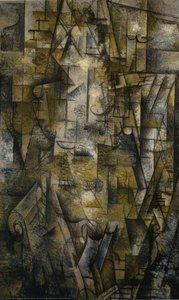
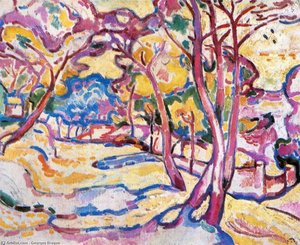
Georges Braque’s “The House Behind the Trees,” painted in 1906, offers a captivating glimpse into the nascent stages of Cubism, a movement that would irrevocably alter the course of modern art. This seemingly simple depiction – a charming house nestled amongst a grove of trees – is far more than just a picturesque scene; it’s a carefully constructed exploration of form, space, and perception, reflecting Braque's groundbreaking experimentation with representing three-dimensional reality on a two-dimensional surface.
- Subject Matter: The painting centers around a modest dwelling, its many windows inviting the viewer into an imagined interior. A solitary figure adds a human element, suggesting contemplation or perhaps simply enjoying the tranquility of the setting.
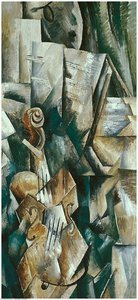
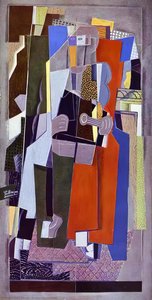
- Composition: Braque masterfully employs overlapping planes and fragmented forms to challenge traditional perspective. The house is not presented as a single, unified object but rather as a collection of geometric shapes – cubes, cones, and cylinders – that interlock and intersect with each other.
- Color Palette: The use of muted earth tones—ochres, browns, greens, and blues—contributes to the painting’s serene atmosphere while simultaneously emphasizing the flatness of the picture plane. This deliberate restraint in color further underscores Braque's focus on formal elements.
The Roots of Cubism: Deconstructing Reality
“The House Behind the Trees” was created during a pivotal period in Braque’s artistic development, coinciding with his close collaboration with Pablo Picasso. Together, they were dismantling conventional notions of representation, rejecting the illusionistic techniques favored by academic painters and instead seeking to depict objects from multiple viewpoints simultaneously. This approach, known as Cubism, aimed to capture not just the appearance of an object but also its underlying structure and essence.
The painting’s fragmented composition reflects this revolutionary spirit. The house is broken down into geometric components, suggesting that it can be viewed from various angles at once – a key tenet of Cubist theory. This deliberate distortion of perspective was not intended to deceive the viewer but rather to invite them to actively participate in the construction of meaning.
Symbolic Resonance and Emotional Impact
While ostensibly a simple landscape, “The House Behind the Trees” carries subtle symbolic weight. The house itself can be interpreted as representing domesticity, stability, and perhaps even the artist’s own search for order amidst the chaos of artistic experimentation. The surrounding trees evoke feelings of nature, solitude, and contemplation – themes frequently explored in Braque's work.
The painting’s overall effect is one of quiet beauty and intellectual intrigue. It invites viewers to slow down, observe carefully, and consider the complexities of perception. Braque’s masterful use of line, form, and color creates a visually stimulating experience that continues to resonate with audiences today.
Technique and Reproduction – A Legacy Preserved
This artwork exemplifies Braque's meticulous technique, characterized by precise brushwork and a deep understanding of spatial relationships. ArtsDot.com offers meticulously crafted hand-painted reproductions of “The House Behind the Trees,” ensuring that you experience the full impact of this seminal work of art. Our skilled artisans employ traditional painting methods to faithfully recreate Braque’s original vision, capturing every nuance of color and form.
Ähnliche Kunstwerke
Über den Künstler
**frühes Leben und Ausbildung**
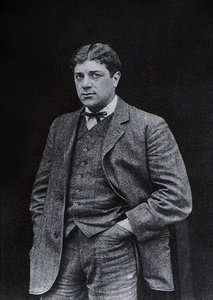
Georges Braque, ein prominenter französischer Maler, Kollagist, Bleistrichzeichner, Grafiker und Bildhauer, wurde am 13. Mai 1882 in Argenteuil, Val-d'oise, geboren. Er wuchs in Le Havre auf und erhielt zunächst eine Ausbildung als Hausmaler und Dekorateur wie sein Vater und Großvater. Braques künstlerische Neigungen führten ihn jedoch dazu, von 1897 bis 1899 an der École des Beaux-Arts in Le Havre Malerei zu studieren.**Künstlerische Entwicklung und Fauvisme**
Im Jahr 1902, nachdem er seine Lehre bei einem Dekorateur in Paris abgeschlossen hatte, besuchte Braque bis 1904 die Académie Humbert. Dieser Zeitraum markierte seine Einführung ins Fauvismus, einen Stil, der durch lebendige Farben und emotionale Reaktionen gekennzeichnet ist. Beeinflusst von den Werken von Henri Matisse und André Derain, übernahm Braque einen fauvistischen Ansatz, wie in seinem Gemälde The Patience (Fauvismus, Öl auf Leinwand).**Beitrag zum Kubismus**
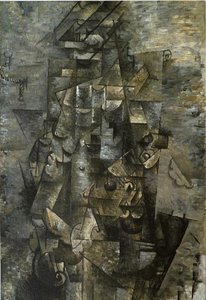
Braques Zusammenarbeit mit Pablo Picasso von 1908 bis 1912 führte zur Entwicklung des Kubismus. Ihre analytischen kubistischen Werke, wie z.B. Georges Braque: The Patience und Pablo Picasso: Clarinet(analytischer Kubismus, Öl auf Leinwand), gelten heute als Meilensteine der Kunstgeschichte.**Erbe und bemerkenswerte Werke**
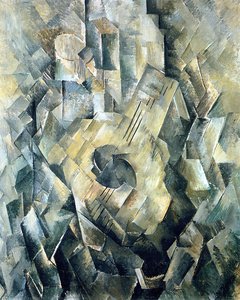
* Houses at L'Estaques: Ein Zeugnis für Braques innovatives Einsatz von Geometrie und simultaner Perspektive. * The Patience(Fauvismus, Öl auf Leinwand): Demonstriert Braques fauvistischen Stil. * Clarinet(analytischer Kubismus, Öl auf Leinwand): Eine kollaborative kubistische Arbeit mit Picasso.**Museen und Sammlungen**
* Musée d'Orsay: Bietet eine umfangreiche Sammlung impressionistischer und postimpressionistischer Kunst, darunter Werke von Braque. * Musée de l'Orangerie: Zeigt eine breite Palette von Kunstwerken, darunter Werke von Braque und anderen bedeutenden Künstlern.- Erfahren Sie mehr über Georges Braques Leben und Werk auf ArtsDot.com
- Entdecken Sie die Sammlung des Musée d'Orsay, die Werke von Braque und anderen Künstlern umfasst, unter Musée d'Orsay - Wikipedia
- Erfahren Sie mehr über den Fauvismus und seinen Einfluss auf die Entwicklung des Kubismus mit Fauvismus Kunstbewegung auf ArtsDot.com
Georges Braque
1882 - 1963 , Frankreich
Kurzinfos
- Beeinflusste Künstler: ['Pablo Picasso']
- Bemerkenswerte Werke:
- Häuser in L'Estaque
- Die Geduld (Fauvismus)
- Stillleben mit Pfeife
- Mandola
- Einflussreiche Künstler:
- Henri Matisse
- André Derain
- Paul Cézanne
- Geburtsdatum: 13. Mai 1882
- Geburtsort: Argenteuil, Frankreich
- Künstlerischer Stil: Kubismus, Fauvismus
- Nationalität: Französisch
- Sterbedatum: 1963
- Vollständiger Name: Georges Braque
Ähnliche Artikel

Georges Braque: Die 25 Meisterwerke des Kubismus für Ihr Zuhause | ArtsDot
Entdecken Sie die 25 bedeutendsten Kunstwerke von Georges Braque – vom Kubismus bis zum Fauvismus. Erfahren Sie die Geschichten hinter den Meisterwerken und finden Sie hochwertige Reproduktionen für Ihr Zuhause auf ArtsDot.com.

Giclée Prints: Archival Quality & Aesthetic Nuances for the Discerning Collector
Explore the world of giclée prints with ArtsDot. Learn about archival quality, aesthetic nuances & investment potential. Expert guidance for discerning art collectors seeking museum-quality reproductions and lasting value.
Transforming Spaces: A Comprehensive Exploration of Wall Decor Through Art History & Contemporary Practice
Explore the art of transforming spaces with our comprehensive guide to wall decor. From historical movements to contemporary trends, discover how to curate impactful interiors and commission bespoke artwork for a truly personalized aesthetic.

Echoes of Time: Exploring the Enduring Appeal & Historical Context of Vintage Art Prints
Explore the captivating world of vintage art prints! Discover their history, collecting tips & enduring appeal. Expert insights on chromolithography and building a legacy collection with ArtsDot.
Marianne North: Die 25 schönsten Blumenmalereien der viktorianischen Reisenden | ArtsDot
Entdecken Sie die 25 schönsten Werke der viktorianischen Blumenmalerin Marianne North! Erleben Sie ihre exotischen Reisebilder & botanischen Illustrationen. Hochwertige Kunst Reproduktionen für Ihr Zuhause auf ArtsDot.com.