 Vorschau anzeigen
 Versenden
 Teilen
 Details anzeigen

 Herunterladen
 Ähnliche Objekte
 Röntgenaufnahme
 Diashow
 Statistiken
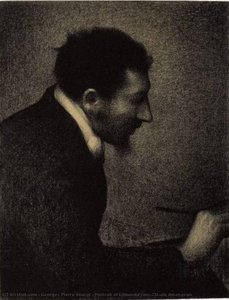
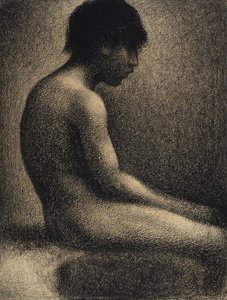
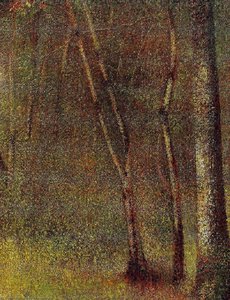
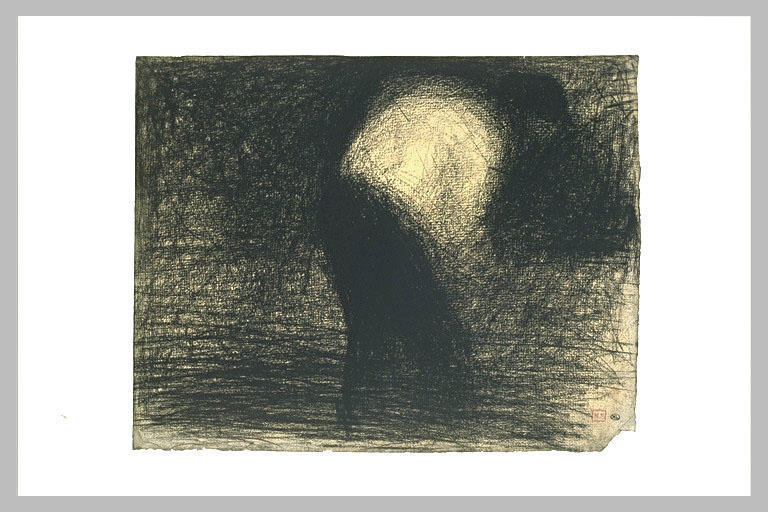
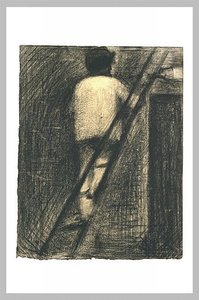
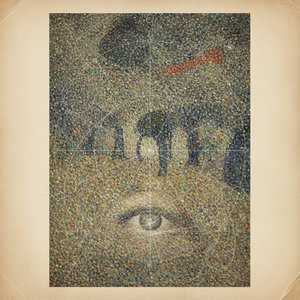
At work the land: man's face in profile, leaning forward
 Acrylic On Canvas
- WallArt
- Post-Impressionism
 19th Century
 31.0 x 24.0 cm
 Weiterlesen
Handgefertigte Ölreproduktion
Handgemaltes Ölgemälde auf Leinwand in Ihrer Wunschgröße und mit Rahmen, auf Bestellung von unseren Künstlern angefertigt. ( Zu Druck wechseln Zum digitalen Bild wechseln)




P118B $10

P118H $10

P118W $10

P438Z $10

P508JH $12

P508YH $12

P805H $10

P805Z $10

P919BZ $10

P919G $10

P919XJ $10

P959ZH $10

P968JZ $12

W106C $8

W218G $10

W218JH $8

W218Y $10

W307PJ $10

W316G $10

W316PJ $8

W316Y $10

W398PJ $8

W4111J $10

W500HY $15

W500JH $15

W692G $12

W849H $8

W940BG $15

W953PJ $8




Wählen Sie aus unseren vordefinierten Formaten, die den ursprünglichen Proportionen des Kunstwerks entsprechen.

Sie können Ihre eigenen Maße eingeben, um einen bestimmten Rahmen oder Platz auszufüllen. Wenn die gewählte Größe nicht den Proportionen des Originalbildes entspricht, werden wir das Kunstwerk entweder beschneiden oder das Gemälde durch zusätzliche, handgemalte Elemente erweitern. Ein digitales Mockup wird Ihnen zur Genehmigung zugesandt, bevor die Produktion beginnt.
Bitte beachten Sie, dass die Bildschirmvorschau nicht die tatsächliche Beschneidung oder Erweiterung widerspiegelt. Nur das Mockup zeigt die endgültige Komposition exakt an.
Obwohl Sondermaße verfügbar sind, empfehlen wir, eine Größe aus der vordefinierten Liste zu wählen, um die ursprünglichen Proportionen beizubehalten.
Nach der Bestellung wird das ArtsDot.com-Team dem Kunden Anweisungen per E-Mail zusenden und eine Mockup-Vorschau bereitstellen.
Weltweiter Versand () in nur 3 bis 4 Wochen statt der üblichen 5 Wochen. (8 September). Keine Kompromisse bei der Qualität.

Kostenloser weltweiter Expressversand

Hochwertige Leinenleinwand

Umfassender Versicherungsschutz beim Versand

Zollgebühren-Rückerstattungsgarantie

Garantie für exakte Farbtreue

100-Tage-Rückgaberecht (nur bei Mängeln)

100% Geld-zurück-Garantie

Mengenrabatt verfügbar
 Die Glasoption ist nur für Größen unter 110 cm verfügbar.

At work the land: man's face in profile, leaning forward
Art der Reproduktion
Format der Reproduktion
-


Gesamtpreis
$ 263
A Pioneering Vision of Light and Color: Exploring Georges Seurat’s “At Work the Land”
Georges Pierre Seurat, born in Paris on December 2, 1859, stands as a monumental figure in the artistic landscape of late nineteenth-century France—a pivotal innovator who irrevocably altered the course of painting. His brief yet extraordinarily productive career cemented his legacy through the groundbreaking development of Pointillism, a revolutionary technique rooted in scientific observation and driven by an unwavering commitment to capturing optical reality. More than just a stylistic choice, Pointillism represented a profound intellectual shift, mirroring Seurat’s own meticulous approach to understanding the world around him. This essay delves into the intricacies of “At Work the Land,” examining its artistic merit, historical significance, and enduring emotional resonance.The Essence of Pointillism: Scientific Precision Meets Artistic Expression
Seurat's artistic philosophy stemmed from a fascination with optics and color theory—concepts championed by Eugène Chevreuil and Michel Guérard Gouraud. Rejecting Impressionistic blending techniques that sought to represent fleeting impressions of light, Seurat meticulously applied tiny dots of pure pigment onto the canvas – dots that would blend optically in the viewer’s eye rather than physically mixing on the surface. This method, painstakingly executed with brushes loaded with minuscule amounts of color, demanded an unprecedented level of precision and patience. As documented in his influential treatise “Concerning Scientific Color Theory,” Seurat believed that by analyzing the spectral composition of light and replicating it through pigment dots, artists could achieve a more accurate depiction of visual experience than traditional methods allowed. This intellectual underpinning profoundly shaped his artistic practice and distinguishes "At Work the Land" from its Impressionist predecessors.“At Work the Land”: Composition and Symbolism
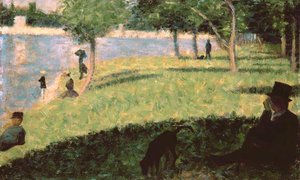
The painting itself depicts a solitary man seated in a chair, gazing intently towards an unseen horizon. The muted palette—primarily ochres, browns, and greens—reflects the earthy tones of the rural landscape surrounding him. However, it’s Seurat's masterful application of Pointillist dots that truly captivates the eye. Notice how the dots coalesce to create subtle gradations of color and texture, conveying a sense of depth and atmosphere without resorting to conventional blending. The man’s posture—leaning forward with his gaze fixed on the distant view—suggests contemplation and perhaps even yearning for something beyond immediate perception. While the subject matter appears simple, Seurat imbues it with symbolic weight, hinting at themes of labor, solitude, and the connection between humanity and nature – concepts prevalent in Symbolist art movements of the time.Historical Context: Bridging Impressionism and Modern Art
“At Work the Land” emerged during a period of significant artistic ferment—the twilight years of Impressionism and the burgeoning influence of Symbolism. Artists like Renoir, Monet, and Degas had established Impressionism as the dominant aesthetic sensibility, prioritizing capturing fleeting moments of sensory experience. Yet, Seurat recognized that Impressionism’s limitations lay in its inability to convey psychological depth or explore complex ideas. Embracing the principles of Neo-Impressionism—a movement he spearheaded alongside Georges Yves Ménot—Seurat sought to elevate painting beyond mere visual representation, aiming instead for a more profound engagement with the viewer's intellect and emotions. His work stands as a crucial bridge between these two artistic currents, demonstrating the potential for scientific rigor to inform aesthetic expression.Emotional Resonance: Capturing Tranquility and Reflection
Despite its technical complexity, “At Work the Land” exudes an undeniable sense of tranquility and introspection. The muted colors contribute to this mood, fostering a feeling of stillness and contemplation. More importantly, Seurat’s depiction of human presence—the solitary man absorbed in his gaze—resonates with universal themes of solitude and reflection. It invites viewers to consider their own relationship with the natural world and the importance of quiet observation. Like many works produced during this era, “At Work the Land” speaks to a deeper yearning for beauty and meaning – qualities that continue to inspire admiration centuries later.Ähnliche Kunstwerke
Über den Künstler
Georges Seurat: Ein Pionier des Neoimpressionismus
Frühes Leben und Ausbildung
- Geboren: 2. Dezember 1859 in Paris, Frankreich.
- Seurats Familie zog kurz nach seiner Geburt auf den Boulevard de Magenta um.
- Sein Vater, Antoine Chrysostome Seurat, war ein ehemaliger Jurist, der durch Immobilienhandel reich wurde.
- Er begann seine künstlerische Ausbildung an der École Municipale de Sculpture et Dessin, in der Nähe seines Zuhauses, unter dem Bildhauer Justin Lequien.
- Im Jahr 1878 meldete er sich an der renommierten École des Beaux-Arts an und studierte bei Henri Lehmann.
Künstlerische Entwicklung und Einflüsse
- Seurats künstlerliche Persönlichkeit war eine einzigartige Mischung aus Sensibilität und logischer Abstraktion. Er verband zarte Empfindsamkeit mit mathematischer Präzision.
- Einflüsse: Obwohl spezifische Einflüsse diskutiert werden, studierte er die Farbbtheorien von Wissenschaftlern wie Michel Eugène Chevreul und Ogden Rood.
- Er experimentierte zunächst mit traditionellen Zeichentechniken, bevor er seinen charakteristischen Stil entwickelte.
- Seine frühen Werke zeigen ein Interesse an akademischer Malerei, ging aber allmählich zu einem innovativeren Ansatz über.
Chromoluminarismus und Pointillismus
- Seurat entwickelte die Techniken des Chromoluminarismus (die Wissenschaft der Farbe) und des Pointillismus, indem er kleine, deutliche Punkte reiner Farbe auf eine Leinwand auftrug.
- Er verwendete Conté-Kreide für detaillierte Zeichnungen auf rauer Papiersubstanz als Teil seines Prozesses.
- Ziel des Pointillismus: Die Idee war, dass das Auge des Betrachters diese Farben optisch miteinander mischen und so einen lebendigen und leuchtenden Effekt erzeugt.
Wichtige Leistungen und bemerkenswerte Werke
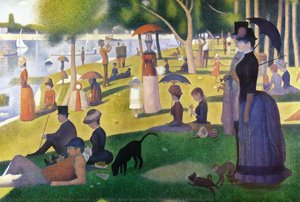
- Ein Sonntagnachmittag auf der Île de la Grande Jatte (1884-1886): Sein berühmtestes Werk, das den Beginn des Neoimpressionismus markiert. Es veranschaulicht seine Pointillist-Technik und seinen methodischen Ansatz.
- Alfalfa, Saint-Denis (1886-1887): Demonstriert seine Anwendung der Farbbtheorie auf eine ländliche Landschaft.
- Landschaft bei Saint-Ouen (1882-1883): Ein frühes Beispiel, das seinen sich entwickelnden Stil und sein Interesse an Licht und Atmosphäre zeigt.
- Der Eiffelturm (1889): Eine Darstellung des ikonischen Pariser Wahrzeichens, dargestellt mit Pointillist-Techniken.
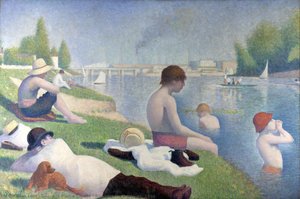
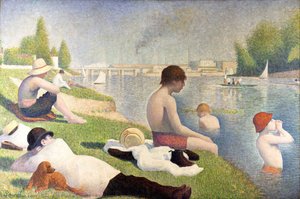
- Bäderer in Asnières (1884): Ein weiteres bedeutendes Werk, das Freizeit und modernen Lebensstil mit seinem unverwechselbaren Stil erforscht.
Historische Bedeutung und Vermächtnis
- Seureats Werk beeinflusste die Entwicklung der modernen Kunst nachhaltig, insbesondere durch seinen Schwerpunkt auf subjektivem Ausdruck und die Erforschung neuer Techniken.
- Legte den Grundstein: Er legte den Grundstein für Bewegungen wie Fauvismus, Kubismus und Expressionismus.
- Sein wissenschaftlicher Ansatz in der Malerei stellte traditionelle künstlerische Konventionen in Frage.
- Trotz seines kurzen Lebens (er starb im Alter von 31 Jahren) hinterließ Seurat einen unauslöschlichen Eindruck in der Kunstgeschichte und inspirierte Generationen von Künstlern mit seiner innovativen Vision.
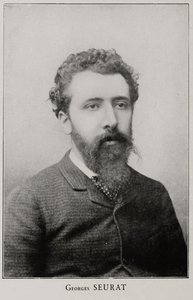
Georges Pierre Seurat
1859 - 1891 , Frankreich
Kurzinfos
- Beeinflusste Künstler:
- Fauvismus
- Kubismus
- Bemerkenswerte Werke:
- Ein Sonntagnachmittag...
- Bäufer in Asnières
- Der Eiffelturm
- Einflüsse:
- Michel Eugène Chevreul
- Ogden Rood
- Geburtsdatum: 2. Dezember 1859
- Geburtsort: Paris, Frankreich
- Künstlerische Bewegung: Neo-Impressionismus
- Nationalität: Französisch
- Sterbedatum: 1891
- Vollständiger Name: Georges Pierre Seurat
Ähnliche Artikel

Georges Braque: Die 25 Meisterwerke des Kubismus für Ihr Zuhause | ArtsDot
Entdecken Sie die 25 bedeutendsten Kunstwerke von Georges Braque – vom Kubismus bis zum Fauvismus. Erfahren Sie die Geschichten hinter den Meisterwerken und finden Sie hochwertige Reproduktionen für Ihr Zuhause auf ArtsDot.com.

Georges Seurat: Die 25 Meisterwerke des Pointillismus für Ihr Zuhause | ArtsDot
Entdecken Sie die 25 ikonischsten Meisterwerke von Georges Seurat! Tauchen Sie ein in die Welt des Pointillismus, der Farbtheorie und des Impressionismus. Hochwertige Kunst reproduzieren für Ihr Zuhause – jetzt auf ArtsDot.com!
Georges Seurat und der Pointillismus: Eine Revolution der Wahrnehmung
Entdecken Sie die faszinierende Welt des Pointillismus! Erfahren Sie alles über Georges Seurat, seine revolutionäre Maltechnik und die wissenschaftlichen Grundlagen dieser bedeutenden Kunstrichtung. Expertenwissen auf ArtsDot.

Postimpressionismus: Die 10 Meisterwerke, die eine Ära prägten –
Entdecken Sie die 10 Meisterwerke des Postimpressionismus! Van Gogh, Cézanne & Co. – ihre Geschichten, Techniken und zeitlose Schönheit. Kunstdrucke in Museumsqualiät auf . Jetzt entdecken!

Giclée Prints: Archival Quality & Aesthetic Nuances for the Discerning Collector
Explore the world of giclée prints with ArtsDot. Learn about archival quality, aesthetic nuances & investment potential. Expert guidance for discerning art collectors seeking museum-quality reproductions and lasting value.