 Vorschau anzeigen
 Versenden
 Teilen
 Details anzeigen

 Herunterladen
 Ähnliche Objekte
 Röntgenaufnahme
 Diashow
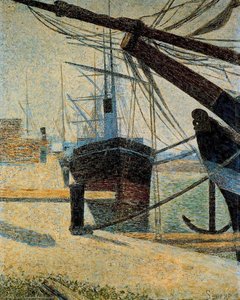
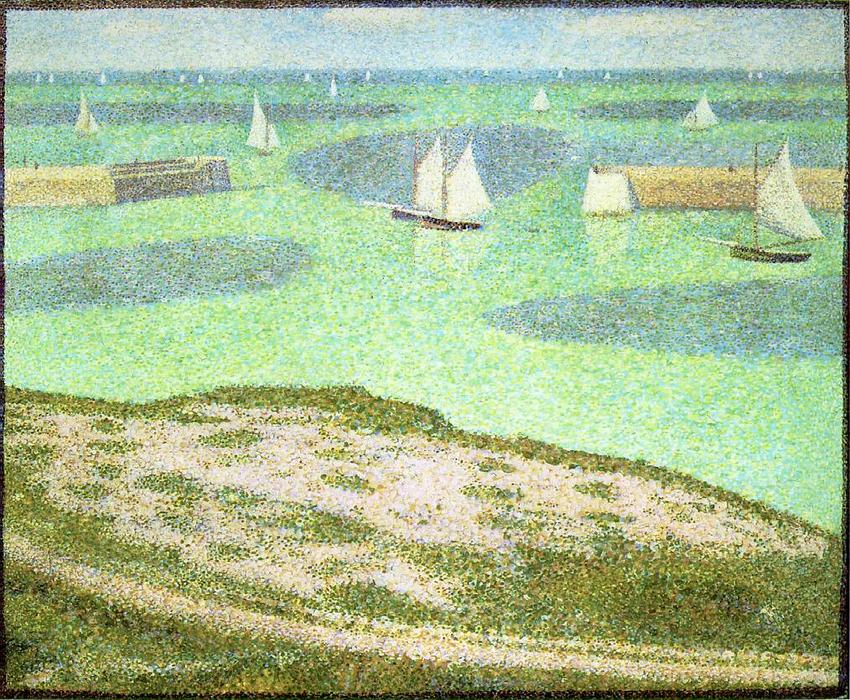
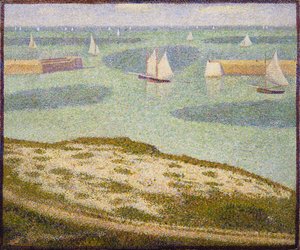
Port-en-Bessin Entrance to the Harbor
 Acrylic
- WallArt
- Impressionistic Precision
 1888
1888 55.0 x 65.0 cm
 Weiterlesen
Giclée / Kunstdruck
Giclée- oder Leinwanddruck in Museumsqualität mit schneller Produktion und flexiblen Veredelungsoptionen. ( Handgemalte Reproduktion bestellen Bild kaufen)




P118B $10

P118H $10

P118W $10

P438Z $10

P508JH $12

P508YH $12

P805H $10

P805Z $10

P919BZ $10

P919G $10

P919XJ $10

P959ZH $10

P968JZ $12

W106C $8

W218G $10

W218JH $8

W218Y $10

W307PJ $10

W316G $10

W316PJ $8

W316Y $10

W398PJ $8

W4111J $10

W500HY $15

W500JH $15

W692G $12

W849H $8

W940BG $15

W953PJ $8




Wählen Sie aus unseren vordefinierten Formaten, die den ursprünglichen Proportionen des Kunstwerks entsprechen.

Sie können Ihre eigenen Maße eingeben, um ein bestimmtes Format oder einen speziellen Platz einzupassen. Wenn das von Ihnen gewählte Format nicht den Proportionen des Originalbildes entspricht, werden wir das Kunstwerk entweder beschneiden oder das Bild mit einem gespiegelten oder einfarbigen Rand erweitern. Ein digitaler Entwurf wird Ihnen zur Genehmigung zugesandt, bevor die Produktion beginnt.
Bitte beachten Sie, dass die Vorschau auf dem Bildschirm nicht den tatsächlichen Zuschnitt oder die Erweiterung widerspiegelt. Nur der Entwurf zeigt die endgültige Komposition präzise an.
Obwohl Sondermaße verfügbar sind, empfehlen wir die Auswahl eines Maßes aus der vordefinierten Liste, um die ursprünglichen Proportionen zu bewahren.
Weltweiter Versand () innerhalb von 2 Wochen statt der üblichen 4/5 Wochen. (3 September)

Kostenloser weltweiter Expressversand

Hochwertige Leinenleinwand

Umfassender Versicherungsschutz beim Versand

Zollgebühren-Rückerstattungsgarantie

Garantie für exakte Farbtreue

60 Tage Rückgaberecht (nur bei Mängeln)

100% Geld-zurück-Garantie

Mengenrabatt verfügbar
 Die Glasoption ist nur für Größen unter 110 cm verfügbar.

Port-en-Bessin Entrance to the Harbor
Giclée / Kunstdruck
Format der Reproduktion
-


Gesamtpreis
$ 62
A Symphony of Light and Color: Exploring Georges Seurat’s Port-en-Bessin Entrance to the Harbor
The painting “Port-en-Bessin Entrance to the Harbor,” executed in 1888 by Georges Pierre Seurat, stands as a cornerstone of Post-Impressionism and exemplifies the revolutionary approach championed by this artistic movement. More than just a depiction of a coastal scene—a harbor bustling with sailboats—it’s an intellectual meditation on perception itself, reflecting Seurat's unwavering commitment to scientific observation and his groundbreaking application of Pointillist technique. This artwork transcends mere visual representation; it invites contemplation about the very nature of seeing and experiencing beauty.The Science Behind Impressionism’s Legacy
Seurat didn’t abandon Impressionism entirely but deliberately pushed its boundaries, recognizing that Impressionists primarily captured fleeting moments of light and color without delving into underlying structural principles. Influenced by Eugène Chevreuil and Gustave Moreau, Seurat sought to resolve the perceived inconsistencies inherent in Impressionistic renderings. He meticulously studied optics and color theory—specifically Helmholtz’s work on color perception—believing that artists could achieve greater accuracy by analyzing how the human eye perceives light. This scientific grounding fueled his conviction that painting should strive for a form of “optical illusion,” creating an image that stimulates the retina to produce sensations akin to what the eye actually sees.Pointillism: A Radical Innovation
The resulting technique, Pointillism—named after Georges Seurat’s fellow artist Paul Signac—became his signature style. Rather than blending colors on the canvas like Impressionists, Seurat applied tiny dots of pure pigment onto successive layers of paint. These dots, meticulously placed according to mathematical calculations based on color theory, refract light and blend optically in the viewer's eye, resulting in a luminous effect that surpasses traditional brushstrokes. The painting’s photograph reveals precisely this mesmerizing quality: countless minuscule points of color coalesce into an expansive seascape, capturing the shimmering brilliance of the ocean surface and the hazy atmosphere characteristic of coastal environments.A Harborscape Steeped in Symbolism
Beyond its technical prowess, “Port-en-Bessin Entrance to the Harbor” carries subtle symbolic resonance. Port-en-Bessin itself was a real location in Normandy, France—a town grappling with industrialization and modernization amidst the picturesque beauty of the countryside. Seurat’s depiction captures this tension, presenting a tranquil harbor scene juxtaposed against the dynamism of movement – represented by the sailboats gliding across the water. The careful arrangement of colors contributes to an overall feeling of serenity and contemplation, inviting viewers to appreciate the harmonious interplay between nature and human endeavor.Emotional Resonance: Capturing Atmosphere Through Precision
Ultimately, “Port-en-Bessin Entrance to Harbor” succeeds in conveying a profound emotional impact. It’s not merely a beautiful landscape; it's an embodiment of Seurat’s artistic philosophy—a testament to the power of observation and intellectual rigor combined with aesthetic sensitivity. The luminous quality achieved through Pointillism evokes feelings of peace, wonder, and perhaps even nostalgia for a bygone era. Reproductions of this masterpiece offer collectors and interior designers alike the opportunity to experience firsthand the brilliance of Post-Impressionist art and its enduring legacy as one of the most influential paintings of the late nineteenth century.Ähnliche Kunstwerke
Über den Künstler
Georges Seurat: Ein Pionier des Neoimpressionismus
Frühes Leben und Ausbildung
- Geboren: 2. Dezember 1859 in Paris, Frankreich.
- Seurats Familie zog kurz nach seiner Geburt auf den Boulevard de Magenta um.
- Sein Vater, Antoine Chrysostome Seurat, war ein ehemaliger Jurist, der durch Immobilienhandel reich wurde.
- Er begann seine künstlerische Ausbildung an der École Municipale de Sculpture et Dessin, in der Nähe seines Zuhauses, unter dem Bildhauer Justin Lequien.
- Im Jahr 1878 meldete er sich an der renommierten École des Beaux-Arts an und studierte bei Henri Lehmann.
Künstlerische Entwicklung und Einflüsse
- Seurats künstlerliche Persönlichkeit war eine einzigartige Mischung aus Sensibilität und logischer Abstraktion. Er verband zarte Empfindsamkeit mit mathematischer Präzision.
- Einflüsse: Obwohl spezifische Einflüsse diskutiert werden, studierte er die Farbbtheorien von Wissenschaftlern wie Michel Eugène Chevreul und Ogden Rood.
- Er experimentierte zunächst mit traditionellen Zeichentechniken, bevor er seinen charakteristischen Stil entwickelte.
- Seine frühen Werke zeigen ein Interesse an akademischer Malerei, ging aber allmählich zu einem innovativeren Ansatz über.
Chromoluminarismus und Pointillismus
- Seurat entwickelte die Techniken des Chromoluminarismus (die Wissenschaft der Farbe) und des Pointillismus, indem er kleine, deutliche Punkte reiner Farbe auf eine Leinwand auftrug.
- Er verwendete Conté-Kreide für detaillierte Zeichnungen auf rauer Papiersubstanz als Teil seines Prozesses.
- Ziel des Pointillismus: Die Idee war, dass das Auge des Betrachters diese Farben optisch miteinander mischen und so einen lebendigen und leuchtenden Effekt erzeugt.
Wichtige Leistungen und bemerkenswerte Werke
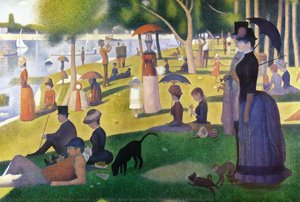
- Ein Sonntagnachmittag auf der Île de la Grande Jatte (1884-1886): Sein berühmtestes Werk, das den Beginn des Neoimpressionismus markiert. Es veranschaulicht seine Pointillist-Technik und seinen methodischen Ansatz.
- Alfalfa, Saint-Denis (1886-1887): Demonstriert seine Anwendung der Farbbtheorie auf eine ländliche Landschaft.
- Landschaft bei Saint-Ouen (1882-1883): Ein frühes Beispiel, das seinen sich entwickelnden Stil und sein Interesse an Licht und Atmosphäre zeigt.
- Der Eiffelturm (1889): Eine Darstellung des ikonischen Pariser Wahrzeichens, dargestellt mit Pointillist-Techniken.
- Bäderer in Asnières (1884): Ein weiteres bedeutendes Werk, das Freizeit und modernen Lebensstil mit seinem unverwechselbaren Stil erforscht.
Historische Bedeutung und Vermächtnis
- Seureats Werk beeinflusste die Entwicklung der modernen Kunst nachhaltig, insbesondere durch seinen Schwerpunkt auf subjektivem Ausdruck und die Erforschung neuer Techniken.
- Legte den Grundstein: Er legte den Grundstein für Bewegungen wie Fauvismus, Kubismus und Expressionismus.
- Sein wissenschaftlicher Ansatz in der Malerei stellte traditionelle künstlerische Konventionen in Frage.
- Trotz seines kurzen Lebens (er starb im Alter von 31 Jahren) hinterließ Seurat einen unauslöschlichen Eindruck in der Kunstgeschichte und inspirierte Generationen von Künstlern mit seiner innovativen Vision.
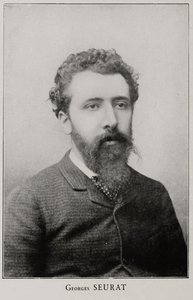
Georges Pierre Seurat
1859 - 1891 , Frankreich
Kurzinfos
- Beeinflusste Künstler:
- Fauvismus
- Kubismus
- Bemerkenswerte Werke:
- Ein Sonntagnachmittag...
- Bäufer in Asnières
- Der Eiffelturm
- Einflüsse:
- Michel Eugène Chevreul
- Ogden Rood
- Geburtsdatum: 2. Dezember 1859
- Geburtsort: Paris, Frankreich
- Künstlerische Bewegung: Neo-Impressionismus
- Nationalität: Französisch
- Sterbedatum: 1891
- Vollständiger Name: Georges Pierre Seurat
Ähnliche Artikel

Georges Seurat: Die 25 Meisterwerke des Pointillismus für Ihr Zuhause | ArtsDot
Entdecken Sie die 25 ikonischsten Meisterwerke von Georges Seurat! Tauchen Sie ein in die Welt des Pointillismus, der Farbtheorie und des Impressionismus. Hochwertige Kunst reproduzieren für Ihr Zuhause – jetzt auf ArtsDot.com!
Impressionistische Landschaften: Die 10 Meisterwerke, die eine Epoche prägten | ArtsDot
Entdecken Sie die 10 Meisterwerke des Impressionismus! Von Monet bis Renoir – erleben Sie die Geschichte, Technik und zeitlose Schönheit ikonischer Landschaftsbilder. Hochwertige Kunstdrucke auf ArtsDot.com. Jetzt entdecken!
Georges Seurat und der Pointillismus: Eine Revolution der Wahrnehmung
Entdecken Sie die faszinierende Welt des Pointillismus! Erfahren Sie alles über Georges Seurat, seine revolutionäre Maltechnik und die wissenschaftlichen Grundlagen dieser bedeutenden Kunstrichtung. Expertenwissen auf ArtsDot.
Chromatic Islands: Exploring the Theory & Legacy of Pointillism in 19th-Century Art
Explore the revolutionary world of Pointillism! Discover Georges Seurat's color theory, techniques & lasting impact on art history. Learn about Signac, Luce & Neo-Impressionism’s scientific approach to painting.
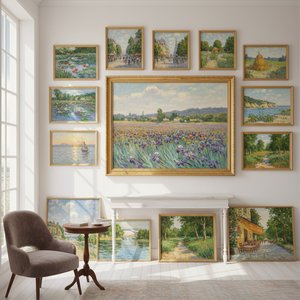
Impressionistische Landschaften: Die 10 Meisterwerke, die eine Kunstrichtung prägten | ArtsDot
Entdecken Sie die 10 Meisterwerke des Impressionismus! Von Monet bis Van Gogh – erleben Sie die Geschichten hinter berühmten Landschaftsbildern. Hochwertige Kunst Reproduktionen für Ihr Zuhause auf ArtsDot.com.