 Vorschau anzeigen
 Versenden
 Teilen
 Details anzeigen

 Herunterladen
 Ähnliche Objekte
 Röntgenaufnahme
 Diashow
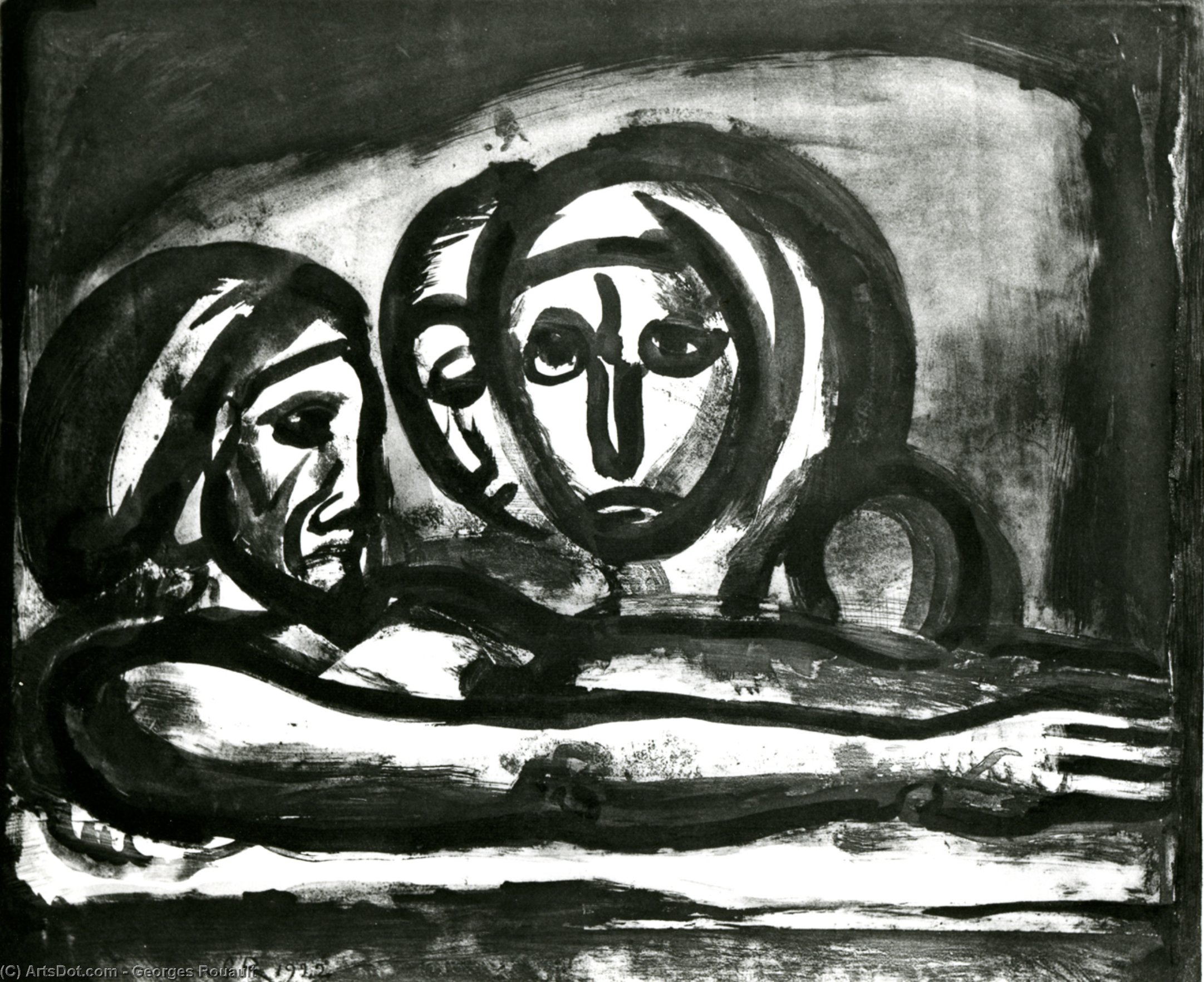
At the Wine Press, grapes being trampled

 Weiterlesen
Giclée / Kunstdruck
Giclée- oder Leinwanddruck in Museumsqualität mit schneller Produktion und flexiblen Veredelungsoptionen. ( Handgemalte Reproduktion bestellen Bild kaufen)




P118B $10

P118H $10

P118W $10

P438Z $10

P508JH $12

P508YH $12

P805H $10

P805Z $10

P919BZ $10

P919G $10

P919XJ $10

P959ZH $10

P968JZ $12

W106C $8

W218G $10

W218JH $8

W218Y $10

W307PJ $10

W316G $10

W316PJ $8

W316Y $10

W398PJ $8

W4111J $10

W500HY $15

W500JH $15

W692G $12

W849H $8

W940BG $15

W953PJ $8




Wählen Sie aus unseren vordefinierten Formaten, die den ursprünglichen Proportionen des Kunstwerks entsprechen.

Sie können Ihre eigenen Maße eingeben, um ein bestimmtes Format oder einen speziellen Platz einzupassen. Wenn das von Ihnen gewählte Format nicht den Proportionen des Originalbildes entspricht, werden wir das Kunstwerk entweder beschneiden oder das Bild mit einem gespiegelten oder einfarbigen Rand erweitern. Ein digitaler Entwurf wird Ihnen zur Genehmigung zugesandt, bevor die Produktion beginnt.
Bitte beachten Sie, dass die Vorschau auf dem Bildschirm nicht den tatsächlichen Zuschnitt oder die Erweiterung widerspiegelt. Nur der Entwurf zeigt die endgültige Komposition präzise an.
Obwohl Sondermaße verfügbar sind, empfehlen wir die Auswahl eines Maßes aus der vordefinierten Liste, um die ursprünglichen Proportionen zu bewahren.
Weltweiter Versand () innerhalb von 2 Wochen statt der üblichen 4/5 Wochen. (7 September)

Kostenloser weltweiter Expressversand

Hochwertige Leinenleinwand

Umfassender Versicherungsschutz beim Versand

Zollgebühren-Rückerstattungsgarantie

Garantie für exakte Farbtreue

100 Tage Rückgaberecht (nur bei Mängeln)

100% Geld-zurück-Garantie

Mengenrabatt verfügbar
 Die Glasoption ist nur für Größen unter 110 cm verfügbar.

At the Wine Press, grapes being trampled
Giclée / Kunstdruck
Format der Reproduktion
-


Gesamtpreis
$ 62
Georges Rouault’s “At the Wine Press”: A Testament to Suffering and Spiritual Resilience
The artwork depicts Georges Rouault's "At the Wine Press," a monumental drypoint etching that transcends mere depiction of labor, delving into profound explorations of human endurance and spiritual contemplation. Executed in 1946 during the waning years of World War II, this piece stands as a poignant emblem of resilience amidst devastation—a visual chronicle of hardship rendered with breathtaking artistic precision. Rouault’s oeuvre consistently grappled with themes of poverty, illness, and religious faith, reflecting his deeply personal convictions and shaping his distinctive aesthetic vision.Composition and Technique: Embracing Darkness and Texture
Rouault's masterful technique is immediately apparent upon observation. The etching employs drypoint—a process involving scratching a hardened steel plate with needles—resulting in exceptionally rich tonal variations achieved through multiple incrustations of ink. This method lends the image an unparalleled textural quality, mirroring the rough surface of the wine press itself and conveying a palpable sense of physicality. The composition is deliberately claustrophobic; three figures dominate the scene, positioned within a shallow trough bathed in starkly contrasting light and shadow. Bold, expressive lines delineate facial features with exaggerated anguish—a deliberate stylistic choice designed to amplify emotional impact rather than striving for photographic realism.Historical Context: Echoes of War and Faith
“At the Wine Press” emerged from a period marked by immense upheaval – the Second World War ravaged Europe, leaving indelible scars on its collective psyche. Rouault’s artistic sensibilities were profoundly influenced by this turbulent era; he sought solace in Catholicism as a means of confronting existential anxieties and articulating spiritual truths. The image resonates with biblical imagery—specifically references to Christ's suffering—suggesting that Rouault viewed the arduous process of winemaking as an allegory for human struggle against adversity. This interpretation aligns seamlessly with his broader artistic preoccupation with marginalized individuals facing persecution and injustice.Symbolism: Beyond Labor – A Meditation on Pain and Redemption
The artwork’s symbolism extends far beyond its surface representation of agricultural toil. The darkened background symbolizes oppression and despair, mirroring the pervasive atmosphere of wartime anxiety. Yet, amidst this gloom, the luminous faces of the figures—illuminated by a single shaft of light—represent hope and spiritual redemption. Rouault's deliberate use of color—primarily black, white, and shades of gray—reinforces this duality, emphasizing the importance of inner fortitude in overcoming external challenges. The trough itself serves as a visual metaphor for containment – both physical and emotional – highlighting the figures’ vulnerability yet simultaneously asserting their unwavering determination.Emotional Impact: A Profound Reflection on Human Condition
“At the Wine Press” commands attention not merely through its technical brilliance but also through its capacity to evoke profound emotional responses. The artist's unflinching portrayal of suffering compels viewers to confront uncomfortable truths about the human condition—to acknowledge our inherent vulnerability and to embrace compassion for those enduring hardship. Rouault’s work transcends stylistic conventions; it speaks directly to the soul, prompting introspection and fostering a deeper appreciation for the beauty found within resilience—a timeless message conveyed with unwavering conviction through his masterful etching technique.Ähnliche Kunstwerke

Über den Künstler
Frühes Leben und Ausbildung
Georges Henri Rouault, ein französischer Maler, Zeichner und Grafiker, wurde am 27. Mai 1871 in Paris aus einer armen Familie geboren. Seine Mutter förderte seine Liebe zur Kunst, und im Alter von 14 Jahren begann er eine Lehrstelle als Glasmaler und Restaurator, die bis 1890 dauerte. Diese frühe Erfahrung beeinflusste wahrscheinlich seinen späteren Malstil, der durch starke schwarze Konturen und leuchtende Farben gekennzeichnet ist, was an Blei-verglaste Scheiben erinnert.Künstlerische Laufbahn
Während seiner Lehrzeit besuchte Rouault Abendschulkurse an der École des Beaux-Arts und trat 1891 in die École des Beaux-Arts ein, wo er unter Gustave Moreau studierte. Rouaults früheste Werke zeigen einen Symbolismus in der Farbgebung, was Moreaus Einfluss widerspiegelt. Nach Moreaus Tod im Jahr 1898 wurde Rouault zum Kurator des Moreau Museums in Paris ernannt.Fauvismus und Expressionismus
Rouault lernte bedeutende Künstler wie Henri Matisse, Albert Marquet, Henri Manguin und Charles Camoin kennen, was ihn zur Fauvismus-Bewegung führte, wobei Matisse als ihr Anführer galt. Rouaults Einsatz von starken Kontrasten und Emotionalität wurde von Vincent van Gogh beeinflusst. Seine Charakterisierungen überbetonter, grotesker Persönlichkeiten inspirierten expressionistische Maler.Wichtige Werke und Ausstellungen
* 1891 malte Rouault „Der Weg nach Kalvarienberg“. * Ab 1895 nahm er an wichtigen öffentlichen Ausstellungen teil, darunter dem Salon d'Automne, den er mitbegründete. * 1907 begann Rouault eine Reihe von Gemälden, die sich den Höfen, Clowns und Prostituierten widmeten, die als moralische und soziale Kritik interpretiert wurden.Vermächtnis und spätes Leben
Ab 1917 widmete sich Rouault der Malerei, wobei sein christlicher Glaube seine Arbeit prägte. Er entwarf 1929 Designs für Diaghilevs Ballett „Der verlorene Sohn“. Ab 1930 begann er in ausländischen Ländern, hauptsächlich in London, New York und Chicago, auszustellen. Rouault starb am 13. Februar 1958 in Paris und hinterließ ein Vermächtnis als einer der leidenschaftlichsten christlichen Künstler des 20. Jahrhunderts. Wichtig: Gegen Ende seines Lebens verbrannte Rouault etwa 300 seiner Bilder, deren Wert auf über fünfhundert Millionen Francs geschätzt wird.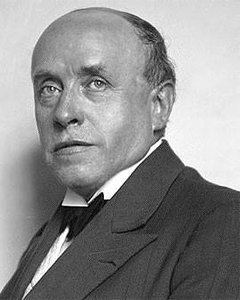
Georges Rouault
1871 - 1958 , Frankreich
Kurzinfos
- Beeinflusste Künstler:
- Vincent van Gogh
- Gustave Moreau
- Bemerkenswerte Werke:
- Der Weg nach Kalvarien
- Porträts von Clowns und Huren
- Geburtsdatum: 27. Mai 1871
- Geburtsort: Paris, Frankreich
- Künstlerische Bewegung: Expressionismus, Fauvismus
- Nationalität: Französisch
- Sterbedatum: 13. Februar 1958
- Vollständiger Name: Georges Rouault
- Von Ihm Beeinflusste Künstler: ['Expressionistische Maler']
Ähnliche Artikel

Georges Braque: Die 25 Meisterwerke des Kubismus für Ihr Zuhause | ArtsDot
Entdecken Sie die 25 bedeutendsten Kunstwerke von Georges Braque – vom Kubismus bis zum Fauvismus. Erfahren Sie die Geschichten hinter den Meisterwerken und finden Sie hochwertige Reproduktionen für Ihr Zuhause auf ArtsDot.com.

Georges Seurat: Die 25 Meisterwerke des Pointillismus für Ihr Zuhause | ArtsDot
Entdecken Sie die 25 ikonischsten Meisterwerke von Georges Seurat! Tauchen Sie ein in die Welt des Pointillismus, der Farbtheorie und des Impressionismus. Hochwertige Kunst reproduzieren für Ihr Zuhause – jetzt auf ArtsDot.com!
Etching: A Historical Survey of Technique, Aesthetic Qualities & Enduring Artistic Significance
Explore the rich history of etching, from its origins to Rembrandt's masterful innovations. Discover the technique, aesthetic qualities & enduring legacy of this captivating art form. Expert insights for collectors and enthusiasts.
The Intricate World of Etching: A Historical Survey of Technique, Aesthetic Evolution, and Enduring Artistic Impact
Explore the rich history of etching, from its origins to modern practice. Discover techniques, key artists like Rembrandt, and insights for collectors. A comprehensive guide by ArtsDot.
Die 10 legendärsten Radierungen: Meisterwerke, die Kunstgeschichte schrieben | ArtsDot
Entdecken Sie die 10 legendärsten Radierungen von Rembrandt, Dürer & Goya! Erfahren Sie die Geschichten hinter diesen Meisterwerken der Kunstgeschichte und lassen Sie sich für Ihre Wohnräume inspirieren. Hochwertige Kunstdrucke auf ArtsDot.com.