 Vorschau anzeigen
 Versenden
 Teilen
 Details anzeigen

 Herunterladen
 Ähnliche Objekte
 Röntgenaufnahme
 Diashow
 Statistiken
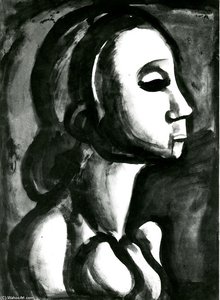
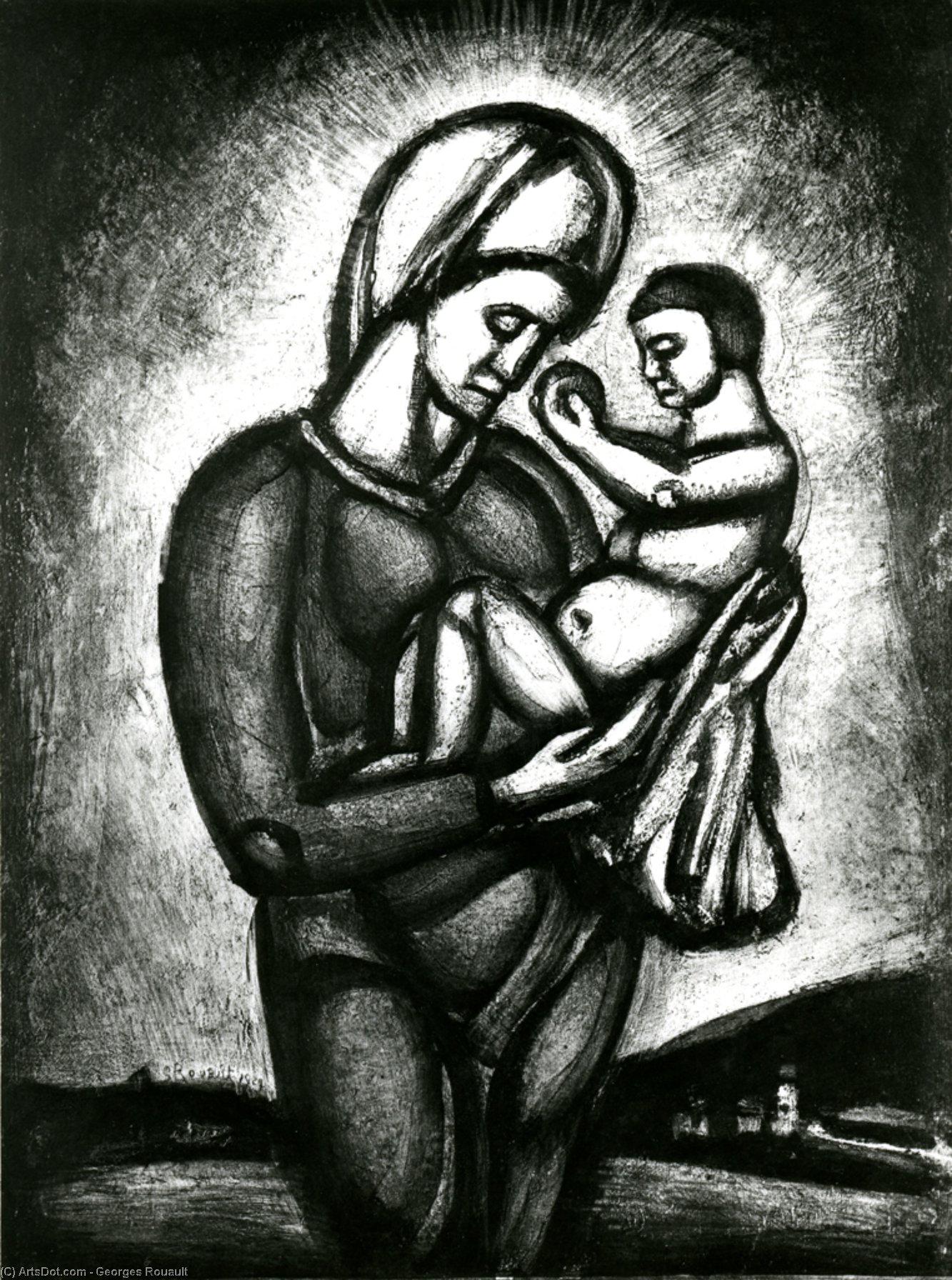
In These Times Blacks boasting and unbelief, Our Lady of the End Lands Vigilante


 Weiterlesen
Giclée / Kunstdruck
Giclée- oder Leinwanddruck in Museumsqualität mit schneller Produktion und flexiblen Veredelungsoptionen. ( Handgemalte Reproduktion bestellen Zum digitalen Bild wechseln)




P118B $10

P118H $10

P118W $10

P438Z $10

P508JH $12

P508YH $12

P805H $10

P805Z $10

P919BZ $10

P919G $10

P919XJ $10

P959ZH $10

P968JZ $12

W106C $8

W218G $10

W218JH $8

W218Y $10

W307PJ $10

W316G $10

W316PJ $8

W316Y $10

W398PJ $8

W4111J $10

W500HY $15

W500JH $15

W692G $12

W849H $8

W940BG $15

W953PJ $8




Wählen Sie aus unseren vordefinierten Formaten, die den ursprünglichen Proportionen des Kunstwerks entsprechen.

Sie können Ihre eigenen Maße eingeben, um ein bestimmtes Format oder einen speziellen Platz einzupassen. Wenn das von Ihnen gewählte Format nicht den Proportionen des Originalbildes entspricht, werden wir das Kunstwerk entweder beschneiden oder das Bild mit einem gespiegelten oder einfarbigen Rand erweitern. Ein digitaler Entwurf wird Ihnen zur Genehmigung zugesandt, bevor die Produktion beginnt.
Bitte beachten Sie, dass die Vorschau auf dem Bildschirm nicht den tatsächlichen Zuschnitt oder die Erweiterung widerspiegelt. Nur der Entwurf zeigt die endgültige Komposition präzise an.
Obwohl Sondermaße verfügbar sind, empfehlen wir die Auswahl eines Maßes aus der vordefinierten Liste, um die ursprünglichen Proportionen zu bewahren.
Weltweiter Versand () innerhalb von 2 Wochen statt der üblichen 4/5 Wochen. (9 September)

Kostenloser weltweiter Expressversand

Hochwertige Leinenleinwand

Umfassender Versicherungsschutz beim Versand

Zollgebühren-Rückerstattungsgarantie

Garantie für exakte Farbtreue

100-Tage-Rückgaberecht (nur bei Mängeln)

100% Geld-zurück-Garantie

Mengenrabatt verfügbar
 Die Glasoption ist nur für Größen unter 110 cm verfügbar.

In These Times Blacks boasting and unbelief, Our Lady of the End Lands Vigilante
Giclée / Kunstdruck
Format der Reproduktion
-


Gesamtpreis
$ 62
A Descent into Shadow: Georges Rouault’s ‘Miserere’ – A Portrait of Suffering
Georges Rouault's Miserere, created between 1922 and 1927, isn’t merely a depiction of the Virgin Mary cradling the Christ Child; it’s a profound plunge into the heart of human sorrow. Born in Paris amidst the lingering trauma of the Commune – an event that indelibly shaped his artistic vision – Rouault dedicated his life to portraying the marginalized and suffering, finding beauty and spiritual resonance within scenes of hardship. This particular work, rendered in stark monochrome with a masterful command of hatching and cross-hatching, embodies this core tenet of his oeuvre, offering a visceral experience far removed from idealized religious iconography.
- The Raw Emotion: Rouault deliberately eschewed the polished surfaces and vibrant colors favored by many of his contemporaries. Instead, he embraced a palette dominated by shades of gray, black, and white, amplifying the emotional intensity of the scene. The figures are not presented with serene dignity; their faces bear expressions of profound sadness and contemplation – a deliberate rejection of conventional representations of divine motherhood.
- Technique as Revelation: Rouault’s technique is central to the work's power. The meticulous layering of lines, achieved through painstaking hatching and cross-hatching, creates a palpable sense of texture and depth. It’s not simply a rendering of form; it’s an embodiment of suffering itself – the rough edges, the uneven surfaces mirroring the jaggedness of human experience.
Echoes of Medieval Art & The Artist's Personal Journey
Rouault’s artistic lineage is deeply rooted in medieval art, particularly the stained glass he initially apprenticed in. This influence manifests in the work’s dramatic use of light and shadow, reminiscent of the luminous figures within Gothic cathedrals. However, unlike the idealized representations of the Middle Ages, Rouault's vision is profoundly grounded in realism and a deeply personal faith. The title itself, Miserere (Latin for “have mercy”), reflects his own spiritual struggles – a constant grappling with themes of sin, redemption, and the inherent suffering within the world.
His early life experiences—the bombardment of Paris, his family’s refuge in a cellar—fueled this preoccupation with darkness and vulnerability. This wasn't a detached observation; it was an intensely felt empathy for those who endured hardship, a sentiment powerfully conveyed through the somber expressions of Mary and Jesus.
Symbolism & The Weight of Humanity
The composition itself is laden with symbolic weight. The halo-like effect surrounding Mary’s head isn't a symbol of divine glory but rather an intensification of her sorrow, emphasizing her role as a witness to human suffering. The figures are presented in a simplified, almost flattened perspective, further contributing to the work’s emotional intensity and removing any illusion of depth or grandeur. Rouault deliberately stripped away the conventional trappings of religious art, focusing instead on the raw, unvarnished truth of human experience.
Miserere is not a celebration of faith; it's an honest confrontation with its darker aspects – a poignant reminder of mortality, vulnerability, and the enduring presence of suffering in the world. It’s a testament to Rouault’s unwavering commitment to portraying the human condition with unflinching honesty and profound empathy.
A Reproduction for Reflection & Inspiration
ArtsDot offers meticulously hand-painted reproductions of this powerful artwork, capturing not just its visual elements but also the emotional depth that defines Rouault's masterpiece. Each reproduction is created by skilled artisans who painstakingly recreate the artist’s technique, ensuring an authentic and evocative representation. Whether displayed in a private residence or incorporated into a larger art collection, Miserere offers a unique opportunity for contemplation and reflection – a timeless reminder of humanity’s capacity for both sorrow and compassion.
Ähnliche Kunstwerke
Über den Künstler
Frühes Leben und Ausbildung
Georges Henri Rouault, ein französischer Maler, Zeichner und Grafiker, wurde am 27. Mai 1871 in Paris aus einer armen Familie geboren. Seine Mutter förderte seine Liebe zur Kunst, und im Alter von 14 Jahren begann er eine Lehrstelle als Glasmaler und Restaurator, die bis 1890 dauerte. Diese frühe Erfahrung beeinflusste wahrscheinlich seinen späteren Malstil, der durch starke schwarze Konturen und leuchtende Farben gekennzeichnet ist, was an Blei-verglaste Scheiben erinnert.Künstlerische Laufbahn
Während seiner Lehrzeit besuchte Rouault Abendschulkurse an der École des Beaux-Arts und trat 1891 in die École des Beaux-Arts ein, wo er unter Gustave Moreau studierte. Rouaults früheste Werke zeigen einen Symbolismus in der Farbgebung, was Moreaus Einfluss widerspiegelt. Nach Moreaus Tod im Jahr 1898 wurde Rouault zum Kurator des Moreau Museums in Paris ernannt.Fauvismus und Expressionismus
Rouault lernte bedeutende Künstler wie Henri Matisse, Albert Marquet, Henri Manguin und Charles Camoin kennen, was ihn zur Fauvismus-Bewegung führte, wobei Matisse als ihr Anführer galt. Rouaults Einsatz von starken Kontrasten und Emotionalität wurde von Vincent van Gogh beeinflusst. Seine Charakterisierungen überbetonter, grotesker Persönlichkeiten inspirierten expressionistische Maler.Wichtige Werke und Ausstellungen
* 1891 malte Rouault „Der Weg nach Kalvarienberg“. * Ab 1895 nahm er an wichtigen öffentlichen Ausstellungen teil, darunter dem Salon d'Automne, den er mitbegründete. * 1907 begann Rouault eine Reihe von Gemälden, die sich den Höfen, Clowns und Prostituierten widmeten, die als moralische und soziale Kritik interpretiert wurden.Vermächtnis und spätes Leben
Ab 1917 widmete sich Rouault der Malerei, wobei sein christlicher Glaube seine Arbeit prägte. Er entwarf 1929 Designs für Diaghilevs Ballett „Der verlorene Sohn“. Ab 1930 begann er in ausländischen Ländern, hauptsächlich in London, New York und Chicago, auszustellen. Rouault starb am 13. Februar 1958 in Paris und hinterließ ein Vermächtnis als einer der leidenschaftlichsten christlichen Künstler des 20. Jahrhunderts. Wichtig: Gegen Ende seines Lebens verbrannte Rouault etwa 300 seiner Bilder, deren Wert auf über fünfhundert Millionen Francs geschätzt wird.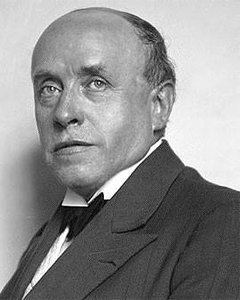
Georges Rouault
1871 - 1958 , Frankreich
Kurzinfos
- Beeinflusste Künstler:
- Vincent van Gogh
- Gustave Moreau
- Bemerkenswerte Werke:
- Der Weg nach Kalvarien
- Porträts von Clowns und Huren
- Geburtsdatum: 27. Mai 1871
- Geburtsort: Paris, Frankreich
- Künstlerische Bewegung: Expressionismus, Fauvismus
- Nationalität: Französisch
- Sterbedatum: 13. Februar 1958
- Vollständiger Name: Georges Rouault
- Von Ihm Beeinflusste Künstler: ['Expressionistische Maler']
Ähnliche Artikel
Jacob Henricus Maris: Meister des niederländischen Stimmungsrealismus und der intimen Landschaft
Entdecken Sie das Werk von Jacob Henricus Maris, einem Meister des niederländischen Stimmungsrealismus! Erfahren Sie mehr über seine Landschaftsmalerei, Einflüsse und berühmte Gemälde. Jetzt lesen & inspirieren lassen!

Georges Braque: Die 25 Meisterwerke des Kubismus für Ihr Zuhause | ArtsDot
Entdecken Sie die 25 bedeutendsten Kunstwerke von Georges Braque – vom Kubismus bis zum Fauvismus. Erfahren Sie die Geschichten hinter den Meisterwerken und finden Sie hochwertige Reproduktionen für Ihr Zuhause auf ArtsDot.com.

Georges Seurat: Die 25 Meisterwerke des Pointillismus für Ihr Zuhause | ArtsDot
Entdecken Sie die 25 ikonischsten Meisterwerke von Georges Seurat! Tauchen Sie ein in die Welt des Pointillismus, der Farbtheorie und des Impressionismus. Hochwertige Kunst reproduzieren für Ihr Zuhause – jetzt auf ArtsDot.com!

Fra Angelico: Die 25 Meisterwerke des italienischen Frührenaissance-Malers | ArtsDot
Entdecken Sie die 25 schönsten Meisterwerke von Fra Angelico! Erleben Sie religiöse Kunst der italienischen Renaissance, himmlische Fresken & Panelgemälde. Finden Sie hochwertige Kunstdrucke und Reproduktionen für Ihr Zuhause auf ArtsDot.com.
Unlocking Emotion: A Beginner's Guide to the Raw Power of Symbolic Expressionism Art
Discover the raw emotion of Symbolic Expressionism. Our expert guide explores how masters like Munch use color and form to convey inner feelings, offering inspiration for collectors looking to bring powerful, soulful art into their modern homes.