 Vorschau anzeigen
 Versenden
 Teilen
 Details anzeigen

 Herunterladen
 Ähnliche Objekte
 Röntgenaufnahme
 Diashow
 Stats
StatsHead with Broken Pot


 Weiterlesen
Handgefertigte Ölreproduktion
Handgemaltes Ölgemälde auf Leinwand in Ihrer Wunschgröße und mit Rahmen, auf Bestellung von unseren Künstlern angefertigt. ( Switch to Print Switch to Digital Image)




P118B $10

P118H $10

P118W $10

P438Z $10

P508JH $12

P508YH $12

P805H $10

P805Z $10

P919BZ $10

P919G $10

P919XJ $10

P959ZH $10

P968JZ $12

W106C $8

W218G $10

W218JH $8

W218Y $10

W307PJ $10

W316G $10

W316PJ $8

W316Y $10

W398PJ $8

W4111J $10

W500HY $15

W500JH $15

W692G $12

W849H $8

W940BG $15

W953PJ $8




Wählen Sie aus unseren vordefinierten Formaten, die den ursprünglichen Proportionen des Kunstwerks entsprechen.

Sie können Ihre eigenen Maße eingeben, um einen bestimmten Rahmen oder Platz auszufüllen. Wenn die gewählte Größe nicht den Proportionen des Originalbildes entspricht, werden wir das Kunstwerk entweder beschneiden oder das Gemälde durch zusätzliche, handgemalte Elemente erweitern. Ein digitales Mockup wird Ihnen zur Genehmigung zugesandt, bevor die Produktion beginnt.
Bitte beachten Sie, dass die Bildschirmvorschau nicht die tatsächliche Beschneidung oder Erweiterung widerspiegelt. Nur das Mockup zeigt die endgültige Komposition exakt an.
Obwohl Sondermaße verfügbar sind, empfehlen wir, eine Größe aus der vordefinierten Liste zu wählen, um die ursprünglichen Proportionen beizubehalten.
Nach der Bestellung wird das ArtsDot.com-Team dem Kunden Anweisungen per E-Mail zusenden und eine Mockup-Vorschau bereitstellen.
Weltweiter Versand () in nur 3 bis 4 Wochen statt der üblichen 5 Wochen. (8 September). Keine Kompromisse bei der Qualität.

Kostenloser weltweiter Expressversand

Hochwertige Leinenleinwand

Umfassender Versicherungsschutz beim Versand

Zollgebühren-Rückerstattungsgarantie

Garantie für exakte Farbtreue

100-Tage-Rückgaberecht (nur bei Mängeln)

100% Geld-zurück-Garantie

Mengenrabatt verfügbar
 Die Glasoption ist nur für Größen unter 110 cm verfügbar.

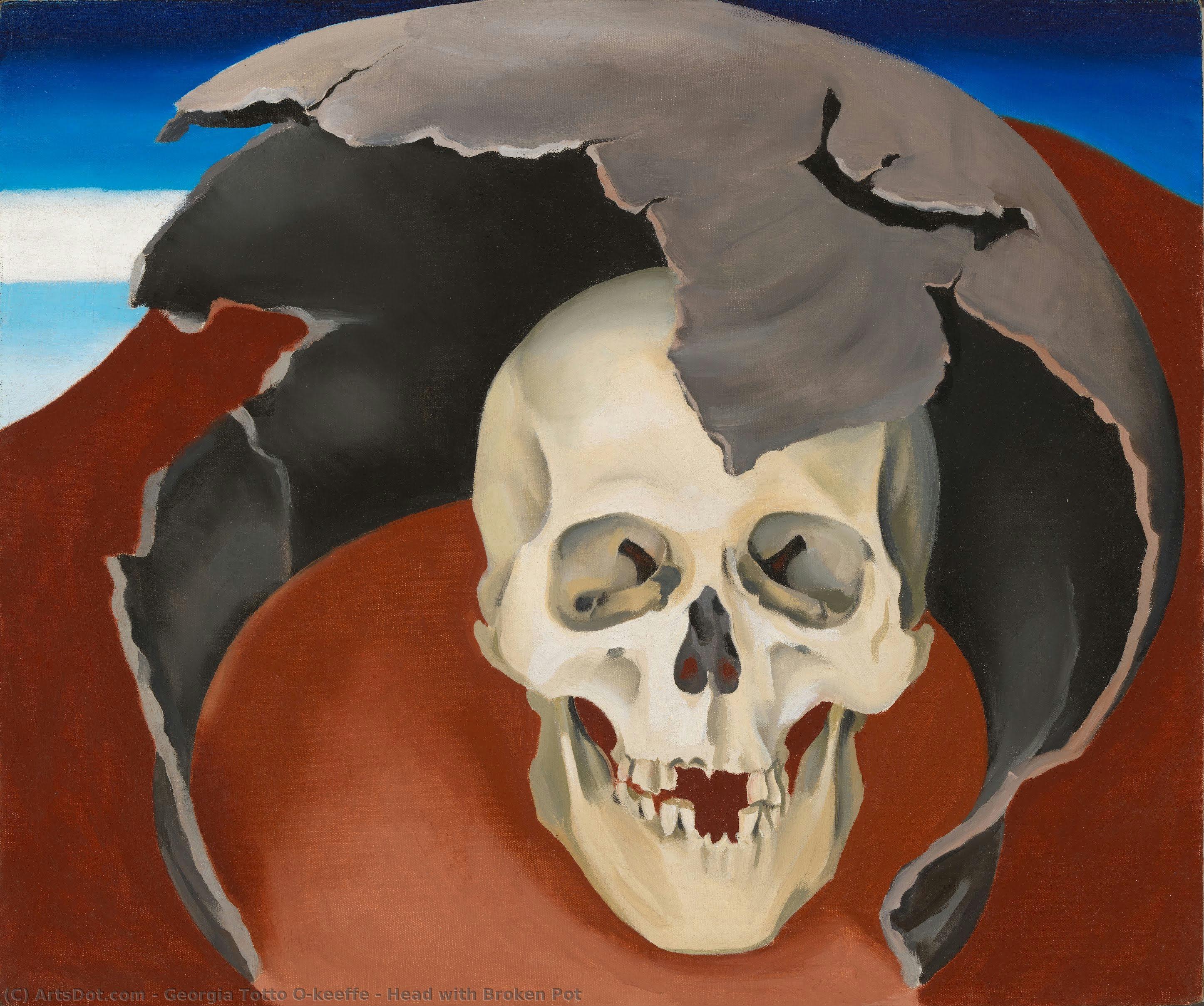
Head with Broken Pot
Art der Reproduktion
Format der Reproduktion
-


Gesamtpreis
$ 263
A Silent Still Life: Deconstructing Mortality and the Female Form
Georgia O’Keeffe’s “Head with Broken Pot,” painted in 1943, isn’t merely a depiction of an inanimate object; it's a profound meditation on mortality, femininity, and the quiet dignity of decay. The stark simplicity of the composition—a weathered skull resting atop a shattered ceramic pot—immediately commands attention, drawing the viewer into a space where the boundaries between life and death, beauty and ruin, become exquisitely blurred. O’Keeffe, already a master of distilling form to its essential elements, here elevates the commonplace to the realm of symbolic significance, inviting us to contemplate the fragility of existence and the enduring power of the human spirit.

The Desert’s Echoes: New Mexico and O'Keeffe’s Vision
Painted during a period of intense personal reflection and artistic exploration, “Head with Broken Pot” is inextricably linked to O’Keeffe’s relocation to the high desert landscapes of New Mexico in 1949. The muted palette—ochre browns, dusty blues, and stark whites—mirrors the arid beauty of the region, while the rough texture of the skull and pot evokes the weathered surfaces of ancient ruins. This setting profoundly influenced her work, providing a backdrop for her explorations of form, scale, and the relationship between nature and human perception. The New Mexico landscape became a constant source of inspiration, informing her unique visual language and allowing her to capture the essence of the Southwest’s stark beauty.
Deconstructing Symbolism: Skull, Pot, and the Feminine Archetype
The symbolism within “Head with Broken Pot” is layered and open to interpretation. The skull, a universal emblem of mortality, anchors the composition, reminding us of our own inevitable fate. However, O’Keeffe doesn't present it as a morbid image; instead, she imbues it with a sense of quiet strength and resilience. The broken pot, positioned above the skull, adds another layer of complexity. It could represent shattered dreams, lost innocence, or the fragility of beauty—a poignant reminder that even the most enduring things can be irrevocably damaged. Some scholars have suggested the pot alludes to female genitalia, a recurring motif in O’Keeffe's work, further emphasizing the painting’s exploration of feminine power and vulnerability. The deliberate ambiguity invites viewers to project their own interpretations onto the scene.
A Masterclass in Minimalism: Technique and Composition
O’Keeffe’s masterful technique is evident in the painting's precise execution and careful attention to detail. She employed a limited palette of earthy tones, applying thin layers of oil paint to create a textured surface that captures the rough quality of the materials. The composition is remarkably simple—a tight crop focusing solely on the skull and pot—yet it’s incredibly dynamic. The stark contrast between the smooth curves of the skull and the jagged edges of the broken pot creates a visual tension that draws the eye across the canvas. O'Keeffe’s use of scale further enhances this effect, making the skull appear monumental against the backdrop of the desert landscape. The painting is a testament to her ability to convey profound meaning through deceptively simple forms and techniques.
Legacy and Reproduction: Bringing O’Keeffe’s Vision Home
“Head with Broken Pot” remains one of Georgia O'Keeffe’s most iconic works, celebrated for its haunting beauty and enduring symbolism. High-quality reproductions capture the painting’s rich textures and subtle nuances, allowing viewers to experience O’Keeffe’s vision in their own homes. Whether displayed as a statement piece or incorporated into a minimalist interior design scheme, this artwork continues to resonate with audiences today, prompting reflection on life, death, and the enduring power of art.
Ähnliche Kunstwerke
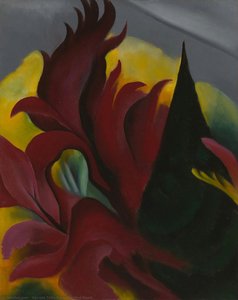
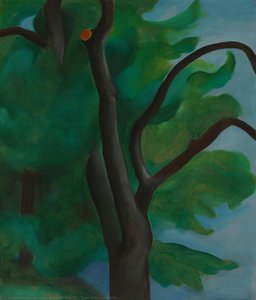
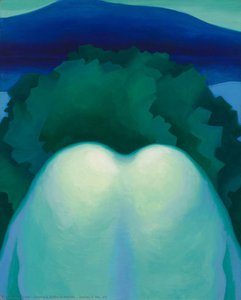
Über den Künstler
Frühe Jahre und Ausbildung (1887–1916)
Georgia Totto O’Keeffe, eine zentrale Figur des amerikanischen Modernismus, wurde am 15. November 1887 in Sun Prairie, Wisconsin, geboren. Ihre Eltern waren Francis Calyxtus O’Keeffe und Ida (Totto) O’Keeffe, Milchbauern irischer und ungarischer Abstammung. Schon im Alter von zehn Jahren entschied Georgia, Künstlerin zu werden. Sie erhielt Kunstunterricht von der lokalen Aquarellistin Sara Mann und besuchte später das Art Institute of Chicago von 1905 bis 1906, wo sie unter John Vanderpoel studierte. Ihr einzigartiger Stil begann sich während ihrer Studien in Virginia zu entwickeln.Künstlerische Karriere (1917–1986)
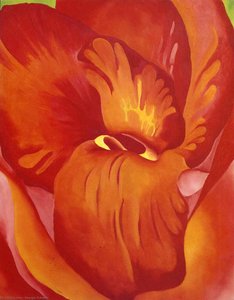
Alfred Stieglitz, ein Kunsthändler und Fotograf, veranstaltete 1917 eine Ausstellung von O’Keeffes Werken. Dies markierte den Beginn ihrer professionellen Karriere. Sie zog 1918 auf Stieltiz's Wunsch nach New York und begann ernsthaft als Künstlerin zu arbeiten. Ihre berufliche Beziehung entwickelte sich zu einer persönlichen, die zur Heirat am 11. Dezember 1924 führte. O’Keeffes abstrakte Kunst, darunter Nahaufnahmen von Blumen wie *Rote Canna*, wurde oft als Darstellung weiblicher Geschlechtsorgane interpretiert, obwohl sie dies stets bestritt. Ihre Arbeit wurde auch von ihrer Zeit im Südwesten beeinflusst, was Gemälde wie *Schädel eines Rindes: Rot, Weiß und Blau (1931)* und *Sommertage (1936)* inspirierte.Einflüsse und Stilentwicklung
O’Keeffe war stark von Arthur Wesley Dow beeinflusst, dessen Lehren über abstraktes Design ihre künstlerische Praxis prägten. Sie experimentierte mit verschiedenen Stilen, darunter Präzisionismus, der sich in ihren Gemälden von New Yorker Wolkenkratzern zeigt. Ihre Landschaftsbilder aus New Mexico, insbesondere die Wüstenlandschaften rund um Abiquiú, wurden zu einem zentralen Thema ihres Werkes und zeigten ihre tiefe Verbindung zur Natur. Die Farbpalette O’Keeffes entwickelte sich im Laufe ihrer Karriere weiter, von den gedämpften Tönen ihrer frühen Werke bis hin zu den leuchtenden Farben, die in ihren späteren Gemälden dominieren.Vermächtnis und Bedeutung
Nach Stieltiz's Tod 1946 lebte O’Keeffe für die nächsten 40 Jahre in New Mexico. Ihr Gemälde *Jimson Weed/White Flower No. 1* aus dem Jahr 1932 wurde 2014 für 44,405.000 Dollar verkauft und stellte einen Rekordpreis für ein Werk einer weiblichen Künstlerin auf. Das Georgia O’Keeffe Museum wurde 2006 in Santa Fe gegründet, um ihrem Werk zu widmen. Ihre Werke sind auch in zahlreichen anderen Museen vertreten. Sie gilt als eine der wichtigsten Künstlerinnen des 20. Jahrhunderts und hat die Entwicklung der amerikanischen Kunst maßgeblich beeinflusst.Wichtige Werke
- Rote Canna
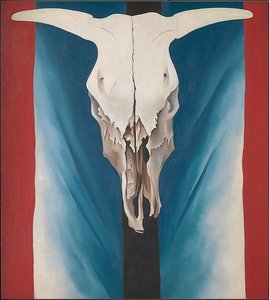
- Schädel eines Rindes: Rot, Weiß und Blau (1931)
- Sommertage (1936)
- Jimson Weed/White Flower No. 1
- Blaue und grüne Musik
Museen mit O’Keeffe-Werken
- Georgia O’Keeffe Museum
- Verschiedene weitere Museen, Informationen hier: https://www.okeeffemuseum.org/
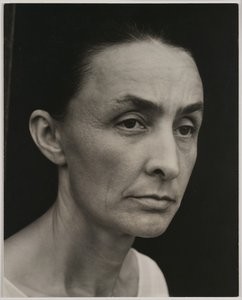
Georgia O’Keeffe
1887 - 1986 , Vereinigte Staaten von Amerika
Kurzinfos
- Beeinflusste Künstler: ['Keine Angaben']
- Bemerkenswerte Werke:
- Roter Canna
- Kuhschädel Rot, Weiß und Blau
- Sommertage
- Spitzwurz/Weißes Blumen Nr. 1
- Einflüsse: ['Alfred Stieglitz']
- Geburtsdatum: 15. November 1887
- Geburtsort: Sun Prairie, Vereinigte Staaten
- Künstlerische Richtung: Amerikanischer Modernismus
- Nationalität: Amerikanisch
- Sterbedatum: 6. März 1986
- Vollständiger Name: Georgia O’Keeffe
Ähnliche Artikel
Silent Narratives: Exploring the Enduring Appeal of Still Life Painting Across Centuries
Explore the rich history of still life painting with ArtsDot. Discover Dutch Masters, decode vanitas symbolism & learn about collecting timeless art. Expert insights and museum-quality reproductions.
Georgia O’Keeffe: Symbolismus und Landschaft – Eine Neudefinition der Moderne in der amerikanischen Kunst
Entdecken Sie Georgia O’Keeffes revolutionäre Kunst! Analysieren Sie ihren Symbolismus, ihre Landschaftsmalerei und ihren Einfluss auf die amerikanische Moderne. Expertenwissen & tiefe Einblicke.
The Enduring Appeal of Still Life: A Historical & Contemporary Exploration
Explore the rich history & symbolism of still life painting with ArtsDot. Discover masterpieces from the Dutch Golden Age, learn about vanitas art, and find expert guidance for collecting timeless artworks.
Clyfford Still's Abstract Expressionism: A Study of Color, Form & the Existential Landscape
Explore the profound world of Clyfford Still's Abstract Expressionism with ArtsDot. Discover his unique style, existential themes & investment potential. Expert analysis for discerning collectors.
Vom klassischen Stillleben zur zeitgenössischen Abstraktion: Die Veredelung von Villa-Ambientes durch kunstvolle Reproduktionen
Entdecken Sie die faszinierende Welt der Stilllebenmalerei! Von historischen Meisterwerken bis zur zeitgenössischen Abstraktion – wir bieten hochwertige Reproduktionen für luxuriöse Villa-Ambientes. Expertenberatung & Kunstsammlerqualität.