 Vorschau anzeigen
 Versenden
 Teilen
 Details anzeigen

 Herunterladen
 Ähnliche Objekte
 Röntgenaufnahme
 Diashow
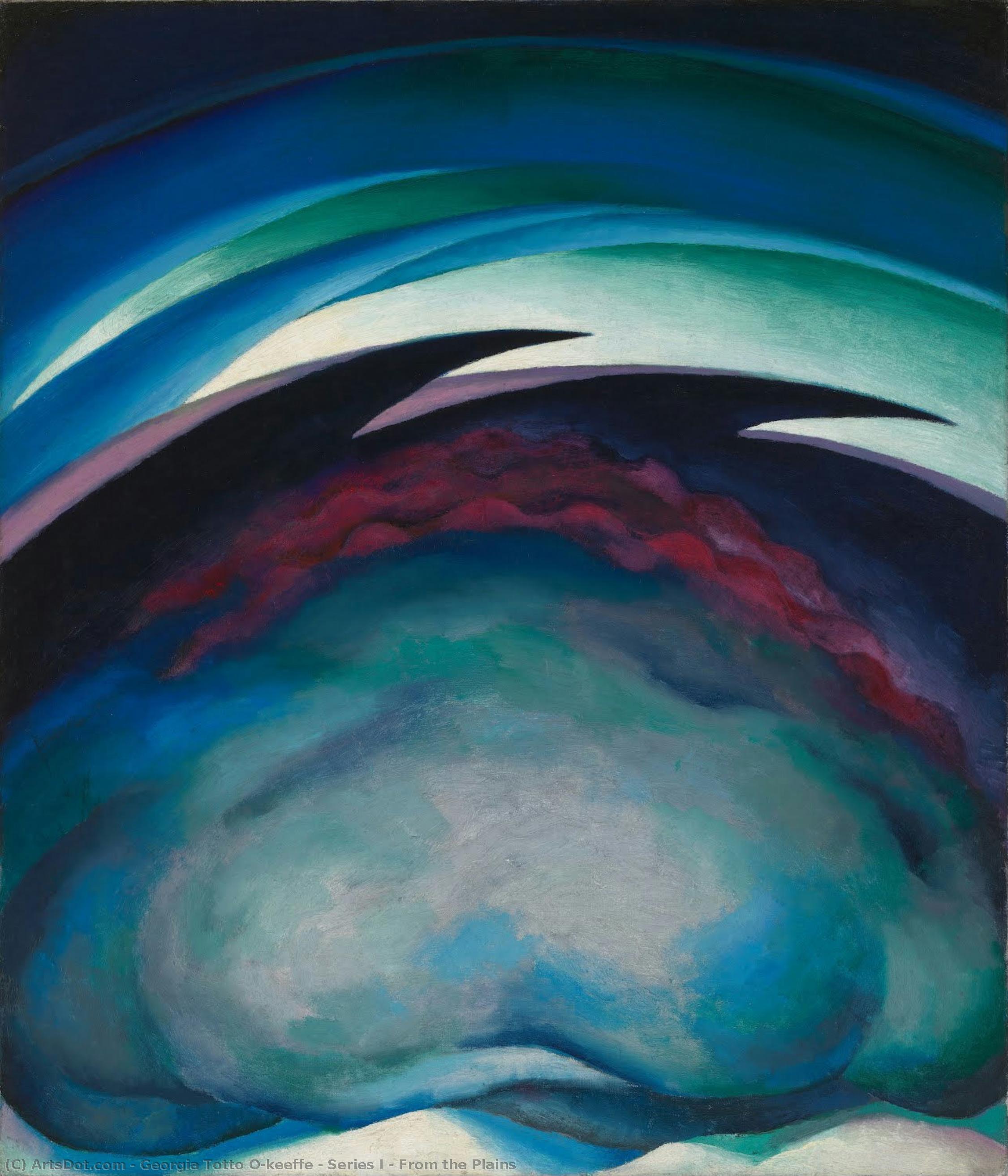
Series I - From the Plains


 Weiterlesen
Handgefertigte Ölreproduktion
Handgemaltes Ölgemälde auf Leinwand in Ihrer Wunschgröße und mit Rahmen, auf Bestellung von unseren Künstlern angefertigt. ( Druck bestellen Bild kaufen)




P118B $10

P118H $10

P118W $10

P438Z $10

P508JH $12

P508YH $12

P805H $10

P805Z $10

P919BZ $10

P919G $10

P919XJ $10

P959ZH $10

P968JZ $12

W106C $8

W218G $10

W218JH $8

W218Y $10

W307PJ $10

W316G $10

W316PJ $8

W316Y $10

W398PJ $8

W4111J $10

W500HY $15

W500JH $15

W692G $12

W849H $8

W940BG $15

W953PJ $8




Wählen Sie aus unseren vordefinierten Formaten, die den ursprünglichen Proportionen des Kunstwerks entsprechen.

Sie können Ihre eigenen Maße eingeben, um einen bestimmten Rahmen oder Platz auszufüllen. Wenn die gewählte Größe nicht den Proportionen des Originalbildes entspricht, werden wir das Kunstwerk entweder beschneiden oder das Gemälde durch zusätzliche, handgemalte Elemente erweitern. Ein digitales Mockup wird Ihnen zur Genehmigung zugesandt, bevor die Produktion beginnt.
Bitte beachten Sie, dass die Bildschirmvorschau nicht die tatsächliche Beschneidung oder Erweiterung widerspiegelt. Nur das Mockup zeigt die endgültige Komposition exakt an.
Obwohl Sondermaße verfügbar sind, empfehlen wir, eine Größe aus der vordefinierten Liste zu wählen, um die ursprünglichen Proportionen beizubehalten.
Nach der Bestellung wird das ArtsDot.com-Team dem Kunden Anweisungen per E-Mail zusenden und eine Mockup-Vorschau bereitstellen.
Weltweiter Versand () in nur 3 bis 4 Wochen statt der üblichen 5 Wochen. (6 September). Keine Kompromisse bei der Qualität.

Kostenloser weltweiter Expressversand

Hochwertige Leinenleinwand

Umfassender Versicherungsschutz beim Versand

Zollgebühren-Rückerstattungsgarantie

Garantie für exakte Farbtreue

100 Tage Rückgaberecht (nur bei Mängeln)

100% Geld-zurück-Garantie

Mengenrabatt verfügbar
 Die Glasoption ist nur für Größen unter 110 cm verfügbar.

Series I - From the Plains
Art der Reproduktion
Format der Reproduktion
-


Gesamtpreis
$ 263
A Symphony in Azure and Crimson: Exploring Georgia O’Keeffe's “Series I – From the Plains”
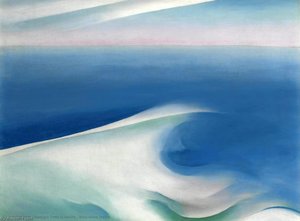
Georgia O’Keeffe’s “Series I – From the Plains,” painted in 1919, stands as a cornerstone of American modernist art—a testament to simplicity, observation, and profound emotional resonance. More than just a depiction of landscape; it embodies a philosophical exploration of perception and the artist's intimate connection with her surroundings. Created during O’Keeffe’s formative years in New Mexico, this painting marks a decisive departure from academic conventions, embracing instead Dow’s principles of color harmony and expressive abstraction.The Essence of Color Harmony
At first glance, “Series I – From the Plains” presents itself as an expanse of muted blues—ranging from pale cerulean to deeper indigo—dominating the canvas. However, these hues are punctuated by splashes of crimson, strategically positioned to create a dynamic interplay of color and visual interest. O’Keeffe meticulously applied pigment using thin washes of oil paint, allowing for subtle gradations and blending that capture the ethereal quality of the New Mexico sky at dawn. The careful selection of colors wasn't merely aesthetic; it reflected O’Keeffe’s belief in conveying emotion through color—a core element of Dow’s teaching method.Technique and Texture: Layers of Impression
The painting’s surface is characterized by a textured impasto technique, where thick layers of paint are applied to the canvas with palette knives. This deliberate manipulation of texture isn't intended to represent reality but rather to imbue the image with palpable presence—to evoke the sensation of encountering the landscape firsthand. The ridges and peaks of paint create visual depth and simulate the undulating contours of the plains, mirroring the movement of air currents and capturing the fleeting beauty of sunrise. This technique aligns perfectly with O’Keeffe's desire to translate her inner experience onto the canvas.Historical Context: Modernism Takes Root
“Series I – From the Plains” emerged during a period of significant artistic upheaval—the burgeoning modernist movement that challenged traditional artistic norms and championed subjective expression. Artists like Picasso, Matisse, and Kandinsky were experimenting with abstraction, rejecting representational imagery in favor of simplified forms and bold colors. O’Keeffe's embrace of Dow’s teachings positioned her squarely within this vanguard, aligning her work with the broader intellectual currents shaping the early 20th century. The painting reflects a shift away from Romantic idealism toward a more grounded engagement with the natural world—a reaction to the rapid industrialization and urbanization transforming American society.Symbolism: Beyond Representation
While “Series I – From the Plains” eschews literal depiction, it is laden with symbolic significance. The dominant blues represent tranquility, contemplation, and perhaps even spiritual yearning—reflecting O’Keeffe's lifelong fascination with mysticism and her belief in the transformative power of nature. The crimson accents symbolize passion, vitality, and the promise of renewal—suggesting that beauty can be found even amidst darkness and uncertainty. Ultimately, the painting invites viewers to contemplate their own relationship with the environment and to consider the profound emotional impact of experiencing moments of sublime grandeur.Emotional Resonance: A Window into O’Keeffe's Soul
“Series I – From the Plains” transcends mere visual representation; it communicates a deeply felt emotion—a sense of awe, wonder, and reverence for the majesty of the American landscape. The painting captures not just what O’Keeffe saw but also how she *felt*—translating her inner vision into an enduring masterpiece that continues to inspire artists and collectors alike. It stands as a poignant reminder that art can serve as a conduit for accessing profound truths about human experience and fostering a deeper appreciation for the beauty of the natural world.Ähnliche Kunstwerke
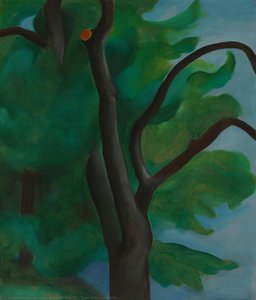
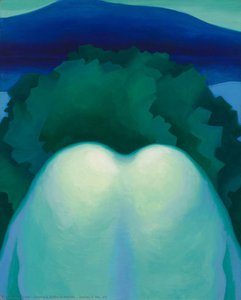
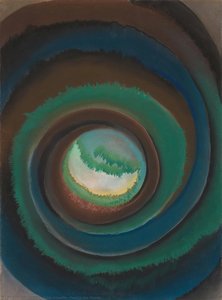
Über den Künstler
Frühe Jahre und Ausbildung (1887–1916)
Georgia Totto O’Keeffe, eine zentrale Figur des amerikanischen Modernismus, wurde am 15. November 1887 in Sun Prairie, Wisconsin, geboren. Ihre Eltern waren Francis Calyxtus O’Keeffe und Ida (Totto) O’Keeffe, Milchbauern irischer und ungarischer Abstammung. Schon im Alter von zehn Jahren entschied Georgia, Künstlerin zu werden. Sie erhielt Kunstunterricht von der lokalen Aquarellistin Sara Mann und besuchte später das Art Institute of Chicago von 1905 bis 1906, wo sie unter John Vanderpoel studierte. Ihr einzigartiger Stil begann sich während ihrer Studien in Virginia zu entwickeln.Künstlerische Karriere (1917–1986)
Alfred Stieglitz, ein Kunsthändler und Fotograf, veranstaltete 1917 eine Ausstellung von O’Keeffes Werken. Dies markierte den Beginn ihrer professionellen Karriere. Sie zog 1918 auf Stieltiz's Wunsch nach New York und begann ernsthaft als Künstlerin zu arbeiten. Ihre berufliche Beziehung entwickelte sich zu einer persönlichen, die zur Heirat am 11. Dezember 1924 führte. O’Keeffes abstrakte Kunst, darunter Nahaufnahmen von Blumen wie *Rote Canna*, wurde oft als Darstellung weiblicher Geschlechtsorgane interpretiert, obwohl sie dies stets bestritt. Ihre Arbeit wurde auch von ihrer Zeit im Südwesten beeinflusst, was Gemälde wie *Schädel eines Rindes: Rot, Weiß und Blau (1931)* und *Sommertage (1936)* inspirierte.Einflüsse und Stilentwicklung
O’Keeffe war stark von Arthur Wesley Dow beeinflusst, dessen Lehren über abstraktes Design ihre künstlerische Praxis prägten. Sie experimentierte mit verschiedenen Stilen, darunter Präzisionismus, der sich in ihren Gemälden von New Yorker Wolkenkratzern zeigt. Ihre Landschaftsbilder aus New Mexico, insbesondere die Wüstenlandschaften rund um Abiquiú, wurden zu einem zentralen Thema ihres Werkes und zeigten ihre tiefe Verbindung zur Natur. Die Farbpalette O’Keeffes entwickelte sich im Laufe ihrer Karriere weiter, von den gedämpften Tönen ihrer frühen Werke bis hin zu den leuchtenden Farben, die in ihren späteren Gemälden dominieren.Vermächtnis und Bedeutung
Nach Stieltiz's Tod 1946 lebte O’Keeffe für die nächsten 40 Jahre in New Mexico. Ihr Gemälde *Jimson Weed/White Flower No. 1* aus dem Jahr 1932 wurde 2014 für 44,405.000 Dollar verkauft und stellte einen Rekordpreis für ein Werk einer weiblichen Künstlerin auf. Das Georgia O’Keeffe Museum wurde 2006 in Santa Fe gegründet, um ihrem Werk zu widmen. Ihre Werke sind auch in zahlreichen anderen Museen vertreten. Sie gilt als eine der wichtigsten Künstlerinnen des 20. Jahrhunderts und hat die Entwicklung der amerikanischen Kunst maßgeblich beeinflusst.Wichtige Werke
- Rote Canna
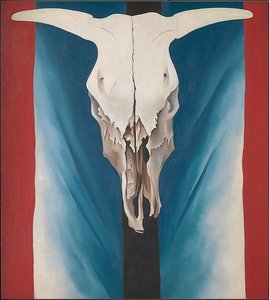
- Schädel eines Rindes: Rot, Weiß und Blau (1931)
- Sommertage (1936)
- Jimson Weed/White Flower No. 1
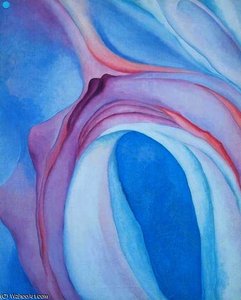
- Blaue und grüne Musik
Museen mit O’Keeffe-Werken
- Georgia O’Keeffe Museum
- Verschiedene weitere Museen, Informationen hier: https://www.okeeffemuseum.org/
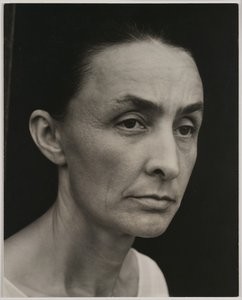
Georgia O’Keeffe
1887 - 1986 , Vereinigte Staaten von Amerika
Kurzinfos
- Beeinflusste Künstler: ['Keine Angaben']
- Bemerkenswerte Werke:
- Roter Canna
- Kuhschädel Rot, Weiß und Blau
- Sommertage
- Spitzwurz/Weißes Blumen Nr. 1
- Einflüsse: ['Alfred Stieglitz']
- Geburtsdatum: 15. November 1887
- Geburtsort: Sun Prairie, Vereinigte Staaten
- Künstlerische Richtung: Amerikanischer Modernismus
- Nationalität: Amerikanisch
- Sterbedatum: 6. März 1986
- Vollständiger Name: Georgia O’Keeffe
Ähnliche Artikel
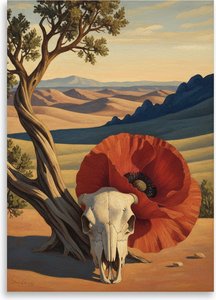
Georgia O’Keeffe: Symbolismus und Landschaft – Eine Neudefinition der Moderne in der amerikanischen Kunst
Entdecken Sie Georgia O’Keeffes revolutionäre Kunst! Analysieren Sie ihren Symbolismus, ihre Landschaftsmalerei und ihren Einfluss auf die amerikanische Moderne. Expertenwissen & tiefe Einblicke.

Evocations of Place: A Historical Journey Through Landscape Art
Explore the rich history of landscape art with ArtsDot. Discover renowned artists, movements like Impressionism & Romanticism, and expert guidance for collecting timeless pieces. Find your perfect serene escape today!
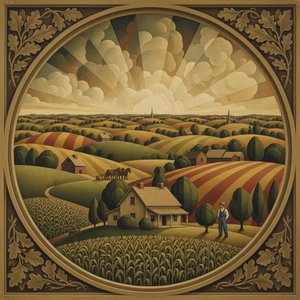
Grant Wood und der amerikanische Regionalismus: Identität, Mythos und die ländliche Landschaft
Entdecken Sie Grant Wood und den amerikanischen Regionalismus! Erfahren Sie mehr über 'American Gothic', Woods Leben, Einflüsse und sein Vermächtnis in der Kunstgeschichte. Expertenwissen & hochwertige Reproduktionen.
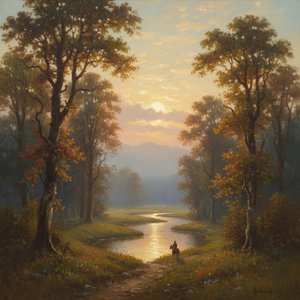
George Inness: Transzendentale Landschaften und die amerikanische Suche nach spiritueller Harmonie
Entdecken Sie die tiefgründige Welt von George Inness und seiner transzendentalen Landschaftsmalerei. Analysen, Biografie & Einfluss der Hudson River School – exklusiv auf ArtsDot.
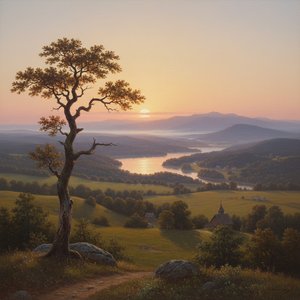
Asher Brown Durand: Luminism, Landscape & the American Ideal – A Comprehensive Exploration
Explore the life & art of Asher Brown Durand, a founding member of the Hudson River School. Discover his masterful landscapes, Luminist techniques, and lasting impact on American painting. Learn about key works like 'Kindred Spirits' & collecting Durand today.