 Vorschau anzeigen
 Versenden
 Teilen
 Details anzeigen

 Herunterladen
 Ähnliche Objekte
 Röntgenaufnahme
 Diashow
White Bird of Paradise


 Weiterlesen
Giclée / Kunstdruck
Giclée- oder Leinwanddruck in Museumsqualität mit schneller Produktion und flexiblen Veredelungsoptionen. ( Handgemalte Reproduktion bestellen Bild kaufen)




P118B $10

P118H $10

P118W $10

P438Z $10

P508JH $12

P508YH $12

P805H $10

P805Z $10

P919BZ $10

P919G $10

P919XJ $10

P959ZH $10

P968JZ $12

W106C $8

W218G $10

W218JH $8

W218Y $10

W307PJ $10

W316G $10

W316PJ $8

W316Y $10

W398PJ $8

W4111J $10

W500HY $15

W500JH $15

W692G $12

W849H $8

W940BG $15

W953PJ $8




Wählen Sie aus unseren vordefinierten Formaten, die den ursprünglichen Proportionen des Kunstwerks entsprechen.

Sie können Ihre eigenen Maße eingeben, um ein bestimmtes Format oder einen speziellen Platz einzupassen. Wenn das von Ihnen gewählte Format nicht den Proportionen des Originalbildes entspricht, werden wir das Kunstwerk entweder beschneiden oder das Bild mit einem gespiegelten oder einfarbigen Rand erweitern. Ein digitaler Entwurf wird Ihnen zur Genehmigung zugesandt, bevor die Produktion beginnt.
Bitte beachten Sie, dass die Vorschau auf dem Bildschirm nicht den tatsächlichen Zuschnitt oder die Erweiterung widerspiegelt. Nur der Entwurf zeigt die endgültige Komposition präzise an.
Obwohl Sondermaße verfügbar sind, empfehlen wir die Auswahl eines Maßes aus der vordefinierten Liste, um die ursprünglichen Proportionen zu bewahren.
Weltweiter Versand () innerhalb von 2 Wochen statt der üblichen 4/5 Wochen. (7 September)

Kostenloser weltweiter Expressversand

Hochwertige Leinenleinwand

Umfassender Versicherungsschutz beim Versand

Zollgebühren-Rückerstattungsgarantie

Garantie für exakte Farbtreue

100-Tage-Rückgaberecht (nur bei Mängeln)

100% Geld-zurück-Garantie

Mengenrabatt verfügbar
 Die Glasoption ist nur für Größen unter 110 cm verfügbar.

White Bird of Paradise
Giclée / Kunstdruck
Format der Reproduktion
-


Gesamtpreis
$ 62
Georgia O’Keeffe: A Visionary Landscape Painter
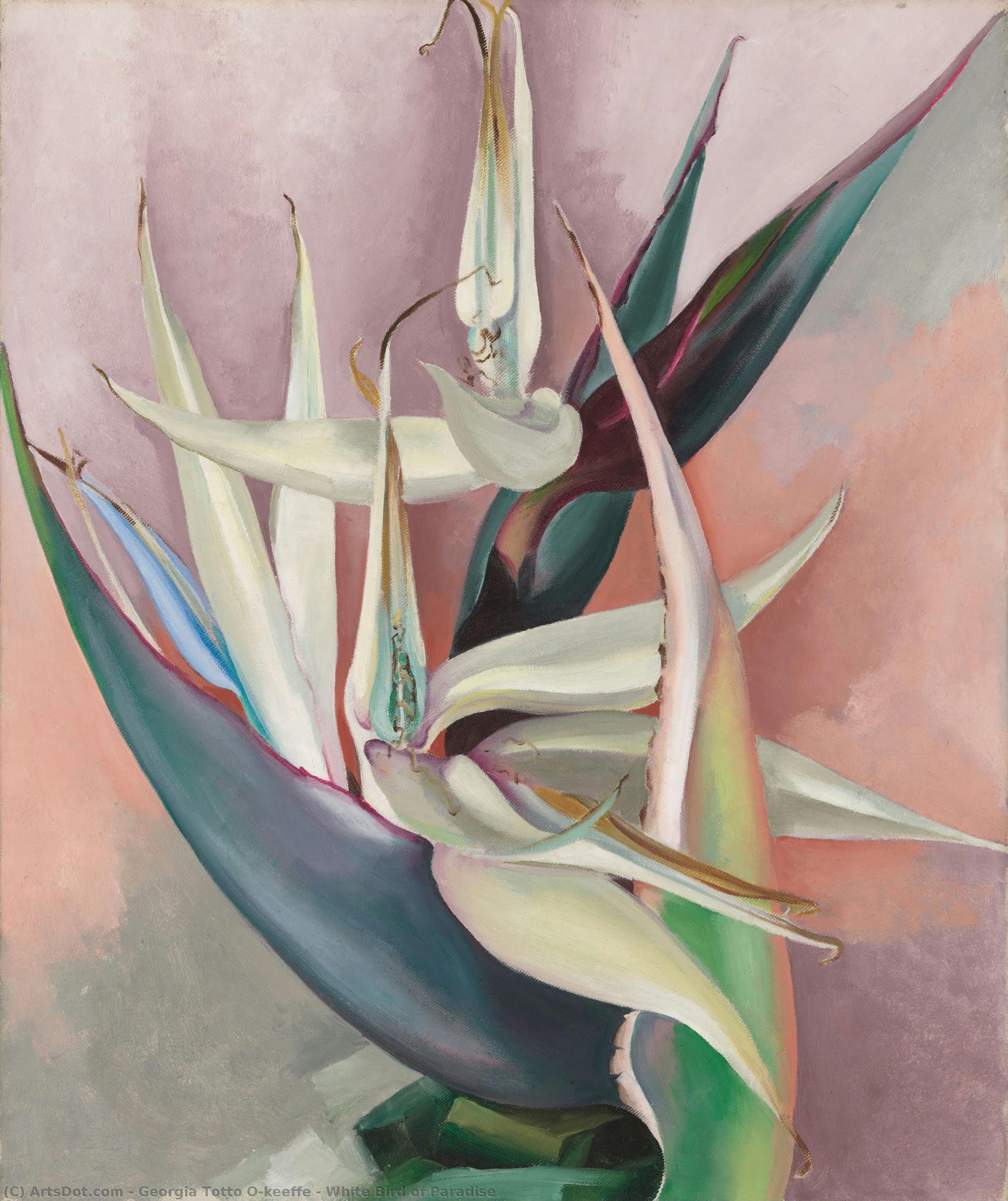
Georgia O’Keeffe's "White Bird of Paradise," painted in 1939, stands as an emblem of American modernist art and a testament to the artist’s singular ability to distill nature into powerfully expressive imagery. More than just a depiction of a bird-of-paradise flower—a symbol of exotic beauty and resilience—the painting embodies O'Keeffe’s profound engagement with the Southwest landscape, reflecting her deeply personal connection to its austere grandeur and subtle chromatic harmonies. This artwork isn’t merely observed; it’s felt – an immersive experience conveyed through masterful technique and imbued with symbolic resonance.Style and Technique: Impressionistic Realism
O'Keeffe deftly blends impressionistic brushwork with a grounding in realistic observation. Unlike traditional botanical illustrations prioritizing precise detail, she prioritizes capturing the essence of the flower’s form and color—a characteristic that aligns perfectly with her artistic philosophy championed by Arthur Wesley Dow. Thick impasto is applied liberally to the petals, creating palpable textural depth and emphasizing their sculptural qualities. Yet, these textured surfaces are skillfully blended with softer hues in the background, establishing a harmonious interplay between solidity and luminosity. The artist’s deliberate use of color—primarily whites, pinks, and rosy reds—creates an ethereal atmosphere that transcends mere representation, inviting contemplation on themes of purity, fragility, and sensual beauty.Historical Context: Modernism's Embrace of Nature
Painted during the height of the Depression era, “White Bird of Paradise” reflects a broader artistic trend toward celebrating the natural world as a source of inspiration and spiritual renewal. The Southwest—particularly New Mexico—became O’Keeffe’s favored subject matter after she began spending extended periods there in 1949, drawn to its dramatic vistas and vibrant flora. This fascination aligns with the burgeoning modernist movement's rejection of academic conventions and its embrace of subjective experience. Artists like Piet Mondrian and Kazimir Malevich were exploring abstract geometric forms, while others—including O’Keeffe herself—were investigating ways to convey emotion through color and texture—a deliberate departure from representational art’s focus on accurate depiction.Symbolism: Beauty Amidst Austerity
The bird-of-paradise flower itself serves as a multifaceted symbol within the painting. Its elongated petals, reminiscent of flames or feathers, evoke notions of aspiration, passion, and transformation—themes central to O'Keeffe’s artistic vision. Simultaneously, its delicate white hue speaks to purity and innocence, juxtaposed against the rosy backdrop that symbolizes warmth and vitality. The flower’s placement within the composition directs the viewer’s gaze upward, mirroring O’Keeffe’s desire to elevate the mundane into something sublime—a recurring motif throughout her oeuvre. Ultimately, “White Bird of Paradise” encourages us to appreciate beauty not merely as an aesthetic pleasure but as a conduit for spiritual insight.Emotional Impact: A Momentary Revelation
Viewing "White Bird of Paradise" is akin to stepping into O’Keeffe's contemplative gaze—a glimpse into her inner world filtered through the lens of observation and artistic expression. The painting’s luminous palette and textured surfaces stimulate our senses, transporting us to the Southwest landscape and inviting us to contemplate its profound stillness. More than just a visual spectacle, it communicates an emotional depth that transcends mere representation, resonating with viewers on a visceral level. It's a reminder that art can capture not only what we see but also what we feel—a testament to O’Keeffe’s enduring legacy as one of America’s most iconic and emotionally resonant painters.Ähnliche Kunstwerke
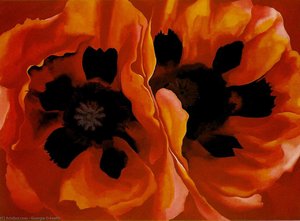
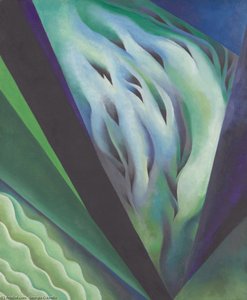
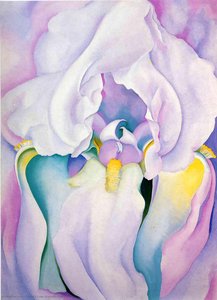
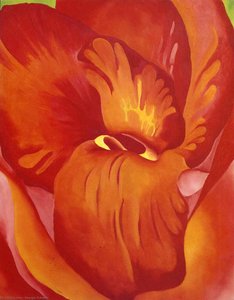
Über den Künstler
Frühe Jahre und Ausbildung (1887–1916)
Georgia Totto O’Keeffe, eine zentrale Figur des amerikanischen Modernismus, wurde am 15. November 1887 in Sun Prairie, Wisconsin, geboren. Ihre Eltern waren Francis Calyxtus O’Keeffe und Ida (Totto) O’Keeffe, Milchbauern irischer und ungarischer Abstammung. Schon im Alter von zehn Jahren entschied Georgia, Künstlerin zu werden. Sie erhielt Kunstunterricht von der lokalen Aquarellistin Sara Mann und besuchte später das Art Institute of Chicago von 1905 bis 1906, wo sie unter John Vanderpoel studierte. Ihr einzigartiger Stil begann sich während ihrer Studien in Virginia zu entwickeln.Künstlerische Karriere (1917–1986)
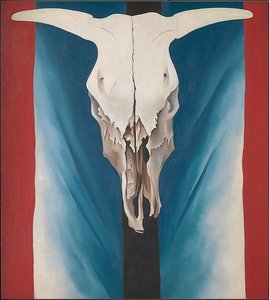
Alfred Stieglitz, ein Kunsthändler und Fotograf, veranstaltete 1917 eine Ausstellung von O’Keeffes Werken. Dies markierte den Beginn ihrer professionellen Karriere. Sie zog 1918 auf Stieltiz's Wunsch nach New York und begann ernsthaft als Künstlerin zu arbeiten. Ihre berufliche Beziehung entwickelte sich zu einer persönlichen, die zur Heirat am 11. Dezember 1924 führte. O’Keeffes abstrakte Kunst, darunter Nahaufnahmen von Blumen wie *Rote Canna*, wurde oft als Darstellung weiblicher Geschlechtsorgane interpretiert, obwohl sie dies stets bestritt. Ihre Arbeit wurde auch von ihrer Zeit im Südwesten beeinflusst, was Gemälde wie *Schädel eines Rindes: Rot, Weiß und Blau (1931)* und *Sommertage (1936)* inspirierte.Einflüsse und Stilentwicklung
O’Keeffe war stark von Arthur Wesley Dow beeinflusst, dessen Lehren über abstraktes Design ihre künstlerische Praxis prägten. Sie experimentierte mit verschiedenen Stilen, darunter Präzisionismus, der sich in ihren Gemälden von New Yorker Wolkenkratzern zeigt. Ihre Landschaftsbilder aus New Mexico, insbesondere die Wüstenlandschaften rund um Abiquiú, wurden zu einem zentralen Thema ihres Werkes und zeigten ihre tiefe Verbindung zur Natur. Die Farbpalette O’Keeffes entwickelte sich im Laufe ihrer Karriere weiter, von den gedämpften Tönen ihrer frühen Werke bis hin zu den leuchtenden Farben, die in ihren späteren Gemälden dominieren.Vermächtnis und Bedeutung
Nach Stieltiz's Tod 1946 lebte O’Keeffe für die nächsten 40 Jahre in New Mexico. Ihr Gemälde *Jimson Weed/White Flower No. 1* aus dem Jahr 1932 wurde 2014 für 44,405.000 Dollar verkauft und stellte einen Rekordpreis für ein Werk einer weiblichen Künstlerin auf. Das Georgia O’Keeffe Museum wurde 2006 in Santa Fe gegründet, um ihrem Werk zu widmen. Ihre Werke sind auch in zahlreichen anderen Museen vertreten. Sie gilt als eine der wichtigsten Künstlerinnen des 20. Jahrhunderts und hat die Entwicklung der amerikanischen Kunst maßgeblich beeinflusst.Wichtige Werke
- Rote Canna
- Schädel eines Rindes: Rot, Weiß und Blau (1931)
- Sommertage (1936)
- Jimson Weed/White Flower No. 1
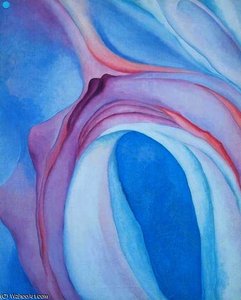
- Blaue und grüne Musik
Museen mit O’Keeffe-Werken
- Georgia O’Keeffe Museum
- Verschiedene weitere Museen, Informationen hier: https://www.okeeffemuseum.org/
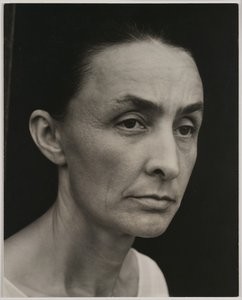
Georgia O’Keeffe
1887 - 1986 , Vereinigte Staaten von Amerika
Kurzinfos
- Beeinflusste Künstler: ['Keine Angaben']
- Bemerkenswerte Werke:
- Roter Canna
- Kuhschädel Rot, Weiß und Blau
- Sommertage
- Spitzwurz/Weißes Blumen Nr. 1
- Einflüsse: ['Alfred Stieglitz']
- Geburtsdatum: 15. November 1887
- Geburtsort: Sun Prairie, Vereinigte Staaten
- Künstlerische Richtung: Amerikanischer Modernismus
- Nationalität: Amerikanisch
- Sterbedatum: 6. März 1986
- Vollständiger Name: Georgia O’Keeffe
Ähnliche Artikel

Weiße Meisterwerke: Die Top 10 berühmtesten Gemälde und ihre zeitlose Eleganz
Entdecken Sie die Top 10 berühmter Gemälde, dominiert von Weiß! Von Malewitsch bis Rothko – erfahren Sie Geschichten hinter ikonischen Kunstwerke und lassen Sie sich für Ihre Wohnraumgestaltung inspirieren. Kunstreproduktionen in Museumsqualiät auf
Georgia O’Keeffe: Symbolismus und Landschaft – Eine Neudefinition der Moderne in der amerikanischen Kunst
Entdecken Sie Georgia O’Keeffes revolutionäre Kunst! Analysieren Sie ihren Symbolismus, ihre Landschaftsmalerei und ihren Einfluss auf die amerikanische Moderne. Expertenwissen & tiefe Einblicke.
Feathered Visions: A Historical & Artistic Exploration of Birds in Painting
Explore the rich history of birds in painting! Discover symbolism, artistic movements & master artists like Audubon. High-quality reproductions available at ArtsDot.

The Subtleties of White: Exploring Absence, Light & Symbolism in Art History
Explore the profound symbolism & history of white in art! From ancient purity to modern abstraction, discover how artists have used absence & light. Expert insights from ArtsDot.

Monochrome Visions: Exploring the Aesthetic & Historical Significance of Black & White Photography
Explore the rich history & artistic power of black and white photography. From early techniques to iconic masters like Ansel Adams, discover why monochrome continues to captivate art lovers today. Expert insights for collectors.