 Vorschau anzeigen
 Versenden
 Teilen
 Details anzeigen

 Herunterladen
 Ähnliche Objekte
 Röntgenaufnahme
 Diashow
 Stats
StatsThe Judgment of Cambyses (detail)


 Weiterlesen
Giclée / Kunstdruck
Giclée- oder Leinwanddruck in Museumsqualität mit schneller Produktion und flexiblen Veredelungsoptionen. ( Handgemalte Reproduktion bestellen Switch to Digital Image)




P118B $10

P118H $10

P118W $10

P438Z $10

P508JH $12

P508YH $12

P805H $10

P805Z $10

P919BZ $10

P919G $10

P919XJ $10

P959ZH $10

P968JZ $12

W106C $8

W218G $10

W218JH $8

W218Y $10

W307PJ $10

W316G $10

W316PJ $8

W316Y $10

W398PJ $8

W4111J $10

W500HY $15

W500JH $15

W692G $12

W849H $8

W940BG $15

W953PJ $8




Wählen Sie aus unseren vordefinierten Formaten, die den ursprünglichen Proportionen des Kunstwerks entsprechen.

Sie können Ihre eigenen Maße eingeben, um ein bestimmtes Format oder einen speziellen Platz einzupassen. Wenn das von Ihnen gewählte Format nicht den Proportionen des Originalbildes entspricht, werden wir das Kunstwerk entweder beschneiden oder das Bild mit einem gespiegelten oder einfarbigen Rand erweitern. Ein digitaler Entwurf wird Ihnen zur Genehmigung zugesandt, bevor die Produktion beginnt.
Bitte beachten Sie, dass die Vorschau auf dem Bildschirm nicht den tatsächlichen Zuschnitt oder die Erweiterung widerspiegelt. Nur der Entwurf zeigt die endgültige Komposition präzise an.
Obwohl Sondermaße verfügbar sind, empfehlen wir die Auswahl eines Maßes aus der vordefinierten Liste, um die ursprünglichen Proportionen zu bewahren.
Weltweiter Versand () innerhalb von 2 Wochen statt der üblichen 4/5 Wochen. (8 September)

Kostenloser weltweiter Expressversand

Hochwertige Leinenleinwand

Umfassender Versicherungsschutz beim Versand

Zollgebühren-Rückerstattungsgarantie

Garantie für exakte Farbtreue

100-Tage-Rückgaberecht (nur bei Mängeln)

100% Geld-zurück-Garantie

Mengenrabatt verfügbar
 Die Glasoption ist nur für Größen unter 110 cm verfügbar.

The Judgment of Cambyses (detail)
Giclée / Kunstdruck
Format der Reproduktion
-


Gesamtpreis
$ 62
A Glimpse into the Groeninge: The Judgment of Cambyses
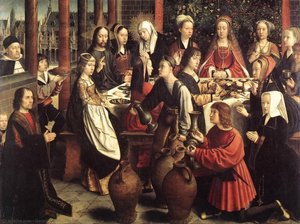
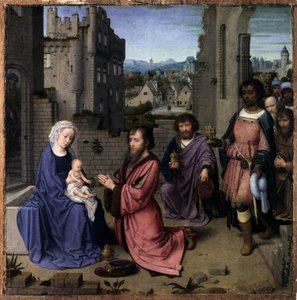
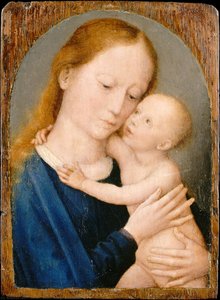
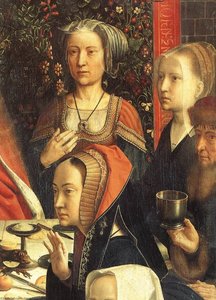
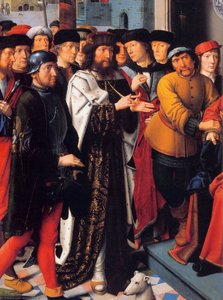
Gerard David’s “The Judgment of Cambyses,” a detail from the monumental altarpiece housed within the Groeninge Museum in Bruges, Belgium, is more than just a painting; it's a meticulously crafted window into the anxieties and philosophical inquiries of late 15th-century Northern Europe. Completed in 1498, this scene depicts a pivotal moment from the Book of Exodus – the Pharaoh’s decree that all Hebrew boys be cast into the Nile River, followed by the miraculous survival of Moses – but David transforms it into a complex meditation on fate, divine justice, and the precariousness of human existence. The painting's power lies not just in its technical brilliance, but also in the unsettling atmosphere it evokes, a palpable sense of dread mingled with an almost unbearable solemnity.

About the Artist: Gerard David (1450 – 1523), a master of Flemish painting, remains an enigmatic figure despite his undeniable talent and prolific output. Born in Oudewater, Netherlands, he honed his skills under Albert van Oudewater before establishing himself as a leading artist in Bruges, a vibrant center for artistic innovation during the Renaissance. David’s career was marked by both success and periods of relative obscurity, only to be rediscovered and celebrated in the 19th century for his unique contributions to the Northern Renaissance style. His work is characterized by an extraordinary sensitivity to color, light, and texture – elements that contribute significantly to the painting's haunting beauty.
Composition and Technique: A Study in Detail
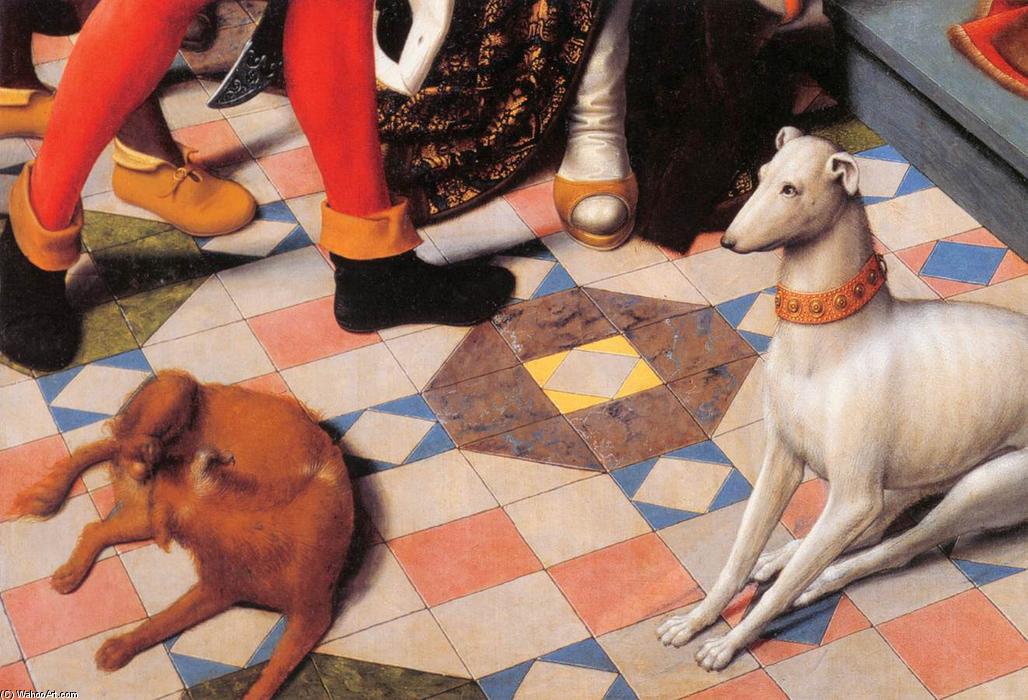
David’s mastery of technique is immediately apparent in the intricate details of “The Judgment of Cambyses.” The composition is carefully structured, drawing the viewer’s eye through a series of interconnected elements. The checkered floor, rendered with remarkable precision, establishes a sense of order and formality, contrasting sharply with the chaotic scene unfolding above. Notice the subtle variations in color and texture – the smooth sheen of the dog's collar, the rough surface of the cat’s fur, the richly textured garments of the figures. David employed a technique known as *sfumato*, a characteristic of Northern Renaissance painting, to create soft transitions between light and shadow, lending the scene an ethereal quality. The use of perspective is also noteworthy; while not entirely linear, it creates a convincing illusion of depth, drawing the viewer into the drama.
- Color Palette: David’s palette is dominated by rich, earthy tones – deep reds, browns, and greens – punctuated by flashes of vibrant color. The use of gold leaf adds to the painting's opulence and symbolic significance.
- Texture: The artist meticulously rendered textures, from the fur of the animals to the folds of the clothing, creating a tactile experience for the viewer.
- Light & Shadow: David masterfully manipulates light and shadow to create dramatic contrasts and highlight key figures within the composition.
Symbolism and Interpretation: A Moral Dilemma
Beyond its technical brilliance, “The Judgment of Cambyses” is laden with symbolic meaning. The white dog and the brown cat, seemingly engaged in a moment of quiet contemplation, represent the innocence and vulnerability of human life. Their attentive gazes suggest an awareness of the impending doom. The two figures in the background, dressed in contrasting colors, are often interpreted as representing the forces of fate and judgment. The red and yellow figure, with its black shoes, could symbolize earthly power or retribution, while the dark-clad figure might embody divine authority. The scene itself raises profound questions about free will versus determinism – does Moses’ survival represent a triumph of faith over fate, or is it simply an act of divine intervention? The painting's ambiguity invites viewers to contemplate these complex moral dilemmas.
A Legacy of Beauty: Reproduction and Appreciation
ArtsDot offers meticulously crafted hand-painted reproductions of Gerard David’s “The Judgment of Cambyses,” allowing you to experience the artistry and emotional depth of this remarkable masterpiece in your own home or studio. Our skilled artists faithfully recreate David's nuanced techniques, capturing the painting's atmospheric quality and symbolic richness with exceptional detail. Whether you are an art collector, a design enthusiast, or simply someone who appreciates timeless beauty, a ArtsDot reproduction provides a stunning tribute to one of the Renaissance’s most enigmatic and influential figures. Explore our collection today and bring this extraordinary work of art into your world.
Ähnliche Kunstwerke
Über den Künstler
Leben und Karriere
Gerard David, eine bedeutende Figur der frühen niederländischen Malerei, hinterließ mit seiner brillanten Farbgebung einen bleibenden Eindruck in der Kunstwelt. Geboren um 1460 in Oudewater, Niederlande, ist Davids Leben von Geheimnissen umgeben, wobei nur wenige biografische Details erhalten geblieben sind.- Er könnte Meester Geraet van Brugghe gewesen sein, der 1515 Meister der Antwerpener Zunft wurde.
- David war zu Lebzeiten äußerst erfolgreich und unterhielt vermutlich zwei Werkstätten in Antwerpen und Brügge.
- Sein Ruf ließ im 17. Jahrhundert nach, wurde aber im 19. Jahrhundert wiederentdeckt.
Künstlerischer Stil und bedeutende Werke
Davids innovativer Ansatz in der Landschaftsdarstellung und seine meisterhafte Verwendung von Licht und Schatten prägen sein Werk. Zu seinen bemerkenswertesten Werken gehören:- Die Hochzeit zu Kana in der National Gallery, London.
- Das Triptychon der thronenden Madonna und Heiligen in der Brignole-Sale Sammlung, Genua.
- Die Jungfrau unter den Jungfrauen, heute im Musée Rouven, das er an die Karmelitinnen von Sion in Brügge spendete.
Einflüsse und Entwicklung
Gerard David wurde stark von Jan van Eyck und Rogier van der Weyden beeinflusst, zwei Pionieren der frühen niederländischen Malerei. Er übernahm ihre Liebe zum Detail und ihre Fähigkeit, realistische Darstellungen zu schaffen, entwickelte aber auch seinen eigenen Stil, der sich durch eine lebendigere Farbpalette und einen stärkeren Sinn für Landschaft auszeichnete. Seine Werke zeigen eine allmähliche Verschiebung hin zu einer natürlicheren Darstellung von Landschaften, die über die traditionellen Hintergründe hinausgehen, die in früheren Werken üblich waren. Diese Entwicklung trug dazu bei, den Weg für nachfolgende Generationen niederländischer Maler zu ebnen.Vermächtnis und Bedeutung
Gerard Davids Einfluss auf die Kunstwelt ist unbestreitbar. Sein einzigartiger Stil und sein Umgang mit Farbe haben zahlreiche Künstler beeinflusst, und seine Werke werden weiterhin in verschiedenen Museen und Sammlungen gefeiert. Er gilt als einer der wichtigsten Vertreter der frühen niederländischen Malerei und trug wesentlich zur Entwicklung des Genres bei. Seine Fähigkeit, religiöse Themen mit einem Hauch von Humanismus zu verbinden, machte ihn zu einem beliebten Künstler seiner Zeit und sicherte ihm einen Platz in der Kunstgeschichte. Besuchen Sie https://ArtsDot.com/@@/a@d3cpaf-the-early-netherlandish-art-movement, um mehr über die frühe niederländische Kunstbewegung und Gerards Davids Beiträge zu erfahren.- Erfahren Sie mehr über Gerards Davids Leben und Werk auf https://ArtsDot.com/@/gerard-david.
- Entdecken Sie die Sammlung des Groeninge Museums unter https://ArtsDot.com/@@/a@d3b93h-groeninge-museum-brugge-belgium.
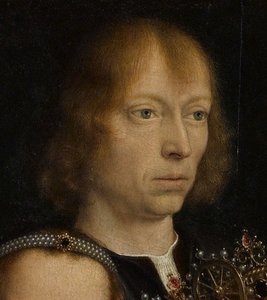
Gerard David
1450 - 1523 , Niederlande
Kurzinfos
- Bemerkenswerte Werke:
- Die Hochzeit zu Kana
- Mariä Himmelfahrt
- Jungfrau mit Kleriker Van der Paele
- Geburtsdatum: ca. 1460
- Geburtsort: Oude Woerden, Niederlande
- Künstlerische Bewegung: Frühnetherländische Malerei
- Nationalität: Niederländisch
- Sterbedatum: 1523
- Vollständiger Name: Gerard David
Ähnliche Artikel
Gerard David: Brückenbauer zwischen spätmittelalterlicher Tradition und frührenaissancehumanistischem Geist
Entdecken Sie Gerard Davids einzigartige Verbindung von flämischer Tradition und Renaissance-Humanismus. Expertenanalyse seiner Werke, Ikonographie & Bedeutung für die Kunstgeschichte. Für Sammler und Kenner.
Jacques-Louis David: Neoklassizistische Ideale und der Geist einer Revolution – Leben, Werk und Vermächtnis eines Meistermalers
Entdecken Sie das Leben und Werk von Jacques-Louis David, dem führenden Maler des Neoklassizismus! Erfahren Sie mehr über seine Rolle in der Französischen Revolution und sein bleibendes Vermächtnis für die Kunstgeschichte. Expertenwissen & detaillierte Analysen.
The Northern Renaissance: A Flourishing of Realism, Religious Reform & Artistic Innovation
Explore the Northern Renaissance! Discover Jan van Eyck's innovations, religious shifts, & key artists of this influential period. Expert analysis and insights into Early Netherlandish painting at ArtsDot.
Die 10 Meisterwerke der Nordischen Renaissance: Kunst für Ihr Zuhause |
Entdecken Sie die 10 prägendsten Meisterwerke der Nordischen Renaissance! Von Jan van Eyck bis Dürer – Kunstgeschichte, Techniken & Geschichten. Hochwertige Reproduktionen für Ihr Zuhause auf
David Bomberg: Reassessing the Pioneering Spirit of Early British Abstraction
Explore the groundbreaking work of David Bomberg, a pivotal figure in British abstraction. Discover his artistic evolution, influences, and lasting legacy through insightful analysis & expert commentary.