 Vorschau anzeigen
 Versenden
 Teilen
 Details anzeigen

 Herunterladen
 Ähnliche Objekte
 Röntgenaufnahme
 Diashow
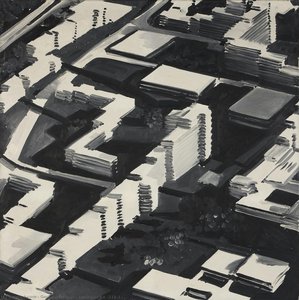
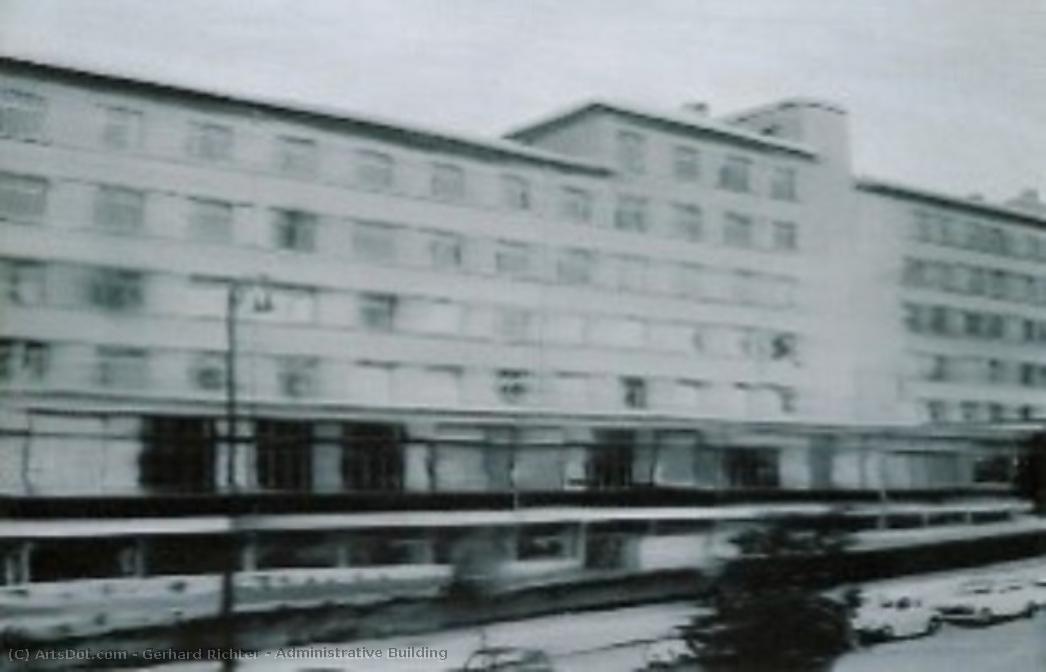
Administrative Building
 Oil On Canvas
- WallArt
- Contemporary Realism
 1964
1964- Modern
 98.0 x 150.0 cm
 Weiterlesen
Giclée / Kunstdruck
Giclée- oder Leinwanddruck in Museumsqualität mit schneller Produktion und flexiblen Veredelungsoptionen. ( Handgemalte Reproduktion bestellen Bild kaufen)




P118B $10

P118H $10

P118W $10

P438Z $10

P508JH $12

P508YH $12

P805H $10

P805Z $10

P919BZ $10

P919G $10

P919XJ $10

P959ZH $10

P968JZ $12

W106C $8

W218G $10

W218JH $8

W218Y $10

W307PJ $10

W316G $10

W316PJ $8

W316Y $10

W398PJ $8

W4111J $10

W500HY $15

W500JH $15

W692G $12

W849H $8

W940BG $15

W953PJ $8




Wählen Sie aus unseren vordefinierten Formaten, die den ursprünglichen Proportionen des Kunstwerks entsprechen.

Sie können Ihre eigenen Maße eingeben, um ein bestimmtes Format oder einen speziellen Platz einzupassen. Wenn das von Ihnen gewählte Format nicht den Proportionen des Originalbildes entspricht, werden wir das Kunstwerk entweder beschneiden oder das Bild mit einem gespiegelten oder einfarbigen Rand erweitern. Ein digitaler Entwurf wird Ihnen zur Genehmigung zugesandt, bevor die Produktion beginnt.
Bitte beachten Sie, dass die Vorschau auf dem Bildschirm nicht den tatsächlichen Zuschnitt oder die Erweiterung widerspiegelt. Nur der Entwurf zeigt die endgültige Komposition präzise an.
Obwohl Sondermaße verfügbar sind, empfehlen wir die Auswahl eines Maßes aus der vordefinierten Liste, um die ursprünglichen Proportionen zu bewahren.
Weltweiter Versand () innerhalb von 2 Wochen statt der üblichen 4/5 Wochen. (7 September)

Kostenloser weltweiter Expressversand

Hochwertige Leinenleinwand

Umfassender Versicherungsschutz beim Versand

Zollgebühren-Rückerstattungsgarantie

Garantie für exakte Farbtreue

100-Tage-Rückgaberecht (nur bei Mängeln)

100% Geld-zurück-Garantie

Mengenrabatt verfügbar
 Die Glasoption ist nur für Größen unter 110 cm verfügbar.

Administrative Building
Giclée / Kunstdruck
Format der Reproduktion
-


Gesamtpreis
$ 62
Administrative Building by Gerhard Richter
Gerhard Richter’s “Administrative Building,” created in 1964, stands as a deceptively simple yet profoundly resonant testament to the artist's exploration of abstraction and memory—themes that would define his entire oeuvre. More than just a depiction of an unremarkable urban edifice, it embodies Richter’s characteristic approach: layering observation with uncertainty, capturing fleeting impressions while simultaneously resisting definitive representation. This piece exemplifies what he termed “Capitalist Realism,” a stylistic strategy born from the anxieties of postwar Germany and reflecting a broader disillusionment with grand narratives and idealized visions. The photograph itself is executed in oil on linen—a medium Richter favored throughout his career—resulting in a muted grayscale palette that prioritizes tonal variation over color saturation. This deliberate choice isn’t merely aesthetic; it mirrors the artist's preoccupation with capturing the essence of experience rather than its literal appearance. The building’s façade dominates the composition, presented as a panoramic vista rendered in subtly textured shades of gray. Foreground elements—parked cars and a roadway—provide context, grounding the monumental structure within an everyday urban landscape. However, Richter avoids sharp delineation or dramatic perspective, opting for a flattened image that emphasizes surface qualities and invites contemplation rather than immediate judgment. Richter’s technique is characterized by meticulous layering – multiple coats of paint applied with painstaking precision to achieve a velvety smoothness. This process isn't about recreating reality; it’s about distilling it into its fundamental components—light, shadow, and texture—transforming the mundane into something imbued with emotional significance. The resulting surface possesses an almost palpable stillness, conveying a sense of detachment and hinting at the passage of time without overtly referencing specific events. This deliberate ambiguity speaks to Richter's broader artistic philosophy: acknowledging the impossibility of capturing truth definitively while simultaneously striving for its representation through indirect means. The building’s architectural form—a large rectangular structure with repetitive windows—represents more than just a physical space; it symbolizes institutional power and bureaucratic conformity. Richter subtly critiques these concepts, presenting them as sterile and impersonal against the backdrop of the natural world. The grayscale palette reinforces this critique, stripping away color to expose underlying structures and highlighting the absence of vibrancy. Furthermore, the photograph’s stillness evokes feelings of melancholy and contemplation—a reflection of Richter's own introspective gaze upon the complexities of human experience. Ultimately, “Administrative Building” transcends its subject matter to become a meditation on perception and memory. Richter doesn’t aim for photographic accuracy but rather seeks to convey an emotional resonance that surpasses mere visual representation. It is this masterful manipulation of tonal values and texture—combined with Richter's unwavering commitment to stylistic innovation—that secures its place as one of the artist’s most enduring achievements, inviting viewers to engage in a dialogue about art’s capacity to capture not just what we see but also what we feel.Ähnliche Kunstwerke

Über den Künstler
**frühes Leben und Ausbildung**
Gerhard Richter, ein renommierter deutscher visueller Künstler, wurde am 9. Februar 1932 in einem Krankenhaus in Dresden-Neustadt, Dresden, Sachsen, geboren. Er wuchs in Reichenau, Niederschlesien (heute Bogatynia, Polen), und Waltersdorf (Zittauer Gebirge) im oberen Lusatianenländischen Land auf. Richards Vater, Horst Richter, war Mathematik- und Physikstudent an der Technischen Hochschule in Dresden.**Künstlerische Karriere**
Richter begann seine künstlerische Reise als Geselle für einen Schaukunstmaler und studierte später an der Dresdner Kunstakademie. Seine frühen Arbeiten wurden von den Stilen von Picasso und Jean Arp beeinflusst, was sich in seinen abstrakten und fotorealistischen Gemälden zeigt. Im Jahr 1957 arbeitete Richter als Meisterschüler an der Akademie und nahm Aufträge für das damalige Staatliche Gebiet der DDR entgegen.**Bekannte Werke und Leistungen**
* Abstraktes Bild (2012) erzielte einen Rekordverkaufspreis für ein Gemälde eines lebenden Künstlers von 34 Millionen Dollar (£21 Millionen). * Domplatz, Mailand (Kathedralplatz, Mailand) (1968) wurde in New York für 37,1 Millionen Dollar (£24,4 Millionen) verkauft. * Abstraktes Bild (2015) wurde bei der Sotheby's Contemporary Evening Sale für 44,52 Millionen Dollar (£30,4 Millionen) versteigert.**Künstlerischer Stil und Bewegung**
Richards Werke zeichnen sich durch ihre Vielseitigkeit aus, die abstrakte und fotorealistische Stile verbindet. Zusammen mit Sigmar Polke führte er den Begriff Kapitalistischer Realismus, einen Anti-Stil der Kunst, der die bildliche Kürze des Werbebildes übernimmt.**Privatleben**
Richter heiratete Marianne Eufinger im Jahr 1957 und hatte eine Tochter. Später heiratete er Isa Genzken im Jahr 1982 und Sabine Moritz im Jahr 1995, mit der er zwei Söhne und eine Tochter hatte. **Hinweis:** Dieser Artikel basiert auf den bereitgestellten Informationen und ist möglicherweise keine umfassende Biografie. Für detailliertere Informationen besuchen Sie bitte die verlinkten Quellen.
Gerhard Richter
1932 - , Deutschland
Kurzinfos
- Bemerkenswerte Werke:
- Abstraktes Bild (2012)
- Domplatz, Mailand (1968)
- S. mit Kind (1995)
- Geburtsdatum: 09. Februar 1932
- Geburtsort (Stadt, Land): Dresden, Deutschland
- Künstler Oder Bewegungen, Die Von Diesem Künstler Beeinflusst Wurden: ['Zeitgenössische Maler']
- Künstler, Die Diesen Künstler Beeinflussten:
- Pablo Picasso
- Jean Arp
- Künstlerische Bewegung/Stil:
- Abstrakte Kunst
- Fotorealismus
- Nationalität: Deutsch
- Vollständiger Name: Gerhard Richter
Ähnliche Artikel

Romantic Realism's Finest: 10 Masterpieces for Your Home | ArtsDot
Explore 10 defining masterpieces of Romantic Realism! Discover Courbet, Millet & Daumier's powerful paintings—capturing emotion and social realities. Find museum-quality reproductions for your home at ArtsDot.com.

Giclée Prints: Archival Quality & Aesthetic Nuances for the Discerning Collector
Explore the world of giclée prints with ArtsDot. Learn about archival quality, aesthetic nuances & investment potential. Expert guidance for discerning art collectors seeking museum-quality reproductions and lasting value.

Echoes of Time: Exploring the Enduring Appeal & Historical Context of Vintage Art Prints
Explore the captivating world of vintage art prints! Discover their history, collecting tips & enduring appeal. Expert insights on chromolithography and building a legacy collection with ArtsDot.
Transforming Spaces: A Comprehensive Exploration of Wall Decor Through Art History & Contemporary Practice
Explore the art of transforming spaces with our comprehensive guide to wall decor. From historical movements to contemporary trends, discover how to curate impactful interiors and commission bespoke artwork for a truly personalized aesthetic.
Akademischer Realismus: Die 10 Meisterwerke, die eine Epoche prägten | ArtsDot
Entdecken Sie die 10 prägendsten Meisterwerke des Akademischen Realismus! Erfahren Sie die Geschichten hinter berühmten Gemälden, Künstlern & Techniken. Hochwertige Reproduktionen für Ihr Zuhause – jetzt auf ArtsDot.com!