 Vorschau anzeigen
 Versenden
 Teilen
 Details anzeigen

 Herunterladen
 Ähnliche Objekte
 Röntgenaufnahme
 Diashow
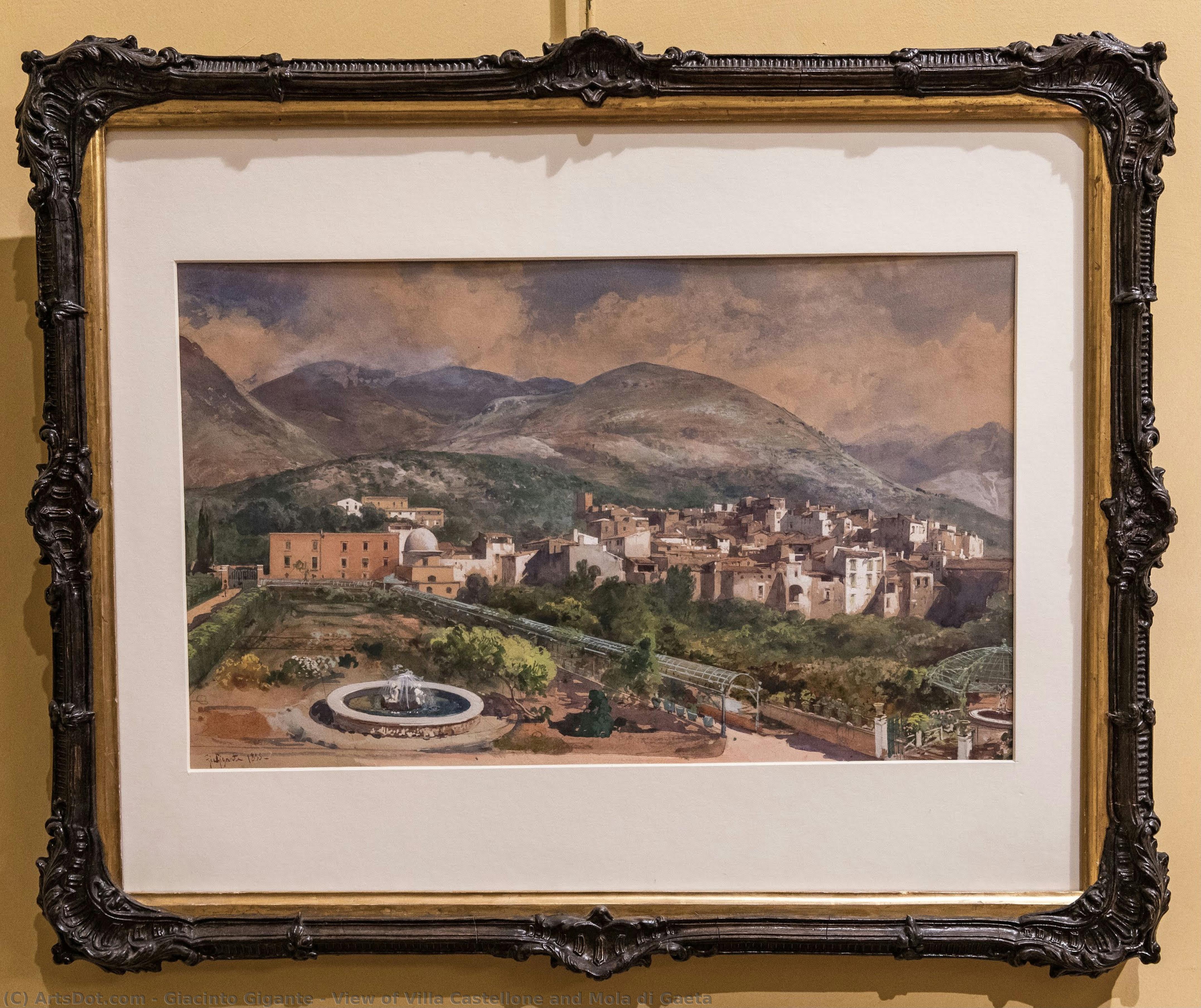
View of Villa Castellone and Mola di Gaeta


 Weiterlesen
Handgefertigte Ölreproduktion
Handgemaltes Ölgemälde auf Leinwand in Ihrer Wunschgröße und mit Rahmen, auf Bestellung von unseren Künstlern angefertigt. ( Druck bestellen Bild kaufen)




P118B $10

P118H $10

P118W $10

P438Z $10

P508JH $12

P508YH $12

P805H $10

P805Z $10

P919BZ $10

P919G $10

P919XJ $10

P959ZH $10

P968JZ $12

W106C $8

W218G $10

W218JH $8

W218Y $10

W307PJ $10

W316G $10

W316PJ $8

W316Y $10

W398PJ $8

W4111J $10

W500HY $15

W500JH $15

W692G $12

W849H $8

W940BG $15

W953PJ $8




Wählen Sie aus unseren vordefinierten Formaten, die den ursprünglichen Proportionen des Kunstwerks entsprechen.

Sie können Ihre eigenen Maße eingeben, um einen bestimmten Rahmen oder Platz auszufüllen. Wenn die gewählte Größe nicht den Proportionen des Originalbildes entspricht, werden wir das Kunstwerk entweder beschneiden oder das Gemälde durch zusätzliche, handgemalte Elemente erweitern. Ein digitales Mockup wird Ihnen zur Genehmigung zugesandt, bevor die Produktion beginnt.
Bitte beachten Sie, dass die Bildschirmvorschau nicht die tatsächliche Beschneidung oder Erweiterung widerspiegelt. Nur das Mockup zeigt die endgültige Komposition exakt an.
Obwohl Sondermaße verfügbar sind, empfehlen wir, eine Größe aus der vordefinierten Liste zu wählen, um die ursprünglichen Proportionen beizubehalten.
Nach der Bestellung wird das ArtsDot.com-Team dem Kunden Anweisungen per E-Mail zusenden und eine Mockup-Vorschau bereitstellen.
Weltweiter Versand () in nur 3 bis 4 Wochen statt der üblichen 5 Wochen. (31 August). Keine Kompromisse bei der Qualität.

Kostenloser weltweiter Expressversand

Hochwertige Leinenleinwand

Umfassender Versicherungsschutz beim Versand

Zollgebühren-Rückerstattungsgarantie

Garantie für exakte Farbtreue

60 Tage Rückgaberecht (nur bei Mängeln)

100% Geld-zurück-Garantie

Mengenrabatt verfügbar
 Die Glasoption ist nur für Größen unter 110 cm verfügbar.

View of Villa Castellone and Mola di Gaeta
Art der Reproduktion
Format der Reproduktion
-


Gesamtpreis
$ 263
A Window to the Neapolitan Soul: Giacinto Gigante's Vista
Giacinto Gigante’s “View of Villa Castellone and Mola di Gaeta,” painted in 1835, isn’t merely a landscape; it’s a meticulously crafted distillation of the Neapolitan spirit. More than just depicting a coastal scene, the painting offers a profound meditation on light, atmosphere, and the relationship between humanity and its environment – hallmarks of the Posillipo School to which Gigante belonged. The work transports us to the sun-drenched shores of Italy’s Bay of Naples, capturing not just the physical appearance of the region but also an intangible sense of its beauty and tranquility.
Gigante's artistic lineage is deeply rooted in the traditions of Italian landscape painting. He learned from masters like Jacob Wilhelm Hüber, who introduced him to the revolutionary technique of the “camera lucida,” a device that allowed artists to create incredibly accurate and atmospheric representations of distant landscapes. This method, combined with Antonie Sminck Pitloo’s emphasis on direct observation and watercolor techniques, shaped Gigante's unique approach – one characterized by a remarkable ability to capture fleeting moments of light and shadow.
The Language of Light and Color
The painting’s power lies primarily in its masterful use of color and light. Gigante employs a delicate palette dominated by soft blues, greens, and ochres, creating an illusion of depth and distance that is both breathtaking and remarkably realistic. Notice how the sunlight glints off the water, transforming it into a shimmering expanse of turquoise and sapphire. The distant mountains are rendered in hazy purples and grays, suggesting their immense scale while simultaneously conveying a sense of atmospheric perspective. The artist’s skillful layering of watercolor washes creates a luminous quality that seems to emanate from within the canvas itself – a testament to his deep understanding of how light interacts with surfaces.
- Watercolor Technique: Gigante's choice of watercolor allows for subtle gradations and delicate details, capturing the ephemeral qualities of light.
- Atmospheric Perspective: The use of lighter colors and softer edges in the distance creates a convincing illusion of depth.
- Color Harmony: The carefully chosen palette evokes a sense of serenity and tranquility.
A Scene Steeped in History and Symbolism
“View of Villa Castellone and Mola di Gaeta” is more than just a pretty picture; it’s a window into 19th-century Neapolitan society. The painting depicts the Villa of Caposele, nestled amongst the medieval village of Castellone, offering a glimpse into the region's rich history and architectural heritage. The inclusion of figures – likely local villagers engaged in daily life – adds a human element to the scene, reminding us that this landscape is not merely an aesthetic object but also a living, breathing environment. The umbrella provides a subtle focal point, suggesting respite from the sun’s intensity and inviting the viewer to imagine themselves partaking in this idyllic setting.
The painting's subject matter reflects Gigante's fascination with the Posillipo region, known for its stunning natural beauty and vibrant artistic community. It’s a celebration of the landscape that defined the identity of Naples and its surrounding areas – a place where light, color, and human experience converged to create something truly extraordinary.
Bringing Gigante's Vision Home
Reproductions of “View of Villa Castellone and Mola di Gaeta” offer an exceptional opportunity to bring the beauty and tranquility of this iconic painting into your home or office. Whether you choose a hand-painted reproduction or a high-quality print, you’ll be able to appreciate Gigante's masterful technique and his profound understanding of light and atmosphere. This artwork is not just decoration; it’s an invitation to escape the everyday and immerse yourself in the timeless beauty of the Neapolitan landscape.
Ähnliche Kunstwerke

Über den Künstler
Frühes Leben und Ausbildung
- Geboren: Neapel, Italien (1806)
- Gestorben: 1876
- Giacinto Gigante wurde 1806 in Neapel geboren. Er stammte aus einer Künstlerfamilie; sein Vater, Gaetano Gigante, war ebenfalls Maler.
- Die frühe Ausbildung begann um 1818 unter der Anleitung seines Vaters.
- Im Jahr 1820 studierte er bei dem deutschen Maler Jakob Wilhelm Hüber und lernte dabei technische Zeichnung und die Verwendung der "Camera lucida" für Panoramablicke.
- Ab 1821 absolvierte er eine Lehre beim niederländischen Maler Antonie Sminck Pitloo und entwickelte seine Fähigkeiten in der Landschaftsmalerei weiter.
Künstlerischer Stil und Einflüsse
- Posillipo-Schule: Gigante war ein wichtiger Vertreter der neapolitanischen "Posillipo-Schule" des Malens, die sich auf Landschaften und Außenansichten konzentrierte.
- Einflüsse: Sein Stil wurde von mehreren Künstlern beeinflusst, darunter Jacob Philipp Hackert, Antonie Sminck Pitloo und Huber. Er lernte Aquarelltechniken von Pitloo.
- Technische Zeichnung: Die Ausbildung am Royal Institute of Fine Arts betonte die technische Zeichnung, was seinen Ansatz zur Landschaftsdarstellung maßgeblich beeinflusste.
- Romantische Interpretation: Gigante verband technische Fähigkeiten mit einer romantischen Interpretation der Landschaften und fing Bewegung, Licht und Atmosphäre ein.
Karriere und bemerkenswerte Werke
- Frühe Anerkennung: Im Jahr 1823 gewann er einen Zeichenwettbewerb am Naples Royal Institute of Fine Arts.
- Ausstellungen: Er stellte Arbeiten auf der ersten Esposizione di Belle Arti im Jahr 1826 aus.
- Königliche Aufträge: Gigante erlangte Anerkennung und erhielt Aufträge von Adeligen, darunter die russische Zarin und die Töchter Franz II.
- Wichtige Werke: Seine bemerkenswerten Werke finden sich auf ArtsDot.com (@/giacinto%20gigante).
- Kapelle San Gennaro: Er fertigte ein Temperagemälde für die Kapelle San Gennaro in Capodimonte an, das im Jahr 1861 in Auftrag gegeben wurde.
Vermächtnis und historische Bedeutung
- Meister der italienischen Malerei: Gigante gilt als Meister der italienischen Landschaftsmalerei.
- Einfluss auf andere Künstler: Er beeinflusste Künstler wie Giulio Cesare Amidano und Andrea Landini.
- Beitrag zur Posillipo-Schule: Seine Arbeit trug dazu bei, die Ästhetik und Prinzipien der Posillipo-Schule zu definieren, wobei der Schwerpunkt auf dem Plein-Air-Malen und einer romantischen Interpretation von Landschaften lag.
- Technische Innovation: Gigantes geschickter Einsatz von Aquarelltechniken und seine Anpassung der Camera lucida trugen zu Fortschritten in der Landschaftsdarstellung bei.
Weitere Informationen
- Wikipedia: Giacinto Gigante - https://en.wikipedia.org/wiki/Giacinto_Gigante
- Web Gallery of Art: Biography of GIGANTE, Giacinto - https://www.wga.hu/bio_m/g/gigante/biograph.html
- Correale Museum Sorrento: Giacinto Gigante - https://www.museocorreale.it/en/artists/giacinto-gigante/
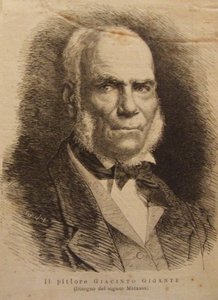
Giacinto Gigante
1806 - 1876 , Italien
Kurzinfos
- Beeinflusste Künstler:
- Jakob Wilhelm Hüber
- Antonie Sminck Pitloo
- Jacob Philipp Hackert
- Bemerkenswerte Werke:
- La veduta di Napoli
- La Tomba di Virgilio
- Geburtsdatum: 11. Juli 1806
- Geburtsort: Neapel, Italien
- Künstlerische Bewegung: Posillipo Schule
- Nationalität: Italienisch
- Sterbedatum: 29. November 1876
- Vollständiger Name: Giacinto Gigante
- Von Künstlern Beeinflusst:
- Giulio Cesare Amidano
- Andrea Landini
Ähnliche Artikel

Die 10 legendärsten Aquarellwerke der Kunstgeschichte – Meisterwerke für Ihr Zuhause
Entdecken Sie die 10 legendärsten Aquarellwerke der Kunstgeschichte! Von Turner bis Monet – erleben Sie die Geschichten, Techniken & Farben dieser Meisterwerke. Finden Sie hochwertige Kunstdrucke auf ArtsDot.com und gestalten Sie Ihr Zuhause mit zeitloser Eleganz.

Ephemeral Visions: Exploring the Artistic Legacy & Contemporary Practice of Watercolor Painting
Explore the captivating world of watercolor painting! Discover its rich history, essential techniques, influential artists & collecting tips. A comprehensive guide for art enthusiasts from ArtsDot.
Flüchtige Visionen: Die Geschichte und emotionale Resonanz der Aquarellmalerei
Entdecken Sie die faszinierende Welt der Aquarellmalerei! Von historischen Ursprüngen bis zu modernen Techniken – wir bieten Expertenwissen, Inspiration und Tipps für Anfänger & Fortgeschrittene.
Ephemeral Visions: Exploring the Artistic Legacy & Nuances of Watercolor Painting
Explore the captivating world of watercolor painting! Discover its rich history, essential techniques, influential artists & collecting tips from art experts. A comprehensive guide for enthusiasts.
Ephemeral Echoes: Exploring the Aesthetic & Historical Significance of Vintage Watercolor Painting
Explore the captivating world of vintage watercolor painting! Discover its rich history, techniques, influential artists & collecting tips. Expert insights for enthusiasts and collectors at ArtsDot.