

 Vorschau anzeigen
 Versenden
 Teilen
 Details anzeigen

 Herunterladen
 Ähnliche Objekte
 Röntgenaufnahme
 Diashow
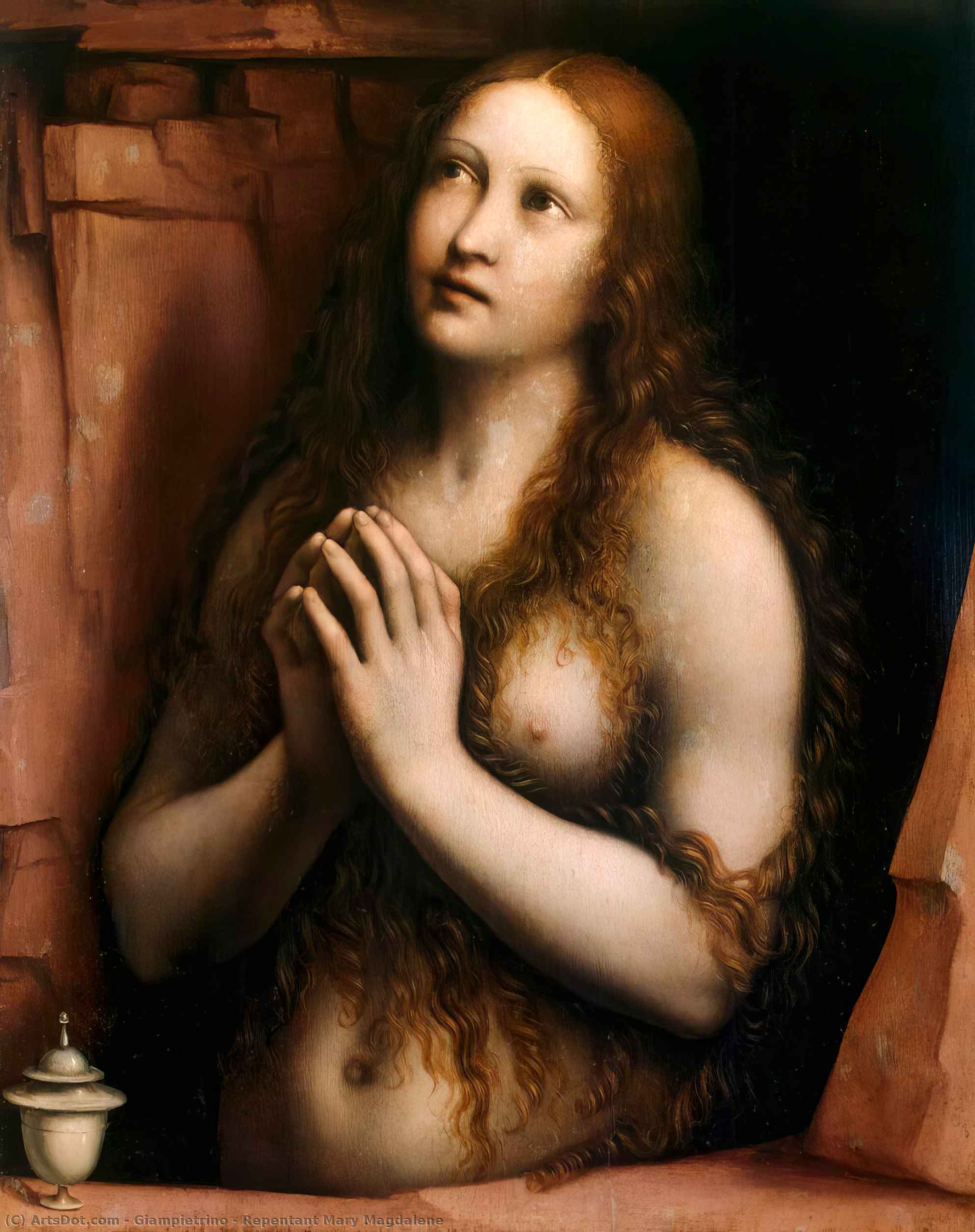
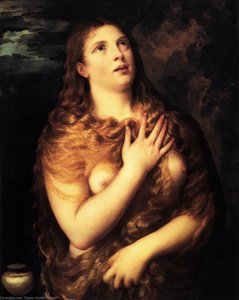
Repentant Mary Magdalene
 Oil On Panel
- Renaissance
 49.0 x 39.0 cm
 Eremitage Museum
 Weiterlesen
Handgefertigte Ölreproduktion
Handgemaltes Ölgemälde auf Leinwand in Ihrer Wunschgröße und mit Rahmen, auf Bestellung von unseren Künstlern angefertigt. ( Druck bestellen Bild kaufen)




P118B $10

P118H $10

P118W $10

P438Z $10

P508JH $12

P508YH $12

P805H $10

P805Z $10

P919BZ $10

P919G $10

P919XJ $10

P959ZH $10

P968JZ $12

W106C $8

W218G $10

W218JH $8

W218Y $10

W307PJ $10

W316G $10

W316PJ $8

W316Y $10

W398PJ $8

W4111J $10

W500HY $15

W500JH $15

W692G $12

W849H $8

W940BG $15

W953PJ $8




Wählen Sie aus unseren vordefinierten Formaten, die den ursprünglichen Proportionen des Kunstwerks entsprechen.

Sie können Ihre eigenen Maße eingeben, um einen bestimmten Rahmen oder Platz auszufüllen. Wenn die gewählte Größe nicht den Proportionen des Originalbildes entspricht, werden wir das Kunstwerk entweder beschneiden oder das Gemälde durch zusätzliche, handgemalte Elemente erweitern. Ein digitales Mockup wird Ihnen zur Genehmigung zugesandt, bevor die Produktion beginnt.
Bitte beachten Sie, dass die Bildschirmvorschau nicht die tatsächliche Beschneidung oder Erweiterung widerspiegelt. Nur das Mockup zeigt die endgültige Komposition exakt an.
Obwohl Sondermaße verfügbar sind, empfehlen wir, eine Größe aus der vordefinierten Liste zu wählen, um die ursprünglichen Proportionen beizubehalten.
Nach der Bestellung wird das ArtsDot.com-Team dem Kunden Anweisungen per E-Mail zusenden und eine Mockup-Vorschau bereitstellen.
Weltweiter Versand () in nur 3 bis 4 Wochen statt der üblichen 5 Wochen. (24 August). Keine Kompromisse bei der Qualität.

Kostenloser weltweiter Expressversand

Hochwertige Leinenleinwand

Umfassender Versicherungsschutz beim Versand

Zollgebühren-Rückerstattungsgarantie

Garantie für exakte Farbtreue

60 Tage Rückgaberecht (nur bei Mängeln)

100% Geld-zurück-Garantie

Mengenrabatt verfügbar
 Die Glasoption ist nur für Größen unter 110 cm verfügbar.

Repentant Mary Magdalene
Art der Reproduktion
Format der Reproduktion
-


Gesamtpreis
$ 263
Beschreibung des Kunstwerks
The Profound Sorrow of Repentance: Giampietrino’s “Repentant Mary Magdalene”
Giampietrino's "Repentant Mary Magdalene," a captivating oil on panel painting housed within the venerable halls of The Hermitage Museum in St. Petersburg, transcends mere portraiture; it is a profound meditation on remorse, faith, and the enduring power of redemption. Completed around 1530 during Giampietrino’s prolific period working alongside Leonardo da Vinci, this work stands as a testament to both the artist's technical skill and his ability to imbue a biblical scene with palpable emotional depth. The painting immediately draws the viewer in with its somber palette – deep browns, muted blues, and shadowed greens—creating an atmosphere of quiet introspection and spiritual contemplation.
The composition itself is masterfully executed. Mary Magdalene, depicted as a young woman radiating both vulnerability and resilience, occupies nearly the entire frame. Her posture, slumped slightly forward with her hands clasped in her lap, speaks volumes about her internal struggle. The architectural backdrop—a rugged, almost claustrophobic rock wall—further emphasizes her isolation and the weight of her past. Subtle hints of two figures, partially obscured within the darkness behind her, suggest a lingering presence of temptation or perhaps the ghosts of former transgressions, adding layers of complexity to the scene.
A Renaissance Master’s Techniques: Oil on Panel and Atmospheric Depth
Giampietrino's artistic approach is firmly rooted in the traditions of the Italian Renaissance, yet infused with a distinctly personal style. The choice of oil paint on panel—a technique favored for its rich textures and luminous colors—is crucial to the painting’s impact. Giampietrino skillfully employs glazing techniques, layering thin washes of color upon one another to build up depth and luminosity. Notice how the light catches the folds of her drapery, creating a tactile quality that invites the viewer to almost reach out and touch it. The artist's meticulous attention to detail is evident in every brushstroke, from the delicate rendering of her hair to the subtle nuances of expression on her face.
Furthermore, Giampietrino demonstrates an impressive understanding of atmospheric perspective. The background recedes into darkness, creating a sense of distance and emphasizing Mary Magdalene’s central position within the composition. This technique not only enhances the painting's visual appeal but also reinforces the emotional impact of the scene—drawing the viewer's eye directly to her face and allowing them to fully absorb her sorrowful expression.
Symbolism and Spiritual Resonance: The Magdalene’s Journey
The symbolism embedded within “Repentant Mary Magdalene” is rich and multifaceted. Mary Magdalene, a figure often misunderstood in Western art history, represents more than just a repentant prostitute. In the Gospels, she is portrayed as a devoted follower of Jesus, a witness to his crucifixion, and one of the first to proclaim his resurrection. Giampietrino’s painting captures this transformative journey—the woman who once sought solace in worldly pleasures now finds redemption through faith. The necklace she wears, a symbol of her devotion, serves as a poignant reminder of her past life and her commitment to a new path.
The rock wall behind her is not merely a decorative element; it symbolizes the harsh realities of sin and the arduous process of repentance. It represents the obstacles that must be overcome in order to achieve spiritual cleansing. The two figures glimpsed in the shadows may represent the temptations that still linger, urging her back towards her former life. Yet, Mary Magdalene’s unwavering gaze—cast downward in humility and reflection—suggests a resolute determination to remain steadfast on her path of redemption.
A Legacy of Devotion: Historical Context and Artistic Influence
The Hermitage Museum, where “Repentant Mary Magdalene” resides, is one of the world’s largest and most prestigious art museums, boasting an unparalleled collection spanning centuries and cultures. Founded by Catherine the Great in 1764, it has played a pivotal role in preserving and promoting artistic heritage. Giampietrino's work stands alongside masterpieces by Leonardo da Vinci, Gerard Ter Borch, and Louis Gallait—artists who were all associated with The Hermitage’s collection, highlighting the museum’s commitment to showcasing the breadth of Renaissance art.
The painting’s enduring appeal lies not only in its technical brilliance but also in its timeless themes of repentance, faith, and redemption. It resonates deeply with viewers across cultures and generations, offering a powerful reminder of the human capacity for transformation. Reproductions of this iconic work are available through Art Oyster, allowing art lovers to bring this profound meditation into their own homes.
Ähnliche Kunstwerke






Ähnliche Artikel

Öl auf Holz: 10 Meisterwerke, die Kunstgeschichte veränderten |
Entdecken Sie die 10 legendärsten Gemälde auf Holz – von Renaissance bis Impressionismus! Erfahren Sie die Geschichten der Künstler & ihre Meisterwerke. Hochwertige Reproduktionen bei .

Oil on Panel: A Historical Survey of Technique, Support & Aesthetic Evolution
Explore the rich history of oil on panel painting! Discover Renaissance techniques, support structures & aesthetic evolution. Expert insights for art collectors and enthusiasts.
Öl auf Holz: Eine historische Untersuchung von Technik, Trägermaterial und ästhetischer Wirkung
Entdecken Sie die faszinierende Welt der Ölmalerei auf Holz! Expertenwissen zu Technik, Geschichte und Restaurierung von Meisterwerken. Für Kunstliebhaber & Sammler.

The Enduring Power of Painting: A Historical & Contemporary Exploration of Form and Emotion
Explore the rich history & enduring techniques of oil painting with ArtsDot. Discover masterpieces, learn about art collecting, and find authentic handmade reproductions crafted by skilled artists.

The Enduring Legacy of Oil on Canvas: Technique, History & Aesthetic Impact
Explore the rich history & techniques of oil painting – from Renaissance masters to Impressionism. Discover pigments, layering methods, and why this timeless medium endures. Expert insights for artists & art enthusiasts.

