 Vorschau anzeigen
 Versenden
 Teilen
 Details anzeigen

 Herunterladen
 Ähnliche Objekte
 Röntgenaufnahme
 Diashow
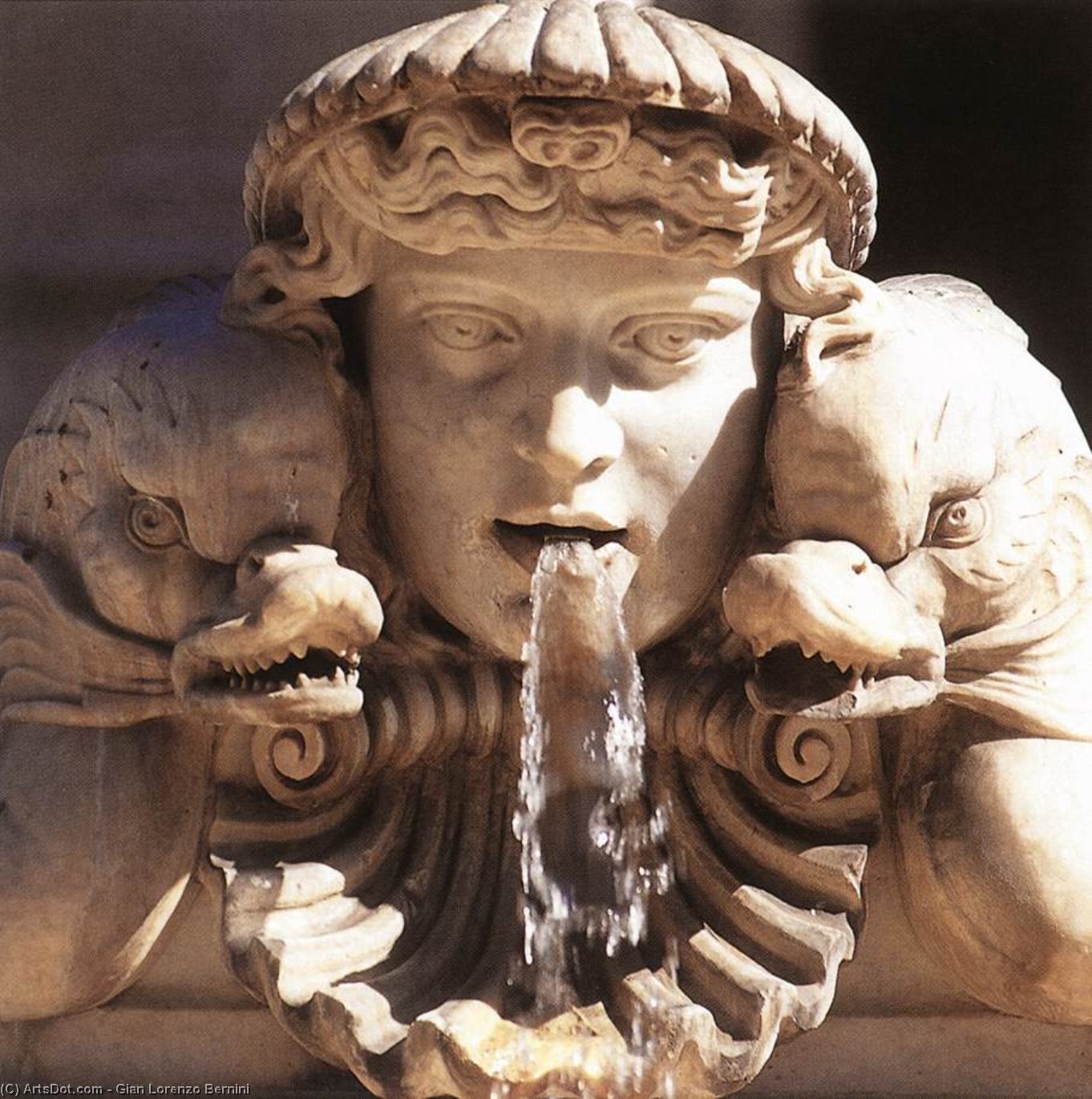
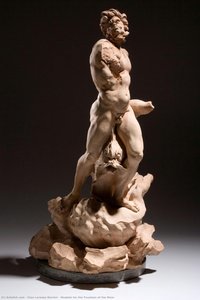
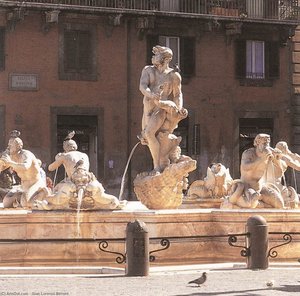
Fountain of the Moor (detail)


 Weiterlesen
Giclée / Kunstdruck
Giclée- oder Leinwanddruck in Museumsqualität mit schneller Produktion und flexiblen Veredelungsoptionen. ( Handgemalte Reproduktion bestellen Bild kaufen)




P118B $10

P118H $10

P118W $10

P438Z $10

P508JH $12

P508YH $12

P805H $10

P805Z $10

P919BZ $10

P919G $10

P919XJ $10

P959ZH $10

P968JZ $12

W106C $8

W218G $10

W218JH $8

W218Y $10

W307PJ $10

W316G $10

W316PJ $8

W316Y $10

W398PJ $8

W4111J $10

W500HY $15

W500JH $15

W692G $12

W849H $8

W940BG $15

W953PJ $8




Wählen Sie aus unseren vordefinierten Formaten, die den ursprünglichen Proportionen des Kunstwerks entsprechen.

Sie können Ihre eigenen Maße eingeben, um ein bestimmtes Format oder einen speziellen Platz einzupassen. Wenn das von Ihnen gewählte Format nicht den Proportionen des Originalbildes entspricht, werden wir das Kunstwerk entweder beschneiden oder das Bild mit einem gespiegelten oder einfarbigen Rand erweitern. Ein digitaler Entwurf wird Ihnen zur Genehmigung zugesandt, bevor die Produktion beginnt.
Bitte beachten Sie, dass die Vorschau auf dem Bildschirm nicht den tatsächlichen Zuschnitt oder die Erweiterung widerspiegelt. Nur der Entwurf zeigt die endgültige Komposition präzise an.
Obwohl Sondermaße verfügbar sind, empfehlen wir die Auswahl eines Maßes aus der vordefinierten Liste, um die ursprünglichen Proportionen zu bewahren.
Weltweiter Versand () innerhalb von 2 Wochen statt der üblichen 4/5 Wochen. (2 September)

Kostenloser weltweiter Expressversand

Hochwertige Leinenleinwand

Umfassender Versicherungsschutz beim Versand

Zollgebühren-Rückerstattungsgarantie

Garantie für exakte Farbtreue

60 Tage Rückgaberecht (nur bei Mängeln)

100% Geld-zurück-Garantie

Mengenrabatt verfügbar
 Die Glasoption ist nur für Größen unter 110 cm verfügbar.

Fountain of the Moor (detail)
Giclée / Kunstdruck
Format der Reproduktion
-


Gesamtpreis
$ 62
A Roman Vision: Gian Lorenzo Bernini’s Fountain of the Moor
Gian Lorenzo Bernini's Fountain of the Moor, a breathtaking sculpture residing in Rome’s Piazza Navona, isn’t merely a fountain; it’s a potent distillation of Baroque artistry and a complex reflection of its era. Completed in 1653, this monumental work stands as a testament to Bernini's unparalleled ability to fuse classical forms with dramatic emotion—a hallmark of his genius. The sculpture depicts a captivating scene: a powerfully rendered figure, often interpreted as an African (or even Neptune), locked in a dynamic struggle with a dolphin, all set within the swirling waters of a richly ornamented basin. This isn’t simply decorative water; it's a theatrical spectacle designed to command attention and evoke awe.
The genesis of this extraordinary piece lies in the patronage of Pope Innocent X Pamphili, a prominent figure known for his connections to North Africa and his desire to showcase his family’s wealth and influence. The choice of subject—a Moor wrestling with a dolphin—was deliberately provocative, reflecting the prevailing fascination with exotic cultures during the 17th century. While interpretations have shifted over time, the image has been debated; some scholars suggest it represents Neptune, while others see a deliberate allusion to the African continent, highlighting themes of power, conquest, and the complexities of cultural exchange.
Bernini’s Baroque Brilliance: Technique and Design
Bernini's mastery is immediately evident in every detail. The sculpture itself is crafted from terracotta, a material he favored for its malleability and ability to capture intricate forms. The model, created by Bernini himself, demonstrates his meticulous approach – a testament to the sculptor’s dedication to capturing movement and emotion. Notice the incredibly detailed musculature of the central figure, sculpted with an almost photographic realism; the way the water cascades from the mouths of the figures, creating a shimmering effect that enhances the drama of the scene. The use of contrasting textures—the smooth surface of the dolphin's skin against the rougher texture of the Moor’s garments—further emphasizes the dynamism of the composition.
The fountain’s basin is equally impressive, featuring intricate carvings and a series of dolphins that flank the central figure. The overall design incorporates elements of classical Roman architecture, particularly in its use of columns and arches, while simultaneously embracing the exuberant style characteristic of the Baroque period. Bernini's genius lies not just in individual skill but in his ability to seamlessly blend these diverse influences into a cohesive and utterly compelling whole.
Historical Context: Rome at the Dawn of a New Era
To fully appreciate Fountain of the Moor, it’s crucial to understand the historical context in which it was created. Rome during the mid-17th century was undergoing a period of profound transformation—a resurgence after centuries of decline. The city was being rebuilt and embellished under the patronage of powerful Popes like Innocent X, who sought to restore Rome's glory as the center of Christendom. Bernini’s work, along with that of other leading artists, played a key role in this ambitious project, transforming Piazza Navona into a grand public space worthy of the Papal court.
The fountain itself was part of a larger effort to revitalize the city's fountains—a tradition dating back to ancient Rome. Bernini’s design continued this legacy, but with a distinctly Baroque flair. The addition of the Moor figure reflected the growing interest in exploring and celebrating diverse cultures during the Age of Exploration, while also serving as a symbol of papal power and influence.
A Timeless Symbol: Emotional Impact and Legacy
Fountain of the Moor continues to captivate viewers centuries after its creation. Its dramatic composition, dynamic movement, and evocative symbolism create a powerful emotional response—a sense of awe, wonder, and perhaps even intrigue. The sculpture’s enduring appeal lies in its ability to transcend its historical context and speak to universal themes of power, beauty, and the complexities of human interaction.
Today, reproductions of this iconic masterpiece offer an accessible way to experience Bernini's genius. ArtsDot offers meticulously crafted hand-painted reproductions that faithfully capture the sculpture’s intricate details and vibrant colors, allowing you to bring a touch of Baroque splendor into your home or office. Explore our collection today and discover the timeless beauty of Fountain of the Moor.
Ähnliche Kunstwerke
Über den Künstler
Gian Lorenzo Bernini: Ein Leben in der Kunst
- Geboren: 7. Dezember 1598, Neapel, Italien
- Gestorben: 28. November 1680, Rom, Kirchenstaat (im Alter von 81 Jahren)
- Bekannt für: Barocke Skulptur, Architektur, Malerei und Stadtplanung.
Frühes Leben und Ausbildung
Berninis künstlerische Reise begann unter der Anleitung seines Vaters, Pietro Bernini, selbst ein Bildhauer. Pietro erkannte frühzeitig Gian Lorenzos außergewöhnliches Talent und sorgte für eine strenge Ausbildung in verschiedenen künstlerischen Disziplinen. Der junge Bernini übertraf bald die Fähigkeiten seines Vaters und demonstrierte bereits in jungen Jahren bemerkenswerte technische Fertigkeiten. Er studierte klassische griechische und römische Skulpturen innerhalb der Vatikanischen Sammlungen, absorbierte ihre Formen und Prinzipien. Seine frühen Werke zeigten bereits eine außergewöhnliche technische Beherrschung und einen innovativen Ansatz in der Bildhauerei, was die Aufmerksamkeit prominenter Persönlichkeiten wie Kardinal Maffeo Barberini erregte, der später zum Papst Urban VIII. – Berninis bedeutendster Förderer – werden sollte.Künstlerischer Stil und Hauptwerke
Bernini gilt als der herausragende Bildhauer der Barockzeit, einem Stil, der sich durch Dramatik, Emotionen, Bewegung und Pracht auszeichnet. Seine Arbeit ging über die statischen Qualitäten der Renaissance-Skulptur hinaus und umarmte Dynamik und Theatralik. Schlüsselelemente seines Stils sind:- Dramatische Erzählung: Berninis Skulpturen stellen oft Momente intensiver Handlung oder emotionaler Klimaxe dar.
- Psychologische Tiefe: Er vermittelte meisterhaft komplexe Emotionen durch Gesichtsausdrücke und Körpersprache.
- Technische Meisterschaft: Seine Fähigkeit, Texturen – wie fließendes Haar, zarte Stoffe und glatte Haut – in Marmor darzustellen, war unübertroffen.
- Die Verzückung der Heiligen Teresa (1647-1652): Ein Meisterwerk im Cornaro-Kapitel in Rom, das eine mystische Erfahrung mit tiefgreifender emotionaler Intensität darstellt.
- Apollo und Daphne (1622-1625): Fängt die mythologische Verwandlung von Daphne in einen Lorbeerbaum mit atemberaubendem Realismus und Dynamik ein.
- David (1623-1624): Eine dynamische Darstellung von David, der bereit ist zu schlagen, die Berninis Fähigkeit zeigt, Spannung und Bewegung in Marmor zu vermitteln.
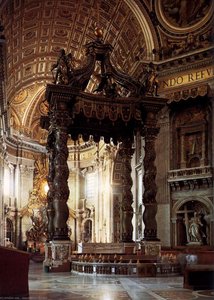
- Der Baldachin (1624-1633): Ein monumentaler Bronzekuppel über dem Hochaltar des Petersdoms in Rom, der seine architektonische Kompetenz demonstriert.
- Brunnen der Vier Ströme (1648-1651): Auf der Piazza Navona in Rom gelegen, zeigt dieser aufwendige Brunnen allegorische Figuren, die wichtige Flüsse von verschiedenen Kontinenten repräsentieren.
Architektonische Beiträge und Stadtplanung
Neben der Bildhauerei leistete Bernini bedeutende Beiträge zur Architektur und Stadtplanung. Er entwarf zahlreiche Kirchen, Kapellen und säkulare Gebäude und integrierte oft seine Skulpturen in den architektonischen Rahmen. Seine Arbeit am Petersdom, einschließlich des Baldachins und der Kolonnade des Petersplatzes, veränderte das Aussehen der Basilika dramatisch und schuf einen großartigen zeremoniellen Raum. Er spielte auch eine entscheidende Rolle bei der Umgestaltung mehrerer römischer Piazzas und schuf lebendige öffentliche Räume, die den ästhetischen Reiz der Stadt verbesserten.Vermächtnis und historische Bedeutung
Gian Lorenzo Bernini prägte tiefgreifend den Verlauf der westlichen Kunst. Sein innovativer Ansatz in der Skulptur etablierte den Barockstil als eine dominierende Kraft in der europäischen Kunst für über ein Jahrhundert. Er beeinflusste Generationen von Künstlern mit seinen dramatischen Kompositionen, seiner technischen Virtuosität und seiner Fähigkeit, tiefe Emotionen zu vermitteln. Berninis Integration von Skulptur, Architektur und Malerei in vereinte künstlerische Erfahrungen schuf einen neuen Standard für den künstlerischen Ausdruck. Wie Howard Hibbard feststellte, ist Berninis Einfluss so bedeutend, dass er als der "größte Bildhauer des 17. Jahrhunderts" gilt. Seine Werke inspirieren bis heute Ehrfurcht und Bewunderung und festigen seinen Platz als einer der wichtigsten Künstler der Geschichte.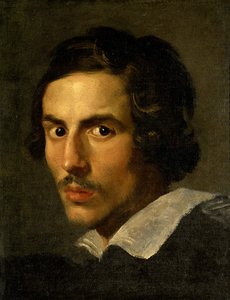
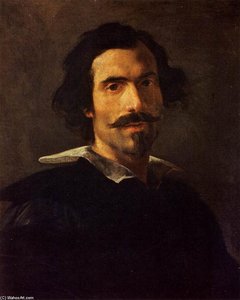
Gian Lorenzo Bernini
1598 - 1680 , Italien
Kurzinfos
- Beeinflusste Künstler: ['Spätere Künstler (bis Modernismus)']
- Bemerkenswerte Werke:
- Ekstase der Heiligen Teresa
- Apollo und Daphne
- David
- Baldachin
- Brunnen der vier Flüsse
- Geburtsdatum: 7. Dezember 1598
- Geburtsort: Neapel, Italien
- Künstlerische Einflüsse: ['Michelangelo']
- Künstlerischer Stil: Barock
- Nationalität: Italiener
- Todestag: 28. November 1680
- Vollständiger Name: Gian Lorenzo Bernini
Ähnliche Artikel
Gian Lorenzo Bernini: Barocke Bildhauerkunst zwischen Emotion und römischer Imagination
Entdecken Sie die faszinierende Welt von Gian Lorenzo Bernini! Unsere Expertenanalyse beleuchtet seine revolutionäre Bildhauerkunst, römische Inspirationen und Schlüsselwerke. Tauchen Sie ein in das Barockzeitalter.

Bronze-Meisterwerke: Die 10 Skulpturen, die Kunstgeschichte schrieben | ArtsDot
Entdecken Sie die 10 legendärsten Bronze Skulpturen der Kunstgeschichte! Von Michelangelo bis Rodin – erfahren Sie die Geschichten hinter den Meisterwerken und lassen Sie sich von Wanddeko-Ideen inspirieren. Hochwertige Kunstdrucke auf ArtsDot.com.
The Enduring Allure of Marble in Art History: From Classical Sculpture to Modern Abstraction
Explore the captivating history of marble sculpture from ancient Greece to modern art. Discover renowned artists like Canova & Michelangelo, carving techniques, and investment insights at ArtsDot.
Henry Moore: Formgebung der Moderne – Gestalt, Emotion und die menschliche Existenz
Entdecken Sie das Werk von Henry Moore – Pionier der modernen Skulptur! Analysen zu seiner Bildsprache, Einflüssen und bleibendem Einfluss. Expertenwissen & Inspiration auf ArtsDot.

The Enduring Form: Exploring Themes & Techniques in Sculpture Across Historical Periods
Explore the rich history of sculpture from ancient masterpieces to contemporary innovations. Discover key techniques, influential artists & investment potential for discerning art collectors.