 Vorschau anzeigen
 Versenden
 Teilen
 Details anzeigen

 Herunterladen
 Ähnliche Objekte
 Röntgenaufnahme
 Diashow
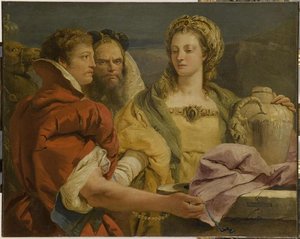
LE CHRIST ET LA FEMME ADULTERE


 Weiterlesen
Handgefertigte Ölreproduktion
Handgemaltes Ölgemälde auf Leinwand in Ihrer Wunschgröße und mit Rahmen, auf Bestellung von unseren Künstlern angefertigt. ( Druck bestellen Bild kaufen)




P118B $10

P118H $10

P118W $10

P438Z $10

P508JH $12

P508YH $12

P805H $10

P805Z $10

P919BZ $10

P919G $10

P919XJ $10

P959ZH $10

P968JZ $12

W106C $8

W218G $10

W218JH $8

W218Y $10

W307PJ $10

W316G $10

W316PJ $8

W316Y $10

W398PJ $8

W4111J $10

W500HY $15

W500JH $15

W692G $12

W849H $8

W940BG $15

W953PJ $8




Wählen Sie aus unseren vordefinierten Formaten, die den ursprünglichen Proportionen des Kunstwerks entsprechen.

Sie können Ihre eigenen Maße eingeben, um einen bestimmten Rahmen oder Platz auszufüllen. Wenn die gewählte Größe nicht den Proportionen des Originalbildes entspricht, werden wir das Kunstwerk entweder beschneiden oder das Gemälde durch zusätzliche, handgemalte Elemente erweitern. Ein digitales Mockup wird Ihnen zur Genehmigung zugesandt, bevor die Produktion beginnt.
Bitte beachten Sie, dass die Bildschirmvorschau nicht die tatsächliche Beschneidung oder Erweiterung widerspiegelt. Nur das Mockup zeigt die endgültige Komposition exakt an.
Obwohl Sondermaße verfügbar sind, empfehlen wir, eine Größe aus der vordefinierten Liste zu wählen, um die ursprünglichen Proportionen beizubehalten.
Nach der Bestellung wird das ArtsDot.com-Team dem Kunden Anweisungen per E-Mail zusenden und eine Mockup-Vorschau bereitstellen.
Weltweiter Versand () in nur 3 bis 4 Wochen statt der üblichen 5 Wochen. (5 September). Keine Kompromisse bei der Qualität.

Kostenloser weltweiter Expressversand

Hochwertige Leinenleinwand

Umfassender Versicherungsschutz beim Versand

Zollgebühren-Rückerstattungsgarantie

Garantie für exakte Farbtreue

60 Tage Rückgaberecht (nur bei Mängeln)

100% Geld-zurück-Garantie

Mengenrabatt verfügbar
 Die Glasoption ist nur für Größen unter 110 cm verfügbar.

LE CHRIST ET LA FEMME ADULTERE
Art der Reproduktion
Format der Reproduktion
-


Gesamtpreis
$ 388
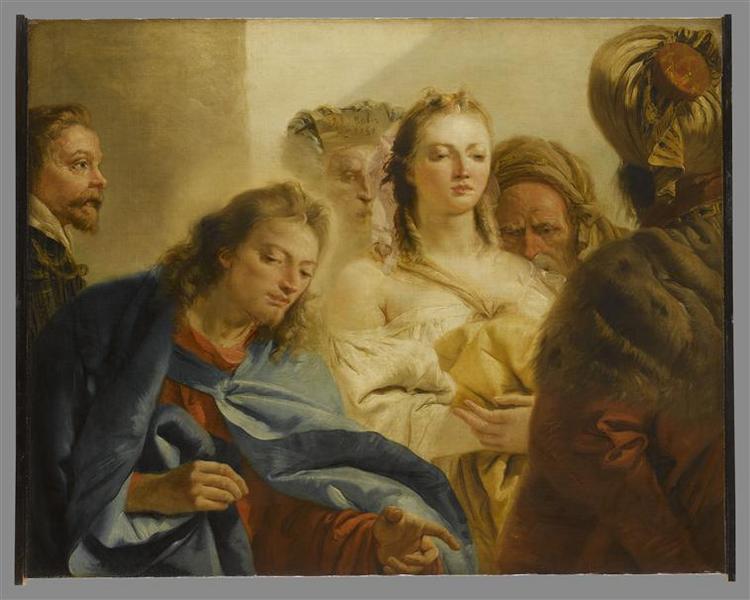
A Dramatic Confrontation: Giandomenico Tiepolo’s “Le Christ et la Femme Adultère”
Giandomenico Tiepolo's "Le Christ et la femme adultère," painted around 1753, is not merely a depiction of a biblical scene; it’s a visceral exploration of morality, judgment, and the complexities of human fallibility. Within the confines of the Louvre’s collection, this monumental canvas commands attention with its dynamic composition, masterful use of light and shadow, and profound emotional resonance – hallmarks of the Baroque style at its most compelling. It's a painting that invites contemplation long after the initial viewing, prompting questions about faith, forgiveness, and the enduring struggle between good and evil.
The scene unfolds within what appears to be a grand, yet somewhat austere, courtyard or portico – an architectural setting carefully chosen to heighten the drama. Tiepolo masterfully arranges his figures in a tightly packed tableau, creating a sense of urgency and claustrophobia that mirrors the emotional turmoil at the heart of the narrative. At the center stands Jesus Christ, not as a serene figure of divine authority, but as a man grappling with an agonizing decision. His hand firmly holds a stone – a potent symbol of judgment, yet he hesitates to deliver it, demonstrating a profound mercy and challenging conventional interpretations of biblical law. Facing him is the woman caught in adultery, her posture conveying a mixture of shame, vulnerability, and a desperate plea for understanding. The surrounding figures—some pointing accusingly, others observing with detached curiosity – further amplify the tension and underscore the multifaceted nature of human response to transgression.
Baroque Drama: Light, Shadow, and Emotional Intensity
Tiepolo’s signature Baroque technique is immediately evident in the painting's dramatic use of chiaroscuro. Strong contrasts between light and shadow sculpt the figures, emphasizing their forms and drawing the viewer’s eye to key moments within the scene. The light, originating from an unseen source, washes over Jesus and the woman, bathing them in a golden glow that suggests hope and potential redemption. Conversely, other characters are shrouded in darkness, representing condemnation and moral disapproval. This skillful manipulation of light not only creates visual interest but also serves to heighten the emotional impact of the narrative, conveying a sense of urgency and spiritual weight.
The artist’s brushwork is loose and expressive, contributing significantly to the painting's dynamism. Visible strokes create a sense of movement and energy, particularly in the drapery and the gestures of the figures. Layers of paint are evident, revealing the meticulous process involved in creating this complex composition. The color palette leans towards warm earth tones – ochre, brown, terracotta – contrasted by cooler blues and creams used to highlight key elements like Jesus’s robe and the woman's garments. Strategic use of red accents—particularly on the drapery and faces—adds a touch of intensity and draws attention to moments of heightened emotion.
Symbolism and Historical Context
“Le Christ et la Femme Adultère” is rooted in the Gospel of John (8:1-11), but Tiepolo transcends a simple retelling of the story. The scene represents a pivotal moment in Jesus’s ministry – his refusal to condemn the woman, choosing instead to offer forgiveness and mercy. This act challenges societal norms and exposes the hypocrisy inherent in applying rigid legalistic interpretations of morality. The painting reflects the broader intellectual currents of the 18th century, which questioned established religious doctrines and emphasized human reason and compassion. Furthermore, it’s important to note that Tiepolo was working within the context of the Rococo period, a style known for its opulence and theatricality – qualities he skillfully integrates into this powerful depiction of faith and judgment.
A Legacy of Dramatic Narrative
Giandomenico Tiepolo’s “Le Christ et la femme adultère” stands as a testament to the enduring power of Baroque art. Its dramatic composition, masterful use of light and shadow, and profound exploration of moral themes continue to resonate with viewers today. The painting's influence can be seen in subsequent works by artists who sought to capture the intensity and emotional depth of religious narratives. Reproductions of this masterpiece offer a window into a pivotal moment in Christian history, inviting us to contemplate the complexities of human nature and the transformative power of compassion.
Ähnliche Kunstwerke




Über den Künstler
Giandomenico Tiepolo: Venetian Painter of Myth and Movement
Giovanni Domenico Tiepolo (1727 – 1804) stands as a pivotal figure in the Rococo artistic landscape, inextricably linked to the legacy of his father, Giovanni Battista Tiepolo—a titan whose frescoes graced palaces across Europe. Born in Venice, Tiepolo’s artistic journey began under the watchful eye of his renowned progenitor, absorbing techniques and sensibilities that would define his own distinctive style. This formative influence is palpable throughout his oeuvre, characterized by a masterful blend of decorative grandeur and nuanced observation of human experience. Giovanni Domenico's artistic development was profoundly shaped by his father's groundbreaking approach to fresco painting—specifically, the invention of “oil sketch,” a technique that allowed for greater flexibility in capturing fleeting moments and conveying emotion. This method ensured that Tiepolo’s canvases retained an immediacy and vibrancy rarely achieved by contemporaries. He diligently assisted Giovanni Battista on ambitious projects like the Städelses Kunstinstitut frescoes depicting scenes from Virgil's Aeneas—a testament to his dedication and understanding of artistic innovation. Collaborations extended beyond mere technical support; Domenico absorbed his father’s philosophical perspective, fostering a deep appreciation for storytelling and visual drama. His career spanned across several prominent locations, including Wurzburg (1751-3), where he undertook the monumental task of decorating the Stairwell fresco—a project that cemented his reputation as a prodigious artist. Subsequently, he traveled to Vicenza’s Villa Valmarana, contributing significantly to its opulent interiors and furthering his exploration of mythological narratives. Madrid witnessed Tiepolo's involvement in the Royal Palace from 1762-70, where he produced breathtaking canvases reflecting the grandeur of Spanish Habsburg rule. The Influence of Giovanni Battista Tiepolo: Giovanni Battista Tiepolo revolutionized fresco painting with his “oil sketch” method, prioritizing emotional expression and capturing transient moments—a departure from traditional techniques that profoundly impacted his son’s artistic vision. Domenico internalized his father's humanist ideals, emphasizing narrative depth and dramatic visual impact. This transmission of artistic knowledge ensured that Giovanni Domenico’s work retained a dynamism and sensitivity unmatched by many of his contemporaries. Venetian Style & Symbolism: Tiepolo’s Venetian style is instantly recognizable for its opulent ornamentation, vibrant color palettes, and masterful illusionistic perspective—characteristics emblematic of the Rococo movement. His paintings frequently incorporated mythological themes, reflecting the humanist spirit of Venice during the Enlightenment, and imbued with symbolic references to classical antiquity and Christian faith. Recurring motifs included garlands of flowers, architectural grandeur, and idealized figures conveying moral virtue. Notable Commissions & Artistic Development: Giovanni Domenico’s artistic trajectory was marked by significant commissions—most notably the Stairwell fresco in Wurzburg and the Villa Valmarana interiors—which showcased his technical prowess and imaginative vision. He skillfully blended classical influences with Venetian traditions, creating artworks that captivated audiences and established him as a leading artist of his time. His meticulous attention to detail and compositional balance elevated his paintings beyond mere decoration, transforming them into powerful visual narratives. Legacy and Historical Significance: Giandomenico Tiepolo’s enduring legacy resides in his contribution to the Rococo artistic canon—a movement celebrated for its elegance, dynamism, and expressive power. He remains a pivotal figure in Venetian art history, embodying the spirit of innovation and humanist idealism that defined the eighteenth century. His paintings continue to inspire admiration for their beauty and intellectual depth, securing his place as one of the most influential artists of his era. Giovanni Domenico Tiepolo’s artistic output encompassed a remarkable range of subjects—from biblical scenes and mythological tales to portraits capturing the spirit of Venetian society. His canvases pulsate with movement, color, and carefully considered composition, reflecting his mastery of Rococo aesthetics. The Saint Ambrosius painting exemplifies this stylistic hallmark, portraying St. Ambrose in a dynamic pose amidst an elaborate architectural setting. Similarly, “The Agony in the Garden” captures the emotional intensity of biblical drama with remarkable precision. His depictions of Punchinello—the iconic character from Commedia dell’arte—are particularly noteworthy for their expressive portrayal of human interaction and theatrical flair.- Key Paintings:
- Technique & Style Characteristics:
- Recurring Themes & Symbolism:
Giandomenico Tiepolo
1727 - 1804 , Italien
Kurzinfos
- Artistic Movement Or Style: Rokoko
- Artists Who Influenced This Artist: ['Giovanni Battista Tiepolo']
- Date Of Birth: 1727
- Full Name: Giovanni Domenico Tiepolo
- Nationality: Italienisch
- Notable Artworks:
- Die Agonie im Garten
- Untitled (AQR3XQ)
- St. Ambrosius Ansprache St. Augustinus
- Place Of Birth: Venice, Italien
Ähnliche Artikel

Barocke Pracht: Wie Sie Opulenz und Emotionen in zeitgenössische Innenräume bringen
Entdecken Sie die Pracht des Barock! Expertenratgeber für luxuriöse Innenräume mit barocken Elementen. Inspiration, Tipps & hochwertige Kunst bei .

The Enduring Power of Painting: A Historical & Contemporary Exploration of Form and Emotion
Explore the rich history & enduring techniques of oil painting with ArtsDot. Discover masterpieces, learn about art collecting, and find authentic handmade reproductions crafted by skilled artists.

The Dramatic Flourish: Exploring the Baroque Movement's Enduring Legacy in Art History
Explore the dramatic world of Baroque art! Discover iconic artists like Caravaggio & Rubens, defining techniques, and its lasting impact on art history. Expert insights for collectors & enthusiasts at ArtsDot.

Barock Meisterwerke: Die 10 prägendsten Kunstwerke für Ihr Zuhause |
Entdecken Sie die 10 prägendsten Meisterwerke des Barock! Caravaggio, Rembrandt & Co. – Erfahren Sie die Geschichten hinter ikonischen Gemälde und finden Sie hochwertige Kunst Reproduktionen für Ihr Zuhause auf .

The Visceral Stage: Exploring Dramatic Narratives & Emotional Intensity in Baroque Art
Explore the dramatic world of Baroque art! Discover iconic masters like Caravaggio & Rembrandt, their techniques, and the movement's lasting impact. Expert insights for collectors & enthusiasts at ArtsDot.