 Vorschau anzeigen
 Versenden
 Teilen
 Details anzeigen

 Herunterladen
 Ähnliche Objekte
 Röntgenaufnahme
 Diashow
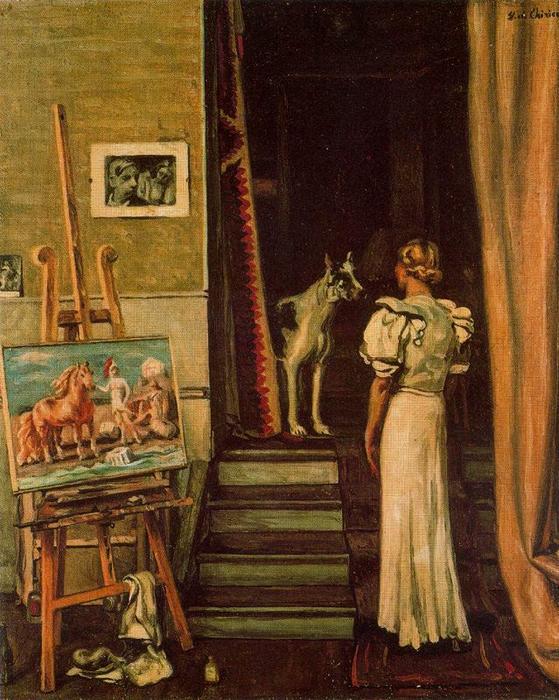
Paris studio of the artist


 Weiterlesen
Giclée / Kunstdruck
Giclée- oder Leinwanddruck in Museumsqualität mit schneller Produktion und flexiblen Veredelungsoptionen. ( Handgemalte Reproduktion bestellen Bild kaufen)




P118B $10

P118H $10

P118W $10

P438Z $10

P508JH $12

P508YH $12

P805H $10

P805Z $10

P919BZ $10

P919G $10

P919XJ $10

P959ZH $10

P968JZ $12

W106C $8

W218G $10

W218JH $8

W218Y $10

W307PJ $10

W316G $10

W316PJ $8

W316Y $10

W398PJ $8

W4111J $10

W500HY $15

W500JH $15

W692G $12

W849H $8

W940BG $15

W953PJ $8




Wählen Sie aus unseren vordefinierten Formaten, die den ursprünglichen Proportionen des Kunstwerks entsprechen.

Sie können Ihre eigenen Maße eingeben, um ein bestimmtes Format oder einen speziellen Platz einzupassen. Wenn das von Ihnen gewählte Format nicht den Proportionen des Originalbildes entspricht, werden wir das Kunstwerk entweder beschneiden oder das Bild mit einem gespiegelten oder einfarbigen Rand erweitern. Ein digitaler Entwurf wird Ihnen zur Genehmigung zugesandt, bevor die Produktion beginnt.
Bitte beachten Sie, dass die Vorschau auf dem Bildschirm nicht den tatsächlichen Zuschnitt oder die Erweiterung widerspiegelt. Nur der Entwurf zeigt die endgültige Komposition präzise an.
Obwohl Sondermaße verfügbar sind, empfehlen wir die Auswahl eines Maßes aus der vordefinierten Liste, um die ursprünglichen Proportionen zu bewahren.
Weltweiter Versand () innerhalb von 2 Wochen statt der üblichen 4/5 Wochen. (23 August)

Kostenloser weltweiter Expressversand

Hochwertige Leinenleinwand

Umfassender Versicherungsschutz beim Versand

Zollgebühren-Rückerstattungsgarantie

Garantie für exakte Farbtreue

60 Tage Rückgaberecht (nur bei Mängeln)

100% Geld-zurück-Garantie

Mengenrabatt verfügbar
 Die Glasoption ist nur für Größen unter 110 cm verfügbar.

Paris studio of the artist
Giclée / Kunstdruck
Format der Reproduktion
-


Gesamtpreis
$ 62
Sammlerstück-Beschreibung
A Haunting Portrait of Disquiet: De Chirico’s “Paris Studio”
Giorgio de Chirico's "Paris Studio" is not merely a depiction of a scene; it’s an excavation of the subconscious, a meticulously crafted dreamscape rendered in oil on canvas. The painting immediately arrests the viewer with its unsettling stillness and the palpable sense of alienation that permeates every detail. It captures a fleeting moment within the artist’s own intensely personal world – a world shaped by philosophical anxieties and a profound fascination with the interplay between reality and illusion. This work, seemingly straightforward in its subject matter—a woman with a dog, two horses, and assorted figures within a studio setting—is layered with symbolic weight, reflecting de Chirico's core artistic concerns.
The Genesis of Disorientation
Created during the artist’s most intensely productive period (1915-1917), “Paris Studio” exemplifies the metaphysical painting that defined de Chirico’s early career. Born in Volos, Greece, to Italian parents, his upbringing exposed him to both classical influences and a burgeoning sense of modern unease. His formative years in Athens and Munich were crucial; he absorbed the evocative landscapes of Arnold Böcklin and the unsettling symbolism of Max Klinger, but it was the intellectual currents of the time – Nietzsche’s challenge to traditional morality, Schopenhauer's pessimism, and Weininger’s exploration of gender and art – that truly shaped his vision. These ideas fueled a desire to depict not what *is*, but what *could be*, creating spaces where logic dissolves and the subconscious reigns supreme.
Technique and Composition: A Calculated Illusion
De Chirico’s technique is characterized by precise draftsmanship combined with an almost unsettling use of perspective. The composition, deliberately skewed and flattened, creates a sense of spatial disorientation – a key element in his work. Notice the meticulous rendering of each figure, their faces often rendered with a detached, almost mask-like quality. This isn't about realistic representation; it’s about constructing a visual puzzle that forces the viewer to confront uncomfortable questions. The use of cool, muted tones—primarily blues and greys—further enhances the painting’s melancholic atmosphere. The bottles in the foreground are not just props but contribute to the overall sense of unease, hinting at a disrupted domesticity.
Symbolism and Emotional Resonance
“Paris Studio” is rife with symbolic meaning. The woman, often interpreted as an idealized female figure, represents both beauty and vulnerability, trapped within this unsettling space. The dog, a recurring motif in de Chirico’s work, can be seen as a symbol of loyalty or perhaps a reflection of the artist's own isolation. The horses, rendered with a certain stiffness, evoke a sense of impending doom or a journey into the unknown. The overall effect is profoundly unsettling – a visual representation of existential anxiety and the fragility of human perception. It’s a painting that lingers in the mind long after viewing, prompting contemplation about the nature of reality and the hidden depths of the human psyche.
A Timeless Masterpiece for Your Collection
This hand-painted reproduction captures the essence of de Chirico's groundbreaking work, offering a unique opportunity to bring this iconic image into your home or office. Each reproduction is meticulously crafted using traditional oil painting techniques, ensuring exceptional detail and color accuracy. Perfect for collectors seeking pieces that challenge conventional notions of representation, or interior designers looking to inject a touch of intellectual drama into their spaces, this artwork is more than just decoration; it’s an investment in artistic legacy.
Ähnliche Kunstwerke
Über den Künstler
frühes Leben und Einflüsse
Giorgio de Chirico, ein renommierter italienischer Künstler, wurde am 10. Juli 1888 in Volos, Griechenland, geboren, der Mutter war eine Genueserin und der Vater sizilianisch. Sein frühes Leben war geprägt von der Beschäftigung mit Kunst an der Athener Polytechnik unter der Anleitung griechischer einflussreicher Maler Georgios Roilos und Georgios Jakobides. Diese Grundlage prägte später seinen einzigartigen künstlerischen Stil.Die Metaphysche Kunstbewegung
Im Jahr 1910 gründete de Chirico die Metaphysche Kunstbewegung, die den Surrealisten nachhaltig beeinflusste. Seine Werke aus dieser Zeit, die von unheimlichen Stimmungen und traumhaften Szenarien geprägt sind, werden in Gemälden wie die Verwirrungen des Denkers (verfügbar auf ArtsDot's Plattform) und das Rätsel der Stunde (anschaulich auf ArtsDot) dargestellt. Diese Werke erwecken ein Gefühl von Geheimnis, oft mit scharfen Kontrasten von Licht und Schatten.Postmetaphysche Periode
Nach 1919 verschob sich de Chiricos Interesse hin zu traditionellen Maltechniken und übernahm einen neoklassischen oder neobarocken Stil. Diese Veränderung ist in seinen späteren Werken erkennbar, die zwar nicht die gleiche Kritikerlob wie seine früheren Werke erhielten, aber eine reife Entwicklung in seinem künstlerischen Ansatz demonstrieren.Vermächtnis und Einfluss
De Chiricos Einfluss auf den Surrealismus ist unbestreitbar, wobei Künstler wie André Breton von seinen metaphysischen Gemälden beeinflusst wurden. Obwohl sein späteres Werk nicht so breit gefeiert wurde, bleibt de Chirico eine zentrale Figur in der Geschichte der modernen Kunst. Sein Vermächtnis inspiriert weiterhin, und seine Werke sind in Sammlungen auf der ganzen Welt zu finden, darunter das Museum von Giorgio de Chirico, das sich in der Nähe der Spanischen Treppe in Rom befindet.- Erforsche mehr Werke von Giorgio de Chirico auf ArtsDot
- Entdecke die Metaphysche Kunstbewegung und ihren Einfluss auf Surrealismus durch dieses informative Artikel auf ArtsDot
- Lerne mehr über de Chiricos Leben und Werke auf Wikipedia
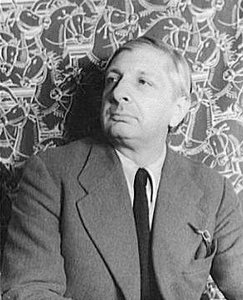
Giorgio de Chirico
1888 - 1978 , Griechenland
Kurzinfos
- Beeinflusste Künstler: ['André Breton']
- Bemerkenswerte Werke:
- Die Verwirrungen des Denkers
- Das Rätsel der Stunde
- Das Lied der Liebe
- Geburtsdatum: 10. Juli 1888
- Geburtsort: Volos, Griechenland
- Künstlerische Bewegung: Metaphysische Kunst
- Künstlerische Einflüsse:
- Arnold Böcklin
- Max Klinger
- Friedrich Nietzsche
- Arthur Schopenhauer
- Nationalität: Italienisch
- Vollständiger Name: Giorgio de Chirico
Ähnliche Artikel

Goya: Die 25 Meisterwerke des spanischen Genies – Kunst für Ihr Zuhause | ArtsDot
Entdecken Sie die 25 Meisterwerke von Francisco Goya! Tauchen Sie ein in die düstere Romantik spanischer Malerei, Porträts & Historienbilder. Hochwertige Kunstdrucke auf ArtsDot.com – für Kunstliebhaber und stilvolles Wohnen.
Surrealist Dreamscapes: A Curated Guide to Integrating Breathtaking Surrealism into Sophisticated Home Decor
Transform your home into a breathtaking dreamscape with expert surrealist decor tips. Discover how to curate Salvador Dalí-inspired masterpieces, integrate symbolic textures, and commission bespoke hand-painted oil reproductions that bring the magic of the subconscious to your walls.

Giclée Prints: Archival Quality & Aesthetic Nuances for the Discerning Collector
Explore the world of giclée prints with ArtsDot. Learn about archival quality, aesthetic nuances & investment potential. Expert guidance for discerning art collectors seeking museum-quality reproductions and lasting value.
Über uns
Entdecken Sie unsere Geschichte! Wir bringen Weltklasse-Kunst in Ihr Leben durch fachkundige Auswahl, individuelle Kreationen und kostenlose Vorschauen. Seit dem Jahr 2000 von Privatpersonen und Unternehmen geschätzt.
Dreamscapes Unveiled: A Curated Guide to Integrating Surrealist Landscape Art into Modern Interiors
Discover how to transform your home with the captivating mystery of Surrealist landscape art. Our expert guide explores iconic dreamscapes, offering professional tips on curating, styling, and commissioning bespoke surrealist masterpieces for a sophisticated, soulful interior.