 Vorschau anzeigen
 Versenden
 Teilen
 Details anzeigen

 Herunterladen
 Ähnliche Objekte
 Röntgenaufnahme
 Diashow
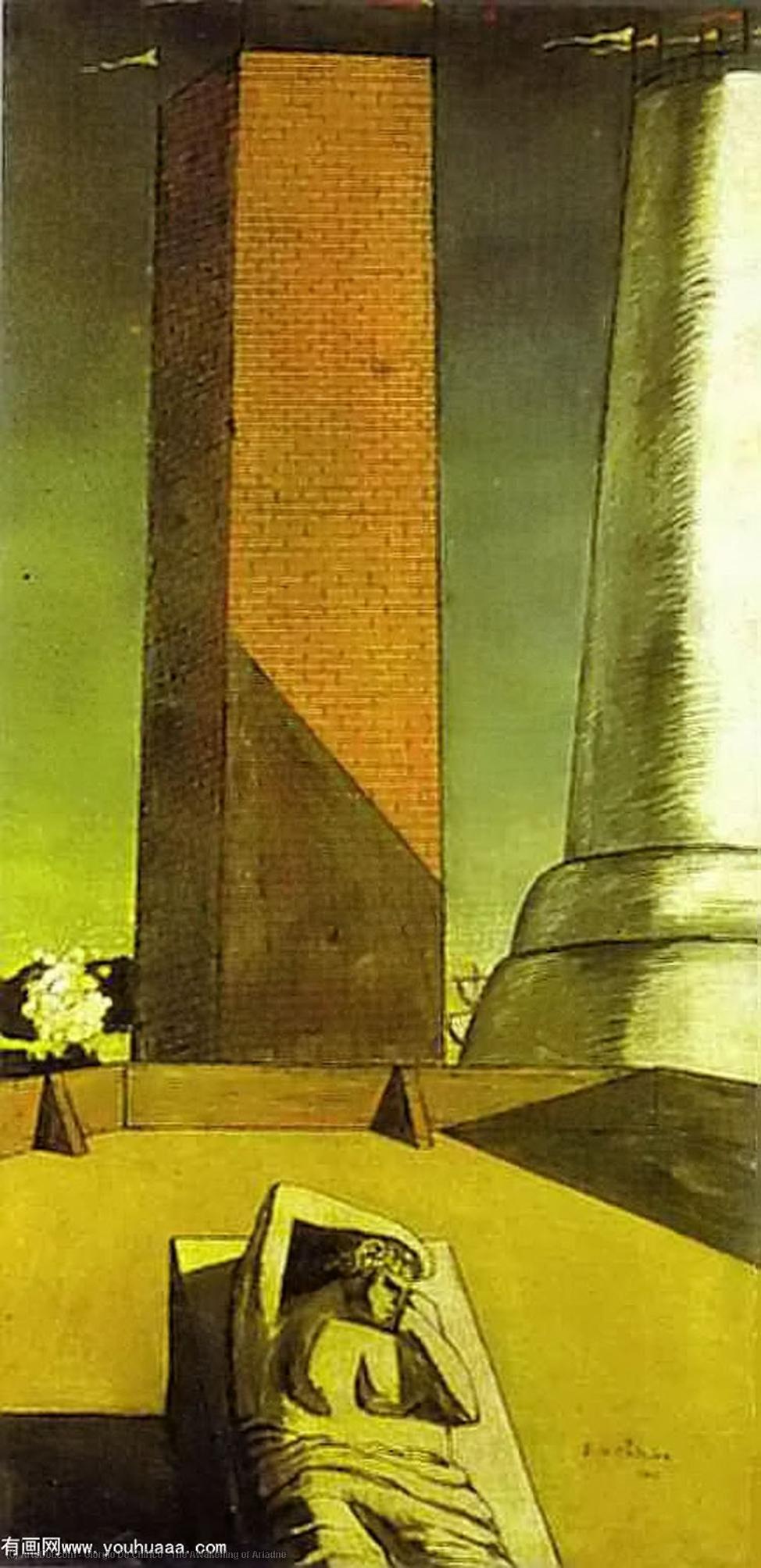
The Awakening of Ariadne


 Weiterlesen
Handgefertigte Ölreproduktion
Handgemaltes Ölgemälde auf Leinwand in Ihrer Wunschgröße und mit Rahmen, auf Bestellung von unseren Künstlern angefertigt. ( Druck bestellen Bild kaufen)




P118B $10

P118H $10

P118W $10

P438Z $10

P508JH $12

P508YH $12

P805H $10

P805Z $10

P919BZ $10

P919G $10

P919XJ $10

P959ZH $10

P968JZ $12

W106C $8

W218G $10

W218JH $8

W218Y $10

W307PJ $10

W316G $10

W316PJ $8

W316Y $10

W398PJ $8

W4111J $10

W500HY $15

W500JH $15

W692G $12

W849H $8

W940BG $15

W953PJ $8




Wählen Sie aus unseren vordefinierten Formaten, die den ursprünglichen Proportionen des Kunstwerks entsprechen.

Sie können Ihre eigenen Maße eingeben, um einen bestimmten Rahmen oder Platz auszufüllen. Wenn die gewählte Größe nicht den Proportionen des Originalbildes entspricht, werden wir das Kunstwerk entweder beschneiden oder das Gemälde durch zusätzliche, handgemalte Elemente erweitern. Ein digitales Mockup wird Ihnen zur Genehmigung zugesandt, bevor die Produktion beginnt.
Bitte beachten Sie, dass die Bildschirmvorschau nicht die tatsächliche Beschneidung oder Erweiterung widerspiegelt. Nur das Mockup zeigt die endgültige Komposition exakt an.
Obwohl Sondermaße verfügbar sind, empfehlen wir, eine Größe aus der vordefinierten Liste zu wählen, um die ursprünglichen Proportionen beizubehalten.
Nach der Bestellung wird das ArtsDot.com-Team dem Kunden Anweisungen per E-Mail zusenden und eine Mockup-Vorschau bereitstellen.
Weltweiter Versand () in nur 3 bis 4 Wochen statt der üblichen 5 Wochen. (29 August). Keine Kompromisse bei der Qualität.

Kostenloser weltweiter Expressversand

Hochwertige Leinenleinwand

Umfassender Versicherungsschutz beim Versand

Zollgebühren-Rückerstattungsgarantie

Garantie für exakte Farbtreue

60 Tage Rückgaberecht (nur bei Mängeln)

100% Geld-zurück-Garantie

Mengenrabatt verfügbar
 Die Glasoption ist nur für Größen unter 110 cm verfügbar.

The Awakening of Ariadne
Art der Reproduktion
Format der Reproduktion
-


Gesamtpreis
$ 263
The Awakening of Ariadne: A Dreamscape by Giorgio de Chirico
Giorgio de Chirico’s “The Awakening of Ariadne” (1913) is not merely a depiction of a sleeping woman; it's an immersion into the unsettling, profoundly evocative world that defined the artist’s early career and established him as a pivotal figure in the development of Surrealism. This painting, born from a confluence of philosophical anxieties and artistic influences, captures a moment suspended between reality and dream, inviting viewers to confront the disquieting nature of consciousness itself.
- Subject Matter: The central subject is Ariadne, the Cretan princess from Greek mythology who was abandoned on an island by Theseus. Here, she lies prone before two imposing brick pillars, a posture suggesting both vulnerability and a nascent return to awareness.
- Setting: The scene unfolds in an indeterminate urban space – a desolate, almost theatrical setting reminiscent of Munich’s backstreets, a place de Chirico frequently depicted. The stark geometry of the pillars contrasts sharply with the softness of Ariadne's form, creating immediate tension.
- Composition: De Chirico masterfully employs perspective to heighten the sense of unease and disorientation. The receding lines of the pillars draw the eye into a vanishing point, further emphasizing the painting’s dreamlike quality.
A Fusion of Influences: Style and Technique
“The Awakening of Ariadne” exemplifies de Chirico's unique “metaphysical realism.” He rejected traditional representational accuracy in favor of creating images that evoked a specific mood or psychological state. The painting’s technique is characterized by precise, almost photographic detail combined with deliberately unsettling distortions. Notice the meticulous rendering of the brickwork – a hallmark of his style – and the subtle manipulation of light and shadow to create an atmosphere of profound stillness and mystery. De Chirico's use of color is restrained, dominated by muted tones that contribute to the painting’s melancholic mood. The application of paint is smooth and deliberate, reflecting a meticulous approach to composition and detail.
- Cubism & Futurism Echoes: While predating the full flowering of Cubism and Futurism, de Chirico's work anticipated their concerns with fragmented forms and multiple perspectives.
- Symbolic Palette: The limited color palette – browns, grays, and hints of ochre – reinforces the painting’s sense of isolation and decay.
Decoding the Symbolism
“The Awakening of Ariadne” is rich in symbolic meaning, reflecting de Chirico's engagement with philosophical ideas. The pillars can be interpreted as representing the boundaries between consciousness and unconsciousness, or perhaps even the remnants of a lost civilization. Ariadne’s slumbering state suggests a temporary escape from reality, while her eventual awakening hints at a confrontation with existential anxieties. The inclusion of the chair and potted plant adds to the surreal quality, blurring the lines between the natural and the artificial, further emphasizing the painting's exploration of the subconscious.
- Mythological Allusion: Ariadne’s story is laden with themes of abandonment, betrayal, and redemption – all potent motifs in de Chirico’s work.
- Existential Angst: The painting speaks to a broader sense of alienation and the difficulty of finding meaning in a seemingly absurd world—a sentiment deeply rooted in the philosophical currents of the early 20th century.
Emotional Impact and Artistic Significance
“The Awakening of Ariadne” possesses a haunting beauty that transcends its unsettling subject matter. It’s a painting that lingers in the mind long after viewing, prompting reflection on themes of identity, memory, and the nature of reality. De Chirico's work paved the way for Surrealist artists like Dalí and Magritte, demonstrating the power of art to tap into the deepest recesses of the human psyche. A hand-painted reproduction offers a remarkable opportunity to experience this seminal artwork firsthand, bringing its enigmatic beauty and profound psychological depth into your space.
Ähnliche Kunstwerke
Über den Künstler
frühes Leben und Einflüsse
Giorgio de Chirico, ein renommierter italienischer Künstler, wurde am 10. Juli 1888 in Volos, Griechenland, geboren, der Mutter war eine Genueserin und der Vater sizilianisch. Sein frühes Leben war geprägt von der Beschäftigung mit Kunst an der Athener Polytechnik unter der Anleitung griechischer einflussreicher Maler Georgios Roilos und Georgios Jakobides. Diese Grundlage prägte später seinen einzigartigen künstlerischen Stil.Die Metaphysche Kunstbewegung
Im Jahr 1910 gründete de Chirico die Metaphysche Kunstbewegung, die den Surrealisten nachhaltig beeinflusste. Seine Werke aus dieser Zeit, die von unheimlichen Stimmungen und traumhaften Szenarien geprägt sind, werden in Gemälden wie die Verwirrungen des Denkers (verfügbar auf ArtsDot's Plattform) und das Rätsel der Stunde (anschaulich auf ArtsDot) dargestellt. Diese Werke erwecken ein Gefühl von Geheimnis, oft mit scharfen Kontrasten von Licht und Schatten.Postmetaphysche Periode
Nach 1919 verschob sich de Chiricos Interesse hin zu traditionellen Maltechniken und übernahm einen neoklassischen oder neobarocken Stil. Diese Veränderung ist in seinen späteren Werken erkennbar, die zwar nicht die gleiche Kritikerlob wie seine früheren Werke erhielten, aber eine reife Entwicklung in seinem künstlerischen Ansatz demonstrieren.Vermächtnis und Einfluss
De Chiricos Einfluss auf den Surrealismus ist unbestreitbar, wobei Künstler wie André Breton von seinen metaphysischen Gemälden beeinflusst wurden. Obwohl sein späteres Werk nicht so breit gefeiert wurde, bleibt de Chirico eine zentrale Figur in der Geschichte der modernen Kunst. Sein Vermächtnis inspiriert weiterhin, und seine Werke sind in Sammlungen auf der ganzen Welt zu finden, darunter das Museum von Giorgio de Chirico, das sich in der Nähe der Spanischen Treppe in Rom befindet.- Erforsche mehr Werke von Giorgio de Chirico auf ArtsDot
- Entdecke die Metaphysche Kunstbewegung und ihren Einfluss auf Surrealismus durch dieses informative Artikel auf ArtsDot
- Lerne mehr über de Chiricos Leben und Werke auf Wikipedia
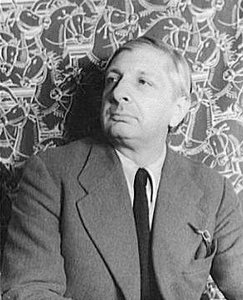
Giorgio de Chirico
1888 - 1978 , Griechenland
Kurzinfos
- Beeinflusste Künstler: ['André Breton']
- Bemerkenswerte Werke:
- Die Verwirrungen des Denkers
- Das Rätsel der Stunde
- Das Lied der Liebe
- Geburtsdatum: 10. Juli 1888
- Geburtsort: Volos, Griechenland
- Künstlerische Bewegung: Metaphysische Kunst
- Künstlerische Einflüsse:
- Arnold Böcklin
- Max Klinger
- Friedrich Nietzsche
- Arthur Schopenhauer
- Nationalität: Italienisch
- Vollständiger Name: Giorgio de Chirico
Ähnliche Artikel
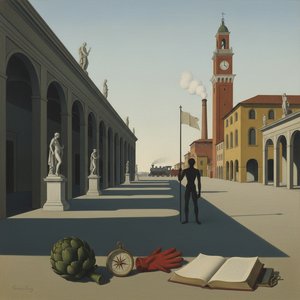
Giorgio de Chirico: Metaphysische Realitäten und die Poetik der Abwesenheit
Entdecken Sie Giorgio de Chiricos revolutionäre Metaphysische Malerei! Analysieren Sie seine Räume, Einflüsse und die Poetik der Abwesenheit. Expertenwissen & tiefe Kunstinterpretation.

Goya: Die 25 Meisterwerke des spanischen Genies – Kunst für Ihr Zuhause | ArtsDot
Entdecken Sie die 25 Meisterwerke von Francisco Goya! Tauchen Sie ein in die düstere Romantik spanischer Malerei, Porträts & Historienbilder. Hochwertige Kunstdrucke auf ArtsDot.com – für Kunstliebhaber und stilvolles Wohnen.
Beyond Reality's Veil: Exploring the Enigmatic World of Metaphysical Art
Explore the captivating world of Metaphysical art with ArtsDot. Discover Giorgio de Chirico's iconic paintings, philosophical influences & lasting impact on Surrealism. Expert insights for collectors.

Über uns
Entdecken Sie unsere Geschichte! Wir bringen Weltklasse-Kunst in Ihr Leben durch fachkundige Auswahl, individuelle Kreationen und kostenlose Vorschauen. Seit dem Jahr 2000 von Privatpersonen und Unternehmen geschätzt.
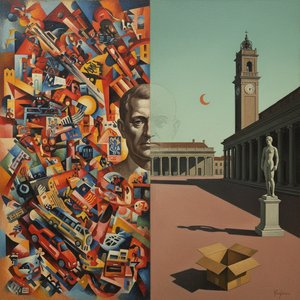
Carlo Carrà: Futuristische Visionen und metaphysische Transformationen der italienischen Malerei des frühen 20. Jahrhunderts
Entdecken Sie Carlo Carràs revolutionäre Kunst! Wir analysieren seine futuristischen Werke, die Entwicklung zur Metaphysik und seinen Einfluss auf die moderne Malerei. Expertenwissen & tiefe Einblicke.