 Vorschau anzeigen
 Versenden
 Teilen
 Details anzeigen

 Herunterladen
 Ähnliche Objekte
 Röntgenaufnahme
 Diashow
 Statistiken
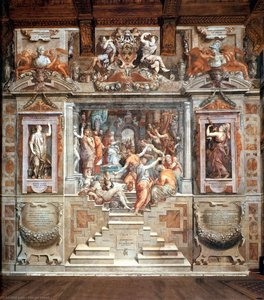
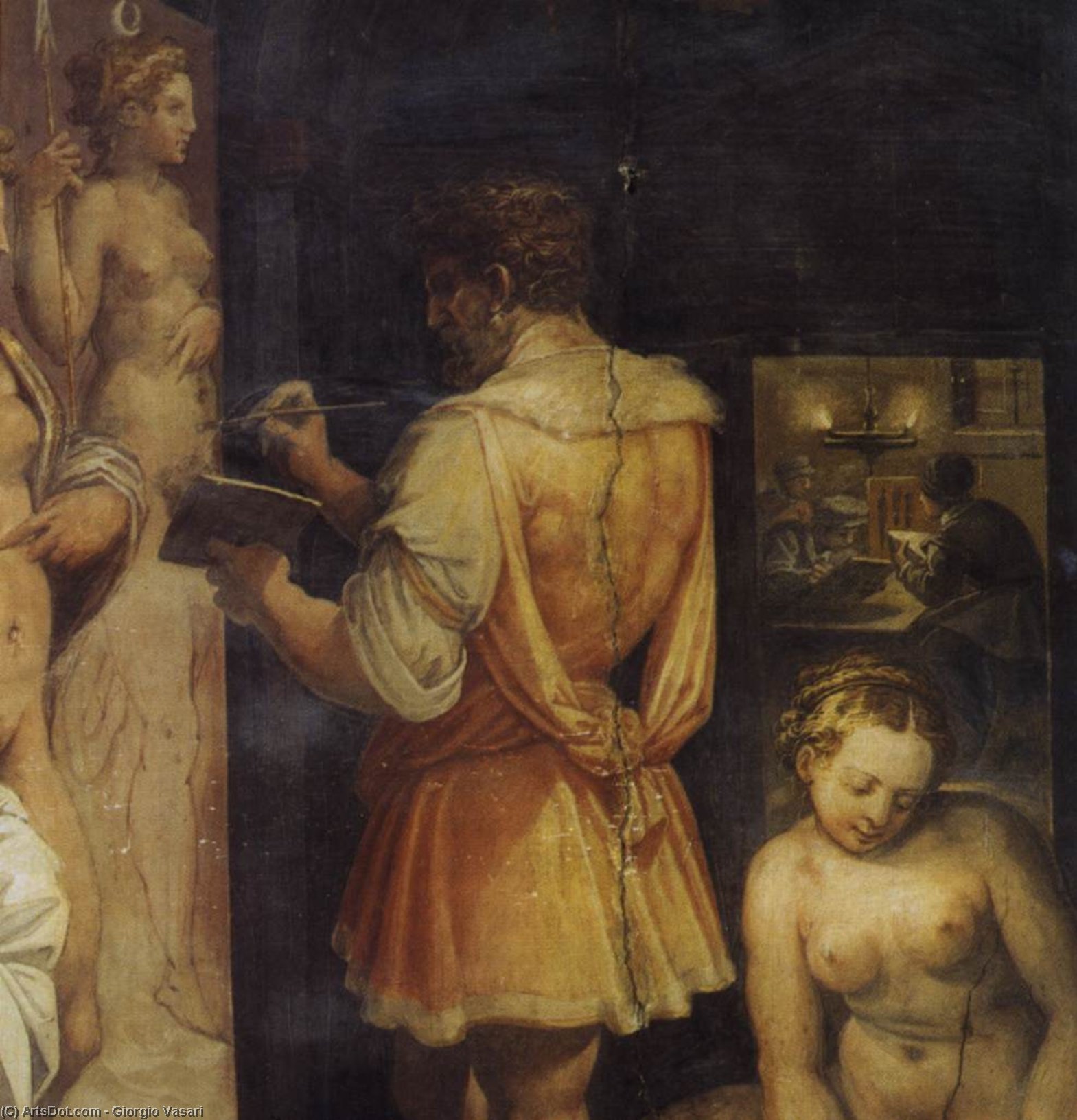
The Studio of the Painter (detail)


 Weiterlesen
Giclée / Kunstdruck
Giclée- oder Leinwanddruck in Museumsqualität mit schneller Produktion und flexiblen Veredelungsoptionen. ( Handgemalte Reproduktion bestellen Zum digitalen Bild wechseln)




P118B $10

P118H $10

P118W $10

P438Z $10

P508JH $12

P508YH $12

P805H $10

P805Z $10

P919BZ $10

P919G $10

P919XJ $10

P959ZH $10

P968JZ $12

W106C $8

W218G $10

W218JH $8

W218Y $10

W307PJ $10

W316G $10

W316PJ $8

W316Y $10

W398PJ $8

W4111J $10

W500HY $15

W500JH $15

W692G $12

W849H $8

W940BG $15

W953PJ $8




Wählen Sie aus unseren vordefinierten Formaten, die den ursprünglichen Proportionen des Kunstwerks entsprechen.

Sie können Ihre eigenen Maße eingeben, um ein bestimmtes Format oder einen speziellen Platz einzupassen. Wenn das von Ihnen gewählte Format nicht den Proportionen des Originalbildes entspricht, werden wir das Kunstwerk entweder beschneiden oder das Bild mit einem gespiegelten oder einfarbigen Rand erweitern. Ein digitaler Entwurf wird Ihnen zur Genehmigung zugesandt, bevor die Produktion beginnt.
Bitte beachten Sie, dass die Vorschau auf dem Bildschirm nicht den tatsächlichen Zuschnitt oder die Erweiterung widerspiegelt. Nur der Entwurf zeigt die endgültige Komposition präzise an.
Obwohl Sondermaße verfügbar sind, empfehlen wir die Auswahl eines Maßes aus der vordefinierten Liste, um die ursprünglichen Proportionen zu bewahren.
Weltweiter Versand () innerhalb von 2 Wochen statt der üblichen 4/5 Wochen. (9 September)

Kostenloser weltweiter Expressversand

Hochwertige Leinenleinwand

Umfassender Versicherungsschutz beim Versand

Zollgebühren-Rückerstattungsgarantie

Garantie für exakte Farbtreue

100-Tage-Rückgaberecht (nur bei Mängeln)

100% Geld-zurück-Garantie

Mengenrabatt verfügbar
 Die Glasoption ist nur für Größen unter 110 cm verfügbar.

The Studio of the Painter (detail)
Giclée / Kunstdruck
Format der Reproduktion
-


Gesamtpreis
$ 62
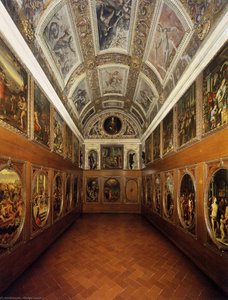
A Glimpse into Creation: The Studio of the Painter by Giorgio Vasari
Giorgio Vasari’s “The Studio of the Painter,” a fresco executed in 1563, isn't merely a depiction of an artist at work; it’s a meticulously crafted window into the heart of Renaissance creativity. Painted for his own home in Florence, this intimate scene transcends simple portraiture, offering a profound meditation on the process of artistic creation and the very essence of the burgeoning humanist spirit that defined the era. The painting immediately draws the viewer in with its carefully orchestrated composition – an artist, poised yet contemplative, stands slightly removed from a partially completed canvas, bathed in the warm, directional light characteristic of Vasari’s masterful technique.
Vasari's genius lies not just in his technical skill—evident in the subtle modeling of forms, the delicate rendering of textures like the rough linen cloth and the smooth surface of the plaster – but also in his ability to infuse the scene with a palpable atmosphere. The studio itself is spare yet richly suggestive: a table laden with tools, a grinding stone hinting at the preparation of pigments, and a few scattered books speak volumes about the artist’s dedication and intellectual curiosity. The muted palette, dominated by earthy tones and ochres, creates a sense of quiet intensity, focusing attention on the central figure and his work.
A Master's Perspective: Vasari's Biography and Artistic Vision
Understanding “The Studio of the Painter” requires appreciating Giorgio Vasari’s unique position as both an artist and a historian. He wasn’t simply documenting art; he was actively shaping its narrative, establishing a canon of artistic achievement that would profoundly influence Western art history for centuries to come. His seminal work, *Lives of the Most Excellent Painters, Sculptors, and Architects*, served not only as a biographical record but also as a carefully constructed argument for the superiority of Florentine artists. Within this context, “The Studio of the Painter” can be seen as a self-portrait – Vasari presenting himself as the embodiment of this ideal, a dedicated craftsman and a passionate advocate for his fellow artists.
The painting’s historical significance extends beyond its biographical content. It reflects the growing importance of the artist's workshop during the Renaissance. The studio wasn't just a place to produce art; it was a center of learning, experimentation, and collaboration. Vasari’s depiction captures this dynamic environment, suggesting that artistic creation is not a solitary endeavor but one deeply intertwined with intellectual discourse and the exchange of ideas.
Symbolism and the Humanist Ideal
Several symbolic elements enrich the painting's meaning. The artist’s slightly averted gaze suggests a moment of reflection – perhaps contemplating the challenges of capturing beauty on canvas, or considering the broader implications of his work. The unfinished painting in the foreground serves as a potent reminder of the creative process itself: an ongoing journey of exploration and refinement. It also subtly alludes to Vasari's own ambition to document and preserve the legacy of past masters – a task he undertook with unwavering dedication throughout his life.
Furthermore, the inclusion of books within the studio speaks to the humanist values that underpinned Renaissance art. Artists were increasingly encouraged to study classical literature, philosophy, and science, seeking inspiration from the wisdom of antiquity. Vasari’s own extensive knowledge of these subjects is reflected in his meticulous documentation of artistic techniques and biographies.
A Timeless Reflection on Creativity
“The Studio of the Painter” remains a remarkably evocative work, offering a glimpse into the mind of a pivotal figure in art history. It’s more than just a portrait; it's a meditation on the nature of creativity, the role of the artist, and the enduring power of human imagination. Reproductions of this fresco capture its intimate atmosphere and nuanced details, allowing viewers to experience firsthand the quiet intensity and profound beauty of Vasari’s masterpiece – a testament to the Renaissance spirit and a timeless reflection on the creative process.
Ähnliche Kunstwerke
Über den Künstler
Frühes Leben und Ausbildung
Giorgio Vasari, ein renommierter italienischer Maler, Architekt, Schriftsteller und Historiker, wurde am 30. Juli 1511 in Arezzo, Toskana, geboren. Er begann seine künstlerische Reise als Schüler von Guglielmo da Marsiglia, einem erfahrenen Glasmaler. Im Alter von sechzehn Jahren trat Vasari dem Kreis von Andrea del Sarto und seinen Schülern Rosso Fiorentino und Jacopo Pontormo in Florenz bei.Künstlerische Karriere
Vasaris eigene manieristische Gemälde wurden zu Lebzeiten hoch geschätzt. 1529 besuchte er Rom, wo er die Werke Raffaels und anderer Künstler der römischen Hochrenaissance studierte. Zu seinen bemerkenswertesten Werken gehören:- Das Atelier des Malers (Fresco, 1548), in der Casa Vasari, Arezzo, Italien (siehe auf ArtsDot)
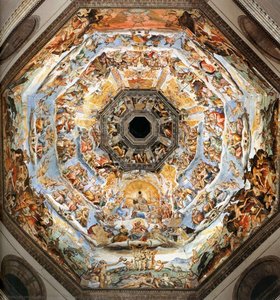
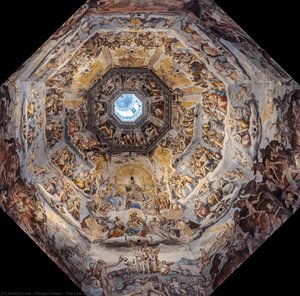
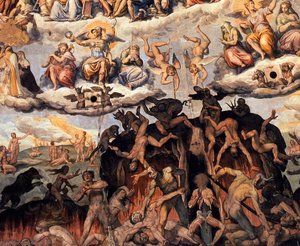
- Das Jüngste Gericht (Fresco, 1572), in der Kuppel des Dom von Florenz
- Die Anbetung der Heiligen Drei Könige (Ölgemälde, 1566), in der Kirche Santa Croce, Florenz (mehr auf ArtsDot)
Architektonische Beiträge
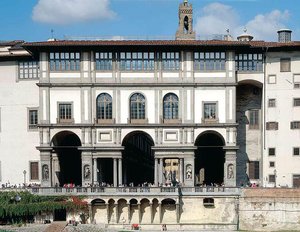
Vasaris architektonische Leistungen umfassen:- Die Loggia des Palazzo degli Uffizi, Florenz, die als öffentliche Piazza dient
- Der Vasari-Gang, der die Uffizien mit dem Palazzo Pitti in Florenz verbindet (entdecken Sie ihn auf ArtsDot)
- Die Renovierung mittelalterlicher Kirchen wie Santa Maria Novella und Santa Croce
Vermächtnis
Vasari wird oft als der "erste Kunsthistoriker" bezeichnet, aufgrund seines Buches Le vite de' più eccellenti pittori, scultori e architettori (Das Leben der vornehmsten Maler, Bildhauer und Architekten), das bis heute ein grundlegendes Werk in der Kunstgeschichte darstellt. Er starb am 27. Juni 1574 in Florenz, Großherzogtum Toskana, im Alter von 62 Jahren. Entdecken Sie mehr über Giorgios Vasaris Leben und Werk auf ArtsDot: Giorgio Vasari | 72 Kunstwerke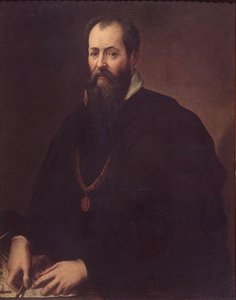
Giorgio Vasari
1511 - 1574 , Italien
Kurzinfos
- Beeinflusste Künstler/Bewegungen: ['Nachfolgende Kunsthistoriker']
- Bemerkenswerte Werke:
- Das Studio des Malers
- Das Jüngste Gericht
- Die Anbetung der Könige
- Einflussreiche Künstler:
- Andrea del Sarto
- Raphael
- Michelangelo
- Geburtsdatum: 30. Juli 1511
- Geburtsort: Arezzo, Italien
- Künstlerische Richtung: Manierismus
- Nationalität: Italiener
- Sterbedatum: 27. Juni 1574
- Vollständiger Name: Giorgio Vasari
Ähnliche Artikel
Giorgio de Chirico: Metaphysische Realitäten und die Poetik der Abwesenheit
Entdecken Sie Giorgio de Chiricos revolutionäre Metaphysische Malerei! Analysieren Sie seine Räume, Einflüsse und die Poetik der Abwesenheit. Expertenwissen & tiefe Kunstinterpretation.
Philip de László: A Portrait of Aristocratic Society & the Cosmopolitan Painter's Evolution
Explore the life & art of Philip de László, master portraitist of European aristocracy. Discover his stunning paintings, royal commissions, and enduring legacy. A guide for discerning collectors.

Clarkson Frederick Stanfield: Romantische Visionen von Meer, Land und britischer Imagination
Entdecken Sie die romantischen Visionen von Clarkson Frederick Stanfield! Erfahren Sie mehr über seine maritime Malerei, britische Identität in seinen Werken und seinen Einfluss auf die Kunst des 19. Jahrhunderts. Jetzt lesen!

Franz Xaver Winterhalter: Hofmaler, Akademiker und Inbegriff des Porträts im 19. Jahrhundert
Entdecken Sie das Werk von Franz Xaver Winterhalter, dem Hofmaler der europäischen Aristokratie! Erfahren Sie mehr über seine Aufträge, Techniken und den bleibenden Einfluss seiner Porträts. Wertvolle Einblicke für Kunstsammler.
The Soul of the Atelier: A Visual Journey Through Inspiring Artist Studio Masterpieces
Embark on a visual journey through the world's most inspiring artist studio paintings. Discover how masters captured creativity and learn to curate these soulful, atmospheric scenes to elevate your home decor with timeless elegance and sophisticated style.